

Executive Overview
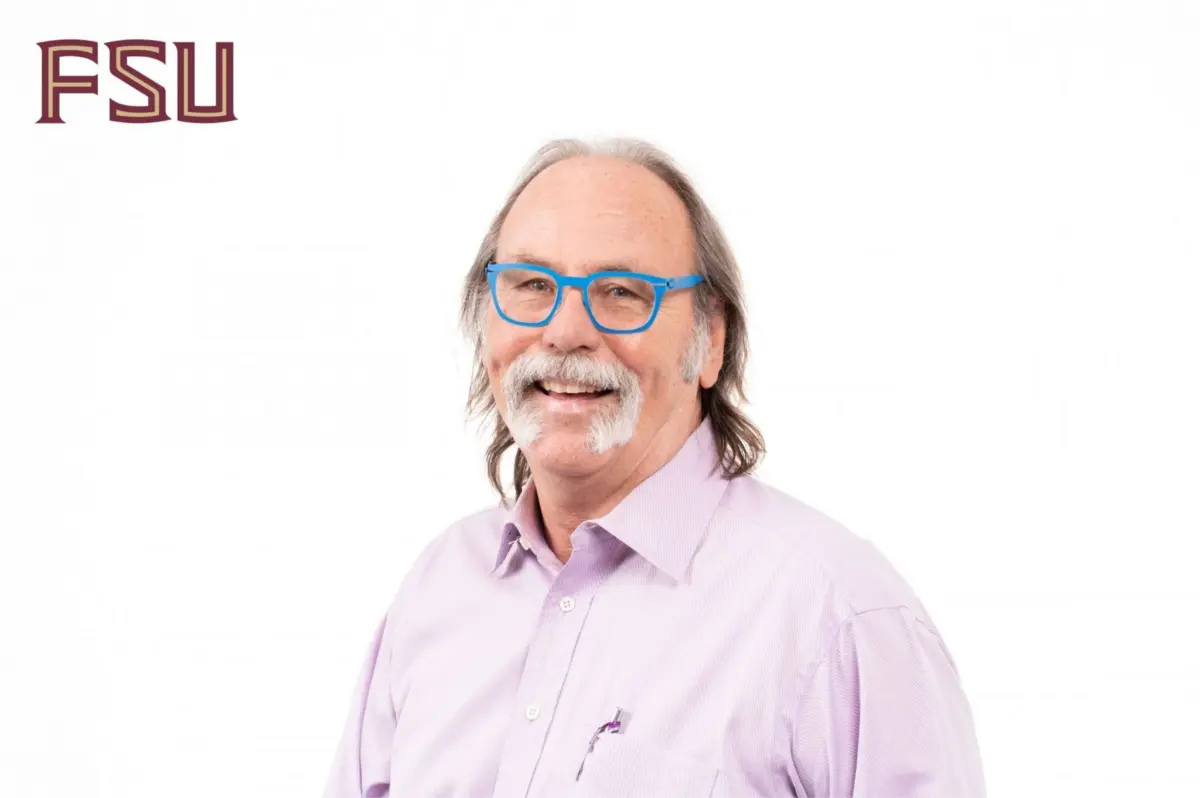
In an era defined by political polarization, institutional distrust, and rising global authoritarianism, the question of why citizens obey—or actively defy—their governments has never been more urgent. On Tuesday, October 13, 2026, the Florida State University (FSU) Department of Political Science will host a landmark public lecture by James L. Gibson, one of the world’s foremost authorities on political tolerance and institutional legitimacy.
Titled “Legitimacy: The Theory of the Century,” the lecture will take place at the historic Beth Moor Lounge within the Longmire Building on FSU’s main campus in Tallahassee. Drawing on more than four decades of empirical research, Gibson will dissect the mechanics of sociological legitimacy, exploring how public trust is built, maintained, and—most critically—lost during periods of severe democratic backsliding.
The event, which is free and open to the public, arrives at a pivotal juncture for modern democracies. As public faith in courts, legislatures, and electoral systems plummets across the globe, Gibson’s work offers a rigorous scientific framework for understanding the resilience—and vulnerability—of democratic governance. This comprehensive report explores the theoretical underpinnings of Gibson’s upcoming address, his storied academic career, the institutional significance of his recent arrival at Florida State University, and the broader implications of his research for the future of global democracy.
Detailed Chronology: Event Logistics and Core Presentation Framework
Event Details and Schedule
The public lecture and subsequent networking reception are structured to engage both the academic community and the general public:
- Date: Tuesday, October 13, 2026
- Lecture Time: 3:30 P.M. EDT
- Reception Time: 4:30 P.M. EDT
- Venue: Beth Moor Lounge, Longmire Building
- Address: 125 Convocation Way, Tallahassee, FL 32306
- Admission: Free and open to the public (registration is not required, though early arrival is strongly encouraged due to seating capacity).
The Architecture of the Lecture
Gibson’s presentation will synthesize decades of survey research, cross-national data, and longitudinal studies. While the full scope of his remarks will be unveiled on October 13, academic previews indicate the talk will be divided into three core pillars:
- Defining Sociological Legitimacy: Moving beyond philosophical definitions, Gibson will examine legitimacy as a psychological and sociological asset. He will define it as the fundamental willingness of citizens to recognize the rightful authority of political, legal, economic, and social institutions, even when those institutions produce outcomes contrary to individual preferences.
- The Anatomy of Institutional Decay: Utilizing empirical evidence, Gibson will map out the precise indicators that signal institutional decline. He will explore how relentless partisan attacks on judicial independence, electoral integrity, and bureaucratic neutrality erode public confidence over time.
- Democratic Backsliding in the 21st Century: The final segment of the lecture will focus on contemporary threats to democracy. Gibson will present data illustrating how populist movements and democratic erosion intersect, questioning whether modern institutions possess the structural resilience to withstand sustained internal pressures.
Supporting Context & Metrics: The Science of Institutional Legitimacy
What is Sociological Legitimacy?
In political science, "legitimacy" is often contrasted with mere coercion or performance satisfaction. While a government can force compliance through police power, or retain support because the economy is booming, neither mechanism provides long-term stability. Sociological legitimacy, by contrast, is normative. It creates a reservoir of goodwill—often described in political science literature as "diffuse support"—that allows institutions to survive periods of unpopular policy decisions, economic downturns, and leadership crises.
When legitimacy is high, citizens accept unfavorable rulings from courts or legislative defeats at the ballot box because they view the underlying system as fundamentally fair and authoritative. However, when legitimacy collapses, compliance transforms into resistance, paving the way for civil unrest, institutional paralysis, or autocratic takeover.
Decades of Empirical Inquiry
James L. Gibson’s career has been dedicated to measuring the unmeasurable: public attitudes toward abstract democratic principles. Through meticulously designed national and international surveys, Gibson has tracked how ordinary citizens conceptualize the rule of law, minority rights, and political tolerance.
His research challenges comforting assumptions about the permanence of democracy. For instance, his work consistently demonstrates that while citizens may express nominal support for democracy in the abstract, their commitment often falters when applied to specific, contentious political conflicts. By analyzing millions of data points gathered across tumultuous decades of domestic and international politics, Gibson has established standardized metrics that allow researchers to quantify the health of democratic institutions worldwide.
Official Statements and Academic Milestones
A Transformative Faculty Addition
The upcoming lecture marks one of Gibson’s premier public addresses since joining Florida State University earlier this fall as the Provost’s Research Professor of Political Science. His appointment represents a major coup for FSU, signaling the university’s growing status as a premier hub for empirical social science research.
"To bring a scholar of Dr. Gibson’s caliber to Florida State University is a testament to the national standing of our Department of Political Science and the College of Social Sciences and Public Policy," university leadership noted following his appointment. "His lifetime of scholarship provides vital insights into the forces shaping modern governance, and our students and faculty are uniquely privileged to engage directly with his work."
Celebrating a Lifetime of Achievement
Gibson’s arrival in Tallahassee closely follows a major milestone in his professional career. Earlier in 2026, he was honored with the prestigious Warren E. Miller Award from the American Political Science Association (APSA). The award recognizes career contributions of extraordinary significance to the study of elections, public opinion, and voting behavior.
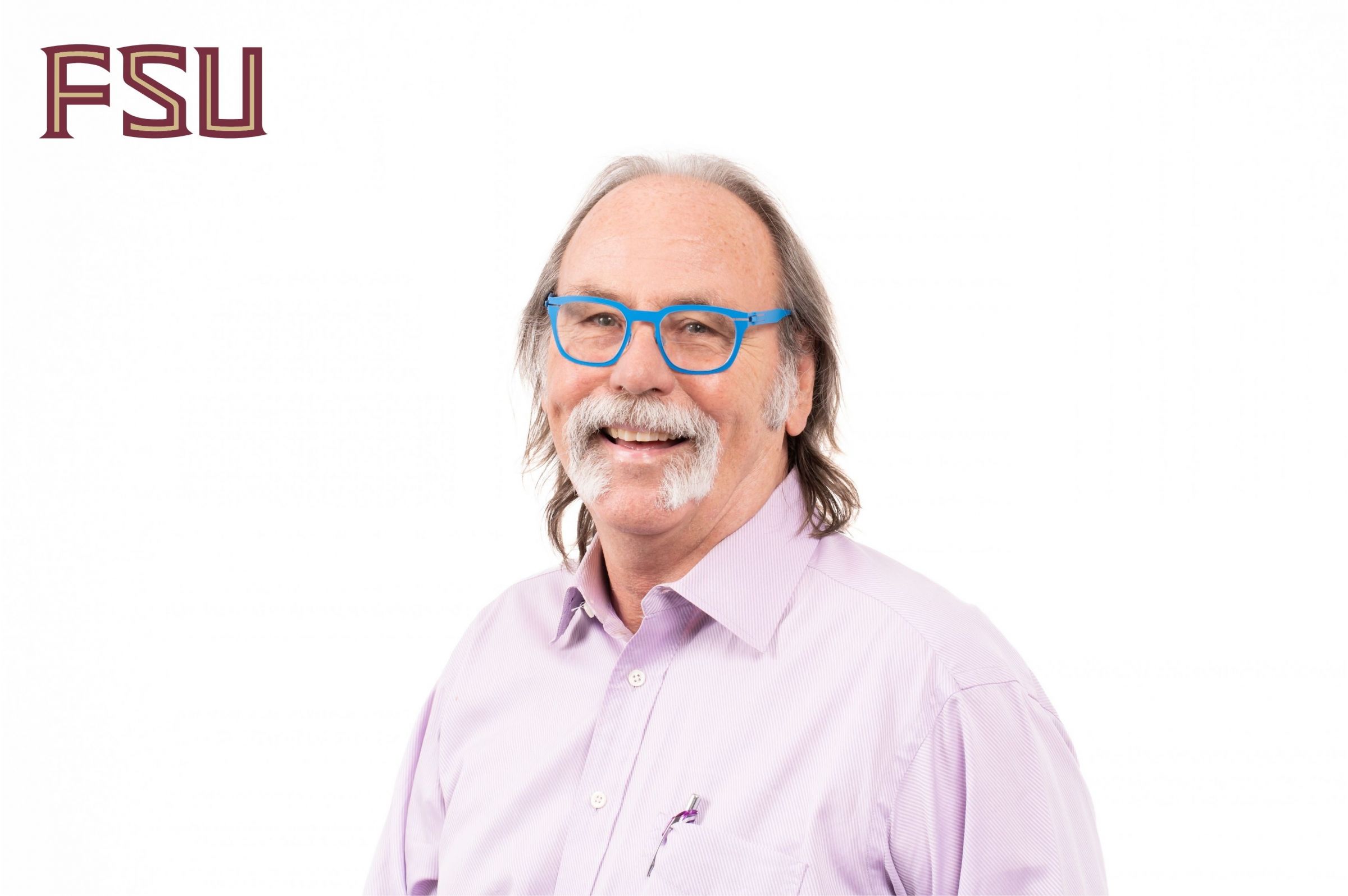
The honor places Gibson in an elite pantheon of political scientists whose empirical work has fundamentally reshaped our understanding of democratic citizenship. Over a career spanning more than forty years, Gibson has authored or co-authored over 100 scholarly articles in top-tier academic journals and penned several seminal books that occupy core reading lists in graduate seminars across the globe.
Notable among his extensive bibliography are:
- Democracy’s Destruction? (2024) – A timely examination of the internal and external threats facing contemporary democratic regimes, exploring how citizens contribute to—or resist—democratic erosion.
- Black and Blue: Constitutionalism and the Supreme Court (2018) – A deeply researched exploration of public perceptions of legal institutions, focusing on the complex dynamics of race, law, and institutional authority.
The Host Institution: FSU’s Department of Political Science
A Hub of Excellence in Social Sciences
The institution hosting Gibson’s address—FSU’s Department of Political Science—is a powerhouse of academic productivity and student engagement. Housed within the College of Social Sciences and Public Policy (COSSPP), the department supports approximately 1,300 undergraduate majors, accounting for roughly one-third of the entire college’s undergraduate population.
Known for the high impact and broad citation of its faculty’s research, the department consistently ranks among the nation’s finest. Its Ph.D. program attracts top-tier doctoral candidates from across the globe, fostering a vibrant research culture that bridges theoretical inquiry with real-world policy analysis.
The APPLE Program: Bridging Theory and Practice
Beyond traditional classroom instruction, FSU’s Department of Political Science distinguishes itself through innovative experiential learning initiatives. Most notable is the Applied Politics & Policy Learning Experience (APPLE) program—a nationally unique initiative that provides undergraduates with hands-on, high-level political experience.
Through the APPLE program, students are placed directly into professional environments within the Florida Legislature in Tallahassee and federal offices in Washington, D.C. This direct pipeline allows aspiring policymakers and analysts to observe the practical realities of governance, institutional negotiation, and public policy formulation firsthand. Hosting scholars like James L. Gibson directly complements this mission, bridging high-level empirical research with the practical realities experienced by FSU students in the political arena.
Future Outlook: Why Gibson’s Theory Matters for the Next Century
As democratic nations navigate the mid-2020s, the warning signs identified by political sociologists are difficult to ignore. Rising polarization, the spread of systemic disinformation, declining trust in electoral outcomes, and the weaponization of judicial systems have placed unprecedented strain on the liberal democratic model.
In this context, James L. Gibson’s lecture on "Legitimacy: The Theory of the Century" offers more than an academic retrospective; it serves as a diagnostic tool for the future. By understanding the precise psychological and sociological triggers that cause citizens to withdraw their consent from governing institutions, policymakers, scholars, and civic leaders can begin to construct better defenses against democratic backsliding.
The stakes could not be higher. As Gibson’s extensive body of work warns, democracies rarely fall solely to external conquest or sudden, violent coups; more often, they decay from within, hollowed out citizen by citizen, as the legitimacy of their foundational institutions quietly evaporates.
For the students, faculty, and community members attending the October 13 lecture at the Beth Moor Lounge, Gibson’s insights will provide an invaluable lens through which to view the challenges of our time—and a reminder that the preservation of democratic governance depends entirely on the enduring trust of the governed.
For more information on the Department of Political Science or upcoming events within the College of Social Sciences and Public Policy, visit cosspp.fsu.edu/polisci.

0 Comments