

Executive Overview
For more than thirty years, a quiet 90-acre expanse of land just east of U.S. Route 301 in Waldo, Florida, has served as a living laboratory for ecological restoration. Known as the South Tract of the LEAFS (Longleaf Ecology and Forestry Society) Preserve, this protected natural area stands as a testament to the dedication of conservationists, community leaders, and land managers who have worked tirelessly to bring back one of the Southeast’s most iconic and imperiled ecosystems: the longleaf pine flatwoods.
Originally established in 1993 by the Longleaf Ecology and Forestry Society, the property was managed for decades with a singular vision: to nurse a recovering landscape back to ecological health through careful stewardship, prescribed fire management, and native replanting. In 2022, recognizing the long-term sustainability and protection of the tract, ownership and stewardship responsibilities were formally transitioned to the Alachua Conservation Trust (ACT), a well-established regional land trust dedicated to protecting the natural, scenic, and historic resources of North Central Florida.

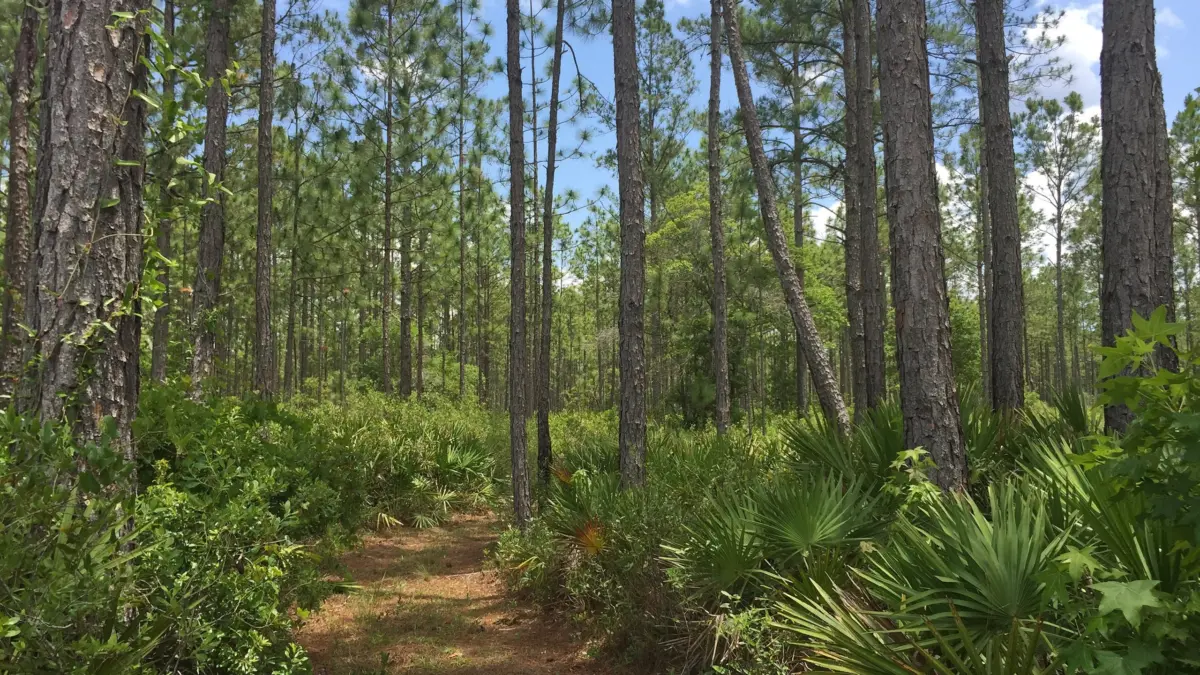
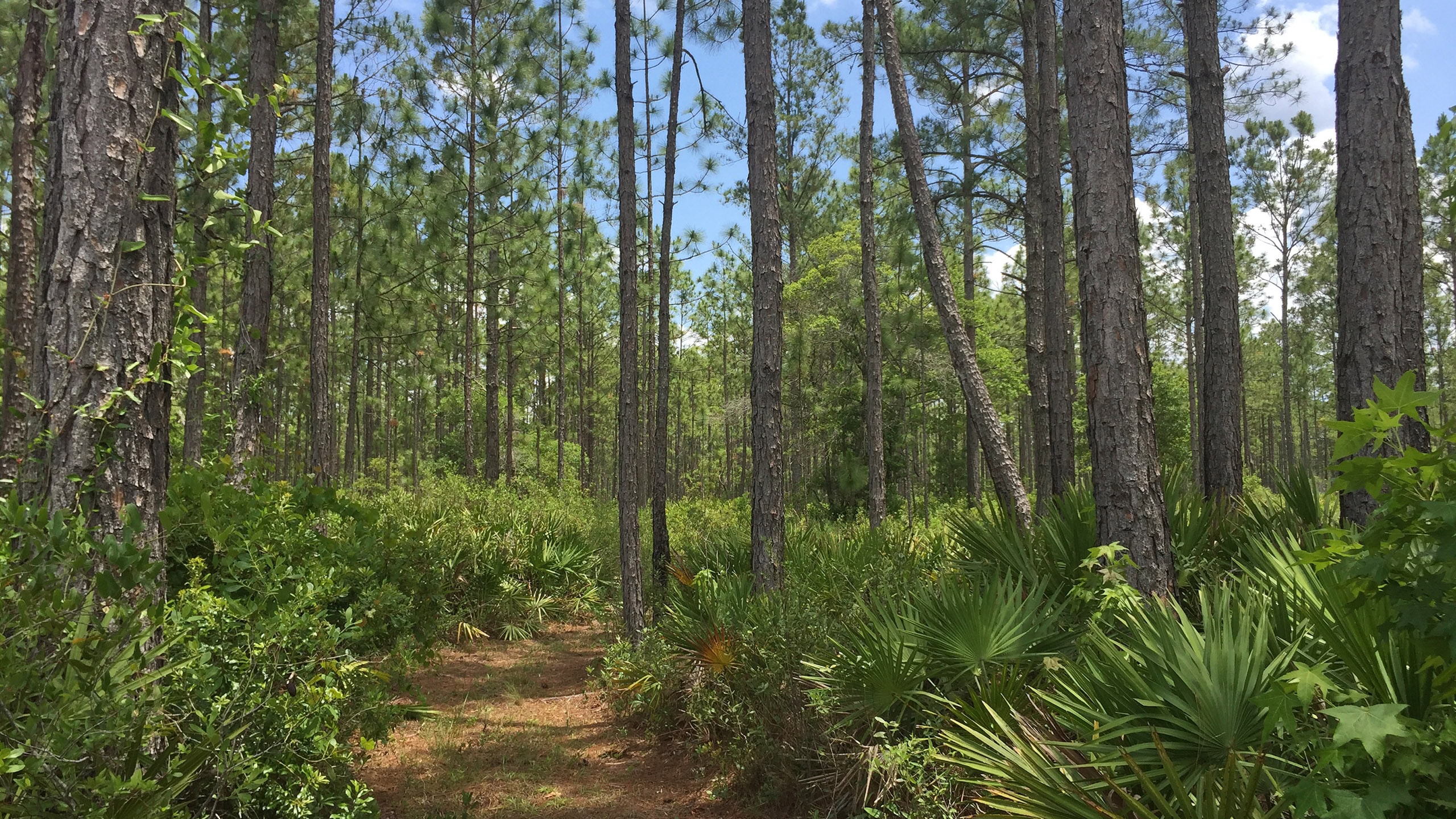
Today, the LEAFS Preserve South Tract functions not only as an essential sanctuary for native flora and fauna but also as an accessible destination for nature enthusiasts, hikers, and researchers. Anchored by the 1-mile Longleaf Trail—a flat, easy-to-navigate loop utilizing mowed footpaths and historic forest roads—the preserve offers visitors an up-close look at the intricate dynamics of a restored flatwoods ecosystem. With its higher ground profile relative to its northern counterpart, the South Tract presents a resilient, thriving landscape that exemplifies the successful intersection of grassroots conservation and professional land management.

Detailed Chronology
The history of the LEAFS Preserve South Tract is a narrative of long-term vision, institutional evolution, and meticulous ecological care. The timeline of this 90-acre sanctuary unfolds across three distinct eras:

1993: Establishment and Early Stewardship
The origins of the preserve date back to 1993, when the Longleaf Ecology and Forestry Society formally established the site. At a time when large-scale ecological restoration was still gaining mainstream traction, the founders recognized the critical need to preserve vanishing longleaf pine flatwoods in North Central Florida. Early efforts focused heavily on reversing decades of suppression and habitat degradation. Volunteers and conservationists initiated controlled management protocols, cleared invasive or choking undergrowth, and planted juvenile longleaf pines to restore the structural integrity of the canopy.

1993–2022: Three Decades of Growth and Maturation
Over the subsequent thirty years, the South Tract evolved from a rehabilitation project into a mature, functioning showcase of longleaf flatwoods habitat. Management strategies during this era prioritized the reintroduction of periodic prescribed fire—a vital natural mechanism for longleaf pine ecosystems. Controlled burns cleared out excessive accumulations of saw palmetto and gallberry, stimulated the germination of native groundcover seeds, and prevented the encroachment of hardwood species. Throughout this period, the tract also became a vital educational resource, demonstrating how targeted ecological interventions can successfully revitalize compromised timberlands.

2022: Transition to the Alachua Conservation Trust
Ensuring the permanent protection of the land required long-term institutional backing. In 2022, the Longleaf Ecology and Forestry Society formally transferred ownership of the South Tract to the Alachua Conservation Trust. This transition integrated the preserve into ACT’s broader network of conserved lands in North Central Florida. Under ACT’s management, the property received renewed infrastructure support, including updated trail mapping, ongoing maintenance of fire lines, and formalized public access guidelines, all while preserving the core ecological integrity established by its founders.

Supporting Context & Metrics
Understanding the ecological significance of the LEAFS Preserve South Tract requires examining the specific environmental conditions, geographical parameters, and logistical metrics that govern the property:

Ecological Profile
- Ecosystem Type: Longleaf pine flatwoods (Pinus palustris), historically one of the most dominant ecosystems in the American Southeast, characterized by an open canopy of longleaf pines and a rich, diverse understory of grasses, shrubs, and wildflowers.
- Flora & Fauna Highlights:
- Canopy & Understory: Candle-stage longleaf pines, dense saw palmetto (Serenoa repens), gallberry (Ilex glabra), low-bush blueberry, dwarf pawpaw (Asimina incana), and chalky bluestem (Andropogon virginicus).
- Topography: Sits on relatively high ground compared to the adjacent North Tract, featuring minor elevational dips where wetland indicators such as bay trees occasionally transition into the pine matrix.
- Acreage: 90 contiguous acres.
Visitor Logistics and Infrastructure
- Trail System: The Longleaf Trail, a 1-mile loop trail constructed from mowed footpaths and historic forest roads. The route features numbered interpretive posts corresponding to trail guides and clear directional arrows at firebreak intersections.
- Geographical Location: Situated just east of U.S. Route 301 in Waldo, Florida (Alachua County).
- Trailhead Coordinates: 29.76513, -82.13623
- Physical Address: 11985 NE CR 1471, Waldo, FL.
- Operating Hours: Open daily from sunrise to sunset.
- Admission Fees: Free to the public.
- Pet Policy: Leashed dogs are welcome.
- Amenities: No restrooms are available on-site; visitors are encouraged to plan accordingly.
Official Statements
The safeguarding and ongoing interpretation of the LEAFS Preserve South Tract reflect a unified commitment among local conservation entities to prioritize biodiversity and public environmental education.

Representatives from the Alachua Conservation Trust have consistently emphasized the importance of community-focused land stewardship. In programmatic briefs and conservation announcements surrounding the 2022 transfer, ACT leadership highlighted that preserving tracts like the LEAFS property is essential not only for climate resilience and wildlife corridors, but also for connecting local residents to the natural heritage of the Floridan aquifer region. By maintaining accessible trail systems such as the Longleaf Trail, the trust aims to foster a deeper public appreciation for controlled-fire management and native habitat preservation.

Furthermore, environmental historians and forestry advocates note that the success of the South Tract serves as a regional benchmark. The decades-long transformation from a fragmented landscape into a structurally sound pine flatwoods ecosystem demonstrates that proactive, science-based intervention can successfully restore native flora even after decades of environmental alteration.

Future Outlook
As the LEAFS Preserve South Tract moves further into its fourth decade of existence, its role within the regional conservation network of North Central Florida is more critical than ever. Rapid regional growth and suburban development place continuous pressure on remaining natural habitats, making protected green spaces vital refuges for native biodiversity.

Looking ahead, the Alachua Conservation Trust plans to maintain rigorous active management protocols on the property. This includes the continued execution of seasonal prescribed burns—essential for maintaining the open, park-like understory required by longleaf-dependent species—as well as ongoing trail maintenance to ensure safe, low-impact public access. By balancing active ecological restoration with thoughtful community engagement, the LEAFS Preserve South Tract will continue to serve as an enduring model of environmental stewardship for generations of hikers, naturalists, and conservationists to come.

0 Comments