

TALLAHASSEE, Fla. — As democratic systems worldwide face unprecedented stress tests from polarization, eroding public trust, and institutional decay, the question of why citizens obey—or actively subvert—governing bodies has never been more urgent.
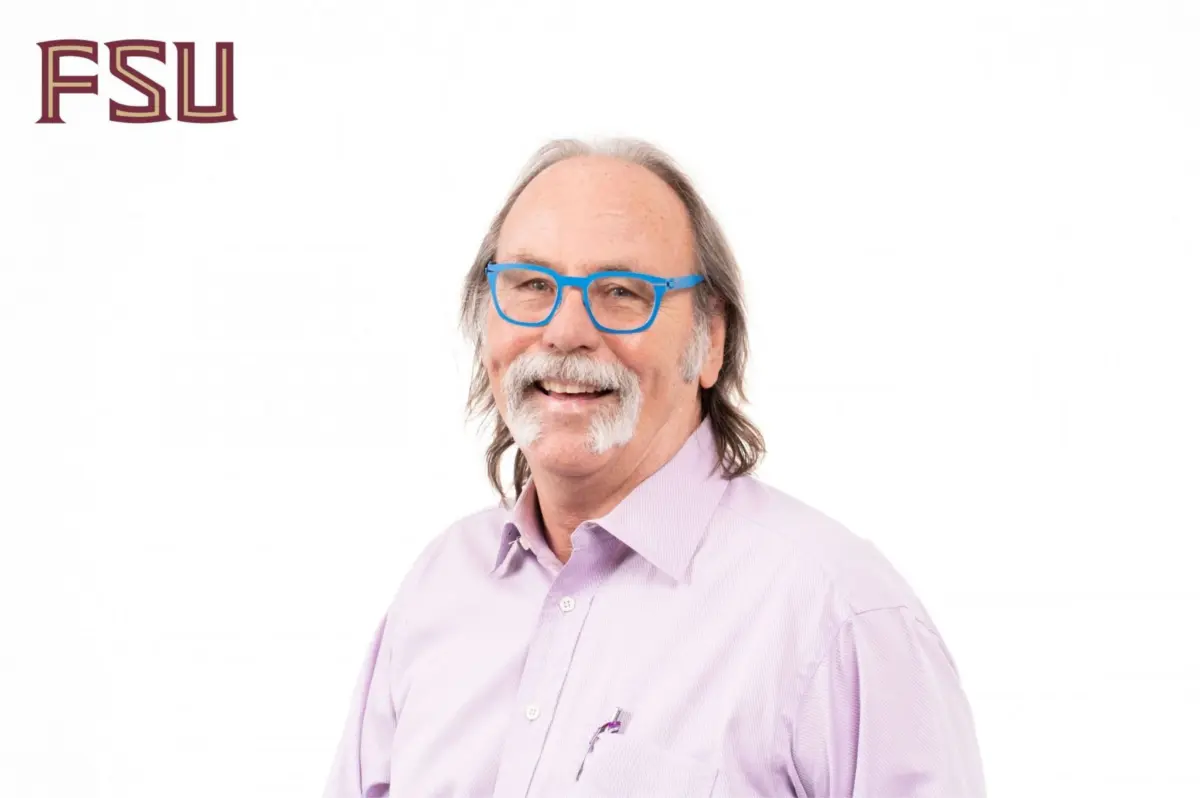
To address this defining crisis of modern governance, the Florida State University (FSU) Department of Political Science is set to host a major public lecture by one of the field’s most distinguished scholars. James L. Gibson, FSU’s newly appointed Provost’s Research Professor of Political Science, will deliver a keynote address titled “Legitimacy: The Theory of the Century.”
Drawing on more than four decades of empirical research, Gibson’s lecture will explore the foundational mechanics of sociological legitimacy, examining how political, legal, and economic institutions derive their authority—and, crucially, how that authority can rapidly evaporate during periods of democratic backsliding.
The event, which is free and open to students, faculty, and the general public, represents a major academic highlight for FSU’s College of Social Sciences and Public Policy (COSSPP). It offers a rare opportunity for the academic community and the public to engage directly with a scholar whose work has fundamentally shaped modern political science.
Executive Overview
The upcoming lecture by Professor James L. Gibson arrives at a critical juncture for domestic and international politics. Across the globe, foundational democratic institutions—from courts and electoral bodies to legislative assemblies and executive offices—are experiencing a profound crisis of confidence. Public trust has plummeted to historic lows, and populist movements frequently challenge the basic rules of the democratic game.
Gibson’s address aims to demystify these turbulent dynamics by returning to core theoretical principles. Broadly defined, sociological legitimacy measures the extent to which a population recognizes the rightful authority of political and legal institutions, leading to voluntary compliance even when citizens disagree with specific outcomes or policies. When legitimacy fractures, governance transitions from reliance on voluntary cooperation to coercion, setting the stage for democratic erosion or collapse.
By synthesizing decades of survey data, cross-national comparisons, and behavioral analysis, Gibson will unpack how institutions build, maintain, and—most importantly—lose the public trust necessary for survival. The lecture serves not only as an academic evaluation of democratic resilience but also as a vital public discourse on the future of self-governance.
Detailed Chronology and Event Logistics
The public lecture and subsequent reception are scheduled to take place on the campus of Florida State University in Tallahassee. The itinerary is structured to allow both formal academic presentation and informal dialogue between the speaker, faculty members, students, and community attendees.
Event Schedule
- Date: Tuesday, Oct. 13, 2026
- Lecture Start Time: 3:30 P.M. EST
- Reception: 4:30 P.M. EST (immediately following the lecture)
- Venue: Beth Moor Lounge, Longmire Building
- Address: 125 Convocation Way, Tallahassee, FL 32306
Event Structure
The afternoon will commence promptly at 3:30 P.M. in the historic Beth Moor Lounge, located within the Longmire Building. Professor Gibson will deliver his core presentation, “Legitimacy: The Theory of the Century,” weaving historical context with cutting-edge empirical research. Following the formal address and a designated question-and-answer session, attendees are invited to a reception starting at 4:30 P.M. This networking session will provide an opportunity for students and colleagues to converse with Gibson, Department of Political Science leadership, and COSSPP faculty.
Admission is entirely complimentary, and no prior registration is required, though early arrival is strongly encouraged due to anticipated high attendance from both the campus community and local policy observers.
Supporting Context & Metrics: The Science of Legitimacy and Gibson’s Academic Legacy
To fully understand the significance of Professor Gibson’s upcoming address, one must examine both the theoretical weight of "legitimacy" as a political science construct and the remarkable career of the scholar delivering it.
Deconstructing Legitimacy in the 21st Century
In political science, "legitimacy" is distinct from mere popularity or temporary approval ratings. While a government or judicial body may experience low approval due to unpopular policy decisions, high systemic legitimacy ensures that citizens continue to accept judicial rulings, election outcomes, and legislative mandates as binding and morally correct.
However, contemporary research highlights a dangerous phenomenon: democratic backsliding. When political actors routinely attack the integrity of elections, delegitimize judicial systems, or undermine constitutional norms for partisan gain, the foundational reservoir of public legitimacy can be systematically drained. Gibson’s decades of scholarship have consistently tracked these vulnerabilities, offering precise metrics on how public tolerance and institutional loyalty interact under stress.
A Career Defined by Impact
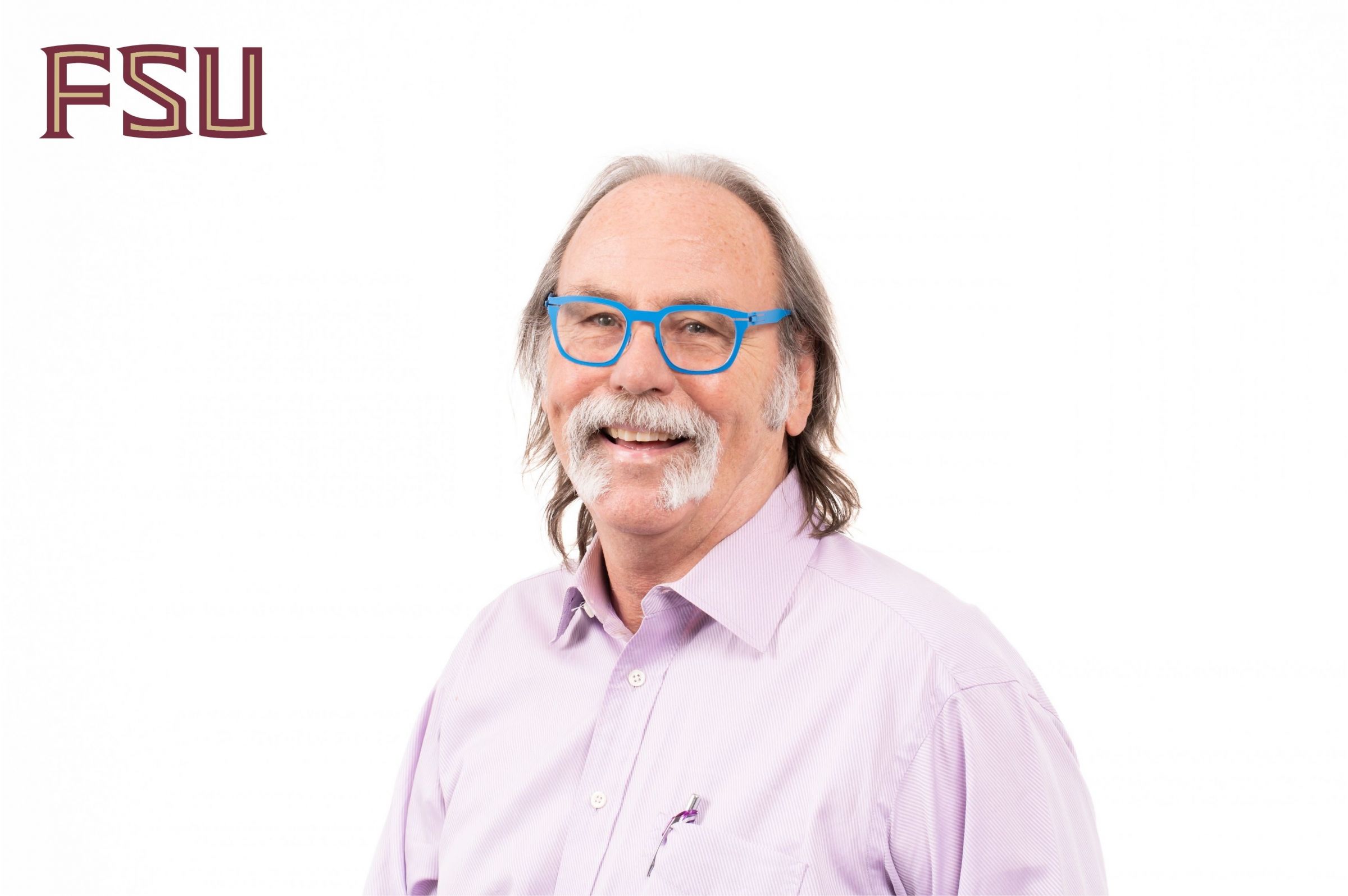
Professor Gibson joined the Florida State University faculty this fall as the Provost’s Research Professor of Political Science, marking a major coup for the university’s academic profile. Prior to his arrival at FSU, Gibson built a towering international reputation for his empirical investigations into democratic legitimacy, political tolerance, and public support for legal institutions.
His CV is punctuated by monumental scholarly achievements:
- Prolific Publication Record: Gibson is the author or co-author of more than 100 peer-reviewed scholarly articles and several definitive books. Notable recent works include Democracy’s Destruction? (2024) and Black and Blue (2018), both of which examine the fragility of democratic norms and the complexities of public trust in legal frameworks.
- National and International Accolades: In recognition of his lifetime contributions to the empirical study of elections, public opinion, and voting behavior, Gibson was awarded the prestigious Warren E. Miller Award in 2026 by the American Political Science Association (APSA). This accolade places him among the absolute elite of political behavior researchers worldwide.
The Host Institution: FSU’s Department of Political Science and COSSPP
The lecture is organized and hosted by FSU’s Department of Political Science, a powerhouse of research and pedagogy housed within the College of Social Sciences and Public Policy (COSSPP).
The department occupies a central pillar in the university’s academic ecosystem:
- Student Scale: Home to approximately 1,300 majors, the department accounts for roughly one-third of all undergraduate students enrolled in COSSPP.
- Research Excellence: FSU political science faculty are consistently recognized globally for their research productivity, citation influence, and active engagement in contemporary public policy debates.
- Global Ph.D. Program: The department’s doctoral program attracts top-tier graduate students from around the globe, training the next generation of academic leaders, researchers, and public intellectuals.
- Innovative Experiential Learning: Through programs like the Applied Politics & Policy Learning Experience (APPLE)—noted as the only initiative of its kind nationwide—undergraduate students receive hands-on professional training, interning directly within the Florida Legislature and in Washington, D.C.
Official Statements and Institutional Perspectives
University leadership has expressed immense enthusiasm regarding Professor Gibson’s arrival on campus and the upcoming delivery of his marquee lecture.
"Bringing a scholar of Professor James Gibson’s caliber to Florida State University represents a monumental step forward for our Department of Political Science and the broader College of Social Sciences and Public Policy," said department leadership in a joint statement. "His work on legitimacy and democratic resilience is not merely theoretical; it addresses the core anxieties of our modern political era. We are honored to provide a platform for him to share his decades of insights with our students, faculty, and the Tallahassee community."
Faculty members within COSSPP have similarly emphasized the timely nature of the lecture. In an era where democratic norms are frequently debated across cable news networks and social media feeds, Gibson’s empirical, data-driven approach offers a necessary antidote to partisan noise.
"When we talk about the health of a democracy, we often speak in abstractions," noted one senior COSSPP faculty member. "Jim Gibson’s contribution to the field has been taking those abstractions and turning them into measurable, testable science. Understanding how legitimacy is lost—and how it might be restored—is perhaps the most pressing intellectual challenge of our time."
Future Outlook: The Ripple Effects of Gibson’s Research at FSU
Professor Gibson’s appointment and his upcoming "Legitimacy: The Theory of the Century" lecture signal an exciting trajectory for Florida State University. As FSU continues to cement its status as a top-tier preeminent research institution, attracting world-class scholars like Gibson elevates the intellectual rigor of both undergraduate and graduate classrooms.
Looking forward, the insights shared on Oct. 13 are expected to spark extended campus-wide dialogues, influencing upcoming coursework, faculty research collaborations, and student-led policy discussions. For the undergraduate and graduate students fortunate enough to study under Gibson’s guidance, access to a scholar who has fundamentally mapped the contours of public opinion and democratic survival is invaluable.
Ultimately, Gibson’s lecture will challenge attendees to look past the day-to-day political headlines and confront the structural underpinnings of civil society. In doing so, FSU continues its mission to foster informed civic engagement, rigorous scientific inquiry, and a deeper understanding of the democratic institutions that bind society together.
For more information regarding the Department of Political Science or upcoming college events, visit the official COSSPP website or explore the Department of Political Science portal.

0 Comments