

Executive Overview
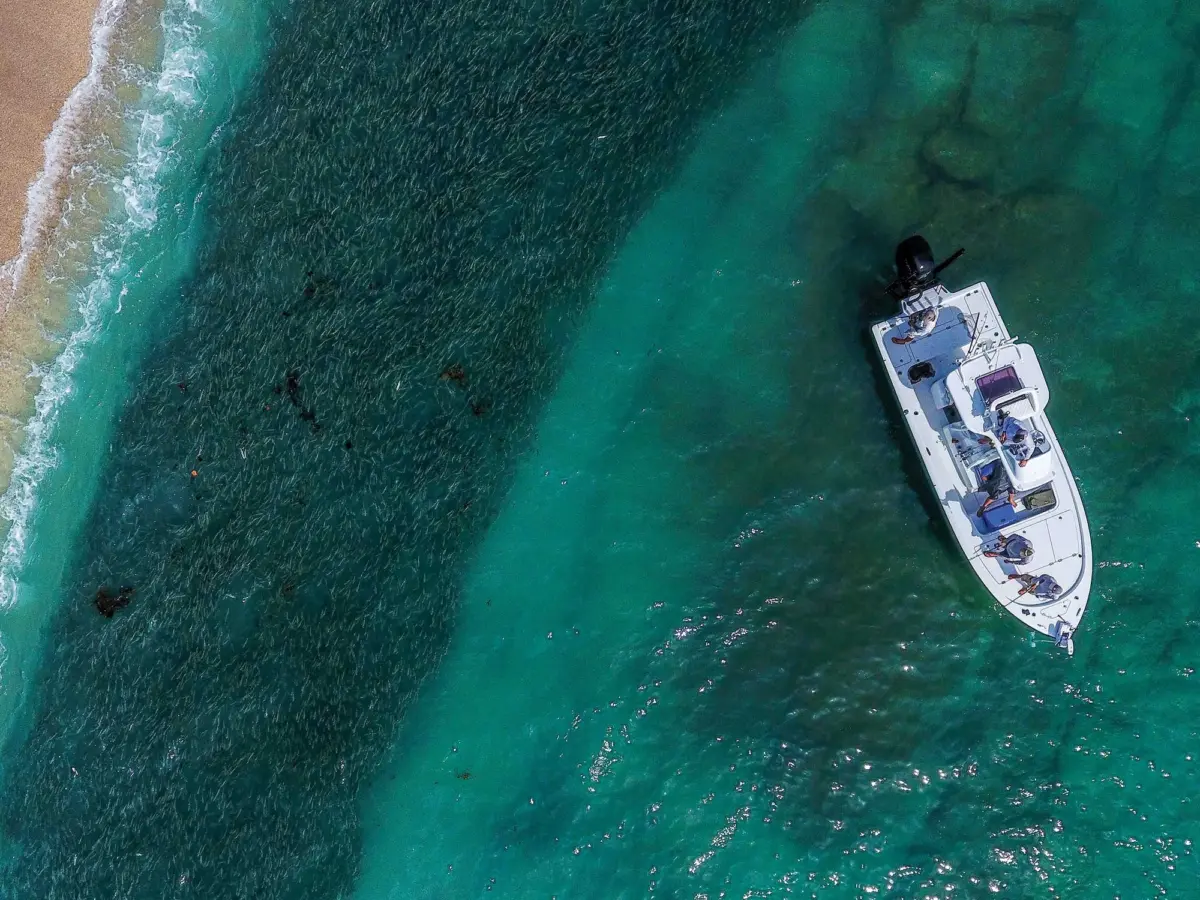
Every autumn, stretching from September well into November—and occasionally bleeding into the heart of December—the coastal ecosystems of the Atlantic Seaboard and the Gulf of Mexico undergo a dramatic transformation. Millions of mullet pour out of brackish rivers, sprawling bays, and secluded estuaries in a marine migration that rivals terrestrial spectacles like the great migrations of the Serengeti or the mass movements of migratory birds. Comprising a mix of silver mullet (Mugil curema) and striped mullet (Mugil cephalus), these baitfish schools range in size from delicate 2-inch fingerlings to hefty 3-pound adults.
For recreational and professional anglers alike, the fall mullet run is the premier event of the fishing calendar. It creates a vast predatory gauntlet where apex inshore gamefish, pelagic marauders, and coastal sharks congregate to gorge on an endless supply of marine protein. Understanding the mechanics of this migration, the behaviors of the targeted species, and the precise tactics required to successfully present a bait or lure amid absolute chaos is the difference between an unforgettable day on the water and a frustrating shutout. This report offers an authoritative deep-dive into the biology of the run, regional hotspots, gamefish behaviors, and proven angling strategies to maximize your success during nature’s ultimate forage feast.
Detailed Chronology & Biological Drivers
The Catalyst: Salinity, Spawning, and Survival
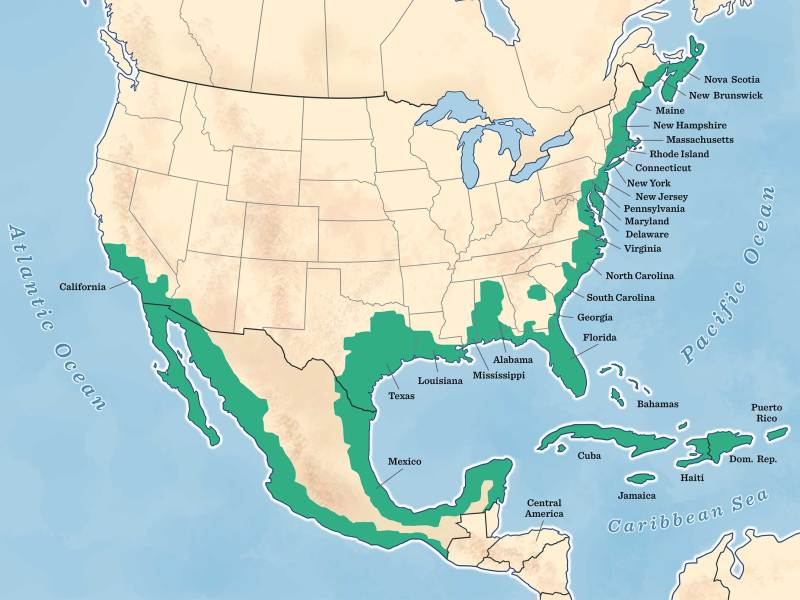
While marine biologists continue to study the precise environmental triggers, the prevailing consensus points toward salinity gradients and photoperiod shifts as the primary catalysts for the run. As summer transitions into fall, cooling water temperatures and changing weather patterns compel adult mullet to leave their estuarine nurseries. Driven by an innate biological imperative, these fish seek out specific oceanic salinity levels required to successfully release eggs and milt for offshore spawning.
Marine research along the Gulf of Mexico has documented white mullet making lateral migrations of up to 100 miles, moving strategically east and west to find the ideal environment, while Atlantic coastal populations march aggressively southward. Along the way, these dense pods hug the surf zones, weave through inlets, and occasionally push miles offshore.
A Three-Month Timeline of Chaos
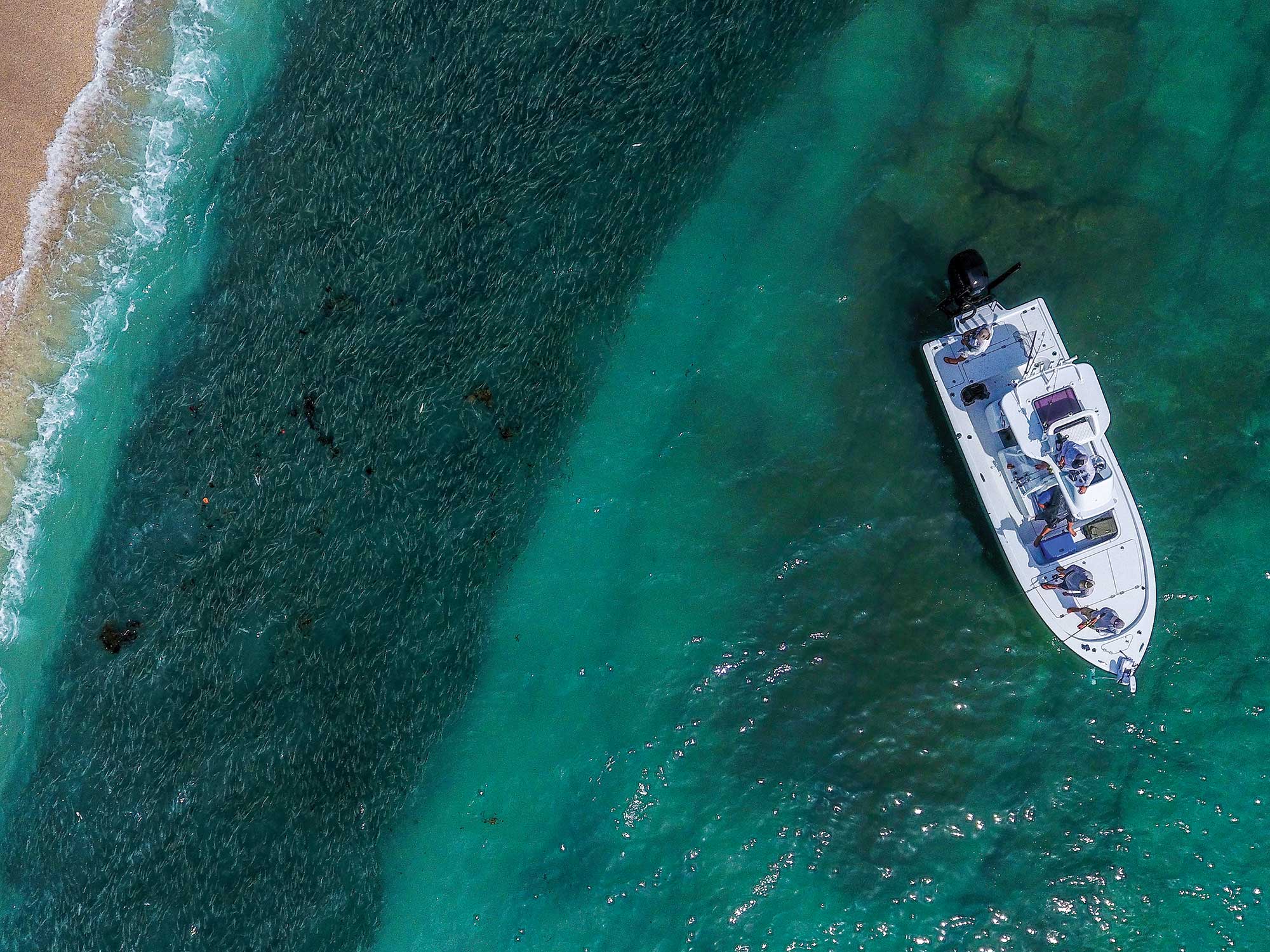
- September (The Kickoff): The run typically initiates in the northern reaches of the Atlantic Coast (the Carolinas and northern Georgia) as early-season cold fronts push water temperatures down. Smaller finger mullet lead the charge, hugging the shallow breakers and exciting juvenile and adult gamefish alike.
- October (The Peak): The migration hits full stride from central Florida down through the keys and into the Gulf Coast. Massive, multi-acre schools of adult striped mullet turn the ocean surface a dark, coffee-stained brown. Predator species reach peak densities along the beaches and inlets.
- November into December (The Finale): The final waves of large adult mullet push through south Florida waters or complete their offshore spawning cycles. While the sheer volume of bait begins to taper off, the remaining fish are heavily targeted by opportunistic predators looking to pack on winter fat reserves.
Supporting Context, Ecosystem Dynamics, and Target Species
The sheer density of the mullet migration turns the coastal marine food web completely upside down. Rather than hunting selectively, apex predators adopt a strategy of opportunistic gluttony. However, each gamefish species reacts to the mullet run with distinct behavioral patterns and geographic strongholds.
Raging Redfish in the Surf and Inlets
Along the southeast coast, the autumn redfish spawning run coincides precisely with the arrival of the mullet. Oversize "bull" redfish—many of which exceed legal harvest limits and must be safely released—swarm the lower rivers, inlets, and sounds to capitalize on the protein windfall.
Anglers targeting redfish during the run typically hit the water at daybreak. They scan slick, calm waters for the telltale dark, bronze-colored profiles of bait pods "nosing" the surface, usually within a few hundred yards of the breaking surf. A gentle northeast breeze is considered the gold standard for this fishery, as it stacks the baitfish tightly against the shoreline, trapping them where redfish and astute anglers can ambush them.
Snook Feeding Orgies in Florida
While sparse populations of snook can be found north to Daytona Beach, the true snook spectacle begins around Sebastian Inlet south of Cape Canaveral and extends all the way down to Miami and the Ten Thousand Islands.
Capt. Phil O’Bannon, a renowned Charlotte Harbor guide with decades of experience tracking linesiders on both coasts, emphasizes the critical importance of matching the hatch. "One important key for snook is to match the size bait to the size mullet in a school where linesiders are feeding," O’Bannon advises. "If, for example, bait pods are holding mostly mullet in the 6-inch range, that’s the size bait to employ, preferably caught from the same schools snook are hitting."
Tarpon on a Tear
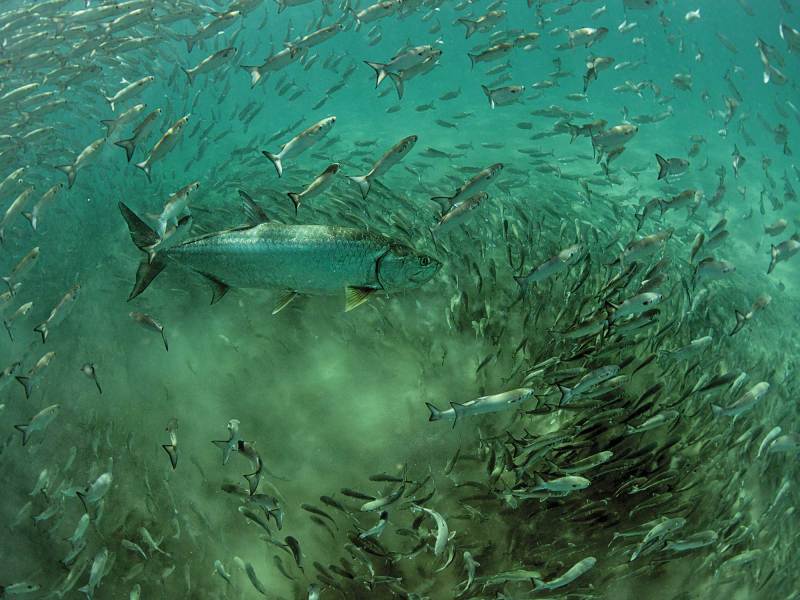
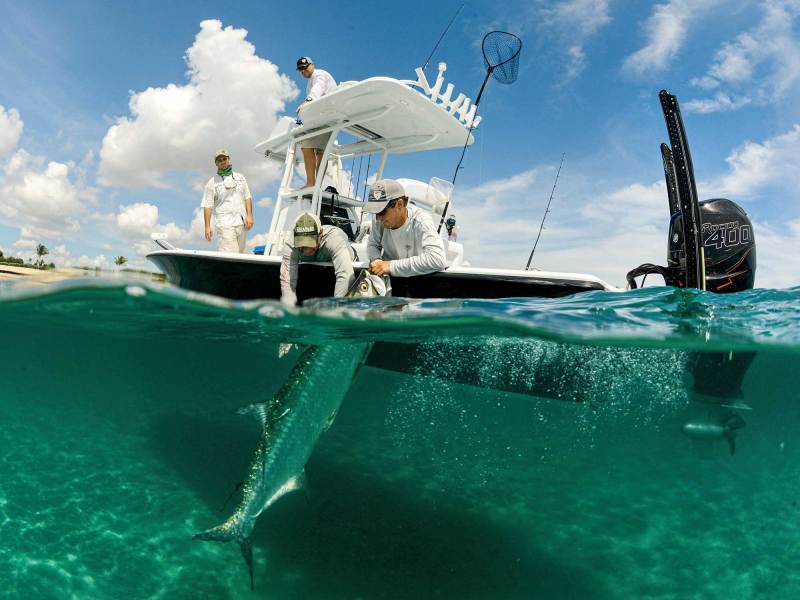
There is perhaps no more exhilarating arena for tarpon fishing than the Atlantic and Gulf beaches during the mullet run. From the Carolinas through the Sunshine State, "silver kings" carve violent swaths through giant bait pods. A single explosive lunge from a 150-pound tarpon can send dozens of panicked mullet airborne, leaving an unlucky baitfish to instantly disappear into a cavernous gill plate.
The primary challenge for fly-rodders and conventional anglers alike is convincing a tarpon to select a hooked offering when it is surrounded by thousands of identical, unencumbered real fish. Precise presentation, stealthy boat handling, and maintaining your nerve when a prehistoric fish goes ballistic are absolute prerequisites for success.
Kingfish, Barracuda, and Pelagic Marauders
As bait schools venture further offshore—sometimes extending a mile or two beyond the breakers—pelagic predators join the fray. Twenty-pound-class king mackerel and fierce barracudas make their presence known with high-speed slashing attacks.
Because both species possess formidable teeth, wire leaders are non-negotiable. When live-baiting, tandem-hook trolling rigs are essential because kings and ‘cudas have a notorious habit of clipping the rear ends of live baits rather than swallowing them whole. Slow-trolling around deepwater mullet pods requires immense discipline: anglers must resist the urge to drive directly through the school, which sputters and scatters the bait, thereby drawing the predators away from your presentation.
Jacks, Blues, and Spanish Mackerel
While granders like tarpon and oversized redfish steal the headlines, secondary players like jack crevalle, bluefish, and Spanish mackerel provide some of the most frantic, action-packed fishing of the season. When a swarm of 15-pound yellow-tinged jack crevalle blitzes a mullet school, the resulting surface chaos can be heard from hundreds of yards away. Fly-rodders and light-tackle enthusiasts can experience unmatched rod-bending action during these explosive feeding frenzies.
Official Perspectives & Expert Insights
Fisheries management agencies and charter captains view the fall mullet run not only as a critical ecological event for marine biomass distribution, but also as a vital economic engine for coastal communities.
State wildlife conservation commissions consistently remind anglers to practice ethical catch-and-release handling—particularly for oversize breeding stock such as mature redfish and large tarpon—to ensure the long-term health of these fisheries. Furthermore, charter captains stress that ecological awareness is paramount: respecting marine mammal zones, avoiding the disruption of nesting shorebirds along the beaches, and adhering strictly to bag and size limits preserve the integrity of the coastal ecosystem while keeping the sport sustainable for future generations.
Future Outlook & Conservation Challenges
As coastal development, habitat degradation, and shifting climate patterns continue to impact estuarine nurseries along the Atlantic and Gulf coasts, the long-term resilience of the mullet population remains a focal point for marine scientists. Mullet depend heavily on healthy, unpolluted marshlands and mangrove estuaries during their juvenile life stages. Ensuring the protection of these essential fish habitats is vital to guaranteeing that future generations will continue to witness the breathtaking scale of the autumn mullet run.
For the modern angler, the future of the sport relies on adaptability. Utilizing high-tech electronics to locate deepwater bait pods, adopting conservation-minded tackle practices, and mastering the art of artificial lure presentation will ensure that you remain a successful participant in one of the planet’s most magnificent marine spectacles.

0 Comments