

Executive Overview
In an era marked by shifting democratic norms, institutional skepticism, and rapid political polarization, the concept of legitimacy has never been more vital—or more fragile. On Tuesday, October 13, 2026, the Florida State University (FSU) Department of Political Science will host a landmark public lecture featuring one of the world’s foremost authorities on democratic behavior, institutional trust, and political tolerance.
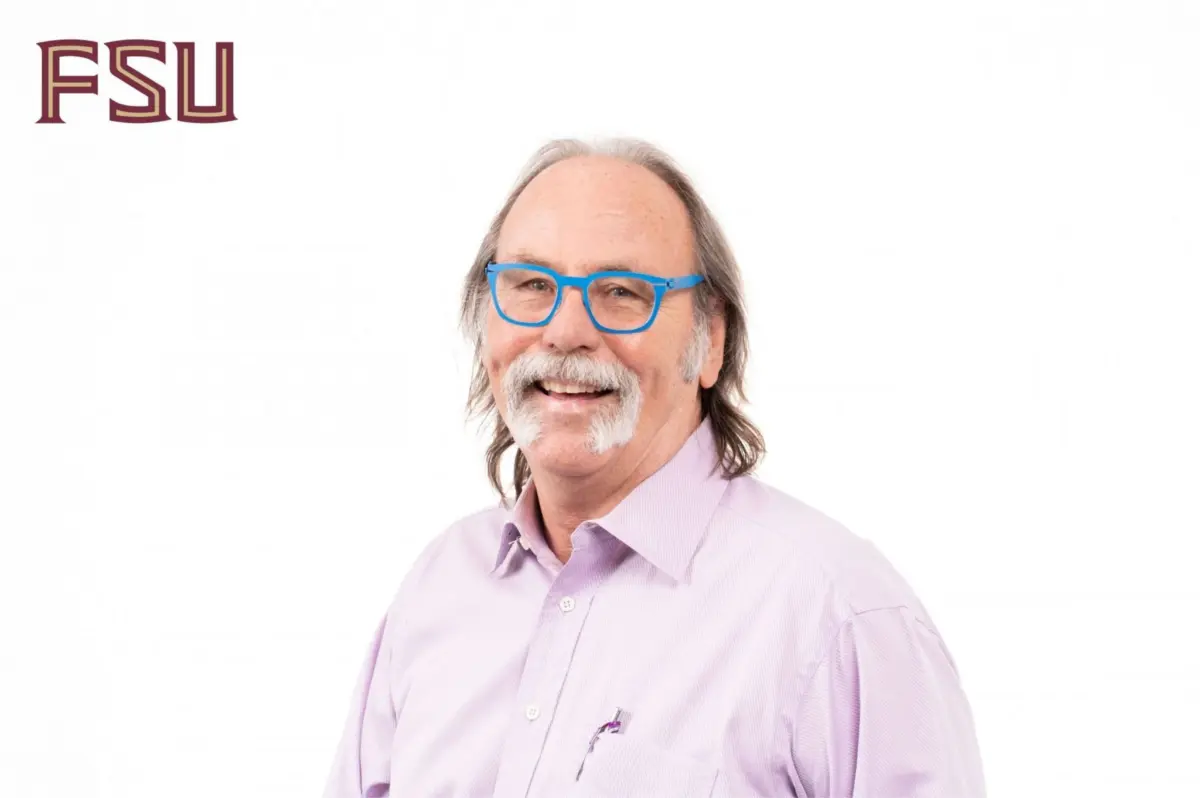
James L. Gibson, FSU’s newly appointed Provost’s Research Professor of Political Science, will deliver a keynote address titled “Legitimacy: The Theory of the Century.” Drawing on a sprawling, four-decade research career that has fundamentally shaped modern political science, Gibson’s lecture will explore the mechanics of sociological legitimacy, examining how vital civic, legal, and political institutions build, maintain, and—most critically—lose the public trust.
The event, which is free and open to the public, arrives at a critical juncture for contemporary democracies worldwide. As nations grapple with the currents of democratic backsliding, populist movements, and rising institutional skepticism, Gibson’s insights offer an empirical roadmap for understanding how public confidence serves as the ultimate bulwark of a functioning republic.
This comprehensive report examines the theoretical framework behind Gibson’s upcoming lecture, explores his illustrious academic pedigree and recent accolades, contextualizes the event within FSU’s expanding footprint in political research, and analyzes the broader implications of institutional legitimacy in the 21st century.
Detailed Chronology: Event Logistics and Core Themes
The Department of Political Science, housed within FSU’s College of Social Sciences and Public Policy (COSSPP), has meticulously organized an afternoon dedicated to rigorous academic discourse and community engagement.
Schedule of Events
- Date: Tuesday, October 13, 2026
- 3:30 P.M. EST: Keynote Lecture – “Legitimacy: The Theory of the Century”
- 4:30 P.M. EST: Public Reception and Networking Session
- Venue: Beth Moor Lounge, Longmire Building
- Address: 125 Convocation Way, Tallahassee, FL 32306
The Core Thesis: What is Sociological Legitimacy?
At its foundational core, sociological legitimacy describes the psychological and civic willingness of a population to recognize and accept the rightful authority of political, legal, economic, and social institutions. Unlike normative legitimacy—which asks whether an institution ought to be obeyed based on moral or philosophical principles—sociological legitimacy measures whether it is obeyed, and whether citizens grant it voluntary compliance even when its decisions run counter to their personal preferences.
During his address, Gibson will unpack how this dynamic plays out across various levels of governance. He will present rigorous empirical data demonstrating how institutions slide down the slippery slope of delegitimization. This process rarely happens overnight; rather, it is often a slow, cumulative erosion catalyzed by corruption scandals, partisan overreach, judicial politicization, and systemic democratic backsliding.
By analyzing decades of cross-national and longitudinal survey data, Gibson aims to show attendees how deeply institutional trust is tied to regime stability—and why the loss of that trust can trigger systemic institutional failure.
Supporting Context & Metrics: The Scholar Behind the Science
To fully appreciate the weight of Gibson’s upcoming lecture, one must examine the extraordinary career of the man delivering it. James L. Gibson joined the faculty at Florida State University this fall as a Provost’s Research Professor of Political Science, instantly elevating the department’s already stellar profile in behavioral political science.
Four Decades of Empirical Inquiry
For over forty years, Gibson’s scholarship has focused squarely on the fault lines of democratic systems. His research agenda has consistently probed three interconnected domains:
- Democratic Legitimacy: How ordinary citizens perceive the authority of courts, legislatures, and executive branches.
- Political Tolerance: The willingness of majorities to extend civil liberties and political rights to disliked or minority groups.
- Public Support for Legal Institutions: The specific conditions under which citizens accept controversial judicial rulings, particularly from high courts.
Gibson’s bibliography is both prolific and profoundly influential. He has authored or co-authored more than 100 scholarly articles in top-tier academic journals and penned several seminal books. Notable among his recent works are Democracy’s Destruction? (2024), which investigates the internal and external threats facing modern democratic governance, and Black and Blue (2018), a deep dive into the complex dynamics of police legitimacy, racial tension, and public trust in law enforcement.
Recent Accolades and National Recognition
Gibson’s arrival at FSU coincides with a crowning achievement in his academic career. Earlier this year, he received the prestigious Warren E. Miller Award from the American Political Science Association (APSA). This honor recognizes scholars who have made sustained, career-long, and transformative contributions to the study of elections, public opinion, and voting behavior.
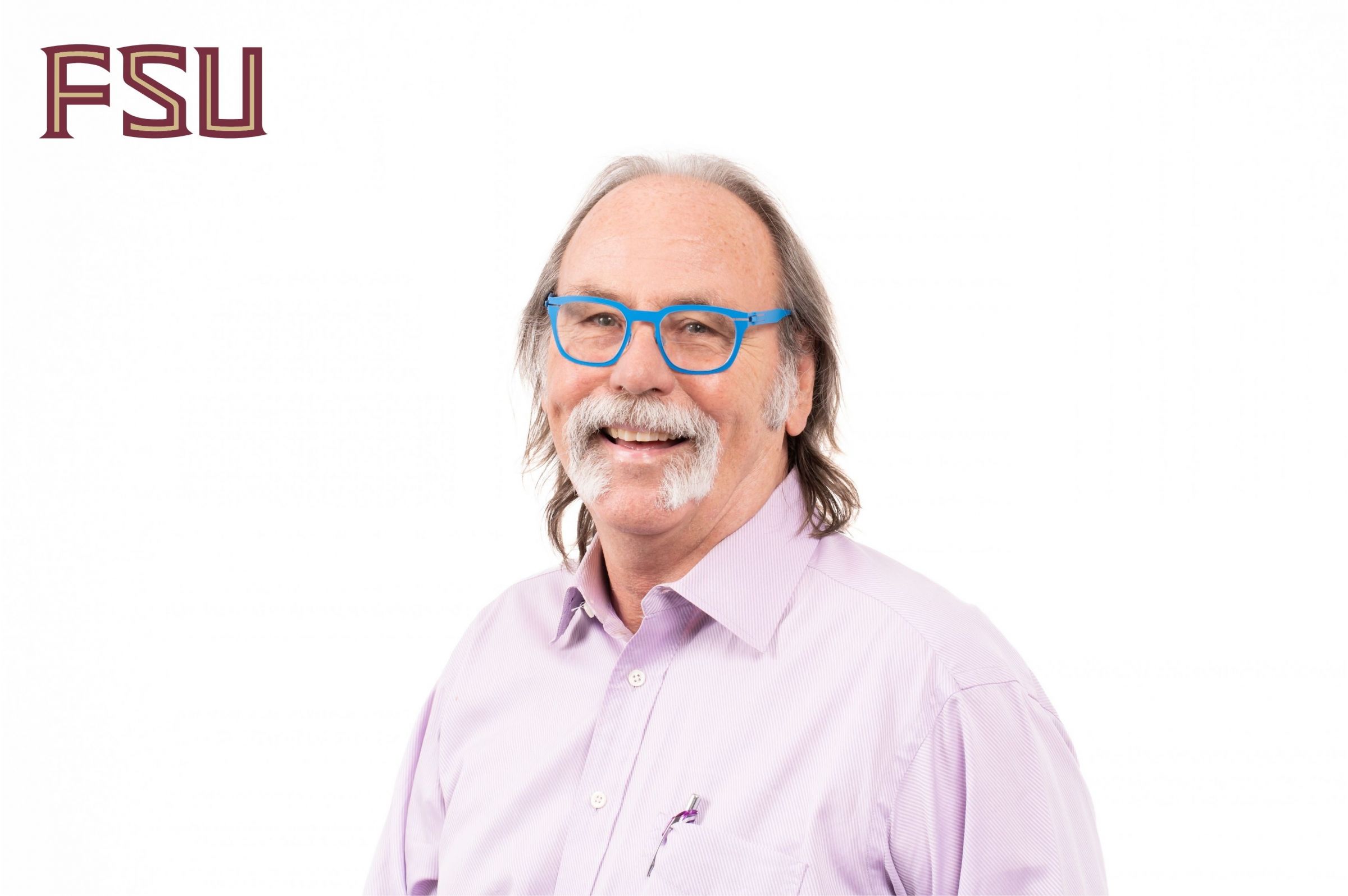
The APSA honor places Gibson in an elite echelon of political scientists whose empirical methodologies have permanently changed how scholars measure what the public thinks—and why it matters.
Official Statements and Institutional Impact
The decision to recruit a scholar of Gibson’s caliber, and to feature his work front and center in departmental programming, speaks volumes about FSU’s strategic ambitions in the social sciences.
The Engine of COSSPP: FSU’s Department of Political Science
The Department of Political Science is one of the crown jewels of Florida State University’s College of Social Sciences and Public Policy (COSSPP). Supporting approximately 1,300 undergraduate majors, the department accounts for roughly one-third of the entire undergraduate student body within COSSPP.
Beyond its sheer size, the department enjoys an international reputation for research productivity, faculty influence, and rigorous doctoral training. Its Ph.D. program routinely attracts top-tier graduate students from around the globe, fostering an intellectual ecosystem where cutting-edge empirical research meets practical policy application.
The APPLE Program: Bridging Theory and Practice
A cornerstone of the department’s undergraduate success is the Applied Politics & Policy Learning Experience (APPLE) program. Recognized as the only initiative of its kind in the United States, APPLE bridges the traditional gap between classroom instruction and real-world political environments.
Through the program, undergraduate students gain hands-on, experiential learning opportunities working directly within the Florida Legislature in Tallahassee as well as federal policy-making arenas in Washington, D.C. By embedding students directly into the machinery of government, the department ensures that the next generation of leaders witnesses firsthand the complexities of political authority and institutional governance that scholars like Gibson study.
Future Outlook: Why Legitimacy Matters in the 21st Century
As the academic community, policymakers, and the general public look toward the remainder of the decade, the questions raised by Professor Gibson’s research will only grow more urgent.
The Global Wave of Democratic Backsliding
In the 21st century, the primary threat to democracy is rarely a sudden, violent military coup. Instead, democracies increasingly erode from within—a phenomenon political scientists term "democratic backsliding." Autocratic-leaning leaders, populist movements, and institutional capture steadily weaken the independent pillars of governance, such as electoral commissions, civil services, and independent judiciaries.
Gibson’s work offers a vital lens through which to view this modern threat. When citizens lose faith in the sociological legitimacy of elections, courts, and legislatures, the social contract frays. Institutions that rely on voluntary compliance find themselves paralyzed, forcing a reliance on coercion rather than consent—a hallmark of authoritarianism.
Looking Ahead
Tuesday’s lecture is more than a routine academic seminar; it is a vital public conversation about the health of our civic architecture. By bringing together students, faculty, civic leaders, and community members in the historic Beth Moor Lounge, Florida State University is reaffirming its commitment to open intellectual inquiry and public education.
For those unable to attend in person, the implications of Gibson’s address will undoubtedly ripple through academic literature, public policy debates, and future classroom discussions across the FSU campus. As democratic societies navigate an uncertain future, the insights of scholars like James L. Gibson provide the intellectual clarity needed to understand—and ultimately safeguard—the pillars of public trust.

0 Comments