

Executive Overview
For centuries, the growth of human civilization and the degradation of aquatic ecosystems walked hand in hand. As North America’s largest metropolises expanded outward from their natural harbors and river mouths, industrialization, urban runoff, and heavy commercial exploitation heavily depleted local fish populations. For generations, the conventional wisdom held that if an angler wanted a pristine, high-action day on the water, they had to pack up their gear, leave the city far behind, and journey deep into remote wilderness or offshore oil rigs.
However, a quiet revolution has unfolded over the past few decades. Thanks to decades of aggressive environmental legislation—most notably the Clean Water Act—alongside forward-thinking municipal conservation initiatives, strict catch-and-release ethics, and habitat restoration projects, America’s coastal cities are experiencing a remarkable ecological renaissance. Today, Boston, Baltimore, Tampa, San Diego, Seattle, and Honolulu host some of the most dynamic, high-stakes urban fisheries on the planet.
These metro-adjacent waters are no longer merely historical shipping channels or polluted municipal runoffs; they are thriving marine ecosystems where serious anglers can challenge their skills, target trophy-class gamefish, and satisfy their angling passions without ever leaving the city limits. This report explores six premier urban fisheries, detailing the local species, expert tactics, specialized gear, and logistical realities of chasing wild fish in the shadow of skyscrapers.
Detailed Chronology: The Evolution of the Urban Fishery
To understand how bustling metropolitan ports transformed into world-class sportfishing destinations, one must examine the historical timeline of human-waterfront interaction in North America.
Phase 1: Industrial Exploitation and Decline (Late 19th to Mid-20th Century)
During the height of the Industrial Revolution, American cities viewed coastal waterways primarily as convenient dumping grounds and maritime highways. Rivers flowing through Boston, Baltimore, and Seattle were dammed, channelized, and heavily polluted with industrial effluent, municipal sewage, and heavy metals. Migratory fish stocks—such as Atlantic salmon, striped bass, and shad—suffered catastrophic declines as spawning runs were blocked by dams and choked by pollution. Sportfishing within city limits was largely written off as a lost cause.
Phase 2: The Environmental Awakening (1970s – 1990s)
The passage of landmark environmental laws in the 1970s, including the Clean Water Act and the Marine Mammal Protection Act, laid the legal foundation for recovery. Municipalities were forced to upgrade wastewater treatment facilities, and heavy industry began cleaning up its act. Concurrently, progressive fisheries management introduced size limits, bag limits, and seasonal closures for vulnerable species like striped bass and tarpon.
Phase 3: The Urban Fishing Renaissance (2000s – Present)
By the turn of the 21st century, the ecological health of urban harbors had improved dramatically. Water clarity increased, dissolved oxygen levels rebounded, and forage species like menhaden, herring, and squid returned in massive numbers. Apex predators followed the food chain back into the heart of the city. Today, a new breed of "commando" and kayak anglers exploit these recovering waters, utilizing advanced electronics, specialized shallow-water tactics, and intimate local knowledge to pull trophy fish from under highway bridges and off city beaches.
Supporting Context & Metrics: Six Metros, Six Unique Ecosystems
While each urban fishery is shaped by its unique geography, oceanography, and regional climate, they all share one common thread: exceptional angling accessibility for those willing to brave the concrete jungle.
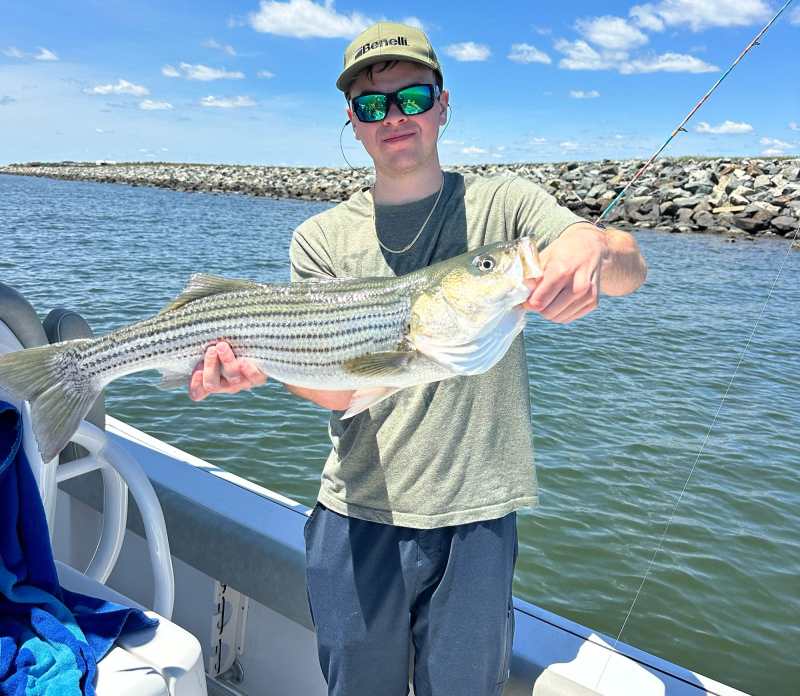
1. Boston, Massachusetts: Beantown Bruisers
- Target Species: Striped bass (Morone saxatilis)
- The Vibe: Gritty, highly technical, and cold-weather resilient.
- Habitat: Rocky shorelines, swift tidal currents, urban piers, and harbor islands.
Boston Harbor and its surrounding coastal tributaries represent a legendary stronghold for migratory striped bass. Long-time local anglers like Eric Harrison, who has spent decades exploring the harbor’s hidden access points, note that the fishing is as diverse as it is challenging. "Boston is full of fishy areas, but the best spots are not easy to access," Harrison explains, joking that while he will reveal his striper hotspots, his parking spots remain top-secret.
The dedication of Boston’s urban fishing community is highlighted by its winter fishery. A dedicated squad of anglers targets striped bass through the coldest months of the year, proving that the fish—and the fishermen—refuse to hibernate.
Recommended Tackle and Tactics for Boston Stripers:
- Rod & Reel: A 9-foot shore-casting rod paired with a 5000-sized spinning reel for land-based anglers; a 7-foot setup for kayaks and boats.
- Line: 40-pound-test braided main line with a 40-pound fluorocarbon leader.
- Lures: 7-inch straight-tail soft plastics, swimming plugs, and walk-the-dog topwater lures. Topwater strikes serve as an invaluable indicator, signaling that active schools of bass are hunting in the area.
2. Baltimore, Maryland: Charm City Rocks
- Target Species: Resident and migratory striped bass (rockfish)
- The Vibe: Industrial, historical, and fast-paced.
- Habitat: Seawalls, docks, jetties, bridge pilings, and deep river holes.
Operating in the shadow of historical monuments like Fort McHenry and the Francis Scott Key Bridge, Baltimore offers some of the most unique urban light-tackle fishing on the East Coast. Captain Chuck Hill of Chill’s Light Tackle Guide Service emphasizes that Baltimore’s Patapsko River system is packed with structural elements that hold fish.
"All of the seawalls, docks, jetties, and bridge pilings hold rockfish," Hill reveals. The fishery is exceptionally accessible, boasting numerous public launch ramps and shore-fishing parks such as Fort Armistead, Fort McHenry, and Hart Miller Island.
Seasonal Strategies in Baltimore:
- Spring & Fall: Prime seasons for artificial lures and light-tackle casting.
- Summer: Live-bait fishing utilizing spot or perch on a fish-finder rig around deep channels.
- Winter: Resident stripers congregate in the Patapsko River, actively feeding on jerkbaits, jigs, and topwater lures. Hill favors deep- and shallow-diving jerkbaits (such as the Strike King 10K KVD) and 4.75-inch KVD Shadalicious soft plastics rigged on a ¾-ounce jig head to probe deep holes.
3. Tampa, Florida: Cigar City ‘Poons
- Target Species: Tarpon (Megalops atlanticus)
- The Vibe: Sun-drenched, high-adrenaline, and deeply technical.
- Habitat: Deep-water bridges, piers, coastal passes, and tidal eddies.
Tampa Bay is widely recognized as a premier global destination for tarpon, but few casual observers realize that some of the best action takes place right in the middle of heavily populated municipal zones. Jose Chavez, a lure designer for Z-Man who cut his teeth fishing Tampa’s underground spots, notes that a hardcore subculture of urban anglers relentlessly pursues "silver kings" from public piers and passes.
Tarpon are present in the bay year-round, but early summer brings peak action. "If you can’t catch a tarpon in May and June, you should take up golf," Chavez jokes.
Mastering the Tampa Bay Current:
The Sunshine Skyway Bridge—recognized as the longest fishing pier in the world—serves as a massive man-made reef where tarpon stage on concrete pilings to ambush bait swept along by tidal currents.
- Technique: Success hinges on understanding tidal flow and current eddies. Anglers must cast their lures so they sweep naturally through the strike zone at the exact depth where fish are staging.
- The Fight: A tarpon strike is notoriously explosive. Anglers must apply steady, balanced pressure to exhaust the fish without turning its head and causing a high-speed break-off.
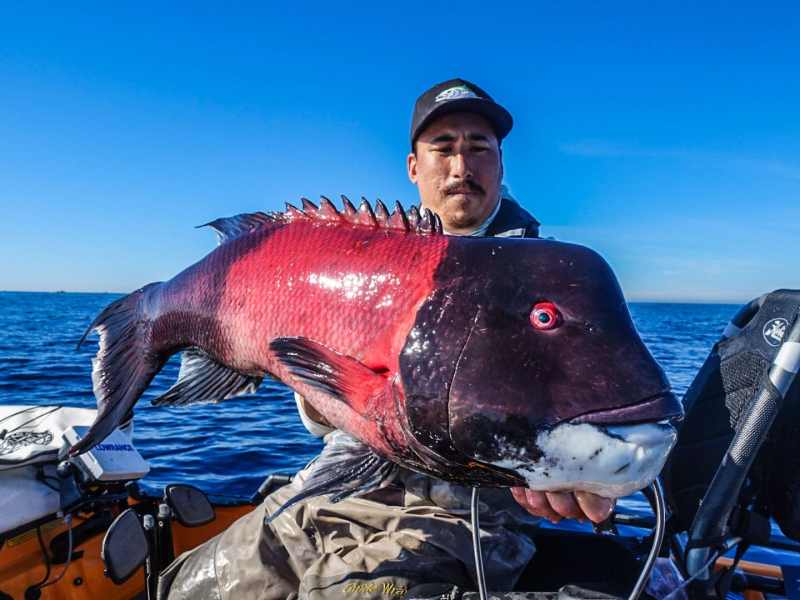
4. San Diego, California: Daygo Beaches
- Target Species: California halibut, white seabass, yellowtail, and California sheephead
- The Vibe: Soulful, surf-culture-infused, and diverse.
- Habitat: Kelp beds, sandy surf zones, rocky reefs, and coastal drop-offs.
Southern California’s coastal waters maintain an intimate connection to its vibrant surf and skate culture. Howie Strech, product manager at Newport Vessels, points out that trophy-caliber gamefish swim within literal "swimming distance" of metropolitan Southern California beaches.
The pinnacle of the SoCal inshore calendar often coincides with winter squid runs, when spawning cephalopods flood the shallow nearshore waters, drawing in hungry pelagic and bottom-dwelling predators.
Tactical Approaches for SoCal Anglers:
- Live Bait: Utilizing marine electronics to locate bait schools, then deploying live bait on a weightless line for slow trolling, or using a three-way rig for deep holding fish.
- Metal Lures: Dropping or casting heavy metal jigs when active surface feeds or mid-water schools are marked. Strech advises anglers to keep things simple: master a couple of core techniques before expanding your repertoire.
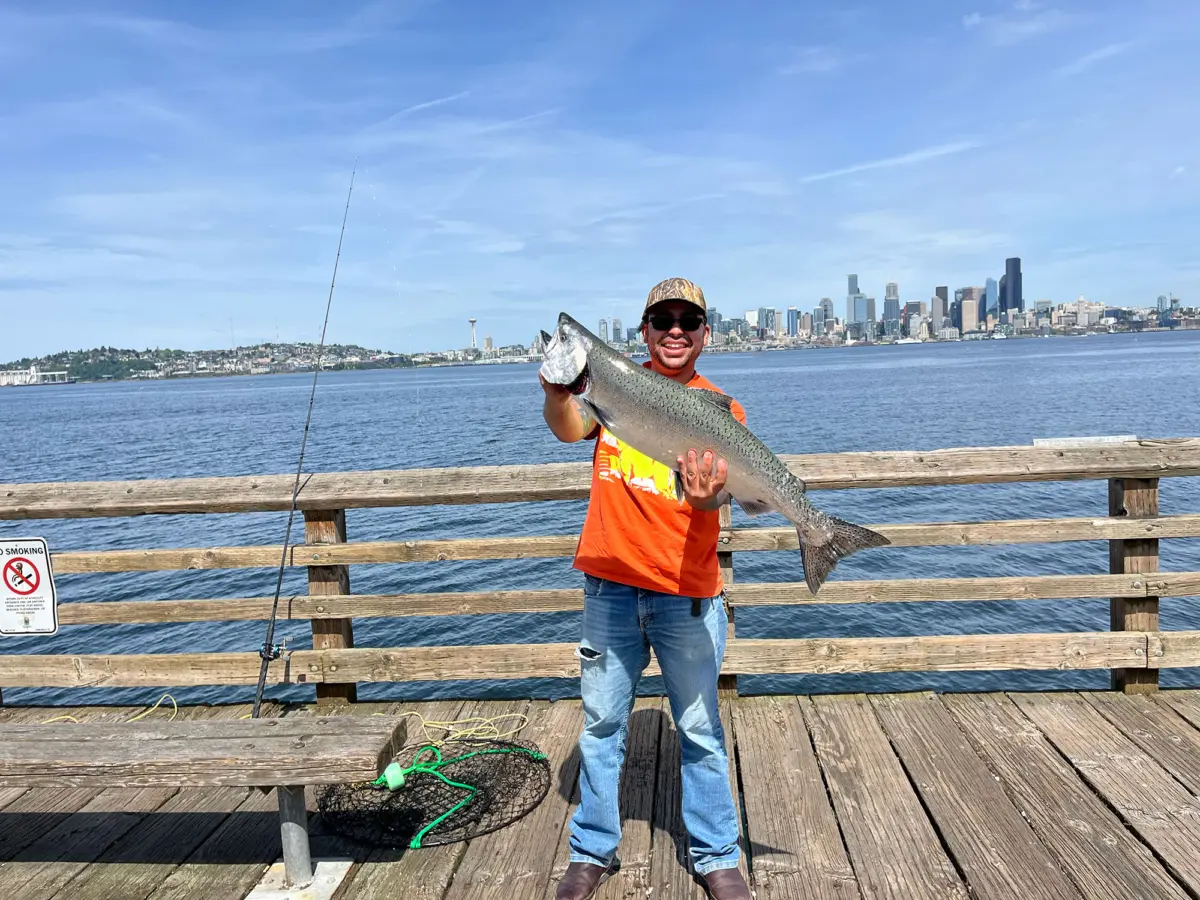
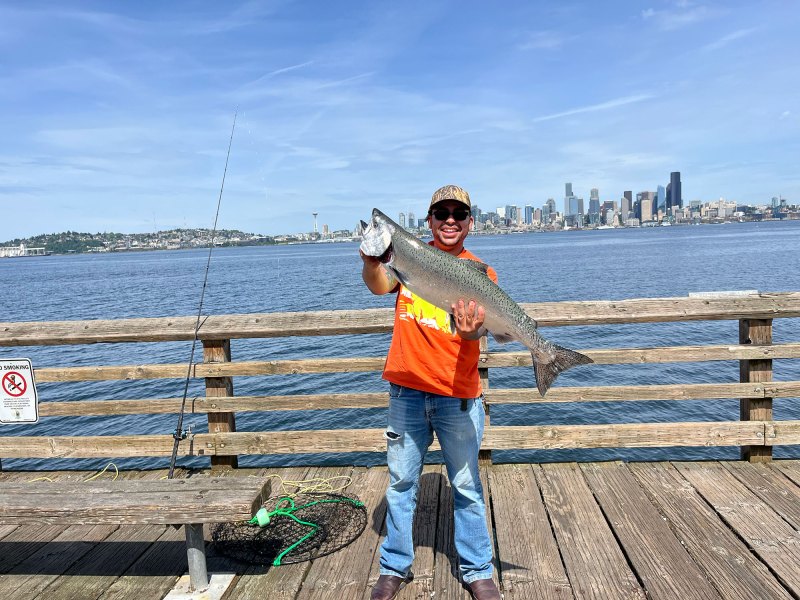
5. Seattle, Washington: Emerald City Salmon
- Target Species: King (Chinook), Coho (Silver), and Pink salmon
- The Vibe: Rugged, maritime, and highly regulated.
- Habitat: Puget Sound harbors, deep-water piers, and river mouths.
In the Pacific Northwest, salmon reign supreme. Brad Hole, creator behind @kayakfishingwashington, notes that while Seattle waters hold various species, salmon take absolute precedence. Millions of salmon migrate past downtown Seattle every year on their historic journey back to native spawning rivers.
The city provides extensive public infrastructure for anglers, including urban piers, shore-casting platforms, and numerous kayak launch sites.
Gear and Regulations in Seattle:
- Tackle: A medium-heavy, 8-foot rod spooled with 30-pound braid and a 40-pound fluorocarbon leader, throwing 2- to 4-ounce Buzz Bomb jigs.
- Timing: Early morning hours offer the best opportunities as king salmon cruise shallow shorelines. Pink salmon runs occur biennially, creating massive shore-fishing spectacles.
- Compliance: Because salmon fisheries are heavily managed, anglers must navigate complex, frequently updated regulations via state smartphone applications to ensure strict compliance.
6. Honolulu, Hawaii: Big Pineapple Bones
- Target Species: Bonefish (Albula vulpes, locally known as ‘ō‘io)
- The Vibe: Tropical, sight-fishing-focused, and stealth-oriented.
- Habitat: Shallow coral flats, white-sand beaches, and crystal-clear lagoons.
Honolulu offers a striking juxtaposition: world-class tropical flats fishing situated within sight of bustling urban high-rises and world-famous Waikiki beaches. Captain Chris Wright of Aloha Fishing Hawaii has successfully landed IGFA World Record catches within plain sight of Diamond Head.
"We have tons of places where you can drive up and walk out into the water for the world’s biggest bonefish," Wright states.
Sight-Fishing Tactics on the Flats:
- Tides: Low tide offers optimal water clarity, allowing anglers to spot tailing bonefish in the shallows during narrow 30-to-45-minute windows of optimal water movement.
- Spinning Gear: Medium-action setup, 20-pound braid, a long 15-pound fluorocarbon leader, and crab-imitation lures like the Cranka Crab.
- Fly Gear: 7-weight rod, sinking line, a 12-foot leader, and a Crazy Charlie fly worked painstakingly slow along the bottom.
- Stealth: Success requires absolute silence, muted clothing, felt-soled neoprene wading shoes, and a deliberate, slow-motion stalking approach.
Official Statements and Expert Insights
To gain a deeper perspective on the philosophy of urban fishing, leading guides and industry experts emphasize the psychological and technical rewards of pursuing wild fish in metropolitan environments:
- Eric Harrison (Boston Commando Angler): "Anywhere you can access the water, you have a chance of catching a big bass… Fancy plugs are popular, but I catch most of my fish on a 7-inch straight-tail soft plastic or a swimming plug."
- Captain Chuck Hill (Baltimore Guide): "All of the seawalls, docks, jetties, and bridge pilings hold rockfish… If you fish those lures [jerkbaits and soft-plastic jigs], you will eventually catch stripers."
- Jose Chavez (Tampa Bay Angler): "The fish destroys the bait… The huge silver fish jump and flip, putting on an amazing show. The only hope for victory is applying steady pressure to stop the tarpon."
- Howie Strech (SoCal Angler): "Don’t try to know everything. Perfect a couple techniques then add to that knowledge."
- Captain Chris Wright (Honolulu Guide): "You have to walk hella slow, don’t wear bright clothes, barely move, make no noise… Get the sun and wind behind you and go for it."
Future Outlook: The Next Generation of Urban Angling
The resurgence of metropolitan fisheries marks a permanent shift in how anglers view urban spaces. Far from being dead zones of concrete and pollution, modern coastal cities are increasingly recognized as vibrant, highly productive marine habitats.
As municipal governments continue to invest in stormwater management, artificial reef deployment, and sustainable coastal zoning, the ecological health of urban waterways is projected to improve further. Moreover, the rise of kayak fishing, paddleboarding, and high-tech portable electronics has democratized access, allowing everyday residents to bypass expensive boat ownership and explore hidden urban fisheries right in their own backyards.
For the serious angler, the message is clear: adventure does not require a cross-country flight or a multi-day offshore expedition. Sometimes, the ultimate sportfishing challenge is waiting just past the parking lot, beneath the bridge pilings, and within sight of the city skyline.

0 Comments