For the traveling angler, nothing tests the limits of dedication quite like fickle coastal weather. After logging thousands of miles and investing heavily in a dream destination, a sudden squall, a relentless sub-tropical baking sun, or a howling offshore gale should never dictate whether a fisherman stays docked or hits the water. Marine environments are notoriously volatile, shifting from blistering heat to torrential downpours within a single tide cycle.
Fortunately, the landscape of technical marine apparel has undergone a quiet revolution. Gone are the days of rigid, heavy PVC slicks that trapped body heat and restricted movement. The latest generation of inner, outer, and undergarments combines advanced textile engineering with smart, ergonomic design to actively regulate temperature and moisture. By treating clothing as a dynamic, modular system rather than mere coverage, modern anglers can remain entirely comfortable—and safe—no matter what Mother Nature unleashes.
This report provides a comprehensive review of the cutting-edge gear dominating the saltwater scene, categorized by environmental challenge: extreme tropical heat, dynamic offshore environments, and brutal foul-weather climates.
Detailed Chronology: The Evolution of Marine Weather Gear
To understand where technical fishing apparel stands today, it is essential to look at how the industry has evolved over the past century.
The Early Eras (Mid-20th Century): For generations, commercial and recreational fishermen relied on heavy-duty, oilskin, and early-generation PVC gear. While these materials offered waterproof protection, they completely lacked breathability. Anglers routinely suffered from internal saturation, sweating profusely inside impermeable shells during physical exertion.
The Breathable Membrane Breakthrough (Late 20th Century): The introduction of microporous membranes revolutionized outdoor sports. Brands began integrating waterproof yet breathable fabrics that allowed water vapor (sweat) to escape while preventing liquid water from penetrating inward.
The Centennial Milestone (2026): Celebrating 100 years of angler-focused performance innovation, legacy manufacturers like Grundéns continue to refine foundational pieces like deck boots and heavy-duty overalls. However, modern engineering has moved past simple waterproofing.
The Smart-Fabric Era (Present Day): Today’s cutting-edge gear incorporates phase-change materials (PCMs), four-way stretch engineering, and targeted airflow architecture. Modern apparel doesn’t just block or trap elements—it actively adapts to the wearer’s body heat and output levels in real time.
Supporting Context & Metrics: Decoding the Performance Wardrobe
Modern performance clothing relies on specific technological pillars to maintain wearer comfort across erratic climates. Understanding these metrics helps anglers build a versatile travel kit that packs light without sacrificing protection.
1. Thermal Regulation and Phase-Change Technology
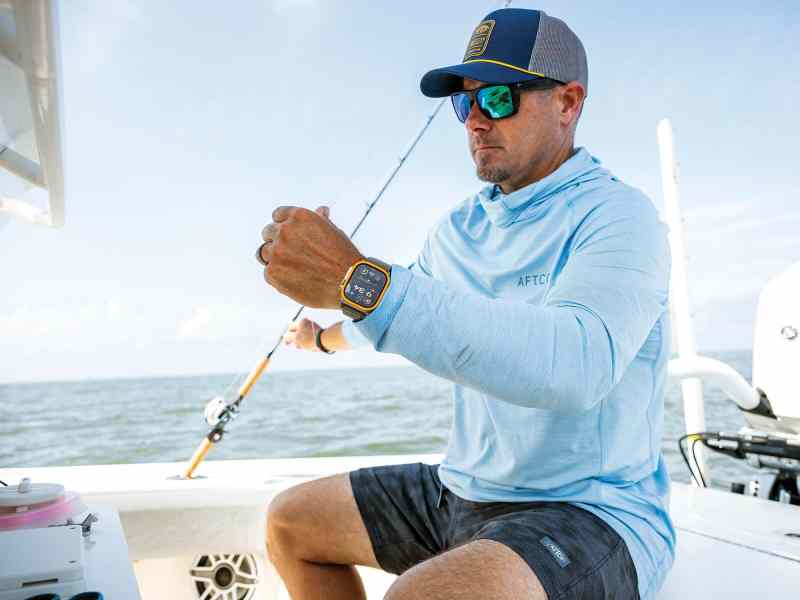
Traditional layering required constant wardrobe changes: stripping down during a fight and bundling up during a high-speed run. Today, materials like AFTCO’s Adapt Tactical Phase Change fabric utilize micro-encapsulated materials that absorb, store, and release heat dynamically. On a chilly morning 60 miles offshore, the fabric retains body heat; as soon as the boat drops off plane and physical activity ramps up, it releases excess thermal energy to stabilize core body temperature.
2. Moisture Management and Hydrophobic Treatments
Saltwater environments demand fabrics that shed moisture instantly. High-end tropical and offshore garments incorporate durable water repellent (DWR) finishes that are increasingly eco-friendly, alongside advanced synthetic blends (such as polyester-elastane matrices) that wick sweat away from the skin at an accelerated rate. This prevents chafing, eliminates "stinky foot funk" in footwear, and ensures garments dry rapidly after being soaked by waves or rain.
3. Ergonomics and Mobility Metrics
Action-heavy fishing—whether casting a fly to tailing permits, fighting a leaping marlin, or throwing a heavy cast net—requires unobstructed range of motion. The integration of four-way stretch fabrics in jackets, bibs, and shorts ensures that seams do not bind or ride up during explosive physical movements.
Climatic Breakdown: Equipping for Every Environment
Beating the Heat: Tropical and Inshore Environments
Heat and oppressive humidity pose some of the most insidious threats to anglers, paving a direct path toward heat stroke, dehydration, and severe UV damage.
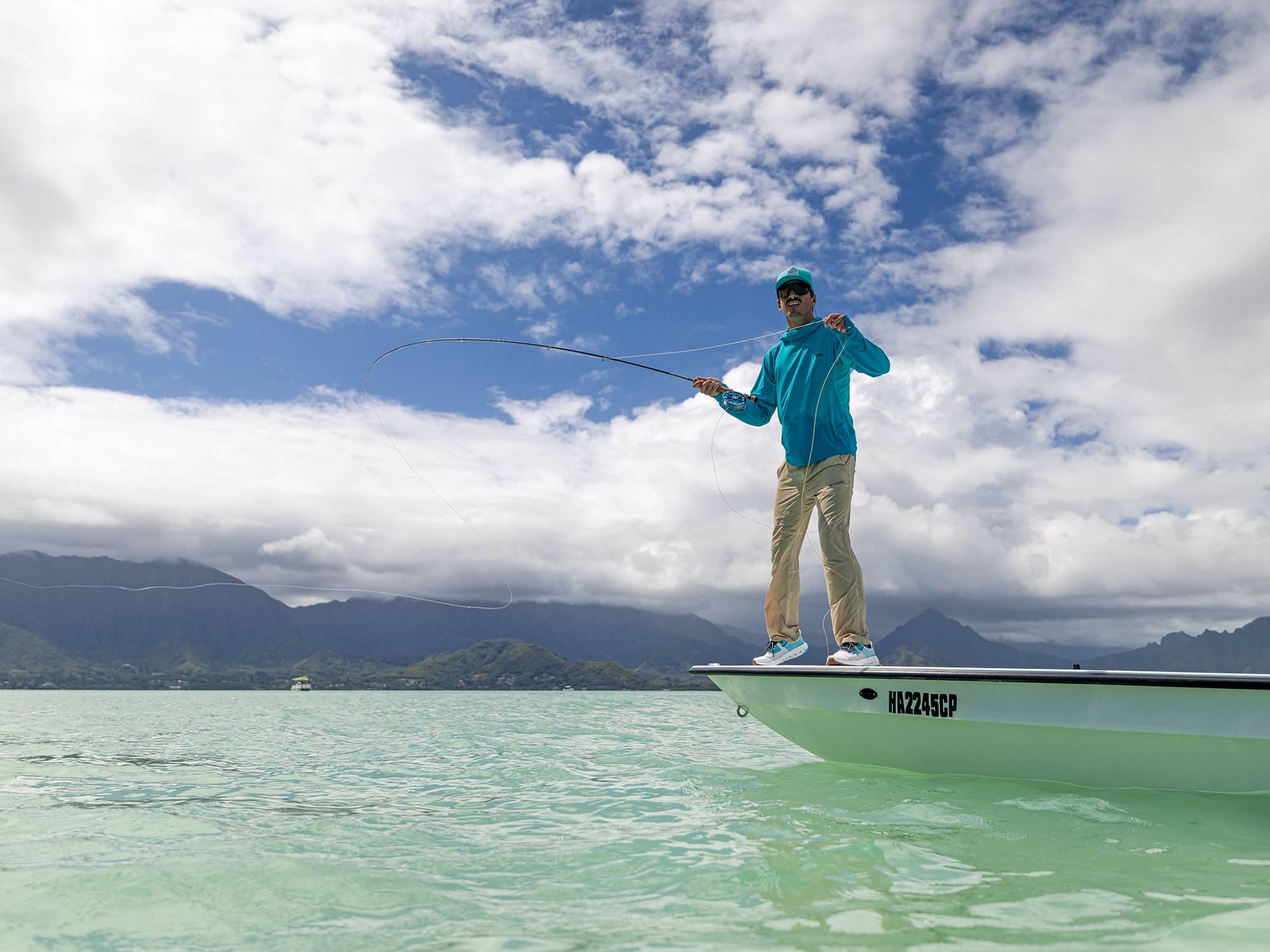
Total Skin Coverage: Rather than exposing skin to baking solar radiation, modern tropical ensembles utilize ultra-lightweight, high-UPF barriers. The Twelve Weight Back Channel shirt paired with Columbia PFG Pro Pants exemplifies this approach. The shirt features strategic mesh panels on the sides and back, coupled with a loose architecture to maximize passive airflow. Meanwhile, Columbia’s PFG Pro Pants feature built-in cooling technology, stain-and-water repellency, and an innovative ankle drawstring that keeps pant legs secure and skin fully protected from sun and biting insects.
Sudden Tropical Squalls: Afternoon thunderstorms are a staple of tropical fishing. To combat sudden downpours without overheating, lightweight rain solutions like Gill’s Aspect 2.0 jacket and bibs offer low-bulk, highly breathable protection with taped seams and targeted hood airflow systems. Best of all, they pack down into a compact footprint easily stowed in a carry-on bag.
Navigating the Blue Heaven: Offshore Versatility
When an angler is fishing 60 miles offshore, there is no quick run to the dock to change clothes. Gear must adapt seamlessly to changing conditions throughout a grueling day on the water.
Dynamic Adaptation: The AFTCO Adapt Tactical Phase Change shirt serves as a core baseline garment for bluewater expeditions, adjusting thermal output based on whether the wearer is idling, trolling, or sprinting across cold swells.
Mobility in the Cockpit: Marlin fishing and heavy-action trolling demand unhindered leg movement and secure apparel. Huk A1A Pro shorts offer high-stretch, fast-drying comfort backed by a soft, grippy waistband that prevents sagging when soaked with seawater or fish slime. Zippered side pockets secure essential electronics without interfering with mobility.
Foundation Footwear: The most critical piece of an offshore kit is often what connects the angler to the deck. Strike Footwear Bluefin Sneakers utilize molded footbeds and EVA foam soles to absorb the heavy shock of standing for hours on hard fiberglass. Their micro-sipped, channeled outsoles deliver exceptional traction on slick, slimy decks, while quick-drain footbeds keep feet dry and fresh.
Surviving "Snotty" Weather: Northern and Foul-Weather Systems
The ultimate proving ground for performance wear is foul, northern weather—where rain, wind, and freezing spray test every seam and fabric weave.
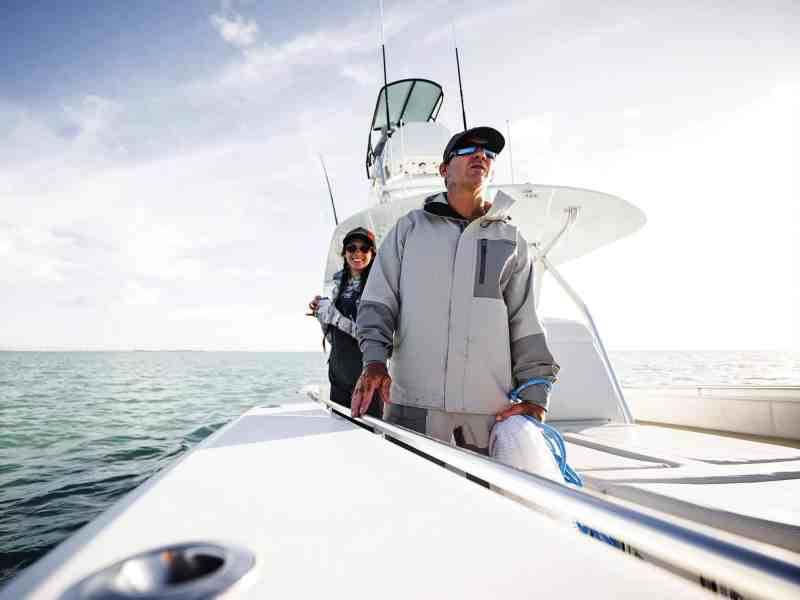
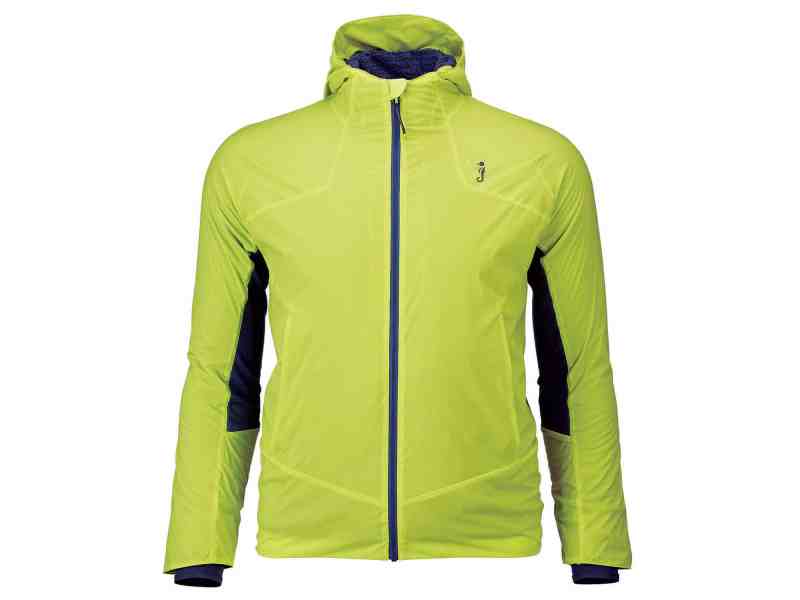
Strategic Layering: Successful northern fishing requires a layered defense where each garment acts effectively as both an inner and outer layer. The Mustang Torrens Hooded Thermal Jacket functions as a warm, wind-resistant fleece hoodie with vented underarm panels on mild days. When conditions deteriorate, its hydrophobic exterior sheds spray, while maintaining a slim profile capable of fitting seamlessly beneath heavy-duty bibs and outer shells.
Iconic Footwear Upgrades: Celebrating a century of angler-focused design, Grundéns continues to set the standard with footwear like their Deck Boss boots. Available in men’s and women’s variants, they feature shock-absorbing EVA soles, flexible neoprene upper supports that move naturally with the foot, and anti-odor cooling technology.
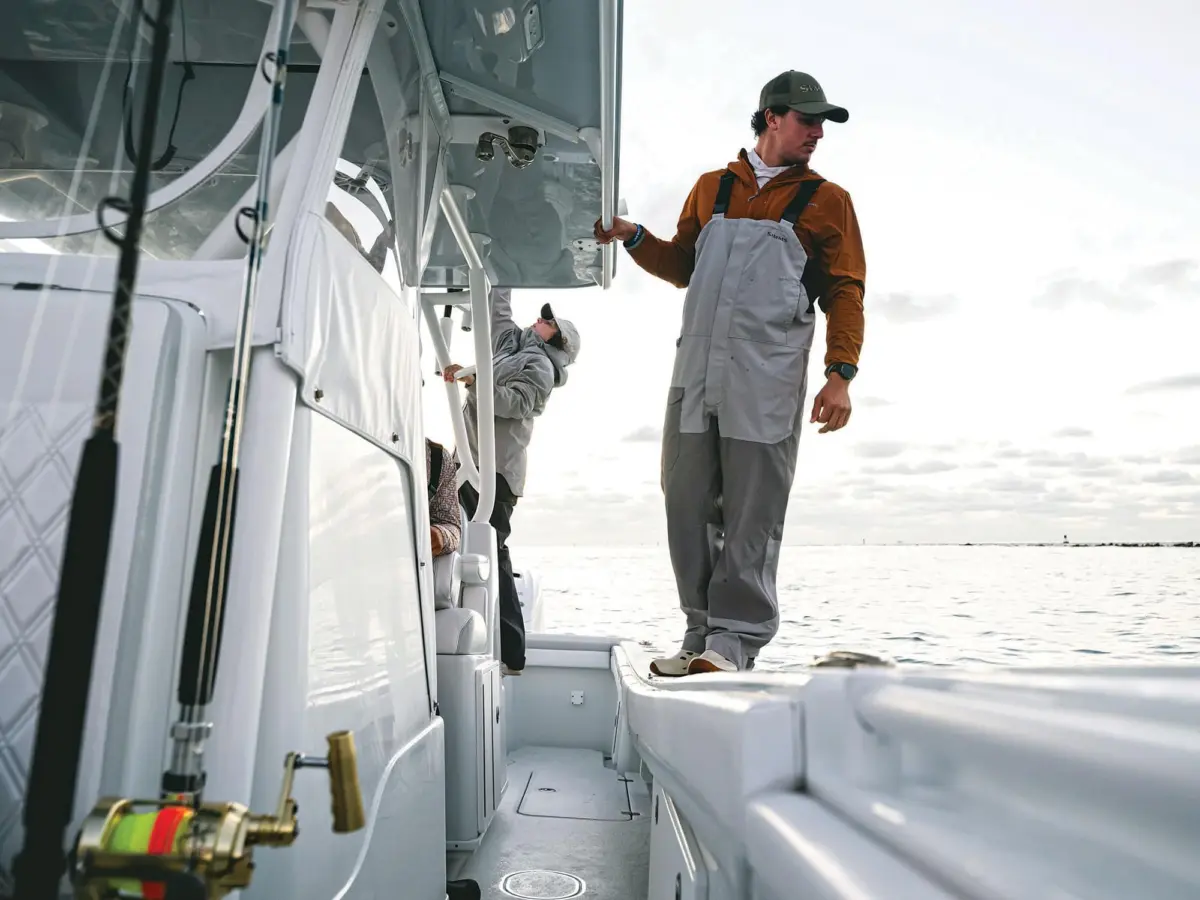
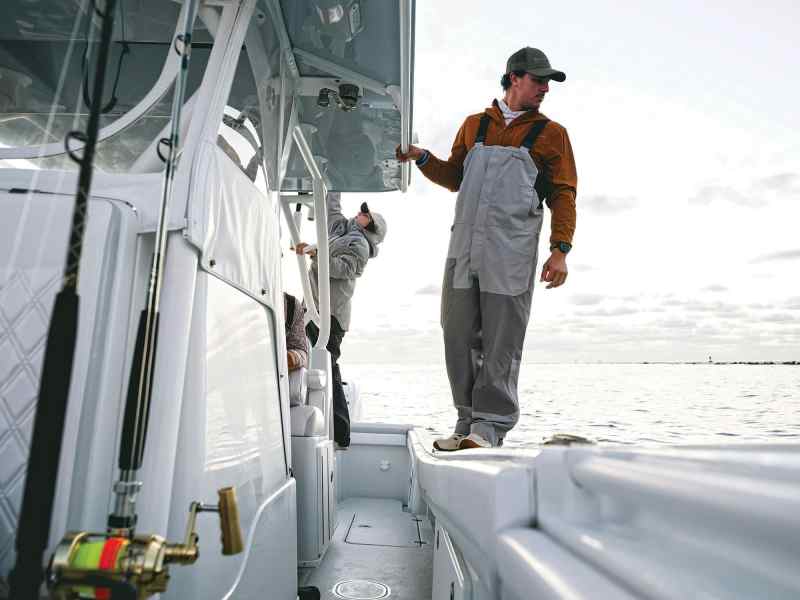
Ultimate Foul-Weather Shells: For relentless downpours and high-speed runs in freezing spray, the Simms Challenger Fishing Jacket and Bibs provide a fortress of protection. Built from a waterproof, breathable fabric featuring four-way stretch, they eliminate the traditional stiffness of foul-weather gear. Complete with a three-way adjustable hood, they allow anglers to fish all day in a gale without succumbing to internal overheating.
Official Statements & Industry Insights
Industry leaders emphasize that the modern approach to fishing apparel is rooted in reducing environmental friction so anglers can focus entirely on the catch.
"When traveling thousands of miles for a destination trip, unpredictable weather is the ultimate wildcard," notes a leading product developer in the technical marine sector. "Our goal with next-generation performance wear is to completely remove weather as a variable. By engineering fabrics that breathe during physical exertion, block driving spray, and regulate temperature dynamically, we allow the angler to stay fully immersed in the experience rather than distracted by discomfort."
Another representative from a legacy marine brand highlights the shift toward ergonomic sustainability:
"Anglers shouldn’t have to choose between durability and comfort. The integration of stretch-woven textiles, anti-microbial treatments, and packable waterproof membranes means today’s traveling fisherman can pack lighter, stay drier, and push harder than ever before."
Future Outlook
As material science continues to advance, the future of fishing apparel points toward even greater integration of smart textiles, ultra-lightweight composite membranes, and eco-conscious manufacturing.
We can anticipate further refinement in phase-change materials that respond instantly to micro-climate shifts, alongside closed-loop recycling programs for high-performance synthetic gear. For the modern angler, these innovations translate to a very simple reality: bad weather no longer means lost days on the water. Armed with a sophisticated, multi-layered wardrobe engineered for temperature regulation and moisture control, the modern fisherman is truly prepared to conquer any environment, anywhere on the globe.



0 Comments