Published: August 17, 2026 Author: FSU News Investigative Desk Category: Higher Education, Public Health, Regional Development
Executive Overview
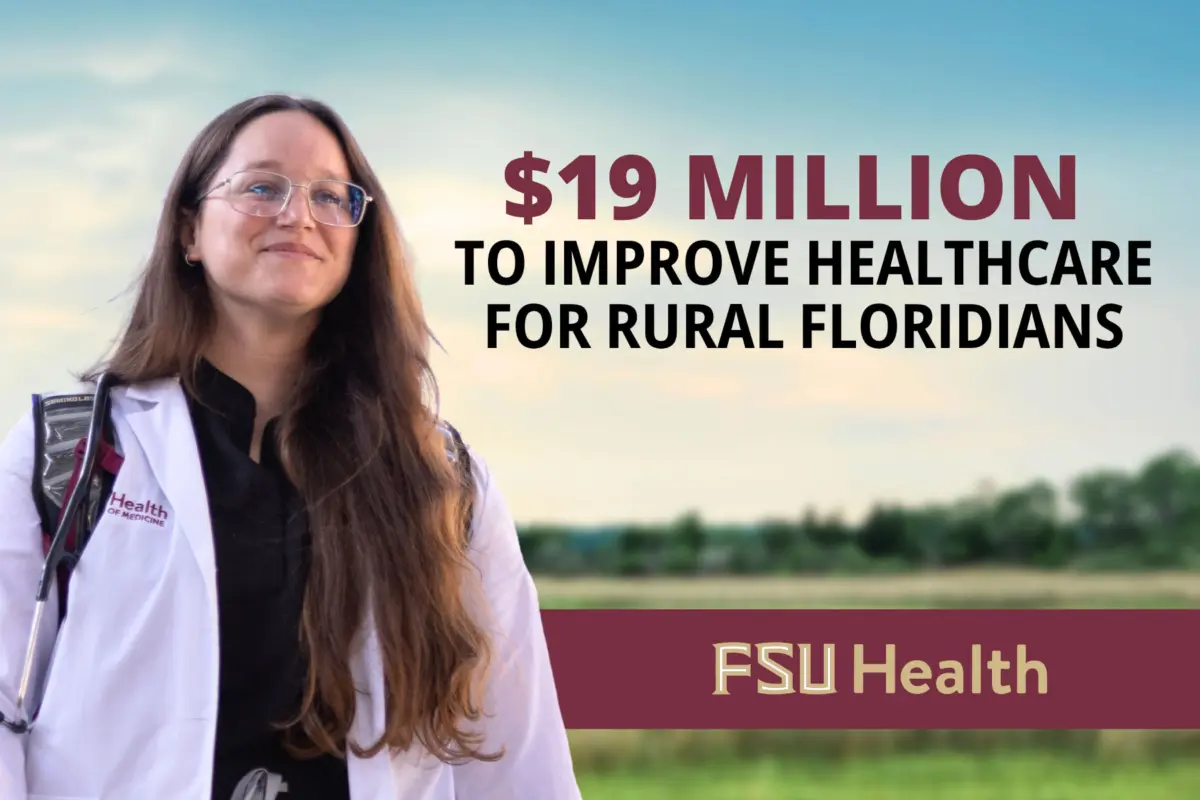
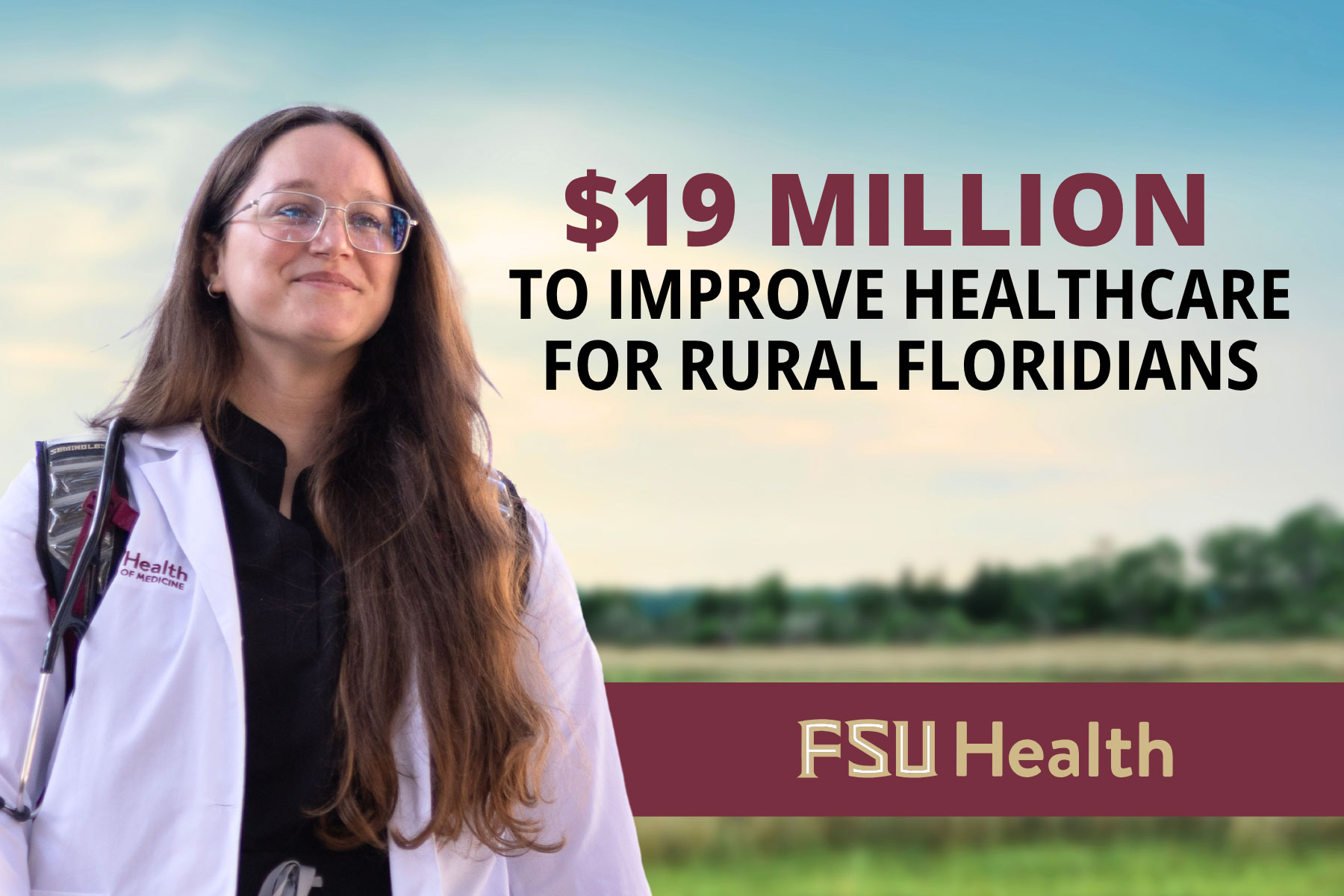
In a monumental development for public health and regional equity, Florida State University (FSU) has officially been awarded more than $19 million in critical grant funding through the prestigious Rural Health Transformation Program. Announced on August 17, 2026, this multi-million-dollar infusion is earmarked for the immediate launch and sustained operation of six groundbreaking healthcare and community support projects.
Designed to combat systemic health disparities, the initiative will channel vital resources, state-of-the-art medical technology, and academic expertise directly into underserved rural regions across Florida. For decades, remote and economically distressed counties throughout the state have grappled with physician shortages, limited access to specialized care, and declining health metrics. FSU’s comprehensive strategy aims to rewrite this narrative, leveraging its institutional research capacity, medical school infrastructure, and community partnerships to elevate the standard of living and health outcomes for thousands of residents.
Detailed Chronology: The Path to the $19 Million Grant
The realization of this sweeping rural health initiative is the result of years of meticulous planning, stakeholder engagement, and strategic lobbying by Florida State University leadership, medical professionals, and regional policymakers.
Phase 1: Identifying the Need (2023–2024)
Long before the grant applications were drafted, healthcare analysts and researchers at FSU began compiling extensive data regarding the widening health divide between Florida’s booming metropolitan hubs and its isolated rural counties. Studies highlighted alarming trends: higher rates of chronic illness, significantly reduced life expectancies, and an acute scarcity of mental health professionals in more than thirty rural districts. Recognizing that traditional, centralized healthcare models were failing these populations, FSU administrators mobilized a multidisciplinary task force comprising public health experts, clinical practitioners, and community leaders.
Phase 2: Developing the Blueprint (2025)
Throughout 2025, the task force formulated a decentralized, community-centric model aimed at grassroots intervention. Rather than applying a one-size-fits-all approach, the team designed six distinct projects tailored to the unique demographic, geographic, and economic challenges of specific rural clusters. These proposals emphasized preventative care, telehealth integration, mobile health clinics, and the recruitment and retention of localized medical talent.
Phase 3: Securing State and Federal Alignment (Early 2026)
With the blueprints finalized, FSU submitted comprehensive funding proposals under the umbrella of the Rural Health Transformation Program. Following rigorous peer review and legislative vetting, federal and state oversight bodies approved the allocation. The formal announcement on August 17, 2026, marks the transition from planning to execution, setting the stage for an aggressive rollout of all six projects over the coming quarters.
Supporting Context & Metrics: The Reality of Rural Healthcare in Florida
To fully appreciate the magnitude of FSU’s $19 million initiative, one must examine the stark realities facing rural Floridians. While Florida is celebrated nationally for its advanced medical research centers and premier healthcare networks in cities like Miami, Tampa, and Orlando, its rural interior faces an invisible crisis.
Key Metrics and Challenges:
Physician-to-Patient Ratios: In metropolitan Florida, there is roughly one primary care physician for every 800 to 1,000 residents. In contrast, several rural North and Central Florida counties suffer ratios exceeding one physician per 3,000 residents.
Travel Times to Acute Care: Data compiled by public health agencies indicate that rural residents frequently travel upwards of 45 to 60 minutes just to reach a basic emergency room or specialized pediatric and geriatric care facility.
Chronic Disease Prevalence: Rates of diabetes, cardiovascular disease, and hypertension in targeted rural counties run 15% to 30% higher than the state average, exacerbated by a lack of preventative screening programs and nutritional education.
Mental Health Deficit: Over 75% of Florida’s rural counties are federally designated Health Professional Shortage Areas (HPSAs) for mental health services, compounding issues related to substance abuse and economic stress.
FSU’s six newly funded projects are strategically engineered to target these exact pressure points. By deploying mobile diagnostic units, expanding broadband-enabled telehealth kiosks in local libraries and community centers, and embedding trained medical residents directly into rural clinics, the initiative bridges the physical gap between patient and provider.
Official Statements and Institutional Vision
University leaders, healthcare advocates, and regional stakeholders have hailed the grant as a historic turning point for Florida’s healthcare landscape.
Dr. Richard Jennings, Dean of the FSU College of Medicine, emphasized the moral and practical imperative of the university’s mission during the launch announcement:
"A person’s zip code should never dictate their life expectancy or their access to quality healthcare. For too long, our rural neighbors have borne the brunt of a fractured medical infrastructure. With this $19 million investment, Florida State University is not merely writing a check; we are boots on the ground, building sustainable bridges of care, trust, and wellness that will endure for generations."
State Senator Barbara Vance, a longtime advocate for rural infrastructure development, praised the university’s collaborative approach:
"FSU listened to our communities. They didn’t design these programs from an ivory tower in Tallahassee; they worked hand-in-hand with local county commissioners, rural hospital administrators, and grassroots organizers. This funding represents real, tangible hope for families who have felt forgotten by the traditional healthcare system."
Furthermore, project directors have confirmed that the grant will facilitate unprecedented partnerships between FSU researchers and local healthcare workers, ensuring that solutions are culturally competent and immediately responsive to regional needs.
Future Outlook: Milestones and Long-Term Impact
As Florida State University breaks ground on the execution of these six projects, the focus shifts immediately to accountability, scalability, and long-term sustainability.
Short-Term Milestones (2026–2027)
Infrastructure Deployment: Procuring and outfitting specialized mobile health units designed to deliver dental, optometric, and primary care screenings directly to remote agricultural and forestry communities.
Telehealth Expansion: Upgrading digital infrastructure in rural clinics to allow seamless real-time consultations between rural patients and top-tier specialists at major medical centers.
Workforce Recruitment: Launching targeted fellowship and loan-forgiveness incentives to attract young physicians, nurse practitioners, and social workers to commit to multi-year practice terms in underserved counties.
Long-Term Vision (2028 and Beyond)
The ultimate measure of success for the $19 million Rural Health Transformation Program will not be found in initial spending reports, but in longitudinal health outcomes. Over the next five to ten years, FSU researchers will track key performance indicators, including reductions in preventable hospital readmissions, increases in early-stage cancer detections through routine screenings, and measurable drops in chronic disease mortality rates.
If successful, the model pioneered by Florida State University could serve as a national blueprint for how major research institutions can partner with state and federal entities to revitalize rural healthcare. By blending academic rigor with deep community engagement, FSU is proving that geographic isolation does not have to mean a lack of access to world-class medical care.






0 Comments