

Executive Overview
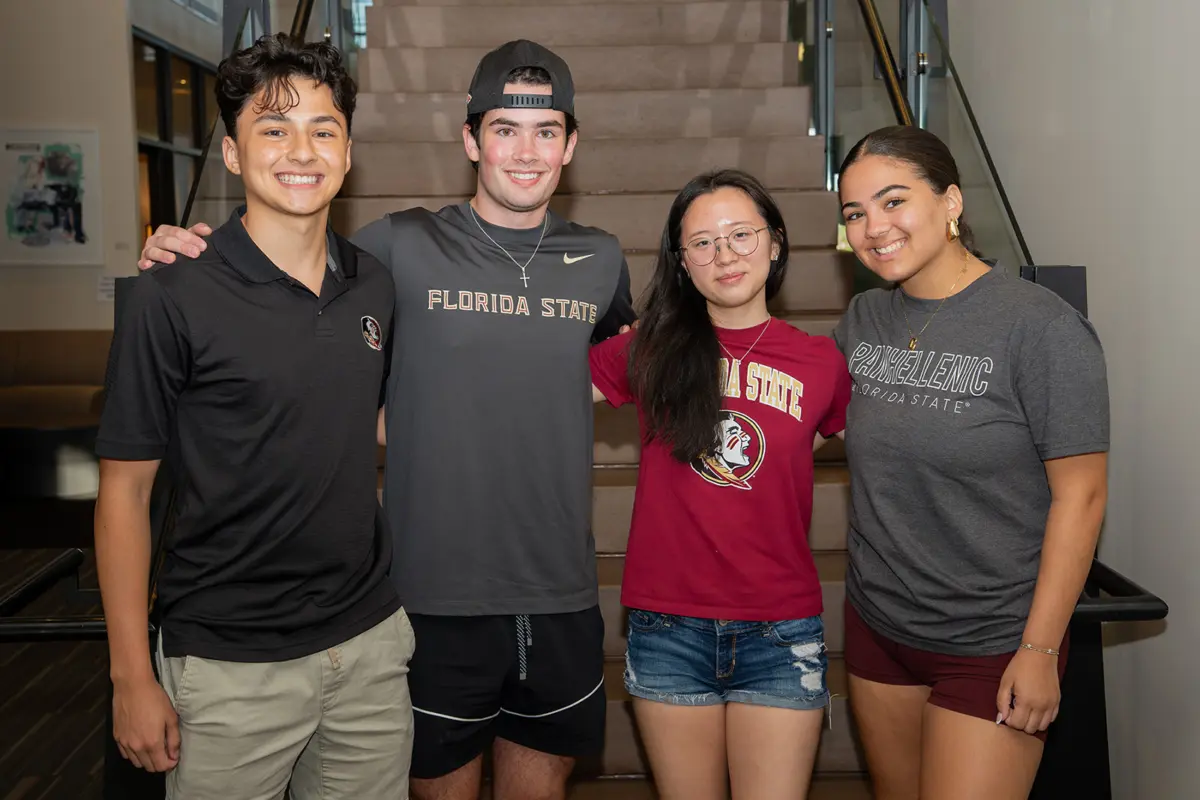
As the autumn sun illuminates the historic brick walkways of Tallahassee, Florida State University (FSU) prepares to usher in a transformative academic year. On Monday, August 24, nearly 6,000 incoming first-year students will officially step onto campus, forming the core of the newly minted Class of 2030. This landmark cohort arrives during a monumental period for the institution, which is concurrently celebrating its 175th anniversary. The convergence of a historic milestone, record-shattering admissions metrics, and expansive institutional momentum underscores FSU’s rising stature as a preeminent national public research university.
The journey to this semester’s move-in day reflects an unprecedented surge in global interest. FSU evaluated more than 96,000 applications for the incoming class—representing a striking 12% increase from the previous admissions cycle. Behind these numbers lies a student body characterized by exceptional academic pedigree, geographic diversity, and a collective drive toward innovation. From state-of-the-art developments in FSU Health to pioneering initiatives in entrepreneurship and undergraduate research, the Class of 2030 enters an academic ecosystem firing on all cylinders.
This comprehensive report examines the multifaceted dimensions of FSU’s latest enrollment milestone, exploring the rigorous admissions data, groundbreaking student retention metrics, innovative academic pathways, and the broader institutional vision articulated by university leadership as the fall semester commences.
Detailed Chronology: The Road to the Fall 2026 Semester
The arrival of the Class of 2030 is the culmination of a year-round, highly synchronized operational effort across multiple university divisions, admissions offices, and student affairs departments. Understanding the trajectory of this incoming class requires examining the key chronological phases leading up to the August 24 kickoff.
The Admissions Cycle and Surge in Global Interest
The foundational phase of the Class of 2030 began months prior with the opening of the application portal. During the 2025–2026 admissions cycle, FSU experienced an unprecedented influx of prospective student interest, crossing the threshold of 96,000 total applications. This 12% year-over-year surge is indicative of the university’s growing brand equity, bolstered by its consistent ascent in national public university rankings and its reputation for combining rigorous academics with unparalleled student support.
Unlike institutions that draw primarily from localized regions, FSU’s applicant pool reflected a truly global footprint. Admissions officers combed through submissions from all 50 U.S. states, every one of Florida’s 67 counties, and 55 distinct countries. In total, the admitted cohort represents graduates from more than 2,700 high schools worldwide, ensuring a rich cross-pollination of cultural backgrounds, perspectives, and lived experiences within the residence halls and lecture theatres.
Alternative Academic Pathways: FSU Next and International Programs
Recognizing that academic excellence manifests in diverse ways and that students benefit from flexible entry points, FSU utilized a multifaceted enrollment strategy for the incoming cohort:
- FSU Next via Tallahassee State College: More than 600 students will begin their collegiate journeys through this specialized partnership, designed to ease the transition into university life while maintaining a structured pathway toward full FSU integration.
- Global Study Centers: Approximately 300 students will bypass traditional domestic move-in routines entirely, choosing instead to launch their higher education overseas. Through the First Semester Abroad and First Year Abroad programs, these pioneers will begin their studies at one of FSU’s four dedicated international study centers, immersing themselves in foreign cultures and international academic environments from day one.
Move-In Week Operations and Orientation
The crescendo of the summer planning phase culminates in Move-In Week, a meticulously choreographed logistical operation managed by University Housing, Undergraduate Studies, and hundreds of student volunteers. Beginning the week prior to the August 24 start date, vehicular queues stream through campus as thousands of students, accompanied by families bearing boxes, mini-fridges, and bedding, descend upon residence halls.
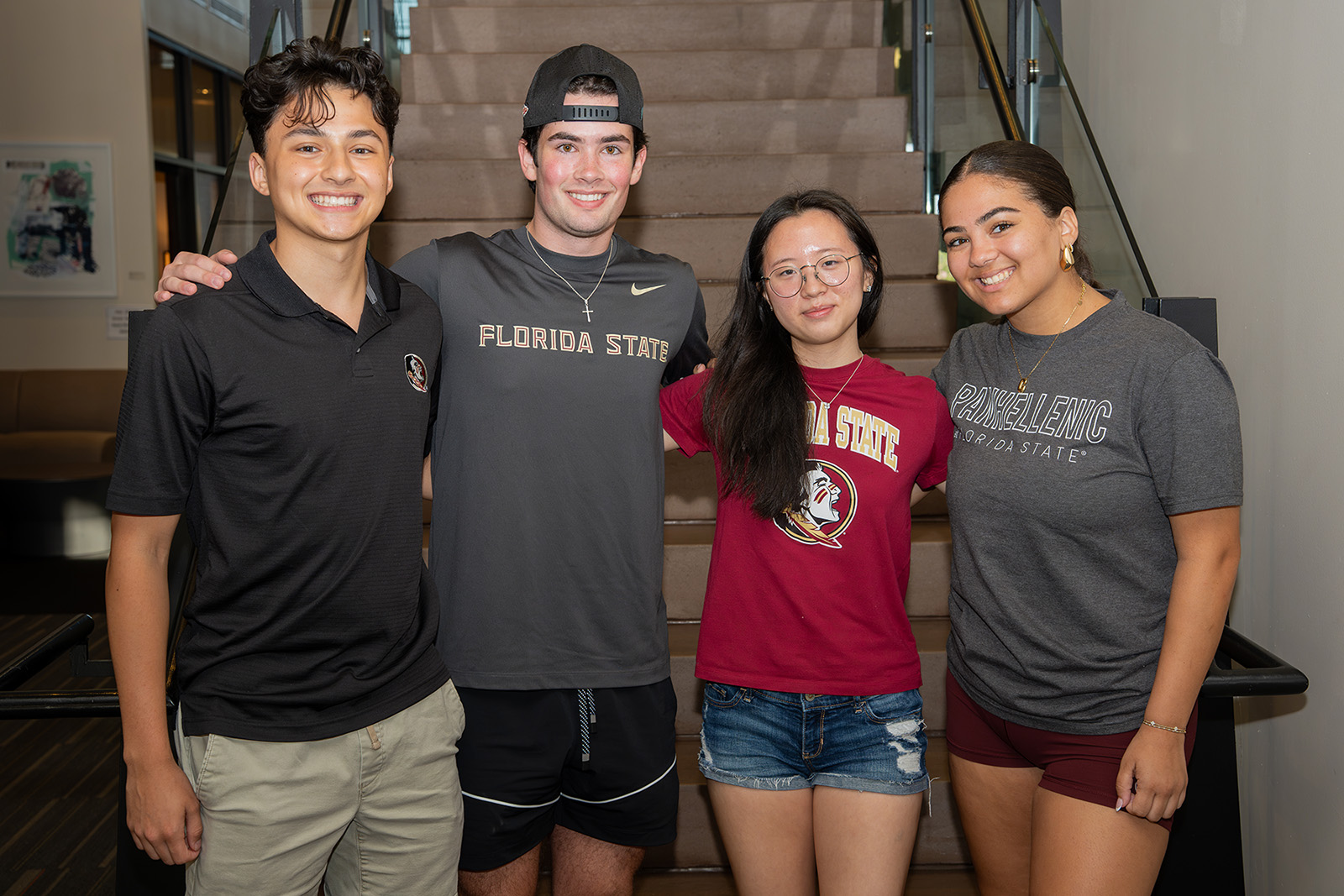
Concurrently, orientation leaders guide incoming freshmen through Welcome FSU events, campus tours, academic advising sessions, and community-building traditions. This immersive onboarding process is engineered to transition nervous high school graduates into confident university scholars long before the first lecture bell rings on Monday morning.
Supporting Context & Metrics: A Statistical Profile of Academic Excellence
The academic profile of the Class of 2030 is arguably the most competitive in Florida State University’s history. The quantitative benchmarks achieved by these incoming first-year students place them among the elite cohorts of public higher education in the United States.
Academic Competitiveness and Popular Majors
Admitted students posted staggering academic averages, reflecting the rigorous standards upheld by FSU’s admissions committee:
- Average Core GPA: 4.5 (weighted)
- Average SAT Score: 1430
- Average ACT Score: 32
- Class Rank: 92% of the admitted class graduated in the top 10% of their high school classes.
- Grade Distribution: 80% earned straight A and B grades throughout their secondary education.
When examining intended fields of study, students gravitated heavily toward disciplines that align with modern workforce demands and research-intensive careers. The five most popular areas of study among the incoming class are:
- Business
- Engineering
- Biology
- Exploratory (undeclared/undecided)
- Political Science
Retention and Graduation Milestones
FSU’s ability to attract top-tier talent is matched only by its institutional commitment to keeping students on the path to graduation. The university continues to shatter its own historical records regarding student retention and success, cementing its status as a national leader.
In recent institutional data releases, FSU secured a position in the top 4 public universities nationwide for first-year retention rates, with a phenomenal 97% of students returning for their sophomore year. Furthermore, the university achieved a historic 99.2% fall-to-spring student retention rate, representing one of the absolute highest figures recorded across the entire American higher education landscape. These metrics are not accidental; they are the result of targeted interventions, comprehensive peer-mentoring programs, robust mental health resources, and proactive academic advising designed to ensure no student falls through the cracks.
Official Statements and Institutional Vision
The milestone arrival of the Class of 2030 coincides with a period of profound institutional reflection and forward-looking ambition as Florida State University celebrates its 175th anniversary. University leadership views this new generation of scholars not merely as participants in an academic term, but as active co-creators of FSU’s legacy.
President Richard McCullough on Institutional Momentum
Reflecting on the energy enveloping the Tallahassee campus, FSU President Richard McCullough emphasized the historic nature of the current era.
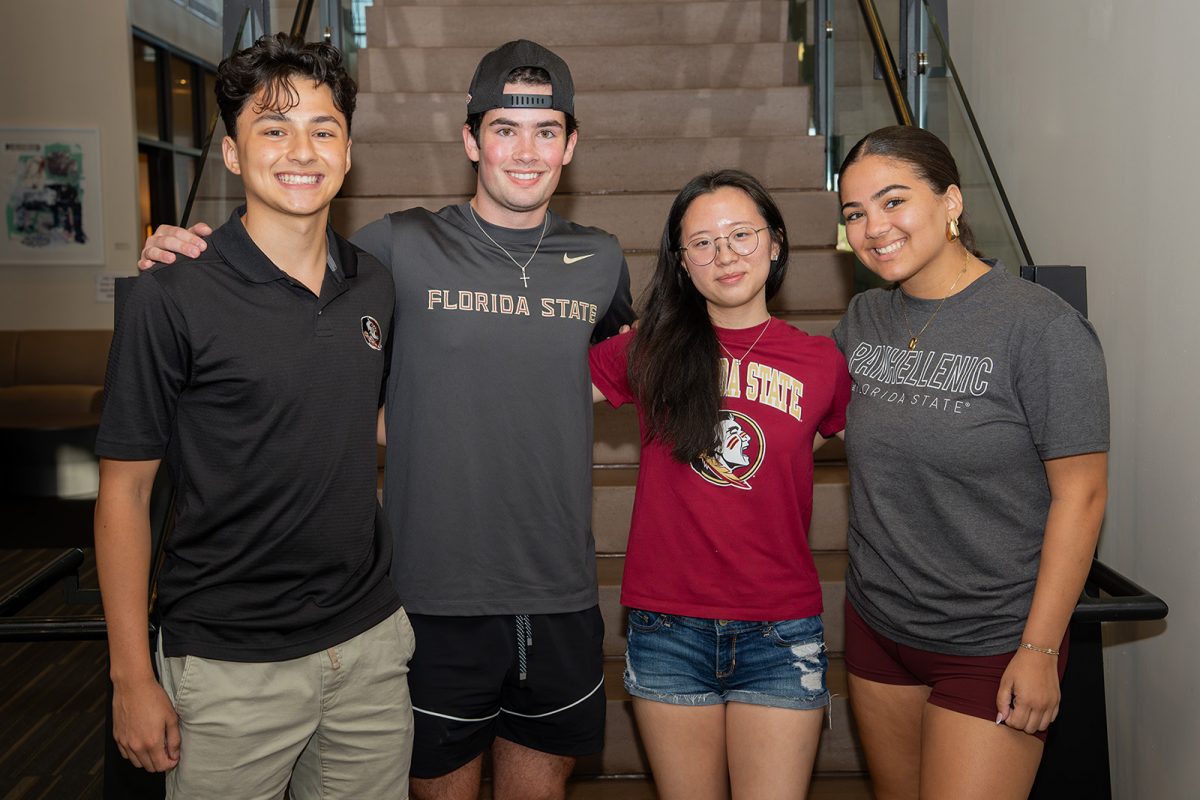
"Florida State University has never had more momentum," President McCullough stated. "We’ve set records every year over the last five years in student success, research, and impacts on our community, and this freshman class will be an integral part of that continued success and momentum. It’s one of the best times of the year to see all the students moving in and the campus populated by so many people. It’s just so fun to be here at Florida State University."
McCullough’s remarks highlight a broader cultural shift at FSU—one where institutional growth in research expenditures, athletic achievements, and academic selectivity mutually reinforce one another to create a vibrant, dynamic campus community.
The Significance of the 175th Anniversary
Founded in 1851, the institution has evolved from a small seminary into a premier comprehensive research university. The 175th anniversary serves as a bridge between foundational history and modern innovation. Administrators emphasize that the Class of 2030 is uniquely positioned to carry the torch into the university’s next century and a half. As these students engage with cutting-edge laboratories, community outreach initiatives, and global study opportunities, they embody the resilience and ambition that have characterized FSU for nearly two centuries.
Future Outlook: The Horizon of Innovation at FSU
As classes commence on August 24, the university’s trajectory points toward continued expansion across multiple strategic domains. The integration of academics, health sciences, and community engagement forms the bedrock of FSU’s forward-looking blueprint.
The Expansion of FSU Health
A critical component of FSU’s recent ascent is FSU Health, the university’s integrated academic health system. Designed to transform healthcare delivery, medical education, and biomedical research across North Florida and beyond, FSU Health represents a multi-year investment in clinical excellence. For undergraduate students—particularly those in biology, chemistry, engineering, and exploratory health sciences—this initiative opens unprecedented doors for internships, undergraduate research fellowships, and shadowing opportunities alongside leading physicians and medical researchers.
Faculty, Facilities, and the Student Experience
To accommodate the growing student body and maintain low faculty-to-student ratios, FSU has continued its aggressive recruitment of world-class faculty and academic leaders. These new scholars bring specialized expertise in emerging fields such as artificial intelligence, data analytics, sustainable engineering, and public policy.
Furthermore, ongoing investments in campus infrastructure—ranging from advanced laboratory spaces and collaborative study hubs to modernized residential complexes—ensure that the physical environment matches the academic caliber of the student body. As the fall semester unfolds, programs centered on student entrepreneurship, leadership development, and civic engagement will launch new cohorts, providing freshmen with immediate avenues to plug into the campus fabric.
Conclusion
The arrival of the Class of 2030 is more than an annual ritual of move-in boxes and campus tours; it is a reaffirmation of the transformative power of higher education. With nearly 6,000 brilliant minds joining its ranks, a record-breaking 99.2% retention baseline, and the historic wind of its 175th anniversary at its back, Florida State University stands poised for an extraordinary academic year. As classes begin on Monday, August 24, these students do not just enter a university—they step into a legacy of momentum, poised to write the next great chapter in FSU’s storied history.

0 Comments