

Executive Overview
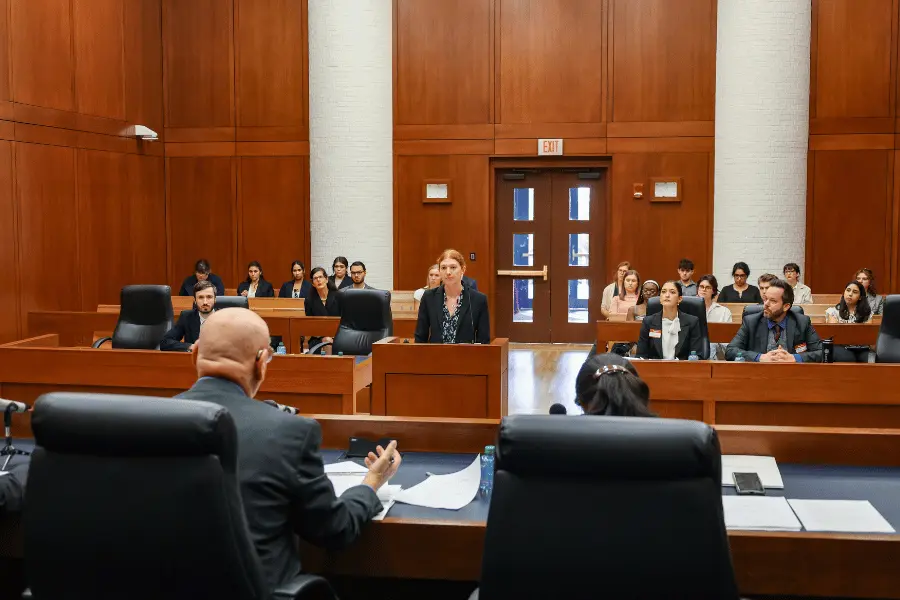
TALLAHASSEE, Fla. — For the fourth consecutive year, the Florida State University (FSU) College of Law is serving as the national epicenter for appellate advocacy focused on the rights of older adults. On October 9–10, the institution welcomed 14 elite law school teams from across the United States to compete in the prestigious Claude Pepper Elder Law Moot Court Competition. As the only moot court tournament in the nation dedicated exclusively to the nuanced and rapidly expanding field of elder law, this year’s event occupies a vital space at the intersection of legal education and public interest advocacy.
Against the backdrop of a rapidly aging American demographic, the 2026 competition centers its hypothetical yet intensely realistic appellate arguments on consumer protection issues within nursing facilities. Organized in partnership with the Claude Pepper Elder Law Clinic and backed by the generous support of the AARP Foundation, the two-day tournament challenges some of the country’s brightest law students to master complex statutory frameworks, refine their oral advocacy, and confront systemic vulnerabilities faced by elderly care facility residents.
This comprehensive report explores the operational dynamics of the competition, details the clinical foundation that makes FSU Law a leader in the discipline, examines the pressing socio-legal realities of nursing home consumer protection, and outlines the broader implications of training the next generation of elder rights advocates.
Detailed Chronology: The Road to the 2026 Competition
The path to the October 2026 Claude Pepper Elder Law Moot Court Competition represents a rigorous months-long journey for participating universities, student competitors, and the host institution alike. Understanding the timeline of this national event reveals the immense logistical planning and intellectual rigor required to execute a tournament of this caliber.
Spring and Summer 2026: Case Record Development
Months before the opening gavel in Tallahassee, legal scholars and clinical practitioners affiliated with FSU Law and the Claude Pepper Elder Law Clinic embarked on the intricate task of drafting the competition’s foundational problem record. Unlike general moot court competitions that utilize classic constitutional or corporate law frameworks, elder law moot problems require an acute understanding of specialized federal and state regulations, including the Medicare and Medicaid Acts, the Nursing Home Reform Act of 1987, state consumer protection statutes, and contract law governing long-term care admissions agreements.
For the 2026 installment, the clinical team engineered a sophisticated factual scenario touching upon consumer protection vulnerabilities in nursing facilities. The fictionalized case mirrors real-world disputes involving deceptive fee structures, mandatory arbitration clauses, inadequate resident care standards, and the procedural hurdles families face when seeking legal redress against corporate-owned long-term care chains.
August – September 2026: Campus Selection and Brief Writing
Following the release of the problem record, law schools nationwide selected their representative moot court teams—typically comprising two to three upper-level juris doctor candidates. Throughout late summer, these students conducted exhaustive legal research, drafted comprehensive written appellate briefs (merits briefs), and submitted them to FSU Law for rigorous blind grading by panels of practicing attorneys, appellate specialists, and clinical professors.
The written brief scoring phase serves as a vital preliminary filter, evaluating students on their statutory interpretation, clarity of prose, adherence to citation rules, and persuasiveness of legal reasoning. The top-scoring schools earned their invitations to travel to Tallahassee for the oral advocacy rounds.
October 9–10, 2026: The Oral Advocacy Rounds in Tallahassee
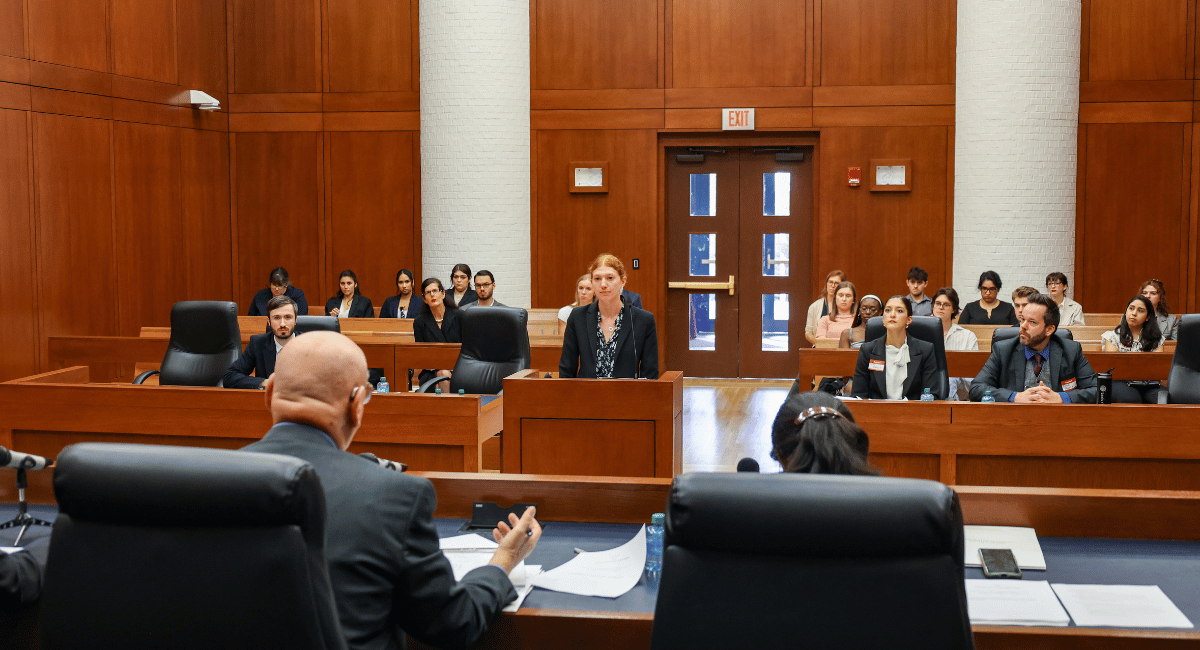
The competition officially commenced on Thursday, October 9, transforming the FSU College of Law campus into a dynamic appellate courtroom. Fourteen delegations from prominent law schools converged on the capital city to present oral arguments before benches comprising esteemed local and regional judges, experienced litigators, and elder law specialists.
Over two intense days of competition, student advocates navigated aggressive judicial questioning regarding the limits of arbitration in elder consumer disputes, the enforceability of liability waivers, and the scope of statutory protections afforded to vulnerable nursing home residents. The event culminated on Friday, October 10, with final rounds, concluding with an awards ceremony honoring excellence in both brief-writing and oral advocacy. For those unable to attend in person, FSU Law provided a comprehensive livestream of the proceedings, broadening the educational impact of the tournament for legal communities nationwide.
Supporting Context & Metrics: The Clinical Engine Behind the Competition
To fully appreciate the significance of the Claude Pepper Elder Law Moot Court Competition, one must examine the institution that anchors it: the Claude Pepper Elder Law Clinic at the FSU College of Law.
The Claude Pepper Elder Law Clinic: A Beacon of Public Interest
Established to honor the legacy of the late U.S. Representative and Senator Claude Pepper—a legendary champion of the elderly—the clinic operates as Florida’s sole law school clinic dedicated exclusively to senior advocacy. Under the direction of Clinical Professor Rima Nathan, the clinic bridges the gap between theoretical classroom legal education and high-stakes, real-world practice.
The clinic’s operational metrics and scope of impact underscore its critical role in the regional legal ecosystem:
- Client Representation: Law students working under the direct supervision of experienced clinical faculty provide pro bono legal representation to low-income seniors. These clients frequently face crisis situations, including elder abuse, severe financial exploitation, housing instability, and predatory consumer practices.
- Healthcare and Advanced Planning: Student clinicians assist older adults in drafting critical legal documents, such as advance directives, durable powers of attorney, and healthcare surrogate designations, ensuring that vulnerable individuals retain autonomy over their medical and financial futures.
- Public Benefits Advocacy: The clinic actively assists seniors in navigating complex administrative frameworks to secure essential public benefits, including Medicaid, Medicare, Social Security, and veterans’ pensions.
- Community Education and Policy Initiatives: Beyond individual casework, the clinic conducts outreach programs to educate the senior community regarding common financial scams, consumer fraud, and fraud prevention, while participating in systemic policy advocacy to strengthen state and federal protections.
The Nursing Home Crisis: Grounding the Moot Problem in Reality
The choice of consumer protection in nursing facilities as the 2026 competition topic is far from coincidental. It directly reflects a mounting national crisis regarding transparency, accountability, and safety in long-term care facilities.
According to data compiled by federal agencies and healthcare watchdogs, the American population is aging at an unprecedented rate. By 2030, all baby boomers will be older than 65, expanding this demographic segment to more than 20% of the U.S. population. Concurrently, the private equity acquisition of nursing homes has surged, with corporate entities frequently prioritizing profit margins over resident care quality.
Common legal flashpoints in modern nursing facility litigation—and the core themes addressed by the 2026 moot court problem—include:
- Forced Arbitration Clauses: Many long-term care admission agreements require residents or their families to sign mandatory pre-dispute arbitration clauses as a condition of entry. These clauses strip residents of their Seventh Amendment right to a jury trial, steering grievances into private arbitration forums that historically favor corporate defendants and limit financial recovery for negligence or abuse.
- Hidden Fees and Financial Exploitation: Families frequently encounter unexpected charges, unauthorized billing practices, and opaque financial disclosures that drain a resident’s remaining assets, leaving them vulnerable to involuntary discharge or Medicaid displacement.
- Consumer Protection Statutes: Utilizing state Deceptive and Unfair Trade Practices Acts (DEUTPA) alongside traditional elder abuse statutes has emerged as a crucial litigation strategy for holding abusive facilities accountable when standard medical malpractice frameworks present procedural roadblocks.
By forcing law students to grapple with these complex, high-stakes dilemmas, the competition ensures that the next generation of lawyers is well-equipped to challenge systemic injustices within the healthcare industry.
Official Statements and Institutional Perspectives
Leadership from both FSU College of Law and its primary philanthropic partner, the AARP Foundation, emphasized the profound educational and societal importance of the competition.
FSU College of Law Leadership
FSU Law Dean Erin O’Hara O’Connor highlighted how the tournament aligns with the institution’s core mission of fostering elite advocacy skills while instilling a deep sense of professional responsibility.
"Each year, this competition brings law students from across the country to FSU Law to develop their appellate advocacy skills while engaging with complex legal issues affecting older adults," said Dean O’Hara O’Connor. "It reflects both the strength of our elder law program and our commitment to preparing students to advocate effectively for the people and communities they will serve."
Clinical Director Rima Nathan echoed these sentiments, emphasizing that while the legal scenarios argued by the students are fictional, they mirror the stark realities encountered by practicing elder law attorneys every single day.
"Though the problem students will argue is fictional, it reflects a real and growing issue in elder law practice," noted Nathan. "The competition gives students an opportunity to grapple with those complexities while developing persuasive legal arguments and advocating their positions before experienced attorneys and judges."
AARP Foundation Partnership
The ongoing success of the competition is made possible through the steadfast support of the AARP Foundation. As the philanthropic affiliate of AARP, the Foundation works tirelessly to reduce poverty among older adults, secure economic security, and fiercely advocate for the legal rights of individuals aged 50 and older—with a particular focus on low-income populations.
Louis Lopez, Senior Vice President of AARP Foundation Litigation, underscored the direct connection between the moot court problem and the Foundation’s daily legal battles in courts nationwide.
"Nursing facility cases reflect the issues AARP Foundation attorneys take on every day to protect residents and their families," stated Lopez. "We’re proud to help cultivate a new generation of lawyers who will carry that work forward and stand up for older adults."
Through strategic litigation, policy advocacy, and support for educational initiatives like the Claude Pepper competition, the AARP Foundation continues to shape a legal landscape where aging with dignity and legal protection is guaranteed rather than privileged.
Future Outlook: The Expanding Horizon of Elder Law
As the 2026 Claude Pepper Elder Law Moot Court Competition concludes, its enduring impact extends far beyond the trophies awarded in Tallahassee. The event serves as a crucial incubator for talent, channeling motivated law students into careers dedicated to public interest law, elder advocacy, and health law litigation.
Looking toward the future, the demand for specialized legal professionals trained in elder law will only intensify. As life expectancies rise and the legal frameworks governing long-term care, digital asset management, elder financial exploitation, and artificial intelligence in healthcare grow increasingly sophisticated, law schools face an imperative to expand clinical and competitive offerings in this domain.
The Florida State University College of Law, anchored by the Claude Pepper Elder Law Clinic and bolstered by national partnerships with organizations like the AARP Foundation, stands uniquely positioned at the vanguard of this movement. By continuously refining the discourse surrounding senior rights and consumer protection, FSU Law ensures that the legal profession remains vigilant, compassionate, and fiercely dedicated to defending those who built our communities.
For further details regarding past competition records, team registrations for future cycles, or to view archived livestreams of the 2026 oral arguments, interested parties are encouraged to visit the official FSU Law Elder Law Competition website.

0 Comments