

TALLAHASSEE, Fla. — As democracies worldwide face unprecedented stress tests from polarization, institutional decay, and rising authoritarian sentiments, the foundational question of why citizens choose to obey—or defy—their governing bodies has never been more urgent.
To address this critical global challenge, Florida State University’s (FSU) Department of Political Science, housed within the College of Social Sciences and Public Policy (COSSPP), is preparing to host a landmark public lecture by James L. Gibson, one of the world’s foremost authorities on political tolerance and institutional legitimacy.
Titled “Legitimacy: The Theory of the Century,” the upcoming lecture will draw upon Gibson’s decades-spanning empirical research to decode how public institutions—ranging from courts and legislatures to economic and social frameworks—earn, maintain, or ultimately squander their authority.
The event, which is free and open to the public, arrives at a pivotal moment for contemporary political science. As democracies confront the modern phenomenon of democratic backsliding, Gibson’s insights offer both a diagnostic tool for understanding institutional decay and a roadmap for safeguarding democratic resilience.
Executive Overview
The crisis of institutional legitimacy is defining the political landscape of the 21st century. From declining public trust in judicial systems to the fraying norms of electoral integrity, the willingness of populations to recognize the rightful authority of governing bodies is eroding.
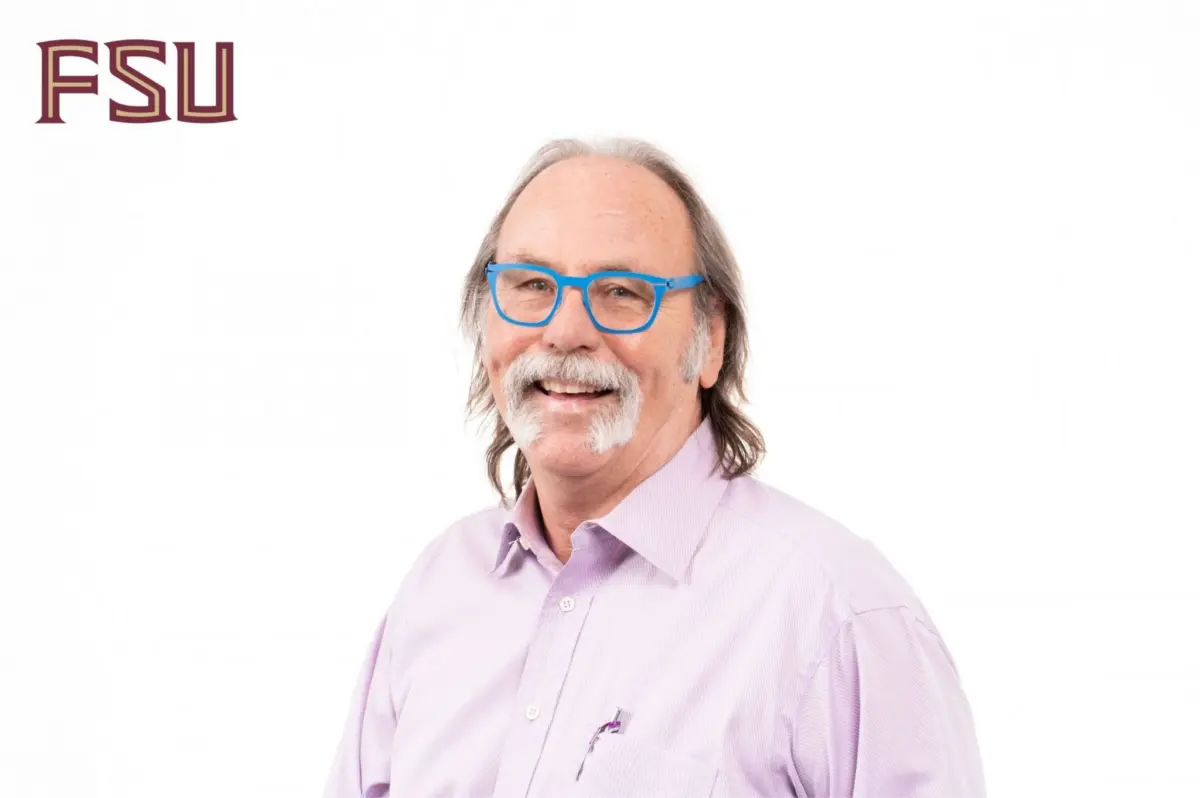
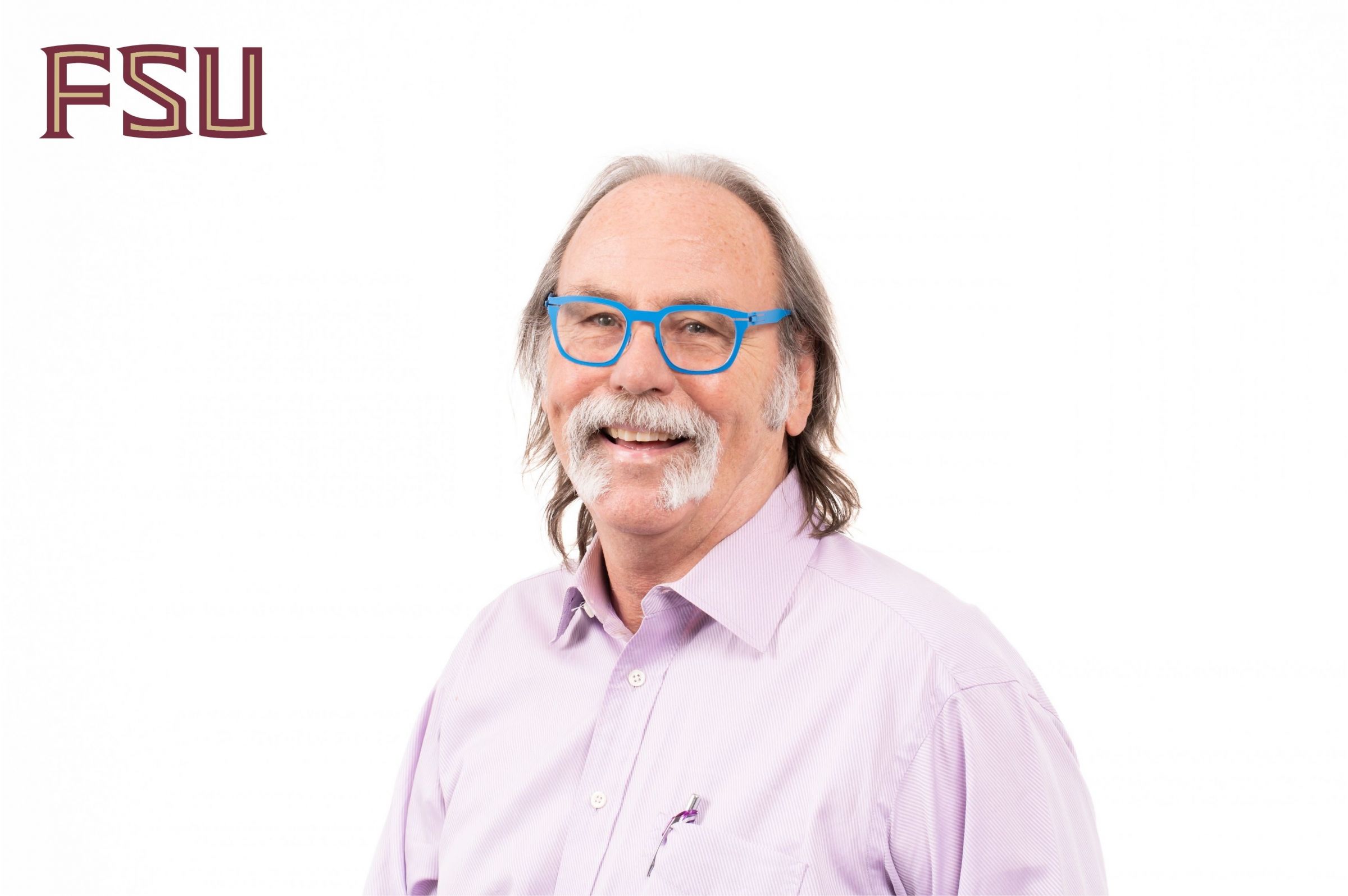
At the center of this discourse is James L. Gibson, who joined the FSU faculty this fall as the Provost’s Research Professor of Political Science. With a career spanning more than 40 years, Gibson has redefined how political scientists measure and understand public support for legal and political institutions.
This comprehensive report explores the significance of Gibson’s upcoming lecture, traces his illustrious academic trajectory, examines the broader structural framework of the FSU Department of Political Science, and analyzes the future outlook for democratic institutions in an era of heightened political volatility.
Detailed Chronology: Event Logistics and Core Themes
Event Schedule and Venue
The lecture and subsequent reception are scheduled to take place on Tuesday, Oct. 13, 2026, on FSU’s main campus in Tallahassee, Florida.
- 3:30 P.M. — Featured Lecture: James L. Gibson delivers “Legitimacy: The Theory of the Century.”
- 4:30 P.M. — Public Reception: An interactive gathering allowing students, faculty, and community members to engage directly with the speaker.
- Venue: Beth Moor Lounge, Longmire Building (125 Convocation Way, Tallahassee, FL).
Decoding "Legitimacy: The Theory of the Century"
During the 90-minute engagement, Gibson will explore the mechanics of sociological legitimacy—a concept that has long served as the bedrock of the social sciences. Sociological legitimacy is fundamentally defined as the widespread psychological disposition among citizens to view political, legal, and economic institutions as morally justified and worthy of voluntary compliance.
Unlike mere performance-based approval (which fluctuates depending on whether the economy is thriving or a specific policy is popular), deep-seated institutional legitimacy acts as a reservoir of goodwill. It allows institutions to make and enforce decisions that citizens may personally disagree with, confident that the public will still accept the authority of the ruling body.
However, Gibson’s lecture will present rigorous empirical evidence demonstrating how this crucial reservoir can be systematically drained. Specifically, he will address:
- The Erosion of Authority: How sustained partisan attacks, corruption scandals, and administrative overreach gradually erode public trust.
- The Mechanics of Backsliding: How democratic backsliding—where elected leaders systematically weaken checks and balances—weaponizes institutional distrust to consolidate power.
- Cross-Disciplinary Applications: How the theory of sociological legitimacy extends beyond political science into sociology, economics, and legal studies.
Supporting Context & Metrics: The Scholar and the Institution
A Career Dedicated to Democratic Resilience
To fully understand the gravity of Gibson’s lecture, one must examine the extraordinary career of the scholar himself. For over four decades, James L. Gibson has stood at the vanguard of empirical research on political tolerance, judicial politics, and democratic legitimacy.
His academic footprint is immense. Gibson has authored or co-authored more than 100 scholarly articles in leading academic journals and has penned several seminal books that have shaped modern political science curricula. Notable among his recent publications are:
- Democracy’s Destruction? (2024), a piercing analysis of the vulnerabilities facing modern democratic systems and the internal mechanisms that threaten self-governance.
- Black and Blue: African Americans, the Police, and the Rule of Law (2018), an exhaustive study examining the complex relationship between marginalized communities and legal enforcement agencies.
In recognition of his monumental contributions to the discipline, Gibson was awarded the prestigious 2026 Warren E. Miller Award by the American Political Science Association (APSA). The award honors career-defining excellence in the study of elections, public opinion, and voting behavior, cementing Gibson’s status as a titan in social science research.
The Host: FSU’s Department of Political Science
Gibson’s arrival at Florida State University represents a major coup for the institution, further elevating the profile of the Department of Political Science within the College of Social Sciences and Public Policy (COSSPP).
The department is a powerhouse of academic productivity and student engagement, boasting metrics that place it among the elite political science programs in the nation:
- Student Body: Home to approximately 1,300 undergraduate majors, the department accounts for roughly one-third of all undergraduate students within COSSPP.
- Faculty Excellence: Consistently recognized globally for its high research output, citation impact, and influence in public policy debates.
- Global Ph.D. Pipeline: The department’s doctoral program attracts top-tier graduate students from around the globe, training the next generation of researchers and educators.
- The APPLE Program: FSU houses the Applied Politics & Policy Learning Experience (APPLE) program—the only initiative of its kind in the nation. APPLE provides undergraduates with immersive, hands-on political experience through competitive placements in the Florida Legislature and in Washington, D.C.
Official Statements and Academic Perspectives
The integration of world-class scholars like Gibson into the FSU ecosystem highlights the university’s ongoing commitment to fostering rigorous, evidence-based public discourse.
While institutional leaders emphasize the practical value of Gibson’s research in navigating contemporary political divides, academic peers have frequently praised his methodological rigor. In reviews of his recent work, fellow political scientists have noted that Gibson’s ability to merge survey research with profound theoretical frameworks offers a rare clarity in an increasingly polarized academic landscape.
"The study of legitimacy is not merely an academic exercise; it is the study of why social order holds together," notes departmental literature outlining the upcoming event. "As public trust in core institutions faces historic lows, Dr. Gibson’s work provides the empirical compass required to understand where our democratic systems stand—and where they may be heading."
Future Outlook: Rebuilding Trust in a Polarized Era
As the date for “Legitimacy: The Theory of the Century” approaches, the broader implications of Gibson’s research extend far beyond the walls of the Longmire Building.
The central question facing political scientists, policymakers, and citizens alike is whether modern democratic institutions possess the self-correcting mechanisms necessary to restore lost legitimacy. If sociological legitimacy is indeed being eroded by deliberate polarization and democratic backsliding, reversing the trend will require more than policy adjustments—it will require a fundamental renewal of civic education and institutional transparency.
By bringing a scholar of Gibson’s caliber to Tallahassee, Florida State University is positioning itself as a central hub for vital conversations about the future of governance. For students, researchers, and community members attending the Oct. 13 lecture, the event offers a rare opportunity to engage with ideas that are actively shaping the future of global democracy.
Event Details Summary
- What: “Legitimacy: The Theory of the Century” Public Lecture by James L. Gibson
- When: Tuesday, Oct. 13, 2026 (Talk at 3:30 P.M., Reception at 4:30 P.M.)
- Where: Beth Moor Lounge, Longmire Building, 125 Convocation Way, Tallahassee, FL
- Cost: Free and open to the public

0 Comments