
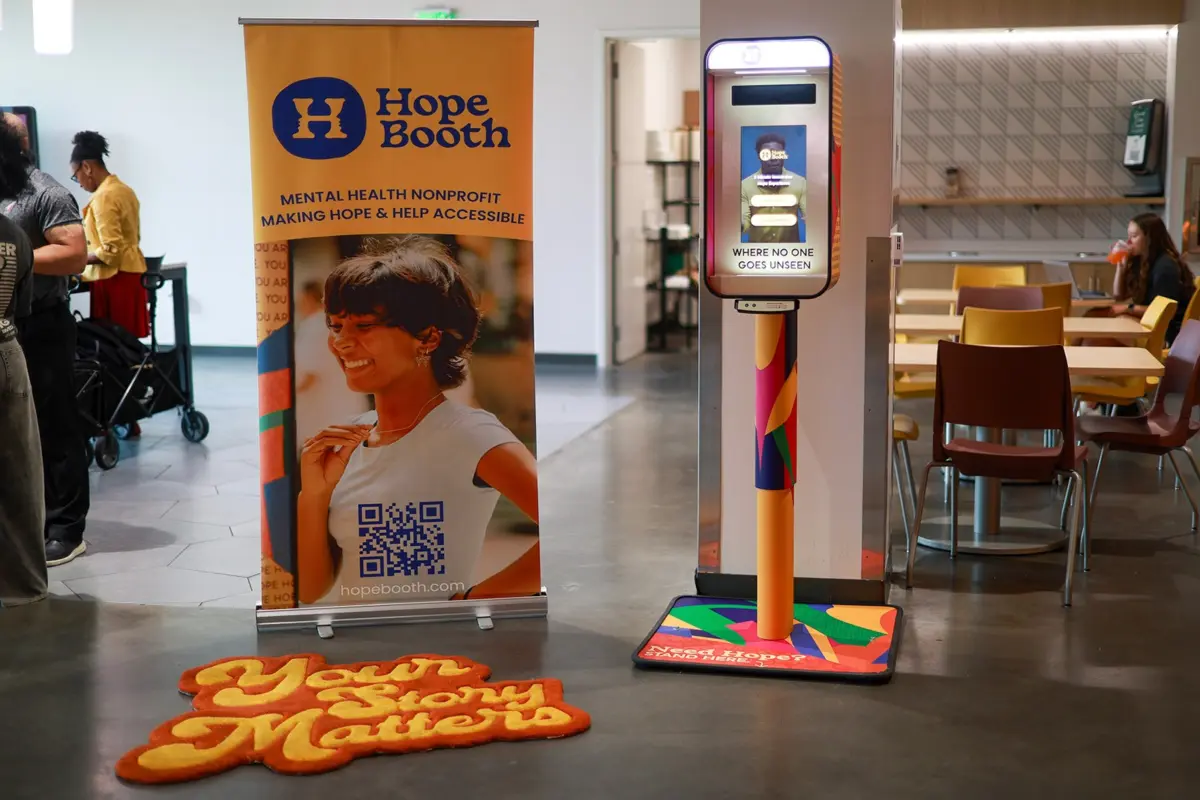

TALLAHASSEE, Fla. — In an era where student mental health challenges on college campuses have reached unprecedented levels, Florida State University (FSU) has taken a bold, trailblazing step. By officially welcoming the nation’s very first collegiate "Hope Booth" into the heart of its campus, FSU has solidified its position as a national leader in proactive wellness, destigmatization, and accessible mental healthcare.
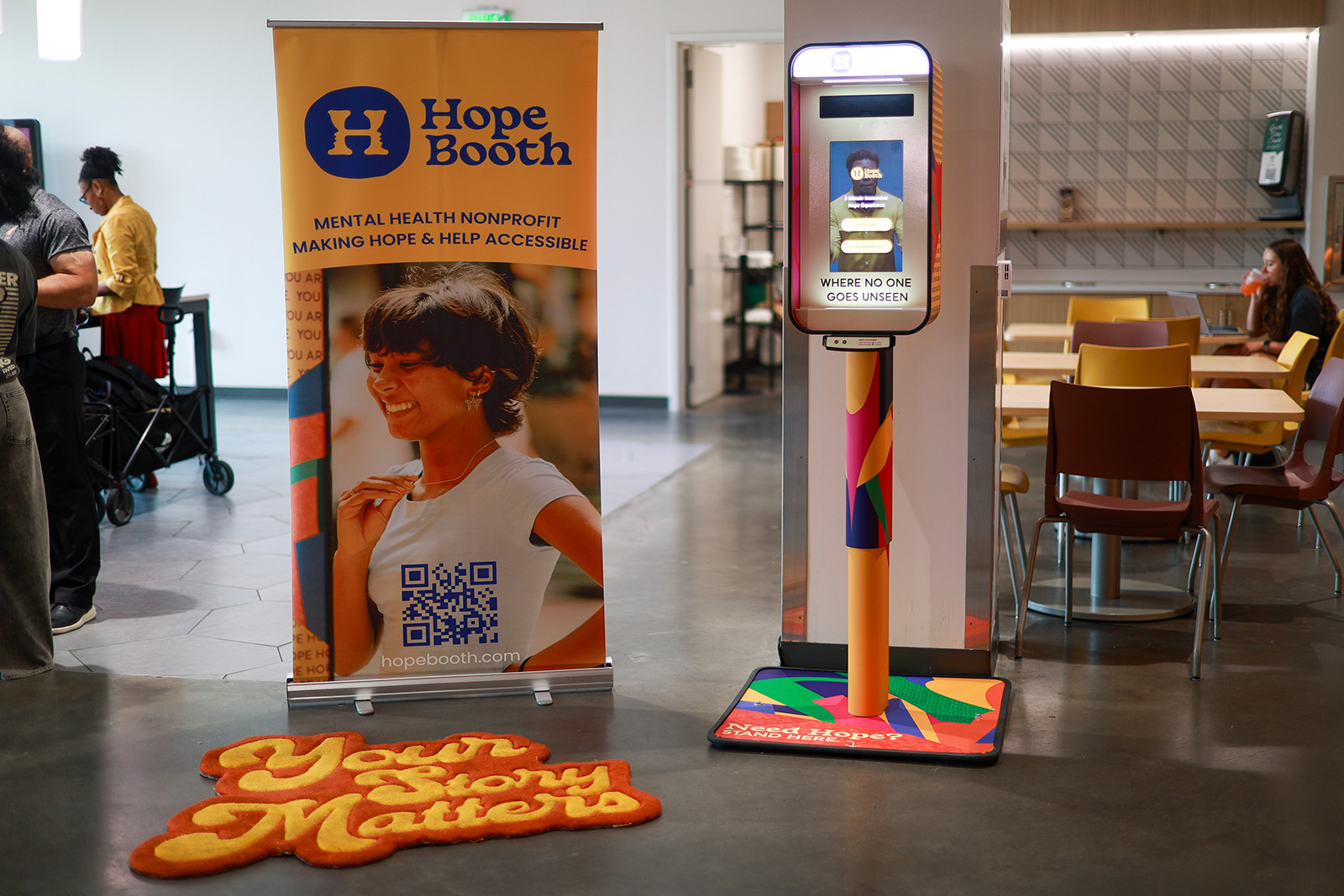
Installed on the bustling first floor of the newly minted FSU Student Union, the interactive, high-tech booth is designed to intercept stress, foster emotional resilience, and connect individuals with free, evidence-based mental health resources in real time. Developed by the Atlanta-based mental health and suicide prevention nonprofit Hope Booth, this installation marks a significant milestone: the organization’s 42nd overall placement, spanning across 18 states and three countries, but its absolute debut within a higher education institution.
As universities across the United States grapple with surging demands for psychological counseling services, FSU’s integration of the Hope Booth offers a compelling blueprint for how campuses can blend technology, visibility, and empathy to support their communities.
Executive Overview: A New Frontier in Campus Mental Health
The modern university experience is a crucible of academic pressure, social adaptation, and the transition into early adulthood. While campus counseling centers have historically served as the primary line of defense, they are frequently constrained by physical capacity, staffing limitations, and lingering social stigmas that deter students from seeking help until they reach a breaking point.
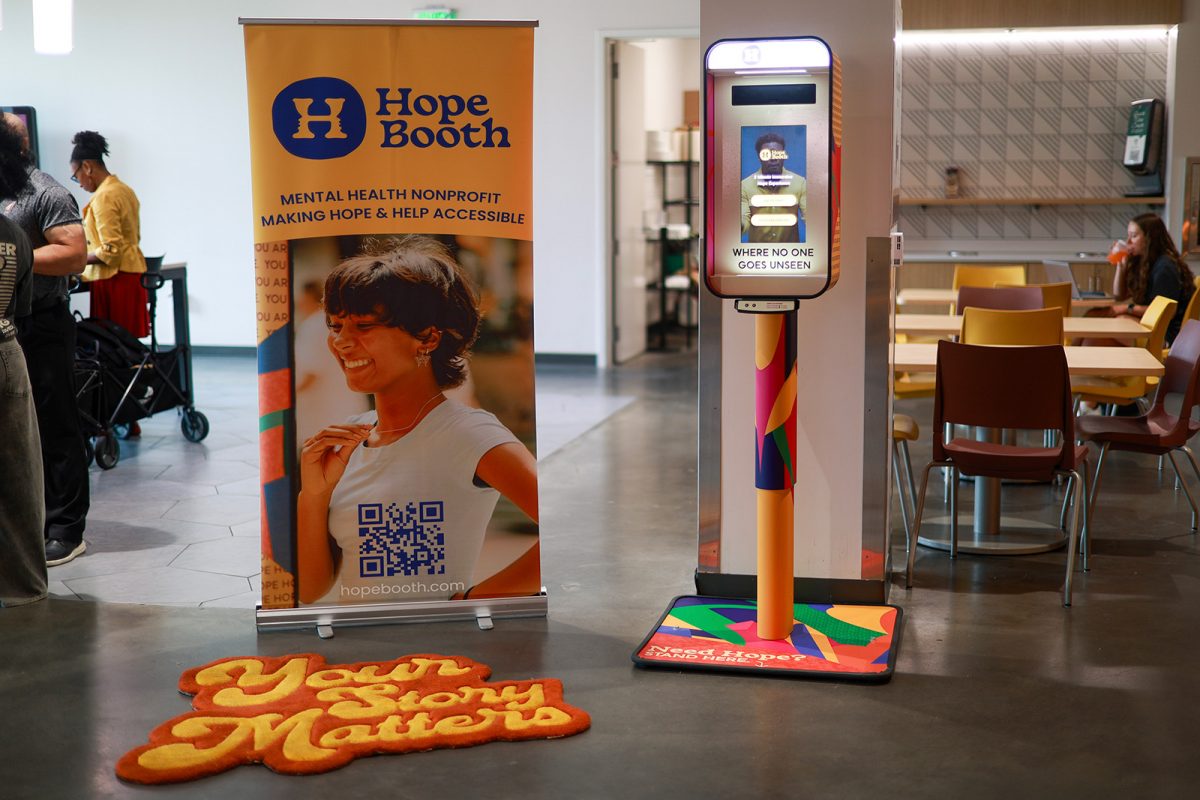
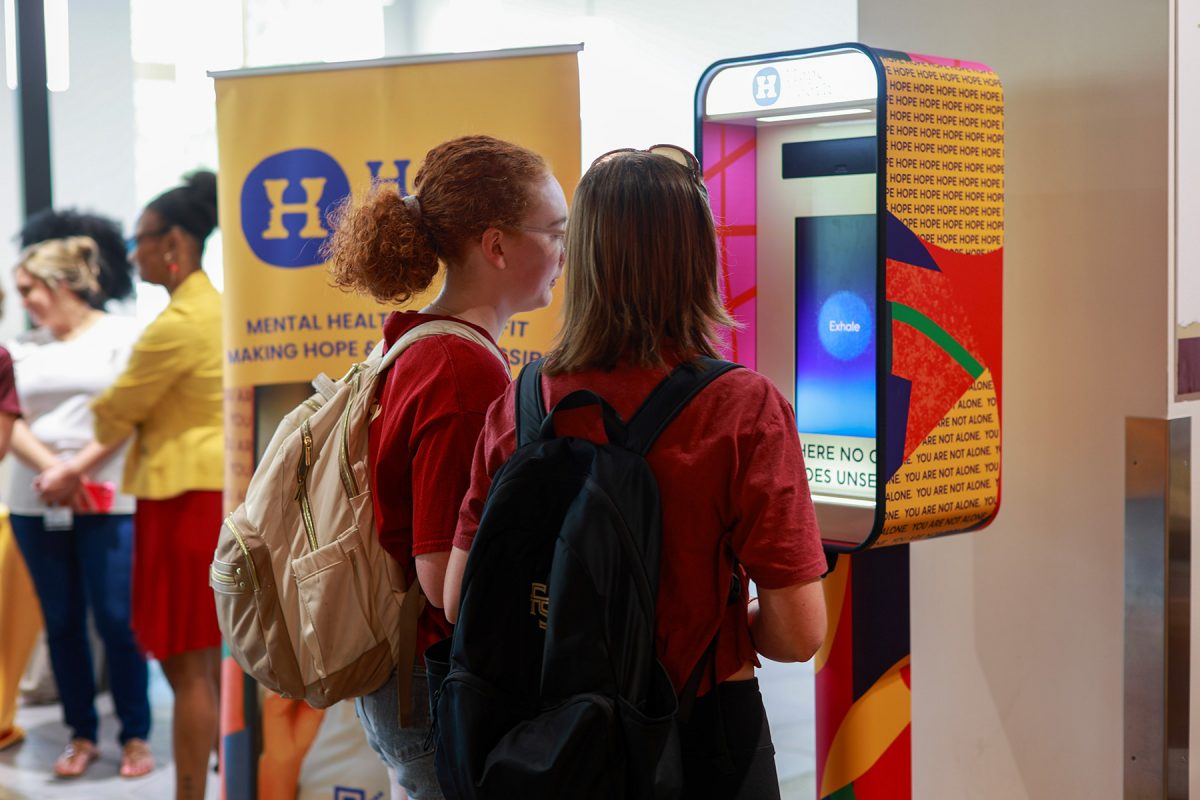
Enter the Hope Booth—a sleek, accessible, three-minute interactive portal designed to change the narrative surrounding mental health care. Strategically situated in a high-traffic area of the FSU Student Union to maximize visibility and normalize its usage, the booth invites students, faculty, staff, and visitors to pause their busy days for a moment of reflection.
Through guided video experiences, closed-captioning accessibility, and adjustable-height interfaces, users are led through a brief series of interactive prompts. The system responds with tailored words of encouragement, breathing exercises, and actionable mental health strategies.
Backed by a $25,000 grant from the Stanley 1913 Creators Fund and secured for a minimum two-year residency on campus, the Hope Booth is not merely a novelty; it is a meticulously engineered psychological intervention. Developed in close collaboration with a board of mental health experts, the booth’s programming ensures that every interaction is grounded in clinical best practices, offering a vital bridge between everyday stress and professional care.
Detailed Chronology: From Concept to Campus Reality
The journey of bringing the Hope Booth to Florida State University is a testament to cross-sector collaboration, strategic vision, and an urgent institutional commitment to student welfare.
The Seed of an Idea
The conceptual framework for the Hope Booth was born out of a stark reality: traditional mental health pathways often feel intimidating, clinical, or difficult to access for individuals experiencing acute stress. The Atlanta-based nonprofit set out to decentralize mental health support, embedding brief, uplifting psychological interventions directly into everyday physical environments—such as airports, corporate offices, and now, a major university campus.
Funding and Logistics
The realization of the project at FSU was accelerated by philanthropic backing. The $25,000 funding required for the booth’s installation and initial programming was made possible through the Stanley 1913 Creators Fund. University administrators, working alongside FSU Counseling & Psychological Services (CAPS) and the Division of Student Affairs, identified the bustling FSU Student Union as the ideal epicentre for the installation. High visibility was a primary goal; the university wanted to ensure that walking past or stepping inside the booth would feel as commonplace and unstigmatized as grabbing a cup of coffee or checking a campus map.
The Unveiling and Launch
The official ribbon-cutting and unveiling ceremony brought together university leadership, mental health advocates, and students in the Student Union. Gloria Umanah, the visionary founder and CEO of Hope Booth, addressed the gathered crowd, sharing the philosophical underpinnings of the initiative.
Since its activation, the booth has recorded extraordinary engagement metrics, proving that the campus community was more than ready for a fresh, accessible approach to emotional wellness. In its very first 10 days of operation, an astonishing 374 individuals utilized the Hope Booth, signaling an immediate and enthusiastic embrace of the resource.
Supporting Context & Metrics: Quantifying the Need and the Impact
To fully understand the significance of FSU’s Hope Booth, one must examine the broader landscape of student mental health and the staggering utilization rates of the university’s existing support systems.
The Scale of Demand at FSU
FSU Counseling & Psychological Services (CAPS) has experienced a sustained surge in demand over recent years. During the 2025–2026 academic year alone, CAPS provided direct care and outreach to more than 12,000 members of the FSU community. This figure underscores a nationwide trend: college students are facing unprecedented levels of anxiety, depression, and burnout.
Bridging the Gap Through Prevention
While CAPS offers comprehensive clinical therapy, psychiatry, and crisis intervention, preventive resources are equally critical in mitigating severe mental health crises before they develop. This is where the Hope Booth plays a vital role.
By functioning as an early-intervention tool, the booth helps lower the activation energy required to seek help. Users are not required to schedule an appointment, fill out lengthy intake forms, or navigate insurance paperwork. Instead, they step inside for a three-minute digital sanctuary that meets them exactly where they are.
Usage Statistics in Focus
- First 10 Days: 374 individual sessions recorded at the FSU Student Union booth.
- National Footprint: FSU represents the 42nd Hope Booth installation globally, joining networks across 18 states and three countries since the initiative’s inception in October 2021.
- Duration of Commitment: The booth is locked into a two-year residency at FSU, ensuring long-term institutional data collection and continuous community access.
Official Statements: Leadership Perspectives on Wellness
The launch of the Hope Booth has elicited profound enthusiasm from university executives, mental health professionals, and the nonprofit’s leadership alike.
Amy Hecht, Vice President for Student Affairs:
"Florida State is actively fighting to help break down the barriers and stigma of mental health concerns. We are grateful to offer the Hope Booth on campus, expanding our wellness support with this innovative resource."
Gloria Umanah, Founder and CEO of Hope Booth:
During her keynote remarks at the unveiling, Umanah drew a powerful parallel between physical and mental upkeep:
"Think of your mental health as performing maintenance on a vehicle with certain steps car owners can take to help keep the car running before the check engine light comes on. We think mental health care should be the same. You don’t have to be on the verge of crisis. What does it look like to take care of our mental health, to rejuvenate our own hope and then spread that hope everywhere we go so eventually we pioneer a movement where no one goes unseen? Hope should be in the way, in our everyday spaces and places. It is not an embarrassment or a shame to use a Hope Booth."
Carlos J. Gómez, Associate Vice President for Health, Wellness, and Safety and Dean of Students:
Highlighting the strategic placement of the booth, Gómez noted:
"In the first 10 days, 374 individuals have used the Hope Booth. We are pleased to create another space on campus where students can pause, reflect and connect with mental health resources."
Yvonne Langdon-Maduekwe, Director of FSU Counseling & Psychological Services (CAPS):
Emphasizing the clinical rigor and community-building aspects of the initiative, Langdon-Maduekwe stated:
"It’s another step toward fostering an even healthier, supportive FSU community. Seeing students consistently come to CAPS each year demonstrates the need for mental health support amongst college students and highlights the value of these supports on our campus. The Hope Booth provides students with a space to engage in guided, evidence-based activities designed to reduce stress, build resilience and promote emotional well-being."
Rebecca Whitfield, Associate Director for Treatment Coordination and Outreach for CAPS:
"Through outreach, CAPS not only provides education and prevention services, but also ensures that we are visible and accessible to the students, allowing them to seek the support they need."
Future Outlook: A New Paradigm for Higher Education
As Florida State University evaluates the initial two-year run of the Hope Booth, the implications of this pilot project extend far beyond the borders of the Tallahassee campus.
Higher education institutions nationwide are watching closely. If FSU’s high engagement metrics—nearly 40 appointments or interactions per day in its opening week—are sustained, the Hope Booth model could become a standard architectural and programmatic fixture in student unions across the country.
The integration of technology-driven, destigmatized wellness tools points toward a future where campus mental health care is decentralized, proactive, and seamlessly woven into the fabric of daily student life. By refusing to let mental health remain a taboo subject confined to back-office clinics, FSU has brought hope directly into the open—ensuring that every student, faculty member, and visitor knows they are seen, supported, and never truly alone.
Need Immediate Support?
If you or someone you know is struggling with mental health, stress, or a personal crisis, resources are available:
- FSU Counseling & Psychological Services (CAPS): Visit the FSU CAPS Website or call (850) 644-TALK (8255).
- Hope Booth Initiative: Learn more about the national nonprofit at hopebooth.org.
- National Suicide Prevention Lifeline: Dial 988 for immediate, confidential support available 24/7.

0 Comments