As artificial intelligence continues to disrupt traditional paradigms across industries, higher education finds itself at a critical crossroads. Institutions are no longer debating whether to adopt generative AI, but rather how to integrate it responsibly without compromising academic integrity, equity, or the foundational human elements of teaching and learning. Amidst this national transformation, Florida State University (FSU) has emerged as an authoritative leader, showcasing a pragmatic, data-driven approach that is drawing attention from top-tier technology giants and peer institutions alike.
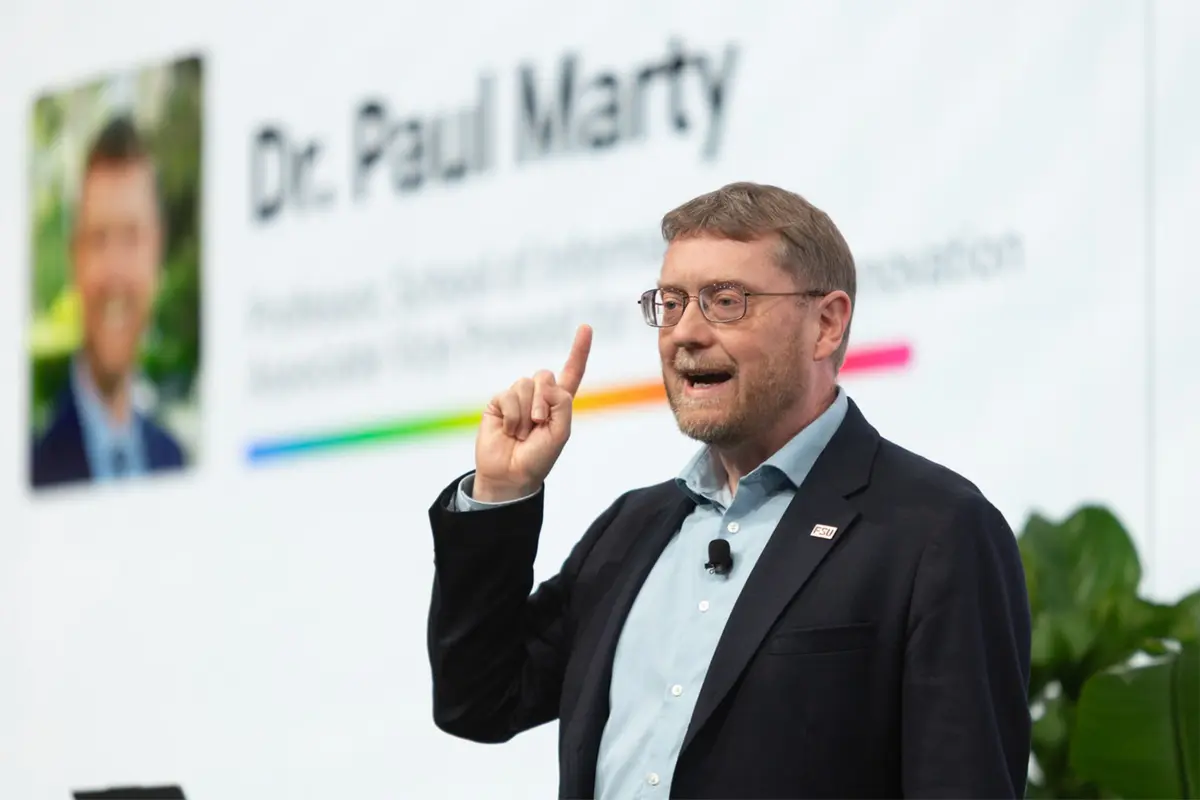
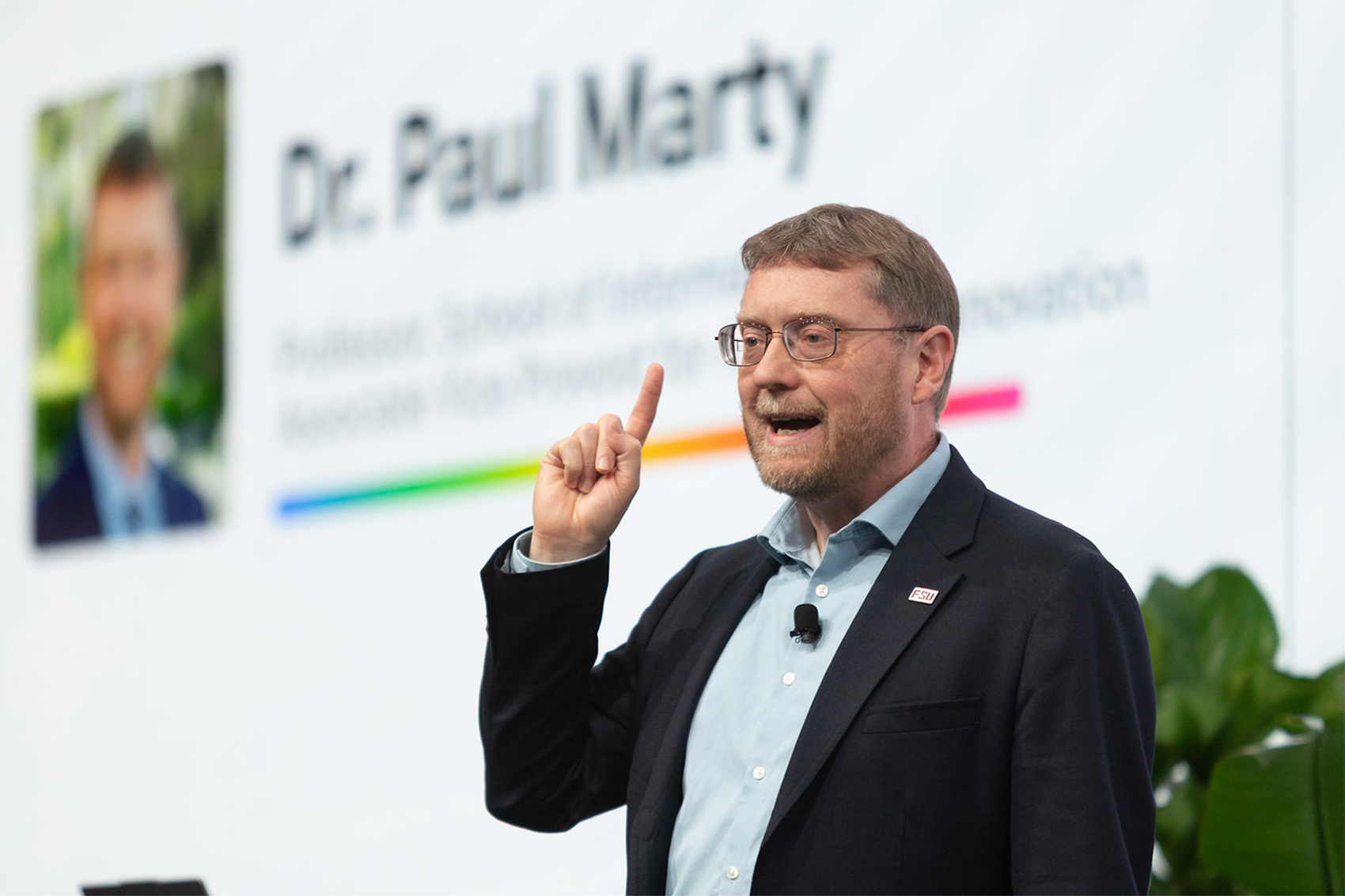
This past summer, FSU’s leadership in academic innovation took center stage at Google’s North American headquarters in New York City. Represented by Dr. Paul Marty—Professor in the School of Information, College of Communication and Information, and Associate Vice Provost for Academic Innovation—FSU brought its institutional framework for AI integration to back-to-back national gatherings. These included the prestigious Google GSV Higher Ed Leader Fellowship and the Google Higher Ed Leader Series Conference.
FSU’s active role as part of Google’s AI for Education Accelerator and a Gemini for Education partner underscores a broader institutional strategy: to harness disruptive innovations while prioritizing student learning, ethical engagement, and the public good. By emphasizing structured environments like Gemini Notebook (formerly NotebookLM) and fostering a campus-wide culture of digital literacy, FSU is actively redefining the value proposition of a modern public research university. This in-depth report examines FSU’s recent milestones, technological implementations, pedagogical philosophies, and the broader implications of its national leadership in educational technology.
Detailed Chronology: FSU’s Summer of National AI Leadership
FSU’s recent national engagements represent the culmination of sustained, strategic institutional planning. The timeline of these high-profile appearances highlights how the university transitioned from an internal adopter of educational technology to an external consultant and guide for higher education nationwide.
Step-by-Step Evolution of FSU’s AI Integration and Outreach
Foundational Partnerships (2025): FSU formally joined Google’s AI for Education Accelerator program, establishing itself as a Gemini for Education partner. This laid the technological groundwork for campus-wide experimentation, granting students and educators access to secure, university-managed AI tools designed to enhance productivity and personalized learning.
The 2026 Google GSV Fellowship Selection: Dr. Paul Marty was selected as a member of the elite 2026 cohort of Google GSV Higher Ed Leader Fellows—an exclusive group of just 30 academic leaders chosen from across North America to examine the long-term impact of AI on postsecondary education.
Monthly Cohort Sessions and the New York Summit: Leading up to the summer, the fellowship cohort convened monthly via virtual platforms, culminating in an intensive, two-day policy and strategy summit at Google’s St. John’s Terminal headquarters in New York City.
Google Higher Ed Leader Series Conference: Immediately following the fellowship summit, Marty transitioned to Google’s flagship leadership conference, an annual gathering that convenes university presidents, provosts, and chancellors to discuss large-scale AI integration and institutional roadmaps.
National Showcase and Demonstrations: During the conference, Google premiered a documentary-style feature video filmed on FSU’s Tallahassee campus. The video—featuring FSU Chief Information Officer Jonathan Fozard and various faculty members—highlighted practical, cross-disciplinary applications of AI, setting the stage for live demonstrations by Marty.
To understand why FSU was selected to lead national discussions at Google’s headquarters, one must examine the specific technological ecosystem the university has cultivated. FSU’s approach relies heavily on secure, context-aware platforms that prevent common pitfalls such as hallucinations, data leakage, and unverified information sourcing.
The Power of Gemini Notebook in the Classroom
A cornerstone of FSU’s AI strategy is the deployment of Gemini Notebook (built on the infrastructure formerly known as NotebookLM). Unlike open-web generative AI chatbots that pull from vast, unverified internet data—often resulting in factual inaccuracies—Gemini Notebook operates under strict constraint parameters: it limits its answers exclusively to user-uploaded sources and provides direct citations for every generated response.
This architecture has transformed how professors construct study aids and how students interact with complex course material. A prime example highlighted during the New York conference involved Ralm Ricarte, an assistant professor of chemical engineering at the FAMU-FSU College of Engineering.
The Application: Professor Ricarte developed a custom thermodynamics notebook for his Introduction to Thermodynamics course.
The Materials: The notebook was populated using verified lecture notes, authoritative course textbooks, and specific problem sets.
The Student Experience: Students interacting with the tool gain access to a 24/7 digital assistant grounded entirely in the curriculum. They can generate customized study guides, interactive practice quizzes, and audio-video overviews without risking exposure to external misinformation.
Institutional Support and Training Infrastructure
Technological tools alone cannot drive pedagogical success; institutional support is equally vital. FSU has systematically addressed this by integrating AI literacy into student support services.
The Academic Center for Excellence (ACE): FSU’s ACE Learning Studio hosts regular, structured workshops designed to teach students how to utilize AI responsibly. Rather than viewing AI as a shortcut for cheating, ACE frames these tools as advanced collaborative partners for inquiry-based learning.
The Information Technology Services (ITS) Division: Collaborating closely with CIO Jonathan Fozard, ITS ensures that all deployed AI tools comply with institutional data governance standards, protecting student privacy while maximizing computational utility.
Official Statements and Pedagogical Philosophy
The transition toward automated learning assistants has sparked intense national debates regarding academic dishonesty, the devaluation of writing skills, and the future of human instruction. FSU leadership has consistently met these concerns with a grounded, philosophy-driven counter-narrative.
Speaking on the core mission of higher education within the fellowship summit, Dr. Paul Marty emphasized that discussions regarding AI are fundamentally discussions about the future purpose of universities:
"We may be there ostensibly to talk about AI in higher education, but what we’re really talking about is the future of higher education," Marty noted during his fellowship discussions. "Generative AI is prompting us to really buckle down and answer core questions about the value proposition of higher ed—for example, how can we move away from transactional relationships and reposition higher education as a public good where students engage in meaningful, transformative learning experiences."
Marty also addressed the persistent anxiety surrounding student laziness and cheating, offering a sharp pedagogical distinction between passive consumption and active cognitive processing:
"When it comes to AI in education, it’s important to remember that the person who does the work does the learning. If all a student does is copy and paste, they aren’t learning. But when used properly, these tools can act like an extremely well-read digital assistant available 24/7. As educators, we can show students how to harness that capability ethically to become better learners."
Reflecting on FSU’s standing among peer institutions, Marty pointed out that the university’s holistic model—combining rigorous administrative data culture with deeply engaged faculty and students—serves as a blueprint for the rest of the country:
"When other public universities look at what FSU is accomplishing — from our data-driven campus culture to our deeply engaged faculty, staff and students — they see a path forward. We are proving that a top public research university can lead the nation in adopting disruptive innovations while keeping student learning and the public good at the center of everything we do."
Future Outlook: The Road Ahead for AI in Higher Education
As FSU’s faculty and administrative leaders return from New York, the university’s trajectory points toward deeper institutional integration, expanded faculty development programs, and continued leadership in national higher education networks.
Key Priorities on FSU’s Horizon
Expanding Custom AI Notebooks Across Disciplines: Following the success of the FAMU-FSU College of Engineering’s thermodynamics pilot, university leadership aims to scale custom Gemini Notebook implementations across humanities, social sciences, and medical curricula.
Refining Ethical Frameworks: As AI models grow more sophisticated, FSU’s academic senate and IT governance committees will continue updating university-wide honor codes and pedagogical guidelines to ensure transparent, ethical usage.
Broadening National Advocacy: Through Marty’s ongoing work with the Association of Public and Land-grant Universities (APLU) and the Google GSV Fellowship, FSU will continue to draft policy recommendations and best-practice frameworks for public research institutions nationwide.
Empowering the Next Generation: By maintaining robust student-facing initiatives through the ACE Learning Studio and ITS, FSU aims to graduate cohorts of students who are not only technologically literate, but critically equipped to navigate an AI-driven global workforce.
In an era defined by rapid technological disruption, Florida State University has demonstrated that research universities do not have to choose between embracing innovation and preserving core academic values. By leading with institutional integrity, technical foresight, and a steadfast commitment to the public good, FSU is actively shaping what the university of the 21st century will look like.



0 Comments