Amidst the sprawling commercial development, heavily trafficked thoroughfares, and high-density residential zones of Southwest Florida lies a striking paradox of conservation: the Naples Preserve. Spanning a modest yet ecologically vital 9.5 acres, this urban forest sits just north of downtown Naples, serving as an irreplaceable biological sanctuary. Measuring roughly a block long and a third of a block wide, the preserve functions as an urban green lung, offering a protected habitat for threatened and endangered species in an area otherwise dominated by asphalt and concrete.
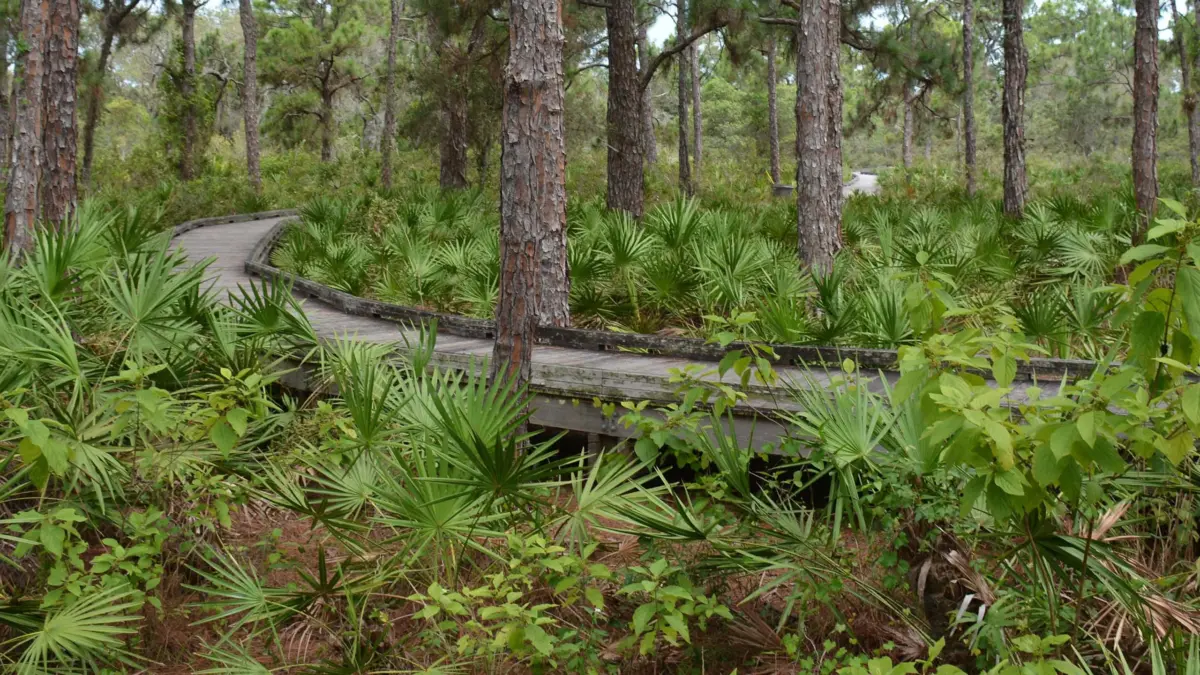
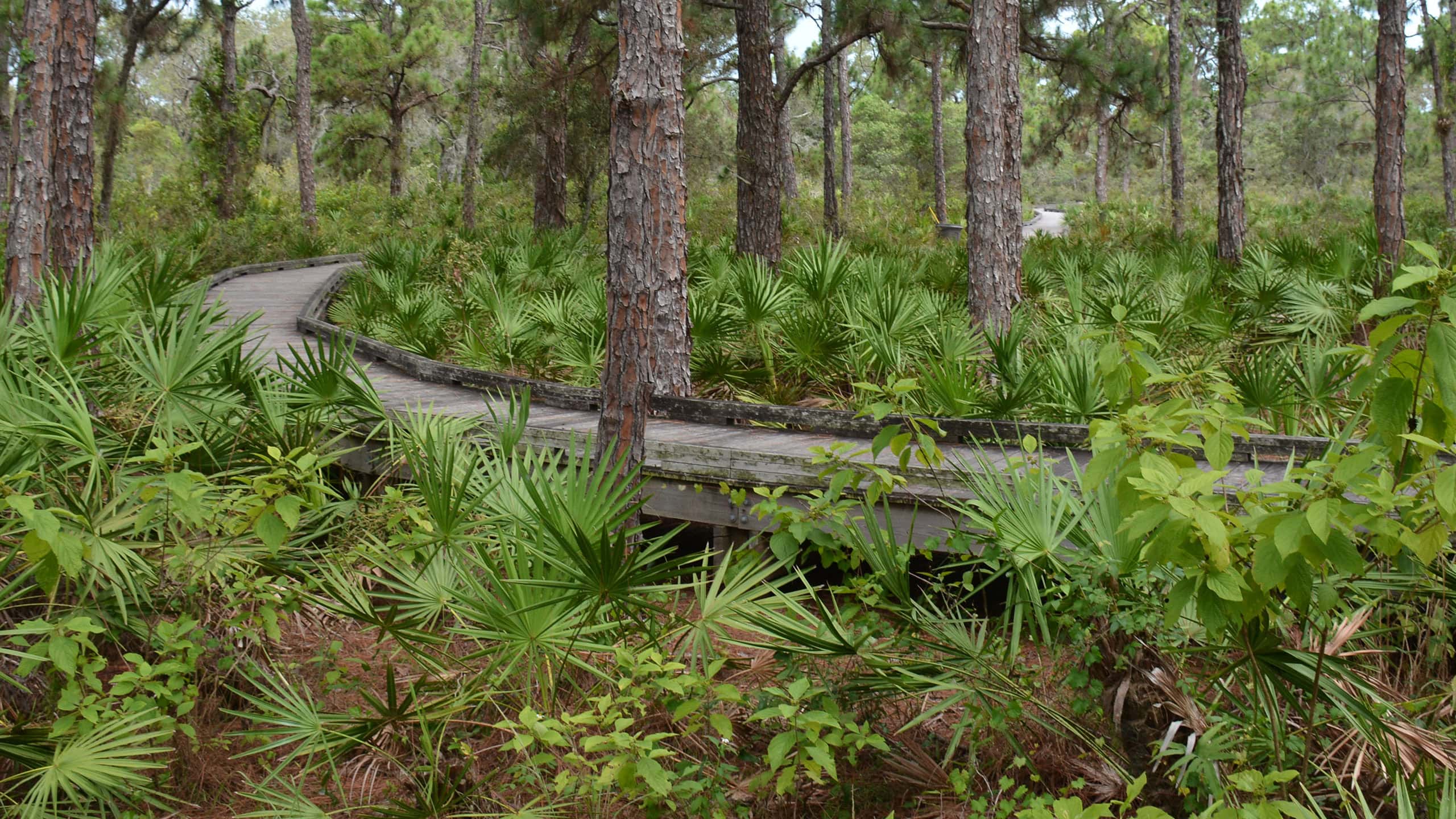
Managed by the City of Naples, the preserve centers around a carefully constructed 0.4-mile elevated boardwalk network that allows visitors to immerse themselves in a native Florida landscape without disrupting the delicate ecological balance beneath their feet. Beyond its function as a tranquil walking trail, the property operates as an interactive environmental hub. Complete with the distinctive Mid-Century Modern Hedges Family Eco-Center, native pollinator gardens, and educational exhibits, the preserve bridges the gap between urban development and environmental stewardship.
While Hurricane Irma dealt a severe blow to the canopy in 2017—felling a National Champion myrtle oak—the ecosystem has proven remarkably resilient. Today, the Naples Preserve stands as a blueprint for municipal conservation, proving that even small parcels of urban wilderness can yield profound ecological and educational value for a growing community.
Detailed Chronology
Historical Roots and the Path to Preservation
Long before the establishment of the modern municipal preserve, the land occupied by the Naples Preserve was part of a vastly different, untamed Southwest Florida. Older residents of the area remember a time when the immediate corner was defined by a massive, colorful toucan sign pointing travelers toward the famed Caribbean Gardens—now globally recognized as the Naples Zoo at Caribbean Gardens.
As Naples transitioned from a sleepy coastal outpost into a booming modern city through the late 20th century, real estate development surged. Native habitats were systematically fragmented and cleared to make way for commercial plazas, residential neighborhoods, and roadways. Recognizing the rapid loss of indigenous ecosystems, city planners and local conservationists advocated for the protection of this isolated 9.5-acre tract.
Rather than succumbing to commercial zoning, the property was secured, designated as a municipal conservation area, and eventually outfitted with infrastructure designed to balance public accessibility with stringent environmental protection. The construction of the elevated boardwalk and the incorporation of the Hedges Family Eco-Center transformed the neglected urban scrub into a controlled, highly educational wildlife viewing area.
The 2017 Hurricane Irma Impact
In September 2017, Hurricane Irma made landfall in Southwest Florida as a devastating Category 3 storm, leaving a trail of widespread structural damage and ecological disruption in its wake. The Naples Preserve did not escape the storm’s fury.
Among the most significant ecological losses sustained during the hurricane was the destruction of the property’s crown jewel: a National Champion myrtle oak (Myrtus / Lecythidaceae relative variant). Standing proudly at 41 feet tall with an impressive crown spread of 38 feet, the ancient tree had long been a focal point for researchers and visitors along Deck 1. When Irma’s relentless winds swept through the oak hammock, the champion tree was uprooted and felled.
While the loss was deeply felt by the municipal land management team, the natural disaster also triggered a standard ecological recovery process. The opening in the canopy allowed vital sunlight to reach the understory, stimulating rapid secondary growth among native shrubs like American beautyberry and saw palmetto, and reminding visitors of the cyclical nature of Florida’s subtropical environments.
Supporting Context & Metrics
Key Geographical and Operational Data
To understand the logistical framework and spatial constraints of the Naples Preserve, municipal data outlines the following specifications:
Location: Naples, Florida (Collier County)
Total Acreage: 9.5 acres
Trail Length: 0.4 miles (loop configuration with elevated boardwalk)
Hedges Family Eco-Center: 9:00 AM to 5:00 PM (check official schedules for specific talks and programming)
On-Site Amenities: Restrooms located at the Eco-Center, interpretive whiteboard tracking recent wildlife sightings, picnic tables at designated garden entry points, and educational pollinator gardens.
Land Manager: City of Naples Parks and Recreation Department
Contact Information: 239-261-4290
Ecological Composition and Biodiversity
Despite its small physical footprint, the Naples Preserve encompasses three distinct ecological communities native to Southwest Florida:
Dry Scrub Garden & Scrubby Flatwoods: Characterized by sandy soils, open sunlight, and specialized drought-resistant flora. This zone serves as prime territory for native wildflowers, pollinators, and the site’s most famous residents.
Pine Flatwoods: Dominated by South Florida slash pines, wiregrass, and a dense layer of pine duff. This ecosystem regularly echoes with the calls of avian species, including woodpeckers and flickers foraging along the pine trunks.
Oak Hammock: A shaded, dense understory featuring saw palmetto, American beautyberry, and thick twisting grapevines. This canopy zone provides essential cover and nesting habitats for smaller mammals, reptiles, and migratory birds.
The Gopher Tortoise Factor
The defining conservation success story of the Naples Preserve is its thriving population of gopher tortoises (Gopherus polyphemus). Listed as a state-threatened species in Florida, the gopher tortoise is considered a "keystone species" because its deep burrows provide shelter to more than 350 other animal species, ranging from burrowing owls and snakes to mice and frogs.
In an urbanized matrix where traditional upland habitats are routinely paved over, the preserve acts as a vital sanctuary. Because the boardwalk is deliberately engineered to hover just inches above the ground, it allows tortoises and other small wildlife to roam freely underneath without human interference. Visitors traversing the loop trail routinely spot multiple tortoises grazing on open sandy patches or retreating into their subterranean homes.
Official Statements
Municipal leaders and environmental advocates have long emphasized the unique value of the Naples Preserve within the broader context of urban planning.
In public outreach materials published by the City of Naples Parks and Recreation Department, representatives note:
"The Naples Preserve demonstrates that urban density and environmental preservation do not have to be mutually exclusive. By protecting this 9.5-acre parcel, we are not only safeguarding endangered flora and fauna like the gopher tortoise, but we are also providing an accessible, immersive educational resource that fosters a lifelong appreciation for Florida’s natural heritage among residents and visitors alike."
Local conservationists and educators frequently highlight the interactive elements of the property, particularly the Hedges Family Eco-Center and its community-driven initiatives. An advisory statement from local natural history groups underscores the psychological and ecological importance of the site:
"When children and adults walk through the Pollinator Garden, drop a pledge into the Promise Globe, or track a gopher tortoise sighting on the visitor whiteboard, they are actively engaging in conservation. In a city defined by resort tourism and high-end real estate, spaces like the Naples Preserve keep us anchored to the actual ecology of the land we inhabit."
Future Outlook
As Southwest Florida continues to experience rapid population growth and intense real estate development pressure, the long-term viability of urban green spaces faces mounting challenges. The future of the Naples Preserve depends heavily on proactive municipal management, strict conservation policies, and community-driven educational outreach.
Managing Urban Pressures
Surrounded by heavy vehicular traffic along the Tamiami Trail and Fleischmann Boulevard, the preserve is insulated by its boardwalk infrastructure, which strictly regulates human movement. Park management enforces a strict "stay on the boardwalk" policy, alongside bans on pets, bicycles, and food consumption. These regulations are critical for preventing habitat degradation, mitigating soil compaction, and protecting sensitive wildlife from domestic predators and human disruption.
Climate Resilience and Reforestation
In the wake of extreme weather events like Hurricane Irma, the City of Naples faces the ongoing task of climate adaptation. While natural secondary succession is currently healing the canopy gap left by the fallen National Champion myrtle oak, municipal arborists continue to monitor native plant health, combat invasive non-native plant species that threaten the understory, and evaluate the resilience of the pine flatwoods and scrub habitats against rising temperatures and shifting precipitation patterns.
Expanding Environmental Education
Looking ahead, the Hedges Family Eco-Center is slated to expand its community programming, aiming to engage younger generations through targeted lectures, guided nature walks, and interactive conservation workshops. By positioning the preserve as an outdoor classroom, city officials hope to cultivate a new generation of environmental advocates equipped to defend Florida’s fragile ecosystems against the pressures of modern urbanization.
Ultimately, the Naples Preserve stands as a testament to deliberate urban conservation—a tiny, resilient slice of wilderness proving that nature, when given even the smallest protected margin, will continue to endure, adapt, and thrive.







0 Comments