

Executive Overview
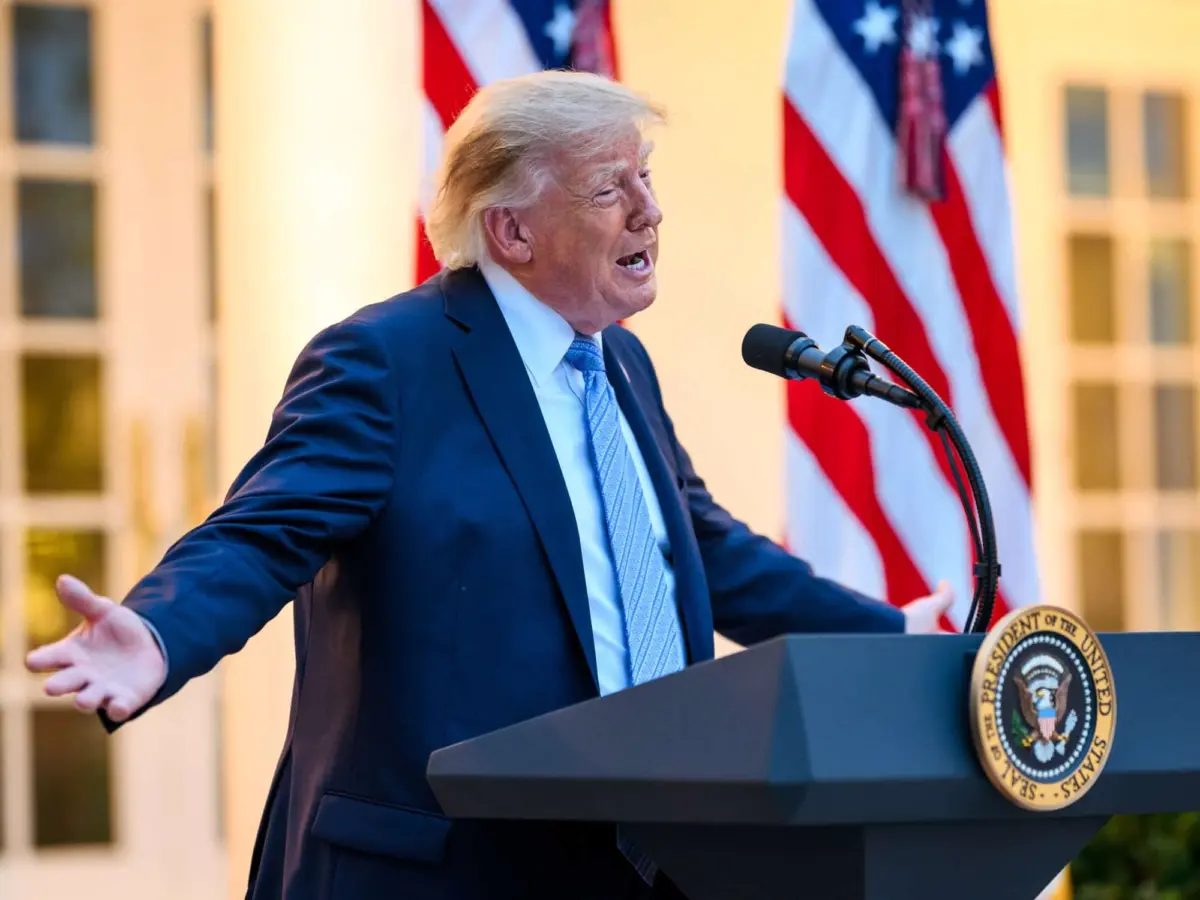
In a high-profile ceremony at the White House Rose Garden, President Donald Trump signed a sweeping executive order titled "Restoring America’s Saltwater Angling and Recreation." This landmark directive is designed to fundamentally overhaul federal marine fisheries management, shifting the paradigm to better accommodate the nation’s 15.5 million saltwater anglers and the massive multi-billion-dollar coastal economy they support.
For decades, recreational fishing advocates have argued that federal management systems—historically tailored toward large-scale commercial harvesting—are ill-equipped to handle the dynamics of sportfishing. The new executive order directly addresses these concerns. It establishes a national policy that elevates marine recreational fishing within federal agencies, mandates the modernization of data collection, strengthens state-federal partnerships, and aims to remove unnecessary regulatory barriers to public access.
Industry leaders, conservation groups, and trade organizations have overwhelmingly praised the initiative as a historic victory. By aligning federal oversight with contemporary scientific approaches and recognizing the profound economic footprint of outdoor recreation, the administration has set the stage for a new era in American fisheries stewardship.
Detailed Chronology: The Road to the Rose Garden
The path to the September 17 executive order was paved by years of advocacy, grassroots coalition-building, and mounting frustration among recreational anglers over federal catch limits, restrictive seasons, and inadequate data collection methods.
The Evolution of Federal Marine Policy
While commercial fisheries have long dominated federal oversight through regional fishery management councils established by the Magnuson-Stevens Fishery Conservation and Management Act, recreational stakeholders have frequently found themselves sidelined. The disconnect between commercial quotas and the realities of catch-and-release sportfishing created persistent friction.
This executive order did not happen in a vacuum; it is part of a bipartisan lineage of presidential actions recognizing the importance of recreational fishing:
- 1995: President Bill Clinton issued Executive Order 12962, which formally established recreational fisheries as a federal policy priority and directed agencies to improve conservation and public access.
- 2008: President George W. Bush strengthened those protections through an amendment explicitly safeguarding recreational fishing as a sustainable activity across federal lands and waters.
- Present Day: President Trump’s executive order takes these foundational principles a step further by directly targeting the structural inefficiencies in saltwater management, focusing heavily on modern data collection, regulatory streamlining, and state-level empowerment.
The White House Announcement
The announcement unfolded in the historic Rose Garden before an audience of industry leaders, conservationists, and outdoor recreation advocates. The setting underscored the administration’s focus on the economic and cultural significance of America’s outdoor heritage.
Following the signing, major trade groups—including the American Sportfishing Association (ASA), the Center for Sportfishing Policy (CSP), the National Marine Manufacturers Association (NMMA), and the Coastal Conservation Association (CCA)—swiftly mobilized to support the directive, distributing analyses and coordinating legislative strategies to ensure federal agencies move swiftly from policy to implementation.
Supporting Context & Metrics: The Economic Engine of Sportfishing
To understand the weight of the new executive order, one must examine the staggering economic and social footprint of the American outdoor recreation sector. Fisheries and boating are not merely pastimes; they are foundational pillars of the U.S. economy, particularly in coastal communities.
Macroeconomic Impact
According to federal and industry metrics highlighted during the administration’s announcement:
- Total Outdoor Recreation Contribution: The broader outdoor recreation economy generates more than $1.2 trillion annually, supporting 5.2 million jobs and accounting for 2.4 percent of the U.S. Gross Domestic Product (GDP).
- Boating and Fishing Leadership: Recreational boating and fishing stand as the nation’s largest conventional outdoor recreation activities, injecting $38.4 billion in direct value-added impact into the national economy.
- Saltwater Angling Specifics: Saltwater recreational fishing alone generates an astonishing $145.4 billion in sales impacts and directly sustains nearly 700,000 jobs nationwide, ranging from charter boat captains and tackle manufacturers to waterfront hotels and marine mechanics.
The Data Dilemma
At the heart of the sportfishing community’s historical grievances has been the quality and methodology of federal data collection—specifically programs like the Marine Recreational Information Program (MRIP). Critics have long argued that legacy phone surveys and point-access intercept surveys fail to capture real-time catch rates, often resulting in unnecessarily draconian emergency closures and shortened fishing seasons.
The executive order explicitly directs federal agencies to pursue alternative data streams, leverage cutting-edge technology, and incorporate state-collected data into federal stock assessments. By modernizing how catch data is gathered and analyzed, the government can avoid the false alarms and overcorrections that have historically penalized anglers while failing to achieve genuine conservation gains.
Core Directives of the Executive Order
Under the terms of the directive, federal agencies—including the Department of Commerce, the National Oceanic and Atmospheric Administration (NOAA), and the Department of the Interior—are instructed to execute a series of targeted reforms consistent with existing statutory authority:
- Elevating Marine Recreational Fishing: Establishing a government-wide policy that ensures recreational interests are given fair consideration in the development of federal fisheries management plans.
- Modernizing Data and Science: Directing agencies to collaborate with academic institutions, state wildlife agencies, and private entities to integrate electronic reporting, angler-submitted data, and advanced stock assessment tools.
- Strengthening State-Federal Partnerships: Recognizing that state wildlife agencies often possess more accurate, localized knowledge of coastal fisheries, the order mandates closer cooperation, empowering states to play a more prominent role in federal fisheries governance.
- Removing Regulatory Barriers: Streamlining the cumbersome federal permitting processes that have historically delayed vital marine habitat restoration projects and restricted public access to sustainable fisheries.
- Optimizing Conservation Funding: Improving the transparent and efficient delivery of funds generated by the Dingell-Johnson Sport Fish Restoration Act, ensuring excise taxes paid on fishing equipment and motorboat fuels directly benefit aquatic conservation and public access infrastructure.
Official Statements and Industry Reactions
The executive order received unanimous, high-profile praise from the leadership of America’s foremost conservation and recreational boating organizations.
Jeff Angers, President, Center for Sportfishing Policy
"This Executive Order is a historic recognition of what millions of American anglers and coastal communities have known for decades: marine recreational fishing deserves a management system built for the way Americans fish. By prioritizing better data, stronger state partnerships and modern management approaches, President Trump’s order builds on our conservation gains creating a path to more reliable access and opportunity in America’s oceans."
Angers further emphasized the tangible impact on coastal populations:
"President Trump is sending a clear message that America’s saltwater anglers matter. Better data, modern management and stronger state partnerships can deliver what anglers and coastal communities have needed for years: healthier public fisheries and more reliable access to them."
Glenn Hughes, President and CEO, American Sportfishing Association
"The American Sportfishing Association thanks President Trump for this decisive action to improve management and data collection for America’s saltwater fisheries. This Executive Order will have long-term benefits for the sportfishing industry and America’s 15.5 million saltwater recreational anglers."
Frank Hugelmeyer, President and CEO, National Marine Manufacturers Association
"Recreational boating and fishing are the foundation of America’s outdoor heritage and an important driver of our nation’s recreation economy. Today’s actions further reaffirm the importance of ensuring Americans can access and enjoy our nation’s waters. Access supports American manufacturing, jobs and small businesses across the country. Thank you to President Trump and his administration for recognizing the value of outdoor recreation and the American industries and communities it supports."
Pat Murray, President and CEO, Coastal Conservation Association
"We’re grateful the Administration has taken this opportunity to emphasize the social and economic importance of recreational fishing. State-based management has never been more important for our federal fisheries, and we applaud this critical need being highlighted in this Executive Order."
Jeff Crane, President and CEO, Congressional Sportsmen’s Foundation
"America’s anglers were among the nation’s first and most dedicated conservationists, and this Executive Order recognizes that commitment while charting a path towards increased access to healthy fisheries. We thank President Trump for elevating recreational fishing as a national priority and look forward to working with the Administration to turn these directives into meaningful results on the water."
Future Outlook: Turning Policy into Action on the Water
As the applause in the White House Rose Garden fades, the true test of the "Restoring America’s Saltwater Angling and Recreation" Executive Order begins. The directive sets ambitious goals, but translating executive intent into bureaucratic reality will require sustained collaboration between federal regulators, state agencies, and industry stakeholders.
Implementation Challenges and Opportunities
- Bureaucratic Inertia: Federal agencies like NOAA Fisheries operate under strict statutory mandates governed by the Magnuson-Stevens Act. Overcoming institutional resistance to change will require vigilant oversight from both the executive branch and congressional champions.
- Technological Integration: Successfully modernizing data collection means scaling up electronic reporting platforms for private boaters and charter operators. Ensuring these systems are user-friendly, cost-effective, and secure will be crucial for securing buy-in from the angling community.
- Habitat Restoration and Access: By streamlining permitting for habitat projects and maximizing the deployment of Sport Fish Restoration funds, federal agencies have a unique opportunity to visibly improve marine ecosystems. Projects that restore degraded estuaries, reefs, and marshlands will yield immediate dividends for fish populations and local economies alike.
A Lasting Legacy for Conservation and Access
For generations, American anglers have served as the financial backbone of aquatic conservation through self-imposed excise taxes and grassroots stewardship. By formally recognizing sportfishing as an essential national priority, the Trump administration’s executive order bridges the historic divide between conservation mandates and public access.
If implemented effectively, the directive promises to deliver a modernized, transparent management framework that ensures healthy fish stocks, vibrant coastal economies, and reliable, sustainable access for the millions of Americans who find their recreation on the nation’s saltwater shores.

0 Comments