

Executive Overview
Nestled within the vibrant, historic Sweet Auburn neighborhood just east of downtown Atlanta, a two-story Queen Anne-style home built in 1895 stands as a profound monument to American history. It was here, within the walls of 501 Auburn Avenue, that Michael King—later known to the world as the Reverend Dr. Martin Luther King Jr.—was born in 1929 and spent the formative first dozen years of his life.
Following an extensive, multi-year closure for urgent structural stabilization, comprehensive restoration, and historical reinterpretation, the landmark reopened to the public. The meticulous undertaking was timed to align with the nation’s 250th-anniversary milestone. Managing this immense cultural treasure is the National Park Service (NPS), which oversees the broader Martin Luther King Jr. National Historical Park—a pilgrimage site that draws between 700,000 and one million international visitors annually.
Behind the polished exhibits, accessible pathways, and immersive visitor experiences lies a rigorous academic and archival partnership. Florida State University (FSU) Assistant Professor of History Kathleen Powers Conti played a pivotal role in the transformation. Beginning in 2019, Conti collaborated closely with NPS staff, architectural historians, community elders, and the King family to breathe new life into the historic structure.
This deep dive examines the multi-layered restoration process, the exhaustive historical methodologies employed by Conti and her colleagues, the broader educational impacts on university-level public history programs, and the enduring legacy of a project designed to humanize one of the 20th century’s most towering moral architects.
Detailed Chronology of the Restoration Project
The journey to restore Dr. King’s birth home to its authentic 1930s appearance was neither quick nor simple. It required a meticulous blending of architectural forensics, oral histories, material culture analysis, and structural engineering.
Phase I: Inception and Initial Assessment (2019)
The collaborative framework for the project solidified in 2019, when Kathleen Powers Conti—a scholar with a robust resume encompassing more than 100 public history and historic preservation projects across 45 states—joined forces with the National Park Service. At the time, the home was facing the inevitable wear and tear of welcoming hundreds of thousands of visitors each year.
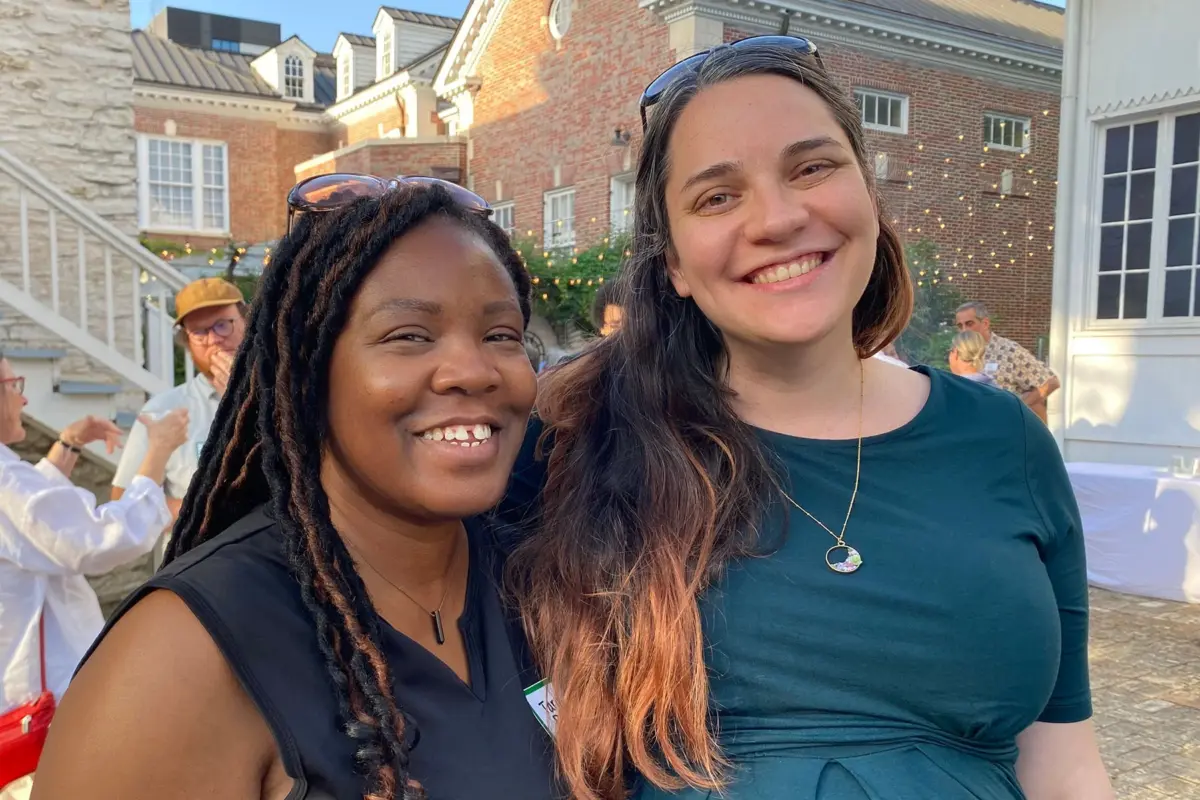
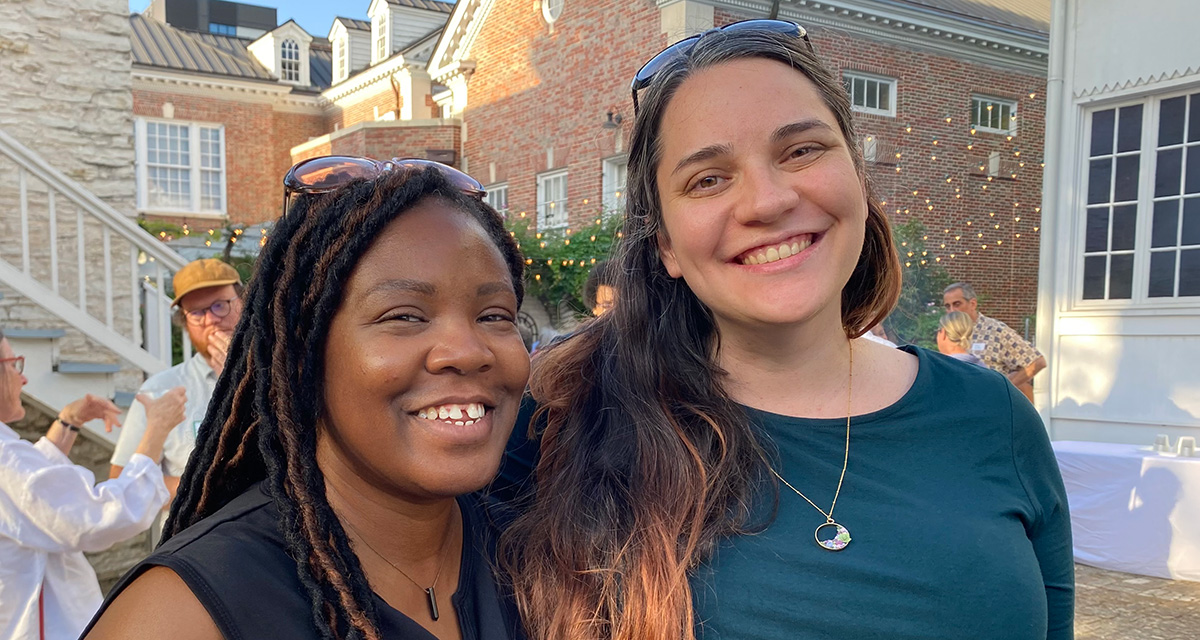
Conti teamed up with Tara Dudley, an architectural historian and assistant professor in the School of Architecture at the University of Texas at Austin. Together, the researchers embarked on a rigorous investigative phase. They conducted extensive site visits, meticulously cataloged the physical attributes of the house, and evaluated how contemporary visitors interacted with the space.
This phase involved taking hundreds of high-resolution photographs of the home’s interior, structural framing, fixtures, and surrounding environment. By pairing these visual assessments with exhaustive archival research—including municipal records, historical photographs, and architectural blueprints from the early 20th century—the team established a baseline understanding of how the house evolved structurally from 1895 through the 1930s.
Phase II: Community Engagement and Family Collaboration (2020–2022)
A historic home is more than wood, nails, and paint; it is a repository of human memory. To capture the true essence of young "M.L.’s" upbringing, Conti and Dudley looked beyond written texts to incorporate living history.
The researchers conducted recorded interviews with surviving members of the King family, neighborhood contemporaries who grew up alongside Dr. King in Sweet Auburn, and representatives from The King Center—the nonprofit community institution established by Coretta Scott King.
These oral histories proved invaluable. While architectural blueprints can dictate where a wall or door stood, they cannot tell a historian what songs echoed through the parlor, what scents wafted from the kitchen during Sunday dinner, or where children hid their toys. Through these personal narratives, the academic team began to reconstruct the sensory and emotional landscape of the King household during the Great Depression.
Phase III: Closure and Physical Overhaul (2023–2024)
By 2023, the cumulative impact of heavy foot traffic necessitated a full closure of the birth home. The NPS spearheaded a capital improvement and preservation campaign, utilizing recommendations generated by Conti and Dudley.
The scope of work was comprehensive:
- Structural Repairs: Addressing foundational issues, stabilizing aging timber frames, and repairing weather-damaged exterior siding.
- Accessibility Upgrades: Implementing modern ADA-compliant pathways and viewing areas without compromising the historic architectural integrity of the 19th-century structure.
- Environmental Controls: Upgrading HVAC and climate-control systems to protect fragile artifacts, textiles, and original finishes from Atlanta’s humid summers.
- Interior Reinterpretation: Reconfiguring display rooms, lighting, and informational layouts based directly on the material culture studies conducted by the FSU and UT Austin researchers.
Phase IV: Grand Reopening (2024 and Beyond)
The birth home officially welcomed its first visitors back in July, timing its debut to coincide with early commemorations leading up to the United States’ 250th anniversary. Today, visitors stepping across the threshold are greeted not by a sterile museum exhibit, but by a meticulously curated environment that mirrors the exact domestic reality of the King family between 1929 and 1941.
Supporting Context & Metrics: The Sweet Auburn District and Academic Impact
To fully appreciate the scope of the birth home restoration, one must understand the unique ecosystem of the Martin Luther King Jr. National Historical Park and the broader academic frameworks that make such projects possible.
The Sweet Auburn Historic District
Encompassing 34 historic structures, the Martin Luther King Jr. National Historical Park is the institutional heart of Atlanta’s Sweet Auburn district—once described by civil rights pioneer John Wesley Dobbs as "the richest Negro street in the world."
Key landmarks within the park include:
- The Birth Home: 501 Auburn Avenue, where Dr. King spent his formative years.
- Ebenezer Baptist Church: The spiritual epicentre where both King Sr. and King Jr. served as pastors, and where Dr. King preached his powerful messages of social justice until his tragic assassination in 1968.
- Fire Station No. 6: An integrated Atlanta fire station where a young M.L. and his neighborhood friends spent hours playing, reflecting the complex racial dynamics of the mid-20th-century South.
- The Visitor Center & The King Center: Educational hubs that process between 700,000 and 1,000,000 visitors annually from every corner of the globe.
Bridging Academia and Public History
The involvement of Florida State University underscores the vital role that modern university departments play in cultural resource management. FSU’s Department of History has cultivated a reputation for bridging high-level academic research with accessible public programming.
Jennifer Koslow, chair of the FSU Department of History, emphasized the rigorous behind-the-scenes labor required for museum and heritage site developments.
"When audiences visit a historic site and read an informative label, they’re often unaware of the depth of research it takes to produce a 50-word explanation," Koslow noted. "Conti’s work offers students a model for learning best practices in museum studies and recording public history."
For students enrolled in FSU’s history and museum studies programs, Conti’s direct involvement in a national monument provides a real-world blueprint. It demonstrates how archival documents, material culture analysis, and community outreach converge to shape public memory and historical consciousness on a national scale.
Official Statements and Expert Insights
The convergence of federal preservation efforts, academic rigor, and family testimony produced profound reflections from the key figures behind the project.
Capturing the Whole Human Being
For Dr. Kathleen Powers Conti, the project was defined by a commitment to humanizing an iconic historical figure whose mythos often overshadows his mortal reality.
"This home is a pilgrimage site for thousands of people, including global dignitaries, presidents, and everyday citizens," Conti reflected. "It was a phenomenal project, and I’m grateful for the opportunity to ensure these sites fully honor Dr. King’s legacy and his historical importance."
Conti stressed that understanding Dr. King requires looking beyond his adult speeches and marches to examine the domestic roots that forged his character.
"Dr. King is not a one-dimensional activist," Conti stated. "He’s a human who had a childhood, and places like the fire station and church helped shape him, from playing at the station with his friends to growing up in the church. This work can change how people understand and experience American history, and we’re not just preserving these sites so future generations can experience and understand their important legacies."
Recreating an Immersive Domestic Space
To achieve historical accuracy, Conti and Tara Dudley went far beyond placing period-appropriate furniture in a room. They focused on sensory immersion to evoke the lived experience of a 1930s African American middle-class family in the Jim Crow South.
"We wanted to make the space an immersive experience," Conti explained. "We considered what the home would smell like if the family was cooking Sunday dinner or what music they would’ve listened to. We also recommended how to source specific types of period-accurate materials like flooring, fabrics for tablecloths, curtains, bedding, and items like board games and books to ensure visitors have a sense of place and identity."
By using physical evidence salvaged from the home—such as floorboard remnants, traces of original wall paint, and architectural mouldings—alongside archival photographs, the team successfully sourced or replicated items matching the exact textures, colors, and styles of the King family’s tenure.
Future Outlook: Preserving Legacies for Generations to Come
The successful reopening of Dr. King’s childhood home is not the end of the narrative, but rather a new chapter in how historic sites engage with the public. As cultural heritage management evolves, the methodologies pioneered by researchers like Conti and Dudley set a new standard for historic preservation across the United States.
The Evolution of Museum Studies
The integration of sensory history—incorporating lighting, soundscapes, and material touchstones—points toward the future of house museums. No longer content with "rope-off" exhibits where visitors peer silently into stagnant rooms, modern historic preservation seeks to evoke active spaces where human lives unfolded.
Furthermore, the collaborative model utilized in Atlanta—partnering federal agencies (NPS), academic institutions (FSU and UT Austin), municipal stakeholders, and descendants of the historical figures—serves as a replicable framework for heritage sites nationwide. It ensures that preservation is driven not solely by institutional assumptions, but by the authentic memories of the communities whose histories are being told.
Educational Continuity
At Florida State University, the ripples of Conti’s work will continue to shape curriculum and student opportunities for years to come. By translating complex archival investigations and physical forensics into actionable museum standards, FSU’s Department of History is training the next generation of public historians, archivists, and preservationists.
As hundreds of thousands of annual visitors walk through the restored rooms on Auburn Avenue—taking in the carefully chosen wallpaper, the period-accurate books, and the layout of the childhood bedrooms—they are engaging with history that has been rescued from abstraction. Through rigorous research, collaborative community care, and an unwavering commitment to historical truth, the childhood home of Dr. Martin Luther King Jr. stands ready to inspire, educate, and challenge future generations of global citizens.

0 Comments