

Executive Overview
As the global demographic landscape undergoes an unprecedented transformation, the imperative to understand, support, and redefine the aging process has never been more critical. By the year 2030, all baby boomers will be older than 65, expanding the older adult population to comprise roughly 20 percent of the United States population. Amid this historic demographic shift, leadership in gerontological research, policy, and practice is essential.
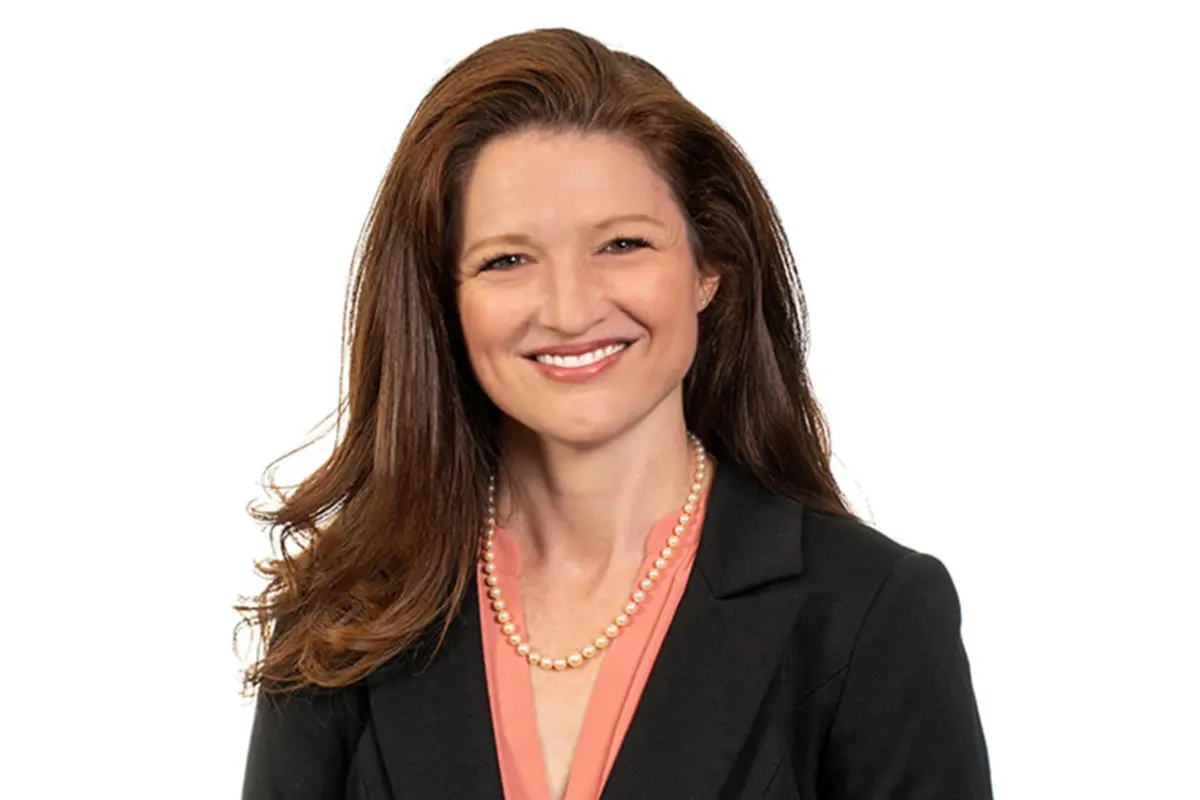
In a significant appointment highlighting academic excellence and national leadership, Dr. Dawn C. Carr—director of Florida State University’s (FSU) renowned Claude Pepper Center and the Mildred and Claude Pepper Professor of Sociology within the FSU College of Social Sciences and Public Policy—has been elected to the board of directors of the Gerontological Society of America (GSA).
The GSA is the nation’s oldest and largest interdisciplinary organization devoted to research, education, and public policy in the field of aging. Comprising more than 6,000 members worldwide—including leading researchers, clinicians, educators, and policy professionals—the society serves as the premier nexus for translating scientific discovery into actionable societal change. Dr. Carr’s election places her at the highest strategic level of an organization that has steered the trajectory of aging studies since its inception in 1945.
Beginning her term on January 1, Dr. Carr will help steer the strategic vision of the GSA at a time when interdisciplinary collaboration is more crucial than ever. Her appointment not only underscores her individual stature as a vanguard researcher in health and aging, but also cements FSU’s Claude Pepper Center as a national powerhouse in developing evidence-based solutions for an aging society. This comprehensive report explores the significance of Dr. Carr’s appointment, the evolution of her distinguished career, the mission of the institutions she represents, and the future outlook of gerontological science in an era of demographic revolution.
Detailed Chronology: From Scripps to Stanford, and FSU to National Leadership
Dr. Dawn C. Carr’s ascension to the GSA board of directors is the culmination of a rigorous, decades-long academic and research journey dedicated to understanding the complexities of human aging. Her trajectory reflects a deep commitment to interdisciplinary inquiry, bridging sociology, public policy, and public health.
Academic Beginnings and Early Foundation
Dr. Carr’s foundational training in gerontology took shape at some of the nation’s premier research hubs. Before joining the faculty at Florida State University, she built a robust portfolio of empirical research through prestigious postdoctoral and research appointments.
Her early career included pivotal work at the Scripps Gerontology Center, widely recognized as a pioneer in aging research, policy analysis, and program evaluation. Here, Carr developed a rigorous methodological framework for examining how structural and social environments impact older populations.
She subsequently expanded her expertise as a postdoctoral fellow in the Carolina Program for Health and Aging Research (CPHAR) at the Institute on Aging at the University of North Carolina at Chapel Hill. This period was instrumental in sharpening her focus on the intersection of physical health, psychological resilience, and long-term care outcomes.
The Stanford Years and National Prominence
Prior to her arrival at FSU, Dr. Carr served as a researcher at the prestigious Stanford Center on Longevity. Working within an institution dedicated to redesigning long life for humans of all ages, Carr investigated how lifestyle choices, social connections, and societal structures could be optimized to extend the healthy human healthspan—the period of life spent in good health—rather than merely extending the lifespan. Her work at Stanford cemented her reputation as a forward-thinking scholar capable of translating complex demographic data into tangible frameworks for longevity.
Anchoring at Florida State University and the Claude Pepper Center
In 2016, Dr. Carr brought her immense expertise to Florida State University, joining the Department of Sociology and quickly establishing herself as a transformative figure on campus. In addition to her teaching and mentoring roles, her leadership culminated in her appointment as the director of the Claude Pepper Center.
Named after the legendary U.S. congressman and senator who dedicated his career to advocating for the elderly and vulnerable, the Claude Pepper Center at FSU is dedicated to advancing rigorous research and policy that directly improves the lives of older adults. Under Carr’s leadership, the center has expanded its reach, bridging the gap between academic research and real-world policy formulation. She has fostered collaborative networks among local, state, and national stakeholders, ensuring that empirical evidence remains at the center of legislative and community-based interventions for older adults.
Her election to the GSA board of directors represents the natural next step in a career defined by leadership, collaborative vision, and a relentless dedication to improving societal structures for aging populations.
Supporting Context & Metrics: The Science of Healthy Aging
To understand the weight of Dr. Carr’s appointment, one must examine the scope of her research and the urgent demographic challenges confronting modern society. Her work does not merely look at aging as a biological decline; rather, it investigates aging as a dynamic, lifelong process shaped by social, psychological, and behavioral factors.
Key Pillars of Dr. Carr’s Research
Dr. Carr’s scholarly contributions over the past decade can be categorized into several interconnected areas of study:
- Active Engagement and the Second Half of Life: Carr has extensively studied the profound implications of how older adults spend their time. Her empirical work explores the correlations between health and active social engagement, investigating how transitions into employment, retirement, volunteering, and caregiving affect physical and cognitive well-being.
- The Health Impact of Major Life Events: How do older adults navigate major health shocks, widowhood, or sudden shifts in socioeconomic status? Carr’s research evaluates the mechanisms of resilience that allow individuals to bounce back from adversity or, conversely, identifies the vulnerabilities that accelerate functional decline.
- Life-Course Perspective: Moving beyond a snapshot approach to aging, Carr’s recent scholarship examines how early-life experiences, socioeconomic exposures, and cumulative advantages or disadvantages reverberate across decades, ultimately dictating health and well-being in late adulthood.
- Psychological Resources and Resilience: A vital component of her current investigations focuses on internal psychological assets—such as a sense of purpose, mastery, and optimism—and how these resources buffer against the physiological wear and tear of stress and aging.
The Broader Demographic Landscape
The urgency of Dr. Carr’s work and the mission of the GSA cannot be overstated. According to data from the U.S. Census Bureau and the World Health Organization:
- By 2034, older adults aged 65 and older are projected to outnumber children under age 18 for the first time in U.S. history.
- Global life expectancy at birth has risen dramatically over the past century, yet the prevalence of chronic conditions—such as cardiovascular disease, Alzheimer’s disease, and musculoskeletal disorders—places an unprecedented strain on healthcare systems, families, and social safety nets.
- The economic value of informal caregiving provided by family members and loved ones amounts to hundreds of billions of dollars annually, underscoring the critical need for policies that support both aging individuals and their caregivers.
These metrics frame the backdrop against which Dr. Carr will operate as a member of the GSA board of directors. Her mandate will be to champion multi-disciplinary research that directly addresses these systemic pressures.
Official Statements and Perspectives
The announcement of Dr. Carr’s election has drawn praise from academic colleagues, institutional leaders, and the broader gerontological community. Her appointment highlights the collaborative spirit that defines modern aging research.
In reflecting on her upcoming term, Dr. Carr emphasized the vital importance of breaking down academic silos to foster holistic solutions:
"I’m honored to have the opportunity to serve GSA and contribute to an organization that has played such an important role in advancing the study of aging," Dr. Carr stated. "As our population ages, it is increasingly important that we bring together researchers and professionals across disciplines to better understand what helps people remain healthy, active and engaged throughout their lives."
Her perspective aligns closely with the core ethos of the Gerontological Society of America. Founded in 1945, GSA is unique in its deliberate integration of diverse fields. Its membership spans four primary sections: Biological Sciences, Behavioral and Social Sciences, Social Research, Policy and Practice, and Health Sciences. By welcoming leaders like Dr. Carr onto its board, the society ensures that its governance reflects the multi-dimensional nature of aging itself—where sociology, public policy, medicine, and psychology intersect.
Institutional leaders at Florida State University have also hailed the appointment as a testament to the high caliber of research emerging from the College of Social Sciences and Public Policy.
"Dr. Carr’s election to the GSA board of directors is a well-deserved national recognition of her pioneering scholarship and her visionary leadership at the Claude Pepper Center," noted academic colleagues within the university. "Her work exemplifies FSU’s commitment to producing actionable research that transforms public policy and profoundly improves the human condition."
Future Outlook: The Road Ahead for Gerontological Leadership
As Dr. Dawn C. Carr prepares to assume her post on January 1, the gerontological community faces both profound challenges and extraordinary opportunities. The convergence of rapid technological innovation, shifting economic paradigms, and a ballooning older adult population demands visionary leadership.
Strategic Priorities for the GSA Board
During her term on the board of directors, Dr. Carr will help shape the strategic priorities of the GSA, which include:
- Promoting Interdisciplinary Science: Encouraging collaborative funding grants and research initiatives that bridge biomedical breakthroughs with sociological and behavioral interventions.
- Informing Public Policy: Translating empirical findings into accessible, evidence-based policy recommendations for lawmakers grappling with Medicare, Social Security, long-term care infrastructure, and age-friendly community design.
- Fostering the Next Generation of Scholars: Expanding mentorship programs, fellowships, and educational platforms to attract brilliant young minds to the field of gerontology, ensuring a robust pipeline of future researchers and clinicians.
- Addressing Health Disparities: Amplifying research focused on equity in aging, ensuring that marginalized, low-income, and minority communities—which often bear a disproportionate burden of chronic illness and socioeconomic disadvantage—are prioritized in future interventions.
The Lasting Impact of FSU’s Claude Pepper Center
Locally and nationally, Dr. Carr’s position on the GSA board will further elevate the profile of Florida State University and the Claude Pepper Center. By serving at the highest leadership level of the world’s premier aging society, Carr will help position FSU at the epicenter of national conversations regarding the future of longevity, retirement security, and health policy.
As society moves deeper into the 21st century, the definition of aging is undergoing a radical paradigm shift. It is no longer viewed merely as a period of decline, but as a vibrant, active phase of the human life course rich with potential. Through the dedicated leadership of scholars like Dr. Dawn C. Carr, the path toward a healthier, more inclusive, and deeply engaged aging society is clearer than ever.

0 Comments