

Executive Overview
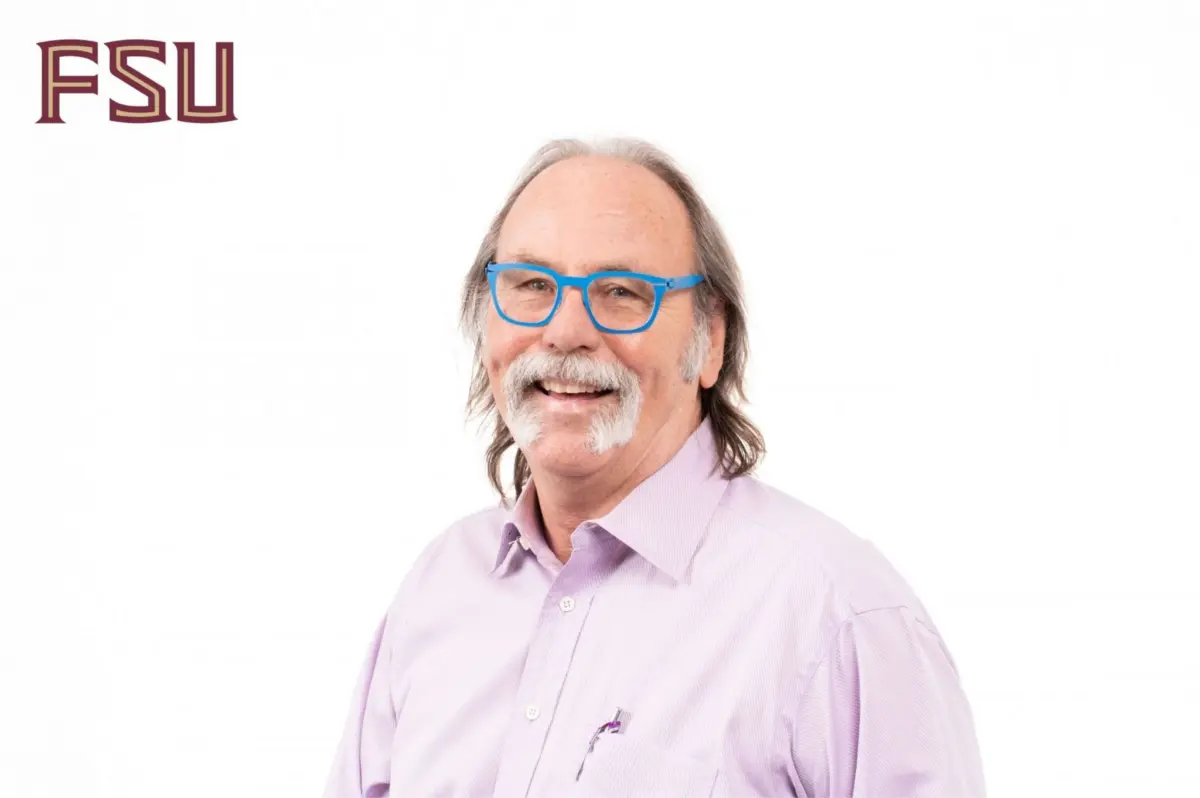
In an era defined by intense political polarization, institutional distrust, and a worrying global trend toward democratic erosion, the question of why citizens obey—or actively defy—governing bodies has never been more critical. On Tuesday, Oct. 13, 2026, Florida State University’s (FSU) Department of Political Science will host a landmark public lecture by one of the world’s foremost authorities on the subject: James L. Gibson, FSU Provost’s Research Professor of Political Science.
Entitled "Legitimacy: The Theory of the Century," the presentation will draw on more than four decades of empirical research. Gibson aims to dissect the core mechanics of sociological legitimacy, exploring how public trust is built, maintained, and—most crucially—destroyed. Against the backdrop of contemporary democratic backsliding, the lecture promises to offer vital insights into how legal, political, economic, and social institutions survive crises of faith, or how they ultimately collapse under the weight of sustained delegitimization campaigns.
This comprehensive report examines the upcoming address within the broader framework of modern political science. It details the event’s logistics, explores Gibson’s decorated career and foundational contributions to the field, provides necessary institutional context on FSU’s College of Social Sciences and Public Policy (COSSPP), and looks ahead at the implications of legitimacy research for the future of democratic governance worldwide.
Detailed Chronology: Event Logistics and Core Thematic Focus
Event Details
- Date: Tuesday, Oct. 13, 2026
- Schedule:
- 3:30 P.M. – Featured Lecture: "Legitimacy: The Theory of the Century"
- 4:30 P.M. – Public Reception and Networking
- Location: Beth Moor Lounge, Longmire Building
- Address: 125 Convocation Way, Tallahassee, FL 32306
- Admission: Free and open to the general public, students, faculty, and researchers.
The Mechanics of the Lecture
The lecture will focus heavily on sociological legitimacy—the broad, diffuse willingness of a populace to recognize the rightful authority of governing structures, even when individual policies or legal rulings prove unpopular. Gibson’s presentation will not merely deal in abstract political theory; rather, it will leverage rigorous empirical data gathered over decades of cross-national and domestic surveys.
Attendees can expect a thorough examination of:
- The Threshold of Acceptance: How much dissatisfaction an institution can absorb before citizens begin viewing its very existence as illegitimate.
- The Catalysts of Decay: Specific triggers—ranging from hyper-partisan rhetoric and systemic institutional capture to economic inequality—that accelerate the loss of public trust.
- The Ripple Effect: How the delegitimization of one core democratic pillar (such as electoral systems or the judiciary) can cascade into a systemic failure across all branches of governance.
By situating his talk within the current global landscape of democratic backsliding, Gibson will connect long-term academic scholarship to the urgent, real-world crises facing modern democracies today.
Supporting Context & Metrics: The Scholar, The Concept, and The Institution
Meet the Expert: James L. Gibson
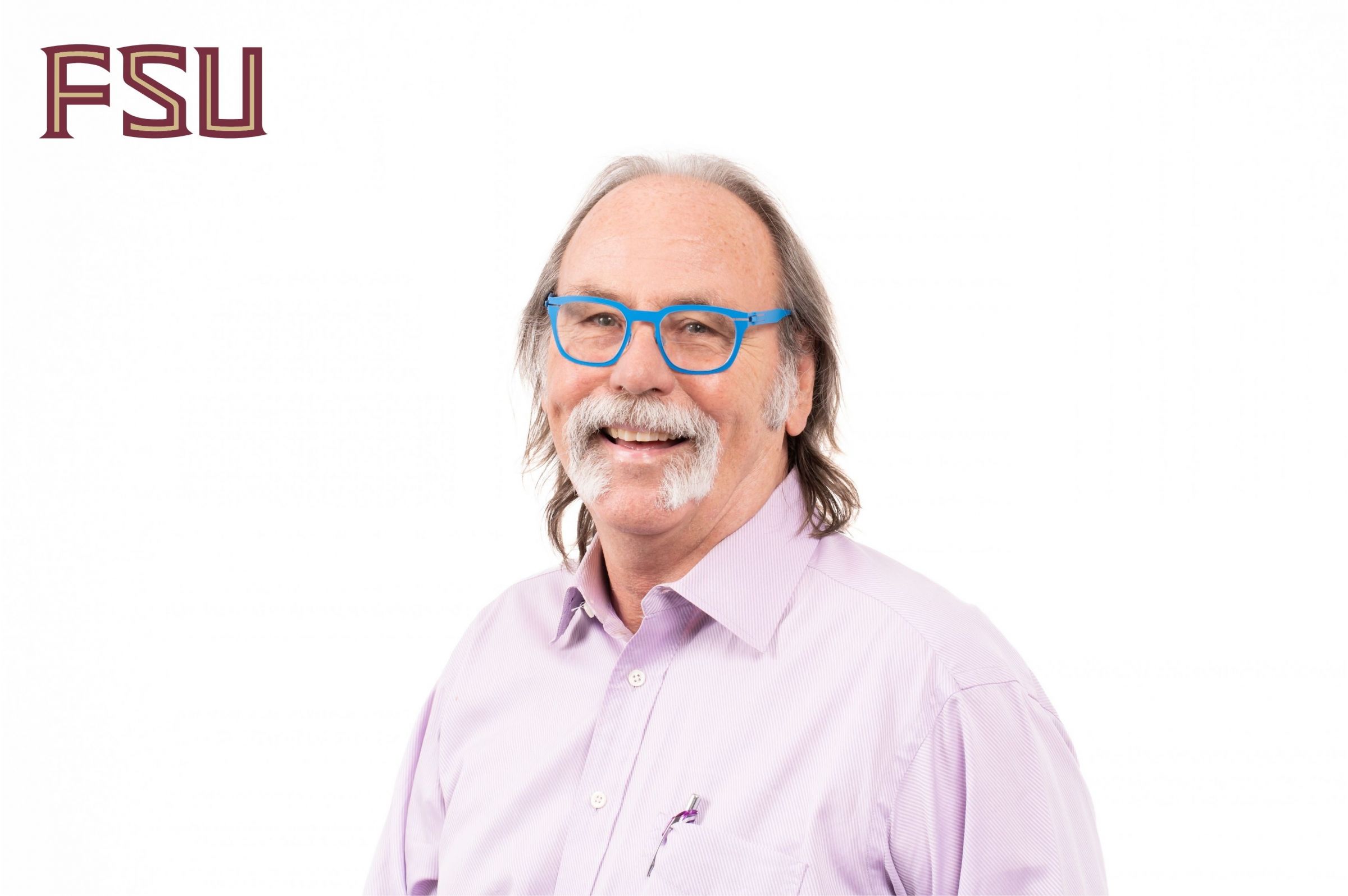
The timing of Professor Gibson’s lecture coincides with his recent arrival at Florida State University this fall, where he assumed the prestigious role of Provost’s Research Professor of Political Science. His appointment represents a major coup for FSU, further cementing the university’s reputation as a powerhouse for political and social research.
For over forty years, Gibson’s academic footprint has spanned some of the most pressing questions in political behavior. His scholarly output is staggering: he is the author or co-author of more than 100 peer-reviewed scholarly articles and numerous authoritative books. Notable recent works include Democracy’s Destruction? (2024), which probes the vulnerabilities of modern democratic systems, and Black and Blue (2018), an incisive look at constitutional rights, policing, and legitimacy.
His lifetime of contributions has not gone unnoticed by the broader academic community. Earlier in 2026, Gibson was honored with the Warren E. Miller Award from the American Political Science Association (APSA). This prestigious accolade recognizes scholars who have made sustained, transformative contributions to the study of elections, public opinion, and voting behavior.
The Evolution of "Legitimacy" in the Social Sciences
To fully grasp the weight of Gibson’s upcoming talk, one must understand why legitimacy has earned the moniker "the theory of the century."
In sociological and political theory, legitimacy differs fundamentally from mere compliance rooted in fear of punishment or calculation of self-interest. True legitimacy implies a normative belief among citizens that an institution ought to be obeyed. When an institution possesses high legitimacy:
- Minorities and losing factions in elections accept unfavorable outcomes peacefully.
- Legal rulings are adhered to even by those who disagree with the verdict.
- The state requires fewer coercive measures to maintain public order.
However, as Gibson’s research has repeatedly demonstrated, legitimacy is not an infinite resource. Once depleted through sustained attacks on institutional independence, voter suppression narratives, or rampant corruption, rebuilding it can take generations.
Institutional Anchor: FSU’s Department of Political Science and COSSPP
The lecture is hosted by FSU’s Department of Political Science, a crown jewel within the College of Social Sciences and Public Policy (COSSPP).
COSSPP is a vibrant academic ecosystem housing approximately 1,300 undergraduate majors within the Department of Political Science alone—accounting for roughly one-third of the college’s total undergraduate population. The department is internationally recognized for the high research productivity, media visibility, and policy influence of its faculty. Its Ph.D. program serves as a magnet for top-tier doctoral candidates from across the globe, fostering an environment of rigorous, cutting-edge inquiry.
Furthermore, the department stands out for its commitment to experiential learning through programs like the Applied Politics & Policy Learning Experience (APPLE). Uniquely positioned as the only program of its kind in the United States, APPLE bridges the gap between classroom theory and real-world practice, offering undergraduate students invaluable hands-on immersion within the Florida Legislature in Tallahassee and the corridors of power in Washington, D.C.
Official Statements and Academic Insights
While public remarks will be delivered on Oct. 13, colleagues and academic leaders within COSSPP have emphasized the profound relevance of Gibson’s work to the contemporary sociopolitical climate.
"We are extraordinarily fortunate to welcome a scholar of Dr. Gibson’s caliber to our faculty," notes leadership within the Department of Political Science. "At a time when democratic norms face unprecedented strain both domestically and internationally, his empirical work on legitimacy provides the exact kind of clear-eyed, data-driven analysis that universities must champion. This lecture is an invaluable opportunity for our students, faculty, and the broader community to engage directly with foundational questions of how societies govern themselves."
In his own previous writings and lectures, Gibson has consistently warned against the dangers of treating institutional trust as a permanent fixture of modern life. He has argued that democracies rarely fall solely to dramatic, overnight military coups; instead, they frequently erode from within as citizens and political actors systematically chip away at the credibility of impartial arbiters—such as courts, electoral boards, and free presses.
Future Outlook: The Road Ahead for Democratic Resilience
As we look toward the remainder of the decade and beyond, the insights generated by scholars like James L. Gibson will serve as a critical diagnostic tool for democratic societies.
The questions raised by "Legitimacy: The Theory of the Century" point toward an uncertain future:
- Can institutional legitimacy be restored once severely degraded? Gibson’s historical and comparative data often highlight the steep costs of institutional repair, suggesting that prevention and early defense of democratic guardrails are vastly superior to post-hoc remediation.
- How do digital information ecosystems impact public trust? As misinformation and targeted campaigns seek to delegitimize institutions in real-time across social media, political scientists must adapt their frameworks to measure how modern communication accelerates the decay of social fabric.
- What role do academic institutions play? By hosting forums like the Oct. 13 lecture, universities reinforce their mission as sanctuaries for free inquiry, civic education, and the empirical defense of truth against partisan distortion.
For students, researchers, policymakers, and engaged citizens in the Tallahassee area and beyond, James L. Gibson’s lecture is more than an academic presentation—it is a timely diagnostic session on the health of modern governance.
Members of the public attending the event on Tuesday, Oct. 13, are encouraged to arrive early at the Beth Moor Lounge in the Longmire Building to secure seating prior to the 3:30 P.M. start time, followed by an opportunity to engage with peers and faculty during the 4:30 P.M. reception.

0 Comments