

Executive Overview
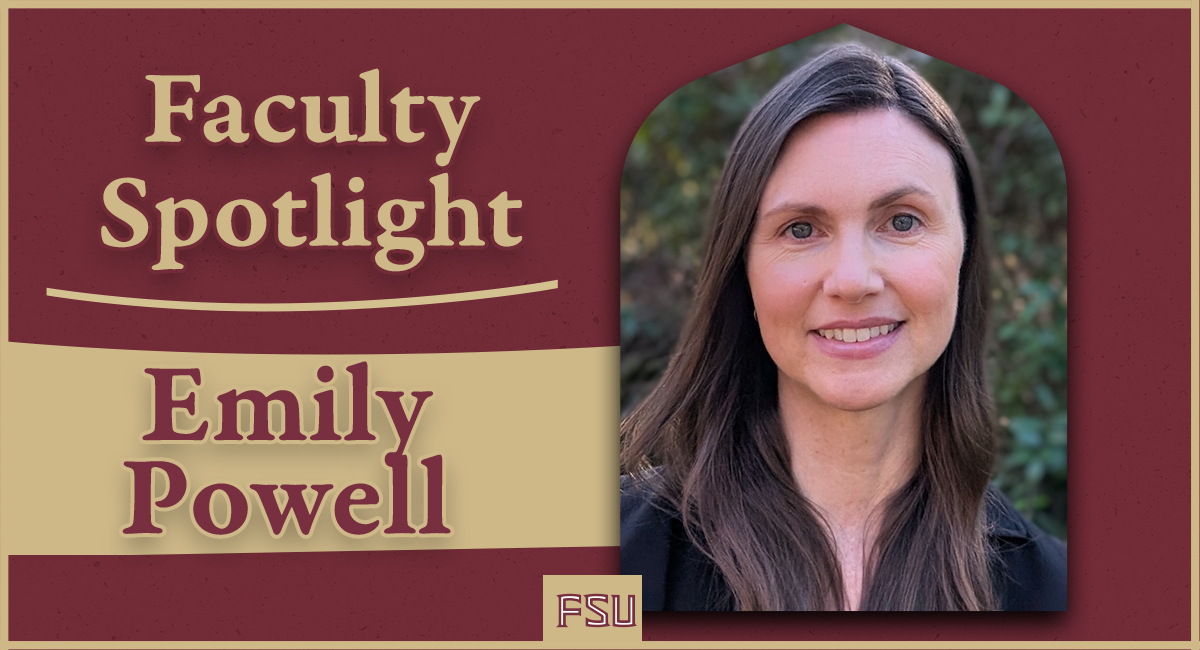
As Floridians brace for the inevitable tests of the peak hurricane season, abstract meteorological concepts like El Niño, long-range precipitation anomalies, and shifting sea surface temperatures can easily feel distant. Yet, for Emily Powell, state climatologist at the Florida Climate Center (FCC) housed within Florida State University (FSU), these complex atmospheric variables are the foundation of vital tools designed to protect lives, property, and economic stability.
Operating at the critical intersection of climatology, emergency management, and urban planning, Powell transforms raw historical weather data into actionable, decision-ready intelligence. In a state uniquely vulnerable to extreme weather events, her interdisciplinary approach provides municipalities—particularly under-resourced and smaller coastal communities—with practical roadmaps for long-term climate resilience.
From analyzing the far-reaching impacts of the El Niño-Southern Oscillation (ENSO) to mobilizing a statewide network of citizen scientists, Powell’s work underscores a singular, unwavering mission: equipping the public and policymakers with the precise information they need before disaster strikes. Even in years projected to have quieter seasonal trends, her message remains urgent—preparedness is not dictated by broad forecasts, but by individual readiness in the face of unpredictable meteorological windows.
Detailed Chronology: The Evolution and Operation of the Florida Climate Center
The work of the Florida Climate Center is neither episodic nor reactionary; it is built on a continuous, multi-layered framework of data collection, synthesis, and public outreach. To understand how Powell guides the state through modern climate challenges, it is helpful to examine the operational lifecycle of the Center’s core responsibilities.
Daily Monitoring and Data Ingestion
The baseline of the FCC’s operations involves constant observation. Weather stations, radar networks, marine buoys, and atmospheric soundings feed continuous streams of data into regional and national databases. The Center acts as a primary state-level clearinghouse, capturing temperature shifts, barometric pressure fluctuations, and precipitation volumes across Florida’s diverse microclimates—from the Panhandle to the Keys.
Seasonal Predictive Analysis and Trend Identification
Months before seasonal shifts manifest on the ground, climatologists engage in deep analytical work. By evaluating historical weather trends alongside oceanic indicators—such as the thermal states of the equatorial Pacific Ocean—Powell and her colleagues assess broader macro-climate patterns. These assessments determine how phenomena like the El Niño-Southern Oscillation (ENSO) will likely alter the position and strength of the jet stream, subsequently dictating storm tracks and temperature anomalies for the upcoming seasons.
Interdisciplinary Translation and Advisory Support
Once broad trends are identified, the translation phase begins. Raw scientific metrics are converted into contextualized, digestible insights tailored to weather-sensitive sectors. This includes collaborating with agricultural operations to protect crop yields, advising water resource managers on impending drought or flood conditions, and partnering with public health officials to monitor heat-related vulnerabilities.
Emergency Mobilization and Public Outreach
As severe weather threats materialize—whether it be the peak of hurricane season or winter severe weather outbreaks—the FCC transitions into an intensive public advisory role. Through active media engagement, updated digital dashboards, and sustained social media communication, the Center bridges the gap between complex meteorological data and the everyday citizen, ensuring that local authorities and families share a unified understanding of impending risks.
Supporting Context & Metrics: Decoding El Niño, Citizen Science, and Vulnerability
The efficacy of modern climatology relies heavily on contextualizing global oceanic cycles and leveraging grassroots data collection to ground macro-level forecasts in hyper-local reality.
The Mechanism of El Niño and 2026 Projections
Powell’s expertise centers on understanding the multi-faceted drivers of seasonal weather, chief among them being ENSO. The heating and cooling phases of the equatorial Pacific Ocean fundamentally alter atmospheric pressure patterns across the globe. During an El Niño phase, these ocean-atmosphere interactions shift the jet stream southward, creating a more active southern storm track that directly impacts the southeastern United States, including Florida.
For 2026, the National Oceanic and Atmospheric Administration (NOAA) projected significant anomalies, with El Niño expected to reach record levels and sea surface temperatures potentially rising by nearly 3 degrees Celsius by winter. However, Powell emphasizes a critical nuance that often gets lost in public translation: intensity does not equal a guaranteed deterministic outcome.
- “A strong or very strong El Niño event does not guarantee we’ll see stronger or bigger impacts from the event,” Powell cautions. “It does, however, considerably increase the odds, or the likelihood that those expected impacts will occur.”
Impacts Across Seasons
The manifestations of a strong El Niño in Florida are temporally distinct. While summer and early fall are heavily defined by tropical activity, the influences of a robust El Niño are most strongly felt from late fall through winter and into the spring months. During this window, Floridians typically experience:
- Wetter and cooler-than-normal baseline conditions.
- An elevated risk of severe weather outbreaks, including winter tornadoes.
- Increased frequency of heavy rain events driven by the enhanced southern storm track.
Bridging the Capacity Gap in Vulnerable Communities
Beyond macro-forecasting, Powell has prioritized addressing structural vulnerabilities through targeted community engagement. Through collaborative initiatives with organizations such as Florida Sea Grant and the University of Florida Institute for Food and Agricultural Sciences (IFAS), Powell has provided technical assistance and resilience frameworks to low-capacity communities throughout the state. These regions often lack the municipal resources to independently interpret complex climate projections, making the FCC’s targeted support vital for local zoning, infrastructure reinforcement, and hazard mitigation.
The Power of Grassroots Data: CoCoRaHS
A cornerstone of Florida’s hyper-local climate monitoring is the Community Collaborative Rain, Hail & Snow Network (CoCoRaHS), for which Powell serves as the state’s co-coordinator. This grassroots, volunteer-driven network relies on everyday citizens taking daily precipitation measurements in their own backyards.
The integration of citizen science into professional meteorological models provides immediate, real-time data crucial for:
- Flash-flood monitoring and localized storm tracking.
- Enhancing precipitation forecast models.
- Long-term drought monitoring and ecosystem health assessments.
“It’s great to have a network of citizen scientists who are passionate about the weather,” Powell notes. “We get to work with people around the state who do this on their free time, and the data that they produce is freely available almost immediately to anyone who wants to look at it.”
Official Statements and Perspectives
The philosophy driving the Florida Climate Center is rooted in public service, accessibility, and the democratization of scientific knowledge. At a time when misinformation can spread as rapidly as a severe weather system, the need for authoritative, calm, and clear communication has never been higher.
Reflecting on the core purpose of the FCC, Powell articulates a direct connection between academic research and human welfare:
"The mission of the Florida Climate Center is to monitor, disseminate and analyze weather and climate data and information to serve the people in the state."
She further elaborates on the holistic scope of her academic and professional journey:
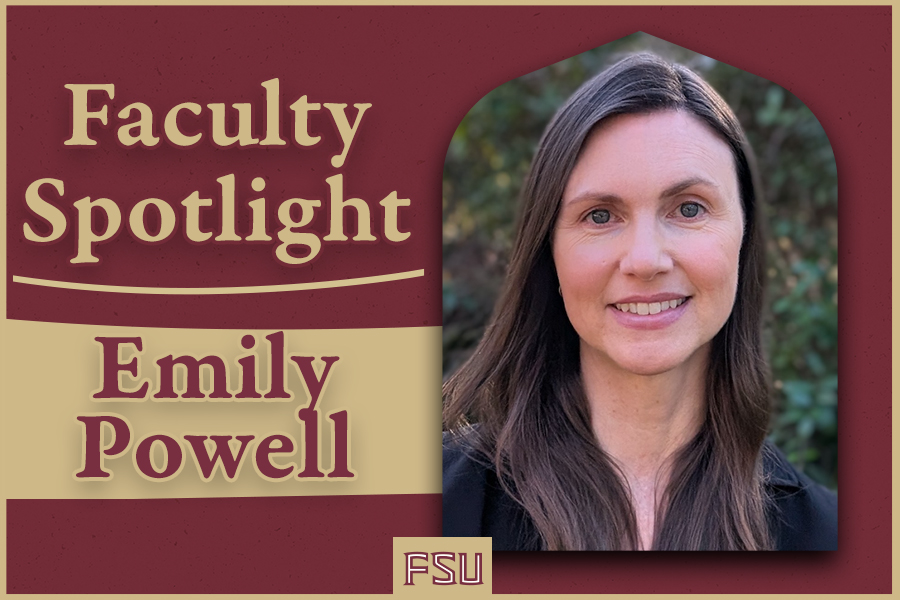
"I wanted to take my interest in weather and society and my academic training and apply it to understand how weather and climate affect people and their environment. For instance, how weather and climate impact people’s lifestyles, public health and safety, a community’s economic solvency, how it affects our food supplies, and how it drives ecosystem change."
Addressing the evolving landscape of public information needs, Powell highlights the expanding footprint of the Center’s advisory services:
"We’ve seen demand for weather and climate services go up over the years, and we try to communicate information and contextualize that information, particularly from national and local authorities, to ensure people have the right information and can make sense of that information so they can make well-informed decisions."
Finally, emphasizing the perennial nature of preparedness regardless of seasonal macro-trends—such as a NOAA forecast predicting a below-normal hurricane season—Powell issues a timeless caution:
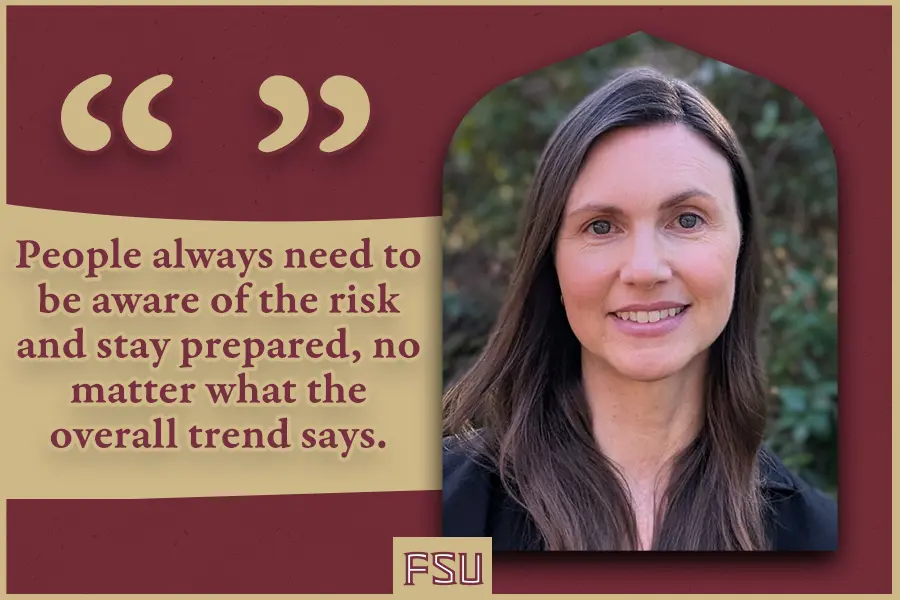
"People always need to be aware of the risk and stay prepared, no matter what the overall trend says. One storm can still exploit a window of opportunity and cause widespread damage."
Future Outlook: Navigating Tomorrow’s Climate Realities
As Florida continues to experience rapid population growth, urban expansion, and shifting environmental baselines, the role of the state climatologist will only grow in complexity and importance. The challenges facing coastal and inland municipalities alike demand proactive, science-driven planning that accounts for both sudden-onset disasters—such as hurricanes and severe storms—and slow-onset pressures, including sea-level rise and changing hydrological cycles.
Looking ahead, the Florida Climate Center aims to expand its technological capabilities, deepening integration between artificial intelligence-driven predictive models and human-led contextual analysis. By refining how data is delivered to emergency managers, agricultural leaders, and urban planners, the Center is helping to construct a more resilient administrative infrastructure across the state.
Yet, technology and data are only as effective as the communities that utilize them. Through ongoing public education campaigns, academic partnerships, and the invaluable contributions of citizen science networks like CoCoRaHS, Emily Powell and her team are fostering a culture of preparedness.
In a state defined by its vulnerability to the elements, the work conducted at the Florida Climate Center ensures that Floridians are never navigating the weather blind. By turning historical complexity into clear, decision-ready foresight, Powell continues to safeguard the state’s future—one well-informed community at a time.

0 Comments