

By Derrick Conover
Published: March 18, 2026
Executive Overview
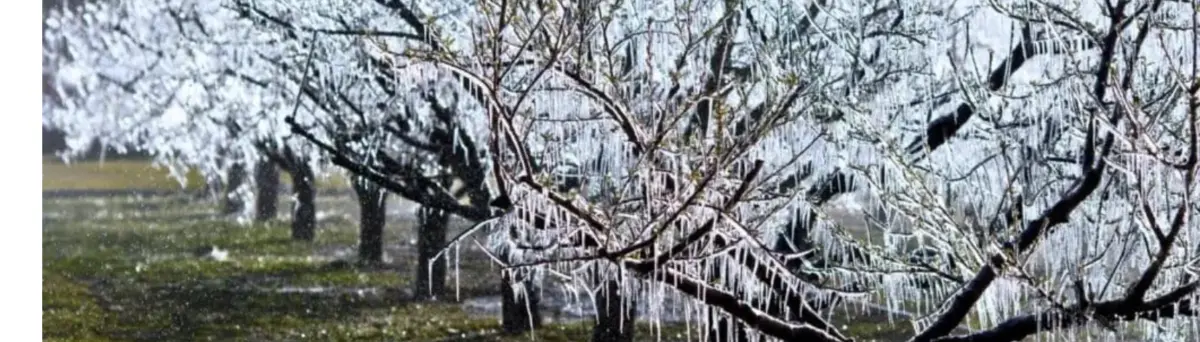
Agricultural producers across Columbia County and the broader North Florida region are currently navigating a high-stakes convergence of environmental pressures. As what local agricultural authorities hope to be the final cold front of the season sweeps through the area, it arrives at a uniquely sensitive juncture in the annual agricultural production cycle. This latest temperature drop coincides precisely with the period when permanent fruit crops are breaking dormancy and emerging spring row crops are either being planted or breaking the soil surface.
The resulting vulnerability window is dangerously narrow. Even brief intervals of unseasonable cold can trigger a cascading series of physiological setbacks in plants, undermining overall crop performance, degrading quality metrics, and severely compromising yield potentials. Compounding these freeze risks is a persistent regional drought. The simultaneous presence of moisture deficits and low temperatures creates an amplified stress dynamic, transforming what might otherwise be a minor meteorological hiccup into a severe threat to farm gate value.
For local growers, the margin for error this season is razor-thin. Success or failure increasingly hinges on proactive climate monitoring, precise irrigation management, and rapid deployment of cold-mitigation strategies. This report examines the physiological impacts of these late-season cold snaps on both perennial orchards and spring-planted row crops, analyzes the compounding dangers of concurrent drought conditions, and outlines strategic interventions essential for safeguarding North Florida’s agricultural economy.
Detailed Chronology: The Anatomy of a Late-Season Weather Event
The arrival of mid-March cold fronts in North Florida is not an unprecedented meteorological phenomenon, but the timing relative to the biological clock of local flora makes this year’s event particularly damaging. Understanding the progression of damage requires a close look at the physiological timeline of both perennial fruit trees and fragile annual seedlings.
Phase 1: The Transition from Dormancy to Bloom
During the heart of winter, many regional fruit crops—including stone fruits like peaches and perennial berries like blueberries—enter a state of dormancy. In this physiological shutdown phase, plants can routinely withstand sub-freezing temperatures with little to no permanent cellular damage. However, as winter transitions into spring, accumulated chilling hours and warming ambient temperatures trigger a rapid physiological shift. Buds swell, break open, and enter full bloom.
As this transition occurs, the cold tolerance of the plant plummets. When open flowers encounter even a light frost, the delicate reproductive tissues—specifically the pistils and stamen—sustain cellular rupture from ice crystal formation. In many instances, the damage is deceptively insidious. Blossoms may retain a normal external appearance for days, leading growers to harbor false hope, only for the flowers to eventually wither and fail to set fruit.
Phase 2: Pollinator Disruption and Extended Stress
The negative feedback loop of a late frost extends far beyond direct tissue necrosis. Cold weather severely curtails the activity of essential pollinators. Honeybees and native pollinators drastically reduce their foraging flights when ambient temperatures drop, or when weather conditions turn cloudy and windy. Because the blooming window for crops like blueberries is already compressed, any disruption in pollination windows directly translates to lower fruit set percentages.
Furthermore, cold stress initiates a systemic slowing of overall tree physiology. Following a late-season chill event, growers frequently observe:
- Delayed leaf-out: Slowing the plant’s ability to manufacture necessary carbohydrates through photosynthesis.
- Extended bloom periods: Prolonged, erratic flowering cycles that paradoxically increase the plant’s vulnerability by exposing subsequent waves of blossoms to recurring frost risks.
- Depleted carbohydrate reserves: Repeated metabolic stress forces the tree to burn stored energy reserves just to repair tissue damage, robbing resources from the current year’s developing fruit and negatively impacting bud development for the following season.
Supporting Context & Metrics: Row Crops and the Soil-Temperature Matrix
While perennial orchards grapple with blossom destruction and physiological fatigue, spring-planted row crops face an entirely different array of survival hurdles. Across North Florida, producers of warm-season staples—such as watermelons, sweet corn, and various market vegetables—rely on optimal soil temperatures for uniform germination and vigorous early root establishment.
The Vulnerability of Germinating Seedlings
When cold fronts depress both air and soil temperatures, the germination process in crops like watermelon slows dramatically or becomes highly uneven. In commercial watermelon production, field uniformity is paramount for scheduling harvests, managing irrigation, and maximizing marketable yield. Uneven emergence shatters this uniformity, resulting in staggered maturity rates that complicate harvest logistics.

Moreover, cold and wet soil conditions create an ideal microenvironment for soil-borne pathogens. Pathogens responsible for damping-off and root rots thrive in sluggish, cold soils, attacking vulnerable seeds and young hypocotyls before they can emerge.
For plants that have already emerged or been transplanted from greenhouses, the stakes are equally high:
- Direct Frost Injury: Young, succulent foliage is highly susceptible to leaf burn, stem splitting, and complete tissue collapse.
- Prolonged Transplant Shock: Cool temperatures severely impede root growth in newly set transplants. A stagnant root system prolongs transplant shock, leaving the young plants exposed for extended periods to opportunistic insect pests and secondary infections that readily colonize stressed tissue.
+---------------------------------------------------------------------------------+
|                         CROP VULNERABILITY MATRIX                               |
+--------------------+----------------------------+-------------------------------+
| Crop Category      | Primary Stressors          | Primary Physiological Impact  |
+--------------------+----------------------------+-------------------------------+
| Fruit Trees        | Frost during bloom         | Reproductive tissue damage,   |
| (Peaches/Blueberry)| Low pollinator activity    | poor fruit set, reserve drain |
+--------------------+----------------------------+-------------------------------+
| Row Crops          | Cold soil & air temps      | Delayed/uneven germination,   |
| (Watermelon/Corn)  | Damping-off pathogens      | stand loss, transplant shock  |
+--------------------+----------------------------+-------------------------------+
Official Statements and Agronomic Analysis
The compounding nature of environmental stressors in agricultural systems requires rigorous analytical observation from regional extension agents and crop specialists. According to local agricultural extension insights, treating drought and frost as isolated environmental challenges is a critical mistake in modern farm management.
The Drought-Frost Amplification Effect
Florida’s ongoing drought conditions play a decisive role in magnifying the destructiveness of late-season cold fronts. From a strictly thermodynamic standpoint, soil moisture acts as a vital thermal buffer. Moist soils possess a high heat capacity; they absorb vast amounts of solar radiation during daylight hours and release that thermal energy slowly into the near-ground atmosphere throughout the night, mitigating rapid temperature crashes.
Conversely, dry soils lack this thermal mass. They heat up quickly under the sun, but cool down with alarming speed once the sun sets. Consequently, under identical ambient air temperatures, a dry field will experience significantly colder micro-temperatures at the plant canopy level than an adjacent field with adequate soil moisture.
Agronomic evaluations emphasize that dry conditions must be factored directly into frost risk assessments:
"Two fields experiencing the exact same macro-level air temperature forecasts can sustain vastly different levels of frost injury based entirely on antecedent soil moisture conditions," local agricultural advisors note. "Maintaining adequate soil moisture prior to an anticipated cold event is not just about drought mitigation; it is a primary defensive tactic for moderating microclimate temperatures and safeguarding vulnerable plant tissues."
Future Outlook: Resilience Strategies for Growers
As erratic weather patterns and prolonged dry spells challenge traditional agricultural calendars in North Florida, producers must adapt their operational strategies to build long-term resilience.
Proactive Management Recommendations
- Enhanced Meteorological Monitoring: Growers should rely on hyper-local weather stations and agricultural mesonet networks rather than generalized regional forecasts to track soil temperatures and canopy-level microclimates accurately.
- Pre-Freeze Irrigation Scheduling: Where water permits and irrigation infrastructure allows, pre-irrigation of dry soils days ahead of a forecasted freeze can significantly enhance soil heat retention and buffer against extreme near-ground temperature drops.
- Varietal Selection and Staggered Planting: To hedge against the risks of late-season cold snaps, producers should consider staggering planting dates or investing in resilient cultivars with broader chilling-requirement windows.
- Post-Stress Crop Recovery Management: Following a cold event, growers should focus on minimizing secondary pest and disease pressures in frost-weakened crops through targeted, judicious application of protectant fungicides and optimized nutritional support to help plants rebuild lost carbohydrate reserves.
By maintaining rigorous vigilance, understanding the complex interplay between soil moisture and atmospheric temperatures, and executing timely protective interventions, Columbia County producers can successfully navigate these high-stress environmental transitions and protect the viability of the agricultural season.
For more information on local crop management, weather updates, or agricultural extension resources, contact your local University of Florida / IFAS Extension office in Columbia County.

0 Comments