

Executive Overview
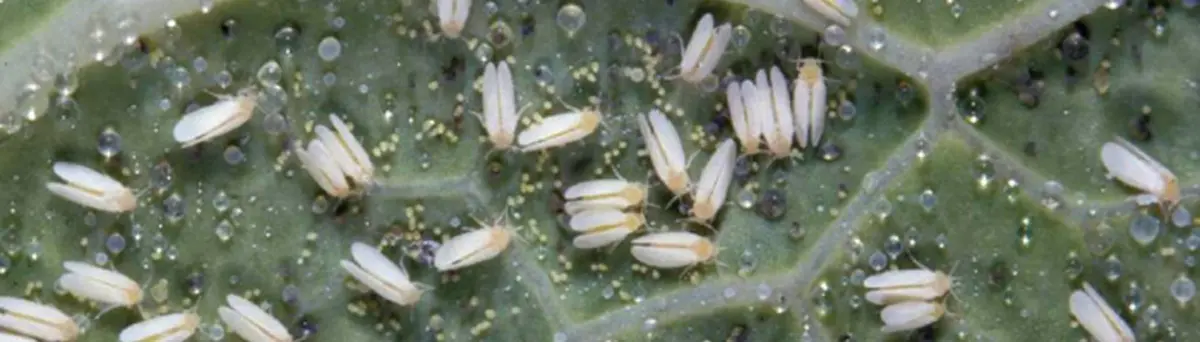
For farmers across the Suwannee Valley and greater North Florida, the late summer and fall seasons bring a familiar, unwelcome phenomenon. Brushing past rows of tomatoes, peppers, or squash often triggers a chaotic cloud of tiny, winged insects bursting upward from the foliage. While their size is microscopic, whiteflies—particularly the species Bemisia tabaci—represent a macroscopic financial threat to regional agriculture. These pests are far more than a seasonal nuisance. They are devastating vectors of plant pathogens, ruthless sap-suckers, and market-ruiners capable of wiping out a grower’s profitability right on the cusp of harvest.
As warm fall temperatures persist across the region, whitefly populations experience explosive growth, accelerating their reproductive cycles and heightening the transmission rates of catastrophic plant viruses. Compounding the issue is the dynamic of agricultural geography: large commercial farms host extensive whitefly populations across multiple crop cycles, and as those fields are harvested, migrating swarms descend upon smaller, surrounding farms.
To combat this rising tide, agricultural experts—including Dr. Derrick R. Conover of UF/IFAS Extension in Columbia County and Dr. Xavier Martini, UF Assistant Professor of Entomology—have championed a comprehensive, research-backed Integrated Pest Management (IPM) framework. By deploying a strategic mix of cultural modifications, targeted organic repellents, biological controls, and judicious chemical applications, growers can reclaim control over their fields and protect their agricultural yields from devastation.
Detailed Chronology: Understanding the Seasonal Surge
The timeline of a whitefly infestation in North Florida is deeply intertwined with regional weather patterns, crop rotations, and the biological resilience of the pest. Understanding this chronology is critical for early intervention and effective crop defense.
Summer Prelude: Establishing the Reservoir
The whitefly crisis begins well before the first autumn leaf falls. During the height of summer, high temperatures and expansive acreage dedicated to crops like cotton provide a massive, stable host network. Bemisia tabaci thrives in this environment, quietly building baseline populations across extensive agricultural landscapes. Because rainfall has a relatively minor direct impact on population mortality compared to temperature, these summer reservoirs remain largely unchecked by typical seasonal downpours.
Late Summer to Early Fall: The Migration and Explosion
As late summer transitions into early fall, local commercial farming operations begin harvesting their primary crops—such as cotton, cucurbits, and early tomatoes. This massive disruption forces hungry, mobile whitefly populations to seek out alternative food sources. Smaller-scale vegetable farms, which often feature staggered planting schedules and lush, vulnerable late-season crops, become prime targets for these migrating swarms.
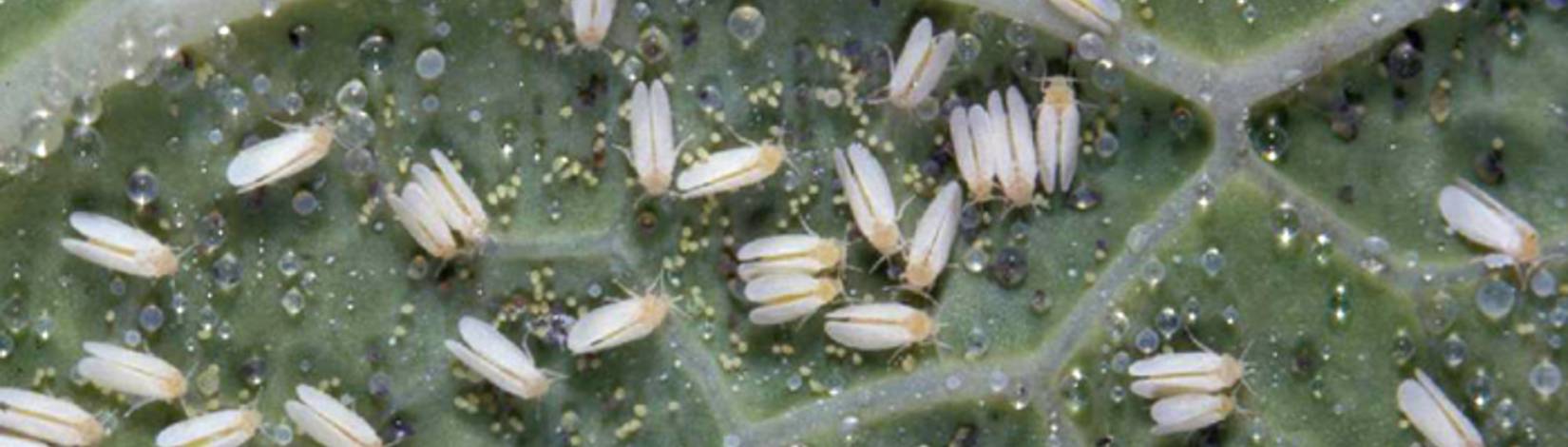
Simultaneously, North Florida’s enduring warm fall temperatures create a thermal sweet spot for the insects. Their metabolic and reproductive rates soar. Female whiteflies deposit hundreds of eggs on the undersides of leaves, which rapidly hatch into mobile nymphs. These nymphs begin feeding voraciously, laying the groundwork for a massive adult population spike just as regional farmers prepare for harvest.
Peak Virus Transmission and Harvest Vulnerability
By mid-to-late fall, whitefly populations reach their annual zenith. This peak coincides dangerously with the ripening of high-value fall crops, including tomatoes, peppers, and various cucurbits. As the insects pierce plant vascular tissues to feed, they inadvertently inject devastating plant pathogens. The incidence of vector-borne viruses—most notably the Tomato Yellow Leaf Curl Virus (TYLCV)—reaches its annual maximum during this window. Crops infected at this stage suffer catastrophic quality degradation, market rejection, or outright plant death, leaving farmers with minimal time to react before harvest.
Supporting Context & Metrics: The Anatomy of a Threat
To fully grasp the magnitude of the whitefly challenge in the Suwannee Valley, it is necessary to examine the specific mechanisms of damage and the empirical data surrounding management strategies.
Direct Feeding vs. Indirect Destruction
Whiteflies inflict agricultural damage through two distinct pathways:
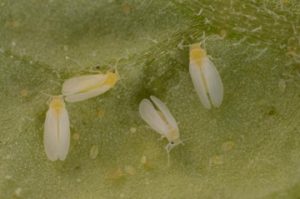
- Direct Feeding Damage: Both adult whiteflies and their immature nymph stages possess piercing-sucking mouthparts. They pierce the phloem of host plants to extract nutrient-rich plant sap. In heavy infestations, this continuous draining weakens the plant, stunts growth, causes leaf chlorosis, and drastically reduces overall crop yields. Furthermore, whiteflies excrete a sticky, sugar-rich substance known as "honeydew." This residue coats the foliage and fruit, promoting the growth of black sooty mold. This mold blocks vital sunlight, reduces photosynthesis, and ruins the aesthetic market quality of the produce, rendering it unsalable.
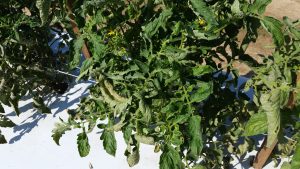
- Indirect Pathogen Transmission: While sap depletion is damaging, the true terror of Bemisia tabaci lies in its vector capabilities. Whiteflies act as living hypodermic needles, transmitting crippling plant viruses between crops. In North Florida, the most infamous of these is the Tomato Yellow Leaf Curl Virus (TYLCV), alongside a complex of various cucurbit-infecting viruses. Once a plant contracts TYLCV, it exhibits severe stunting, leaf curling, and flower drop, effectively halting fruit production.
Research-Backed Protection Strategies for Fall Crops
Agricultural researchers at the University of Florida’s Institute of Food and Agricultural Sciences (UF/IFAS) have rigorously evaluated various defense mechanisms. Their findings provide a clear roadmap for small and medium-scale producers navigating the fall pest window:
| Strategy | Effectiveness in Fall | Notes / Best Practices |
|---|---|---|
| Reflective Mulch & Row Covers | High | Significantly reduces initial whitefly landings and subsequent virus incidence by disorienting incoming pests. |
| Limonene-Scented Kaolin Sprays | High (in dry years) | Demonstrates exceptional efficacy during low-rainfall periods; effectively repels pests, reduces virus transmission, and boosts overall yield. |
| Biological Control (Predators & Fungi) | Moderate to High | Yields best results when integrated into a broader IPM framework; focuses on preserving native beneficial insect populations. |
| Synthetic Insecticides | High (Short-term) | Requires strict product rotation and conservative use to prevent rapid development of chemical resistance. |
| Area-Wide / Landscape Management | High | Demands active coordination among neighboring farms to eliminate local reservoirs and suppress regional reinfestation. |
Official Statements & Expert Insights
Mitigating the Suwannee Valley whitefly crisis requires bridging the gap between advanced entomological research and practical, on-the-farm execution. Leading voices from UF/IFAS have provided crucial guidance on how growers should approach this recurring battle.
Dr. Derrick R. Conover of UF/IFAS Extension in Columbia County emphasizes the importance of a proactive mindset for regional producers. "Whiteflies are an undeniable fact of life for North Florida growers, but they do not have to spell absolute disaster for your fall crop yields," Dr. Conover notes. He stresses that small-scale farmers can successfully insulate their operations by moving away from reactive spraying and toward holistic defense models. "By seamlessly combining thoughtful cultural practices, the active conservation of beneficial insect populations, and the disciplined, careful use of targeted insecticides, growers can keep whitefly populations well below economic injury levels."
Adding to this perspective, Dr. Xavier Martini, UF Assistant Professor of Entomology, highlights the physiological and behavioral vulnerabilities of the pest that farmers can exploit. Because whiteflies rely heavily on visual cues and specific environmental conditions to locate hosts, disrupting their sensory environment yields measurable results. Dr. Martini’s research into reflective barriers and botanical deterrents—such as limonene-scented kaolin clay applications—demonstrates that modern agriculture can combat these pests while minimizing chemical footprints.
Both experts converge on a singular, authoritative conclusion: a fragmented approach will fail. Only an integrated, landscape-level defense strategy can neutralize the whitefly threat.
Future Outlook: Building Resilient Agricultural Systems in North Florida
As changing climatic patterns continue to influence seasonal temperatures and weather variability in the Suwannee Valley, the agricultural community must look toward adaptive, long-term solutions for pest management. The traditional reliance on single-method interventions—such as heavy synthetic pesticide reliance—is increasingly proving unsustainable due to the rapid evolution of pesticide resistance within whitefly populations.
The Rise of Area-Wide Collaboration
Looking forward, the future of whitefly management in North Florida depends heavily on community-wide cooperation. Because Bemisia tabaci is an exceptionally mobile pest capable of traversing vast distances between diverse host crops (such as transitioning from exhausted cotton fields to tender autumn vegetables), isolated farm management is no longer sufficient. Future initiatives will likely feature coordinated regional eradication efforts, synchronized planting and harvest schedules among neighboring landowners, and shared monitoring networks that alert growers to impending migratory surges before they breach farm perimeters.
Innovations in Precision Agriculture and Biopesticides
Research pipelines at institutions like UF/IFAS are actively exploring next-generation interventions. The development of advanced biopesticides—including entomopathogenic fungi that specifically target whitefly nymphs without harming beneficial pollinators—offers a promising frontier. Furthermore, the integration of precision agriculture technologies, such as drone-based multispectral imaging to detect early-stage plant stress and viral infection symptoms before visual symptoms manifest, will allow farmers to target localized hot spots with surgical precision.
Ultimately, mastering the whitefly challenge in North Florida is an exercise in ecological management. By embracing integrated pest management (IPM), respecting the biological dynamics of the pest, and fostering cooperative regional networks, growers can safeguard their harvests, protect regional agricultural economies, and ensure that the Suwannee Valley remains a thriving hub of vegetable production for generations to come.

0 Comments