

Executive Overview
For generations, offshore anglers targeting dolphin (mahi-mahi or dorado) have relied on the high-octane "run-and-gun" method. This traditional approach typically involves burning precious fuel while scouring the deep-blue horizon, desperately looking for floating debris, weed lines, or frigatebirds in hopes of stumbling upon a school of aggressive surface-feeders. While this high-speed tactic can produce quick results under ideal conditions, it is fundamentally inefficient, prone to mechanical fatigue, and heavily reliant on luck.
However, a subtle paradigm shift is taking place among elite captains in the Gulf Stream. Instead of aggressively hunting down fish, experienced anglers are choosing to make the fish come to them. By transforming their vessels into dynamic, floating artificial habitats and systematically sweetening the surrounding pelagic waters with high-attraction chum lines, anglers can coax wary, pressure-shy, and trophy-sized bull dolphin out of the depths.
This comprehensive masterclass explores the strategic, low-impact art of drifting for dolphin. Backed by insights from seasoned offshore veterans, this investigative breakdown details the specialized tackle configurations, tiered bait deployment strategies, and psychological triggers required to systematically turn barren weed patches into assembly-line fisheries—all while saving fuel and redefining offshore efficiency.
Detailed Chronology: Anatomy of a Gulf Stream Masterclass
To truly understand the efficacy of the drifting methodology, one must examine a textbook execution on the water. A crisp morning some 20 miles off Miami’s historic Haulover Inlet serves as the proving ground for this technical masterclass aboard the sportfisher MARC VI.
The Morning Grind and the Pivot
The day began conventionally. Anglers Carl Grassi, Terry Flora, and the crew engaged in the standard morning ritual: running-and-gunning across the cobalt swells of the Gulf Stream. Sargassum weed mats were scattered everywhere, presenting a problematic matrix of floating vegetation that choked the surface. Despite fan-casting noisy chuggers and live-pitching baits along numerous weed lines for the better part of the morning, the results were lackluster. The fish simply were not showing themselves near the surface.
Recognizing that surface pressures and high midday water temperatures were likely holding larger fish deep or making them hyper-cautious, the decision was made to abandon the frantic engine-revving. The crew throttled back, shut down the diesels sideways near a sprawling weed mat, and deployed a meticulously calculated stationary drift spread.
The Strike: A Subtle Boil to Greyhounding Chaos
For the first hour, the drift produced steady, albeit predictable, action. Undersized schoolie dolphin materialized out of the cobalt depths to investigate the chum slick, offering entertaining light-tackle catch-and-release sport. But patience is the ultimate currency in offshore angling, and the crew knew that smaller fish often act as the vanguard for larger predators.
Approximately thirty minutes later, a subtle, uncharacteristic boil caught Carl Grassi’s eye right alongside the edge of the primary sargassum mat. Reacting on instinct, Grassi pitched a frisky live goggle-eye toward the disturbance, though he initially jumped the gun and set the hook a split-second too early. Resetting his focus for the recast, he delivered a more patient presentation, granting the unseen predator ample time to fully consume the bait before driving the steel home.
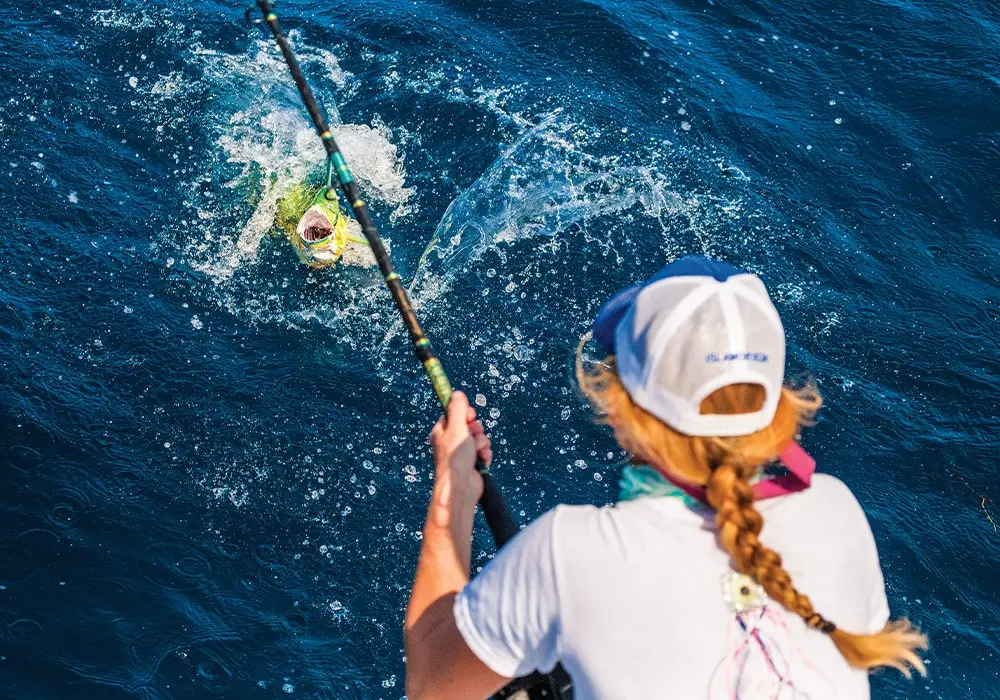
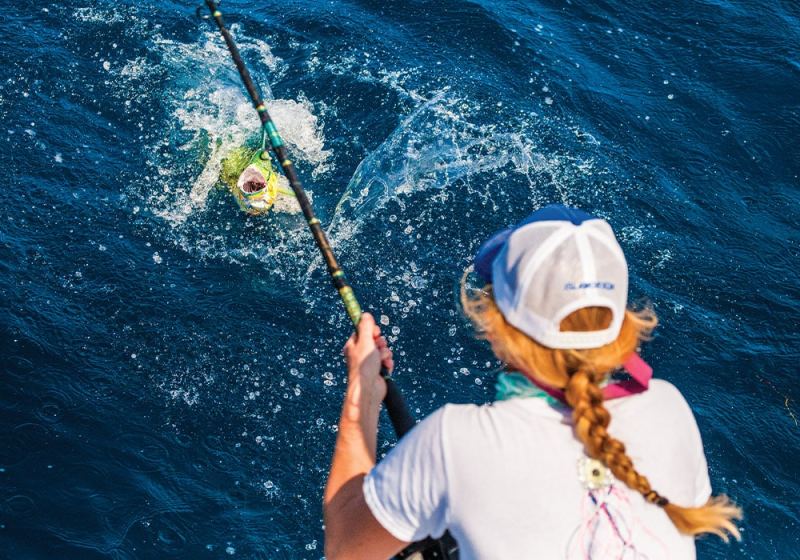
What happened next shocked the seasoned crew. Instead of a standard 10-pound schoolie taking to the air, a massive, heavyweight bull dolphin erupted from the subsurface, beginning a violent, greyhounding flight across the slick surface of the Gulf Stream. Blasts of white water punctuated by dense sargassum weed patches accented the fish’s tail walks and acrobatic leaps.
Navigating the Fight
With heavy floating weed concentrations threatening to foul the 20-pound test line, the captain was forced to briefly chase the fish with the boat to maintain a clear angle and minimize line drag. The battle was grueling, putting immense physical strain on the angler.
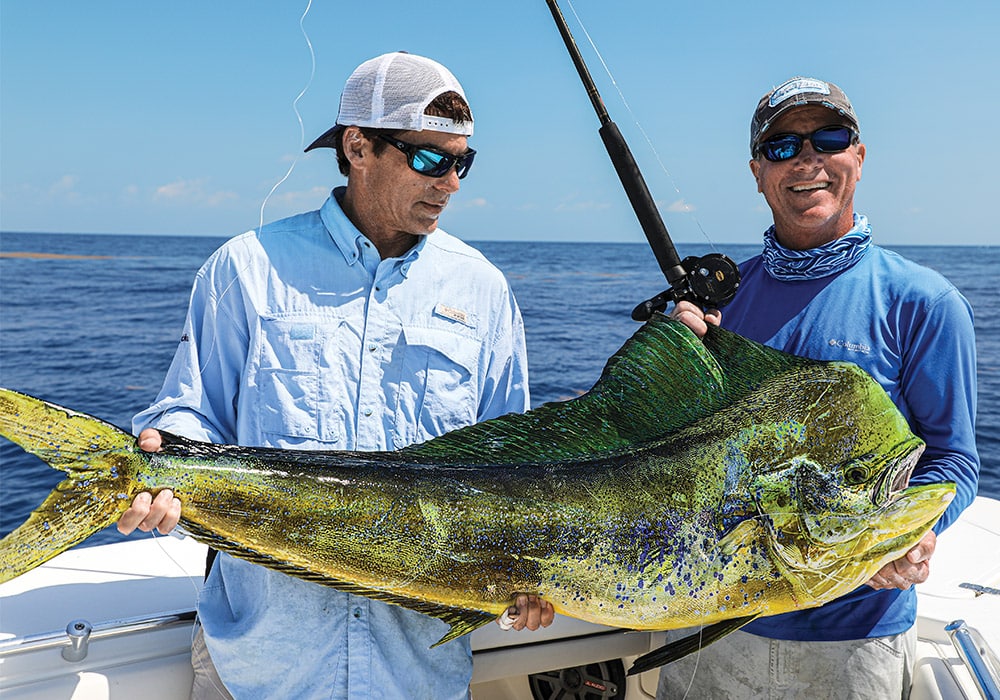
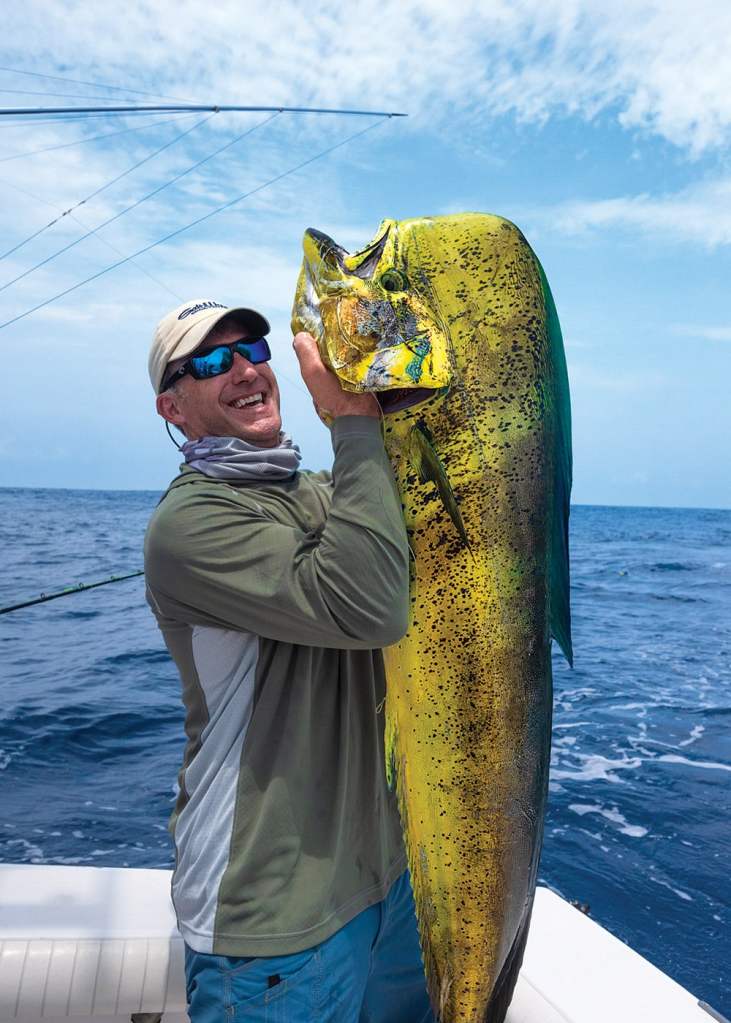
The climax of the encounter occurred when the heavy bull finally sounded, diving deep into the water column far away from the entanglement of the weeds. Following a prolonged, methodical tug-of-war, the fish was brought alongside the hull, successfully gaffed, and hauled over the gunwale. When hoisted onto the deck, the magnificent bull tipped the scales at an impressive 45 pounds, validating the stationary drift strategy in spectacular fashion.
Supporting Context & Metrics: The Mechanics of the Stationary Drift
Executing a successful drift-and-chum operation for pelagic gamefish requires more than just shutting off the engines and throwing scraps overboard. It is a highly engineered discipline rooted in marine biology, current dynamics, and hydro-acoustics.
1. The Multi-Tiered Bait Presentation Strategy
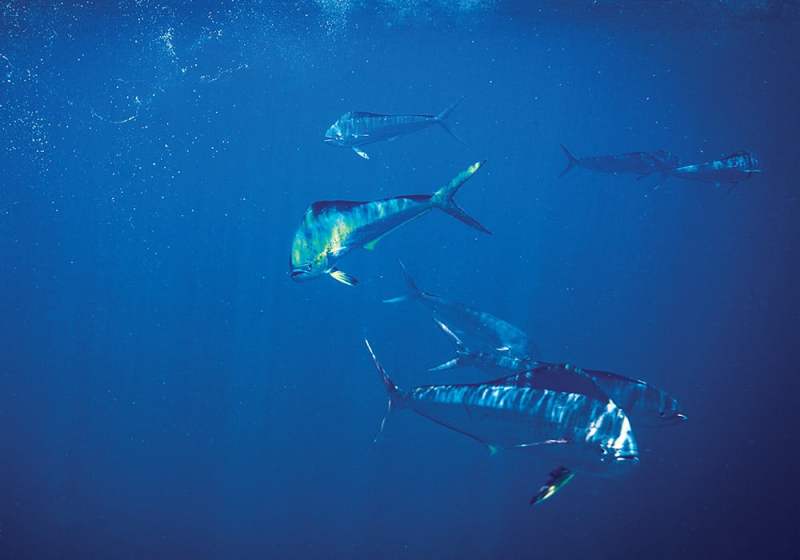
Dolphin are opportunistic, mid-water and surface apex predators with insatiable appetites. However, environmental stressors—such as intense summer solar radiation warming the top few feet of the ocean, or heavy boat traffic—frequently push larger, warier fish down into the cooler, darker thermoclines. A surface-only approach inevitably misses these trophy-class specimens.
To counter this, elite captains deploy a staggered, three-tiered bait presentation:
- The Surface Live-Bait Outrigger: A lively goggle-eye is bridled to a heavy-duty 7/0 live-bait hook (such as a VMC No. 9260 BN). A floating balloon is secured to the main line roughly 20 feet above the bait, allowing the goggle-eye to swim frantically 70 to 100 feet away from the drifting hull. The reel drag is set to the halfway strike position with the clicker engaged, and the outfit is secured in a bow rod holder.
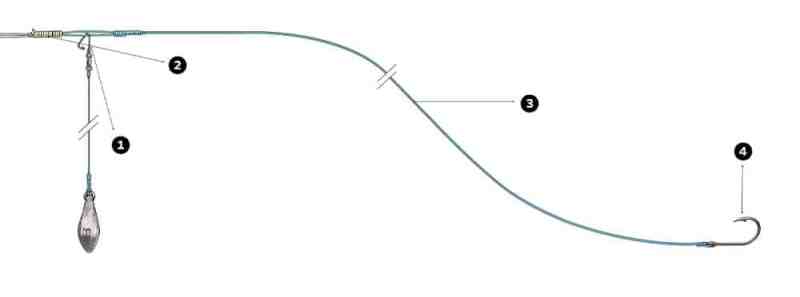
- The Deep Sinker Rig: Operating on the premise that big fish hold deep, an identical outfit is deployed into the depths. Using a removable 10-ounce sinker secured via an open snap swivel to a double line, a live goggle-eye is sent down to approximately 250 feet (with secondary options dropped to 100 feet). The open snap configuration allows the angler to quickly strip the heavy weight off the line as it reaches the rod tip during a frantic fight, ensuring the 40-foot fluorocarbon leader can pass smoothly through the rod guides.
- The Yellowtail-Style Chunk Slick: While live baits soak, the crew actively broadcasts bite-sized pieces of ballyhoo, pilchards, cigar minnows, and Spanish sardines into the slick. The objective is to establish an olfactory and visual trail that mimics a natural feeding frenzy, drawing fish from hundreds of yards away directly to the transom of the boat.
2. High-Performance Tackle and Gear Loadouts
Success in offshore drifting relies heavily on balanced, dependable equipment capable of handling explosive, high-speed runs and abrasive weed lines.
- Conventional Heavy Setups: Penn Fathom 30LD and 40NLD2 conventional reels spooling 20-pound Sufix Superior monofilament, tied via a Bristol knot to a 40-foot wind-on leader consisting of 40-pound fluorocarbon.
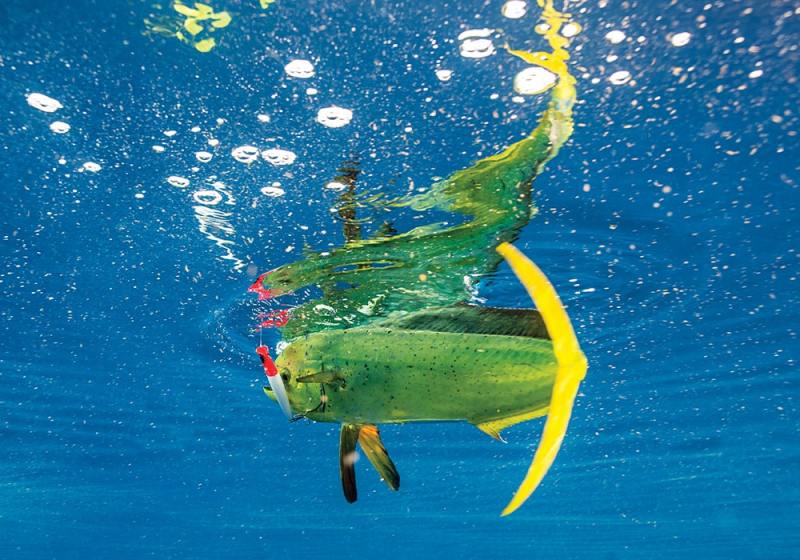
- Spinning Setup for Artificials: Penn Spinfisher VI 6500 reels spooled with heavy 50-pound Sufix 832 braided line, tied to a short 50-pound fluorocarbon leader. This is paired with a Williamson Popper Pro 130 (in Blue Sardine or Dorado patterns) to simulate injured, panicked prey or flying fish.
- The Double-Duty Trophy Rig: A heavy-duty Penn International 50 loaded with 50-pound monofilament, a rugged 200-pound fluorocarbon leader, and a 10/0 circle hook. An assist cord featuring a small J-hook from a flutter jig is secured to the bend of the circle hook. This allows anglers to hook a legal-size schoolie dolphin through the upper jaw and let it swim out as a live, free-swimming offering. The exposed circle hook ensures that if a massive bull dolphin or a wandering blue marlin inhales the schoolie, the fish is hooked safely in the corner of the jaw, maximizing post-release survival rates.
Expert Perspectives & Insider Insights
According to veteran offshore captains who have spent decades analyzing pelagic behavior, the psychology of the dolphin is predictable if you understand their predatory hierarchy.
"Dolphin are among the most intensely curious and cannibalistic creatures in the sea," notes one veteran captain. "They do not hesitate to consume their own kind. When you clean a 45-pound bull, finding juvenile schoolies in its stomach is far more common than most anglers realize. Utilizing a live schoolie as bait isn’t just a trick—it’s matching the absolute apex of their natural menu."
Furthermore, artificial topwater presentations play a critical psychological role during a drift. Captains emphasize that a noisy surface popper worked aggressively across the slick does double duty. The auditory and visual commotion triggers predatory instincts, causing dolphin to strike out of sheer aggression. Even if a fish misses the plug entirely, its chasing behavior draws it directly within arm’s reach of a live pitch-bait waiting on standby.
Future Outlook: The Shift Toward Sustainable, Fuel-Efficient Angling
As global fuel costs continue to fluctuate and environmental awareness regarding marine conservation grows, the traditional high-speed, high-consumption "run-and-gun" fishing model is facing increasing scrutiny. Modern offshore anglers are actively seeking methodologies that maximize catch quality while minimizing ecological and economic footprints.
The stationary drift-and-chum technique represents the future of responsible, highly efficient pelagic fishing. By letting the ocean come to the boat, anglers dramatically reduce their carbon footprint, conserve engine hours, and experience a more relaxed, engaged style of sportfishing. More importantly, this method opens up trophy-class opportunities that high-speed trolling or frantic casting simply overlooks.
As more recreational fleets adopt these sophisticated drifting tactics, the Gulf Stream will continue to yield unforgettable encounters with heavyweight bulls—proving once again that patience, preparation, and precision will always outperform raw horsepower.

0 Comments