

Executive Overview
It requires very little imagination to picture Captain Edward Teach—the legendary and fearsome Blackbeard—pacing the wild shores of Roatan. One can almost visualize him scanning the Caribbean horizon, waiting to hoist the sails of the Queen Anne’s Revenge and ambush a lumbering Spanish galleon laden with New World riches. Woven tightly into the island’s topography are centuries-old tales of privateers, naval blockades, and colonial territorial struggles. Local folklore still whispers of lost pirate chests buried deep within the tangled roots of jungle mangroves and volcanic mountainsides.
Yet, for the modern traveler arriving on these shores with a graphite rod in hand, the true treasure of Roatan is not made of gold doubloons. Mere feet from the tranquil shoreline, a far more elusive and dynamic collection of "bones" patrols the blindingly white flats. Known variously as the silver bullet, the gray ghost, the O’io, or simply the bonefish, these legendary sportfish command a near-mythic status among saltwater fly anglers.
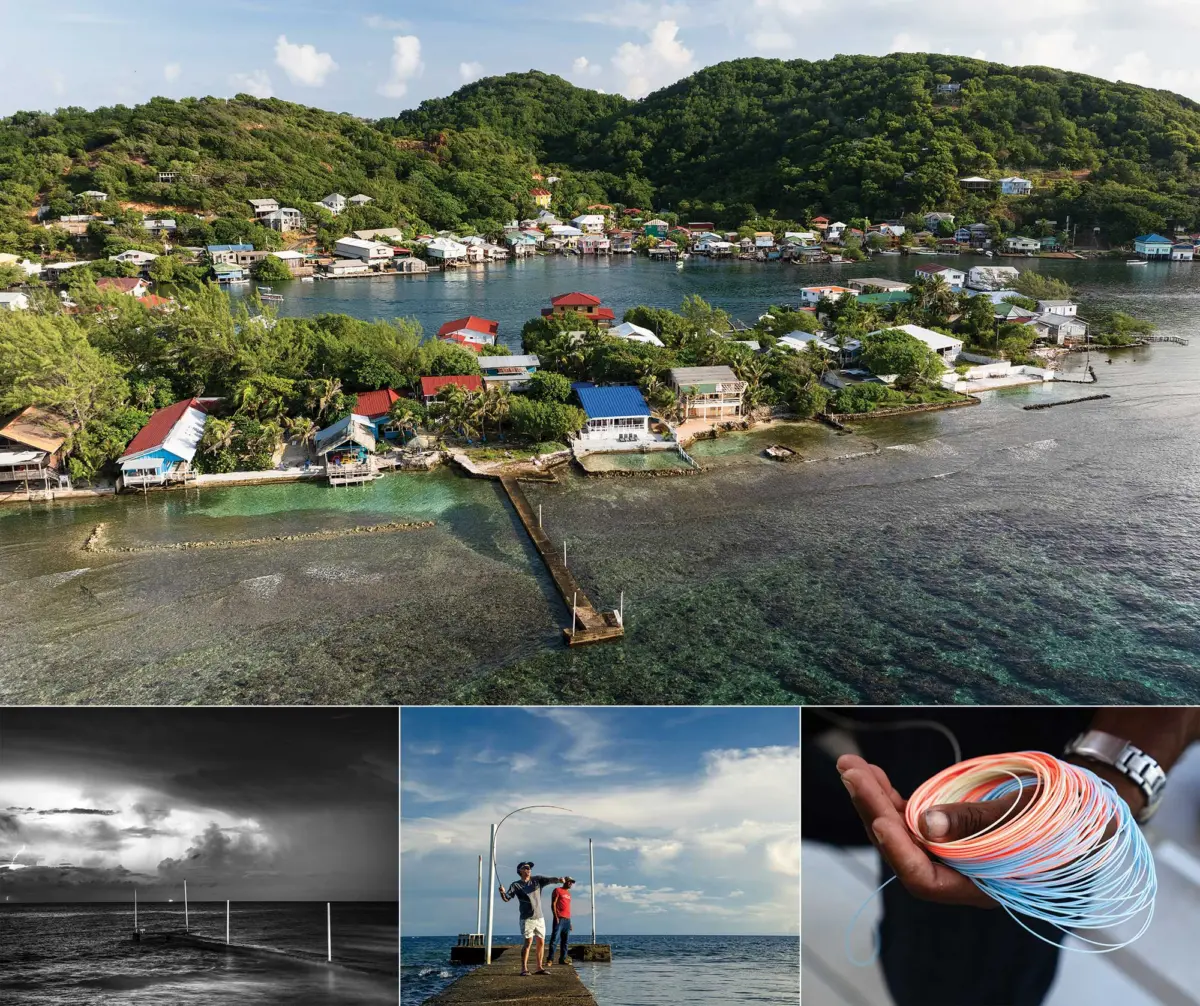
For those seeking an authentic, crowd-free immersion into this Caribbean fishery, Ocean Breeze Lodge serves as the ultimate home base. Located on the island’s peaceful and undeveloped east end, the lodge acts as a gateway to some of the finest bonefish, permit, and tarpon fishing in the region. This report explores the topography, angling logistics, marine biodiversity, and overall experience of staging a flats-fishing expedition from Ocean Breeze Lodge, charting a course where pirate history meets world-class shallow-water angling.
Detailed Chronology: A Day on the Flats and Mangroves
To truly understand the rhythm of an angling expedition at Ocean Breeze Lodge, one must follow the chronological arc of a typical day on the water—a seamless transition from quiet morning preparation to high-stakes visual tracking under the blazing Caribbean sun.
0530 Hours: Pre-Dawn Preparation at the Lodge
The morning breaks quietly on the east end of Roatan. Far removed from the neon-lit cruise ship terminals and bustling tourist strips of the island’s western shores, Ocean Breeze Lodge is wrapped in a serene stillness. Anglers gather on the property’s private dock—a structure that conveniently doubles as a practice casting platform—while the sky shifts from bruised purple to a brilliant tangerine.
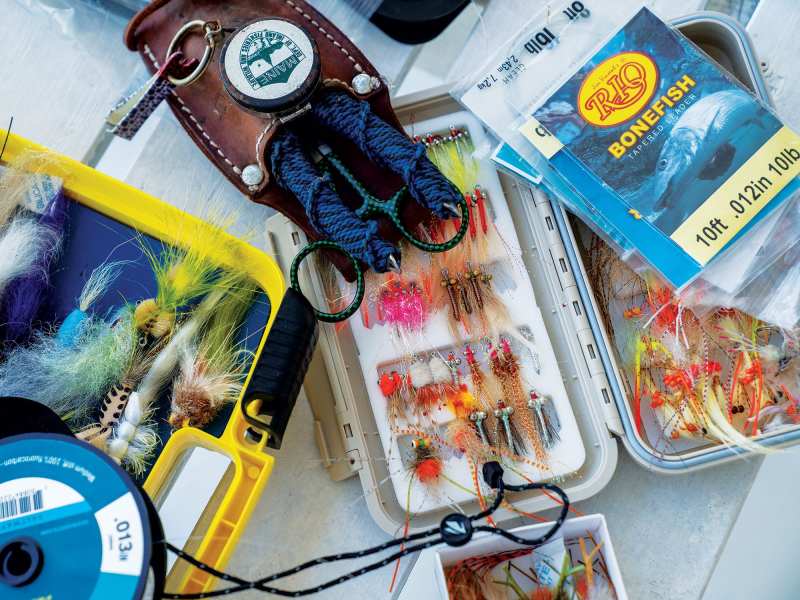
Inside the staging rooms, gear preparation is an art form. Fly boxes are meticulously inventoried. Anglers inspect tapered fluorocarbon tippets, razor-sharp nippers, and an array of hand-tied flies designed to "match the hatch" of local crabs, shrimp, and polychaete worms. While traveling light is a virtue in many forms of travel, the saltwater fly fisherman often resembles a pack mule carrying a colorful collection of necessary oddities: spare reels, polarized sunglasses with amber or copper lenses, stripping guards, UV protectant layers, and hydration packs. Every item is scrutinized to ensure absolute preparedness for the morning mission.
0730 Hours: Meeting the Captains
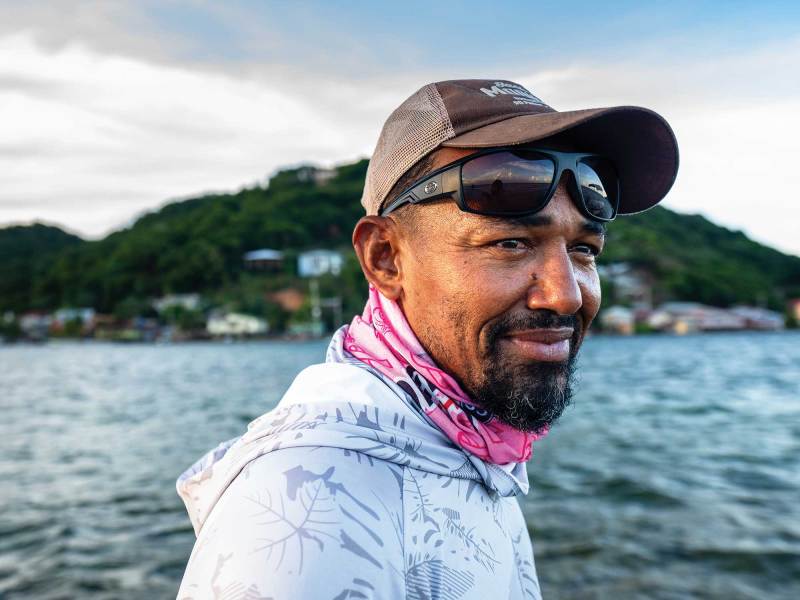
Fueling up on a hearty, home-cooked Creole breakfast featuring fresh tropical fruits, local eggs, and rich coffee, the teams rendezvous with their guides. Among them is Johnny Boden, a legendary captain born and raised on Roatan’s rugged east end. Boden possesses an encyclopedic, generational knowledge of the island’s hunting grounds—navigating shallow coral heads, intricate reef passes, and labyrinthine mangrove systems with intuitive precision. Stepping aboard the skiffs, the engines purr to life, slicing across the glass-flat lagoons as the sun climbs into the sky.
0900 to 1200 Hours: Stalking the Gray Ghost
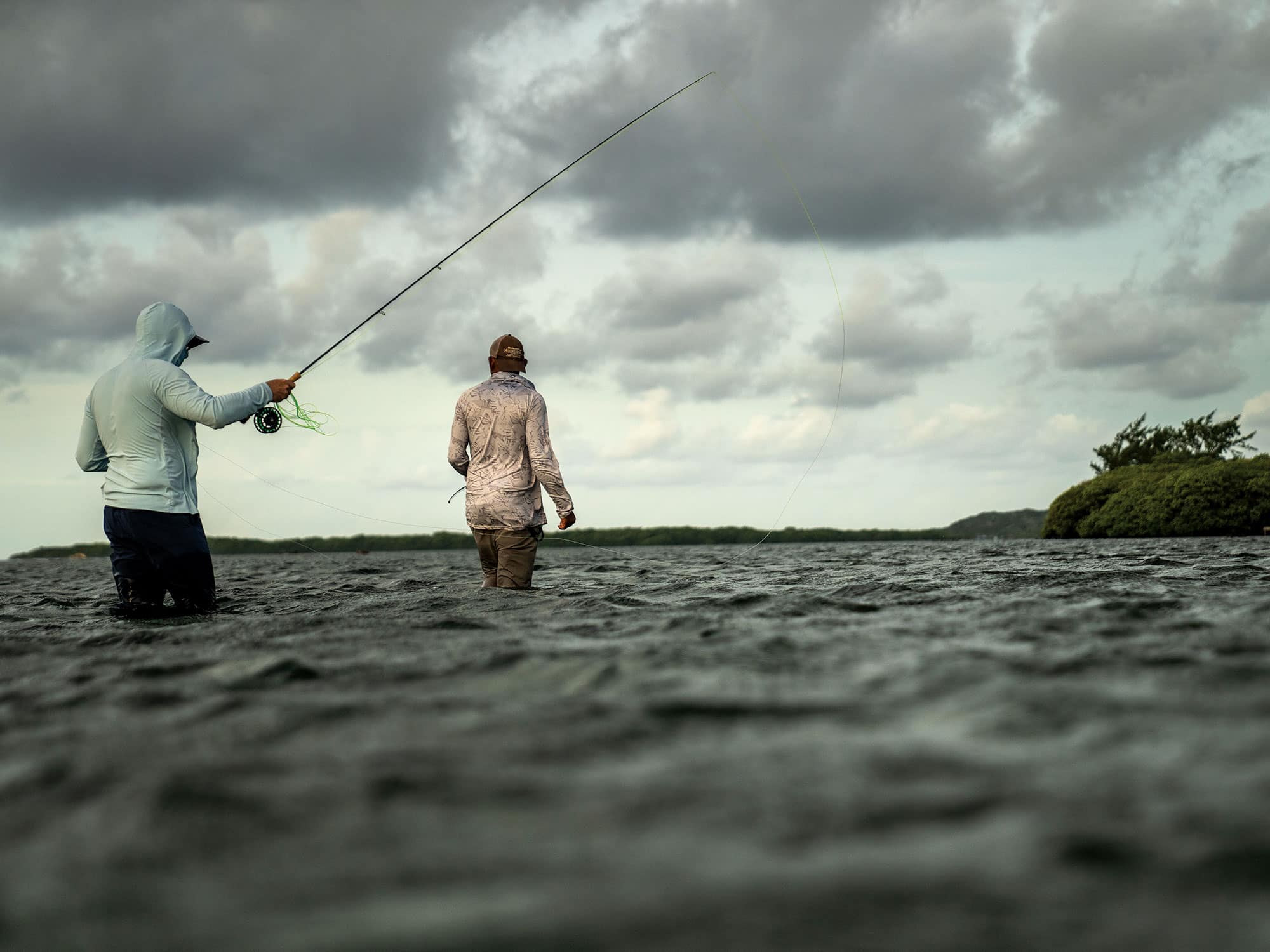
The skiff cuts its engine long before reaching the targeted flat, gliding silently onto the shallows via a push-pole operated by the guide. The water here is preternaturally clear, revealing a mosaic of turtle grass, white sand patches, and undulating wave shadows.
"Bonefish," Captain Boden whispers, pointing a finger toward the two-o’clock position.
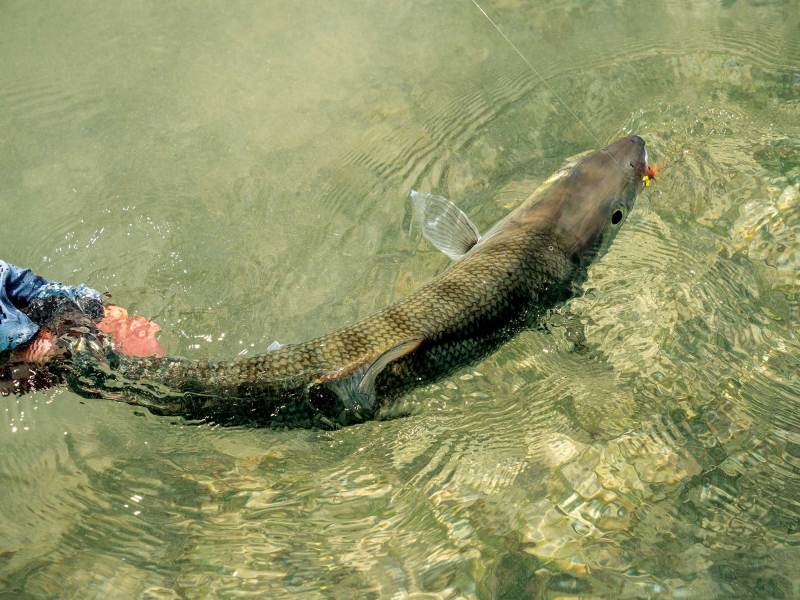
To the untrained eye, the water appears empty. But seasoned anglers scan for subtle anomalies: a nervous ripple, the flicker of a dark tail, or the amorphous shadow shifting across the bottom. Bonefish earn their moniker—the gray ghost—honestly. Their dark vertical stripes and greenish-silver countershading provide near-perfect camouflage against the variegated background of the flats.
The cast must be precise. A sloppy presentation or an overly aggressive splash will send the school bolting like a scattering of quicksilver. When the fly lands softly a few feet ahead of the cruising fish and the strip begins, the heartbeat quickens. An instantaneous intake, a sharp strip-strike, and suddenly the reel’s drag is screaming as a four-pound bonefish rips fifty yards of backing off the spool in a blistering, high-speed run.
1300 to 1600 Hours: Venturing into the Labyrinth
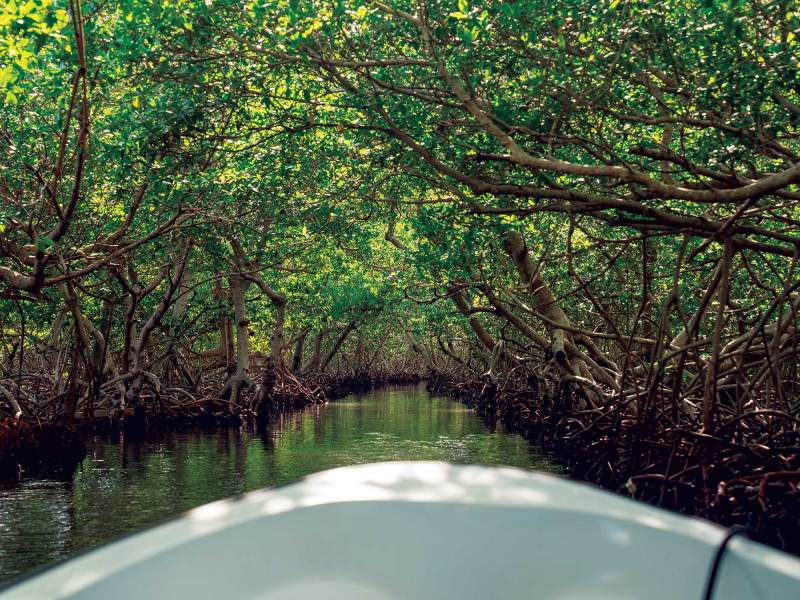
As the midday sun climbs to its zenith, making flats visibility challenging, the strategy shifts. Roatan is not solely defined by open-water expanses and pristine beaches; it harbors a complex, inland ecosystem of labyrinthine mangrove tunnels.
Navigating these narrow, mangrove-shaded canals feels like stepping back into prehistoric times. The canopy overhead filters the harsh tropical sunlight into emerald dapples, while tangled red mangrove roots plunge directly into tea-colored water. Here, the target species change. Anglers swap out small crab patterns for larger streamers, targeting opportunistic ambush predators lurking in the shadows: aggressive snook and powerful juvenile tarpon. A well-placed cast beneath an overhanging branch can result in an explosive, airborne strike that tests both reflex and tackle strength.
1730 Hours: The Final Cast and Evening Respite
As the afternoon wanes, the winds frequently pick up, introducing a new tier of technical difficulty. Fly fishing a windy flat is an exercise in mental fortitude; it is a long day defined by missed shots, wind knots, and occasionally, frustratingly picky fish that refuse even the most meticulously tied imitation.
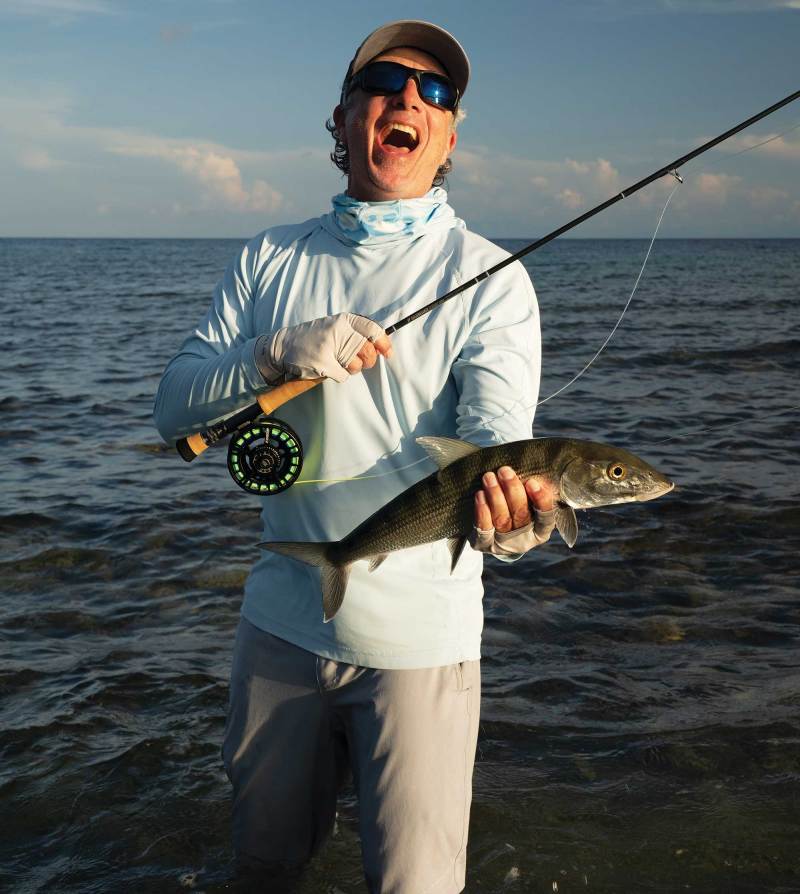
Yet, angling is a sport sustained by redemption. Often, it comes down to the absolute final cast of the day. As evidenced by visiting angler Charlie Levine during a recent outing, enduring hours of technical headwinds can culminate in a picture-perfect catch in the fading golden hour light—leaving the angler in a state of pure, unadulterated elation.
Returning to Ocean Breeze Lodge, guests trade stories over ice-cold local beers and a dinner of fresh-caught seafood infused with traditional Caribbean flavors.
Supporting Context & Metrics: The Roatan Fishery Ecosystem
To appreciate the ecological significance of Roatan’s east-end flats, one must examine the broader environmental and infrastructural metrics that support this world-class fishery.
Geographical Isolation and Preservation
While western Roatan (specifically areas near Coxen Hole and West End) has undergone rapid commercialization driven by cruise tourism and resort development, the east end remains remarkably isolated. Separated from the commercial hubs by rugged terrain and dense forests, this region functions as a biological sanctuary.
- Flats Acreage: Over 15,000 contiguous acres of protected flats, shallow grass beds, and coral-fringed lagoons span the eastern coastline and adjacent Cayos Cochinos marine complex.
- Tidal Flow: The Mesoamerican Barrier Reef—the second-largest barrier reef system in the world—protects Roatan’s eastern waters, creating stable, nutrient-rich tidal exchanges that feed abundant populations of crustaceans, shrimp, and baitfish.
- Species Diversity: While bonefish (Albula vulpes) and permit (Trachinotus falcatus) anchor the flats fishery, the surrounding waters support thriving populations of tarpon (Megalodon atlanticus), snook (Centropomus undecimalis), barracuda, jacks, and offshore pelagics.
Lodge Infrastructure and Guest Experience
Ocean Breeze Lodge was intentionally designed to buck the trend of monolithic, corporate-style resorts. Key operational metrics include:
- Capacity: Intimate sizing ensures personalized service, low guide-to-guest ratios, and customized angling itineraries.
- Amenities: Featuring a private dock optimized for casting practice, a natural freshwater swimming pool carved into the landscape, and open-air dining areas serving authentic Creole and Honduran cuisine.
- Multi-Disciplinary Appeal: While fly fishing is the primary anchor for the property, the lodge caters to a diverse clientele. Offshore anglers regularly book excursions targeting wahoo, blackfin tuna, and mahi-mahi. Meanwhile, non-angling companions enjoy alternative eco-tourism activities, including world-class snorkeling along the Mesoamerican Reef, guided mangrove kayaking, and relaxed sunset cruises aboard local tiki boats.
Official Statements and Expert Perspectives
The allure of Ocean Breeze Lodge and the untapped potential of Roatan’s east-end fishery have drawn glowing endorsements from seasoned outfitters, marine conservationists, and professional guides alike.
"When you fish the east end of Roatan, you aren’t just dropping a fly into a stocked tourist pond; you are entering a dynamic, wild ecosystem that demands respect and rewards technical skill," notes Captain Johnny Boden, lifelong resident and lead guide at Ocean Breeze Lodge. "The bonefish here are smart, the permit are notoriously selective, and the mangrove systems offer technical challenges that will test even seasoned guides from the Florida Keys or the Bahamas. But if you put in the work, the fish will reward you."
Industry observers and travel journalists visiting the lodge have similarly emphasized the unique dichotomy of the location.
"There is a distinct psychological shift that occurs when you leave the cruise ports behind and drive out to the east end," shares outdoor writer and photographer Jon Whittle. "Standing on the shores of Ocean Breeze Lodge, looking out over flats where pirates once plotted their raids, you feel a profound connection to both history and nature. It’s rare to find a Caribbean destination that offers this level of high-end flats fishing paired with total tranquility and lack of commercial crowds."
Conservation advocates operating within the region point out that the sustainable tourism model championed by lodges like Ocean Breeze plays a critical role in preserving the local marine habitat. By demonstrating the long-term economic value of catch-and-release sportfishing over destructive commercial harvesting, the lodge helps safeguard the delicate balance of Roatan’s flats and mangrove nurseries.
Future Outlook: Sustainability, Accessibility, and Growth
As global angling pressure intensifies across traditional Caribbean hot spots like the Florida Keys, the Bahamas, and Belize, fly fishermen are increasingly searching for under-the-radar fisheries that offer high catch rates without elbow-to-elbow crowding. Roatan’s east end is uniquely positioned to meet this demand, though its future hinges on careful, proactive stewardship.
1. Conservation and Catch-and-Release Advocacy
The long-term viability of Roatan’s bonefish and permit populations relies heavily on the enforcement of strict catch-and-release ethics. Local guides and lodge operators are spearheading educational initiatives for visiting anglers, promoting proper fish handling, barbless hooks, and minimal air exposure to ensure that the "gray ghosts" of the flats survive to fight another day. Furthermore, regional efforts to protect the mangrove ecosystems from coastal over-development remain paramount, as these areas serve as the fundamental nursery grounds for juvenile gamefish.
2. Infrastructure and Access Evolution
While maintaining its rustic, off-the-beaten-path charm is a core priority for Ocean Breeze Lodge, infrastructure improvements focusing on eco-friendly operations are underway. Upgrades to solar power integration, water conservation systems, and sustainable marine fuel practices are helping minimize the lodge’s ecological footprint. Simultaneously, improved flight connectivity to Roatan International Airport (RTB) from major North American hubs continues to streamline travel logistics for international anglers, making a multi-day expedition more accessible than ever.
3. Broadening the Angling Horizon
Looking ahead, Ocean Breeze Lodge plans to expand its guided programming to include specialized instructional clinics—covering advanced double-haul casting in high winds, reading unfamiliar flats, and mastering crab presentations for wary permit. By cultivating a community of educated, conservation-minded anglers, the lodge aims to cement Roatan’s reputation not just as a casual vacation stop, but as a premier, bucket-list destination on the global saltwater fly-fishing map.
Whether you are drawn by the lingering ghosts of seventeenth-century buccaneers, the desire to test your mettle against a tailing permit, or simply the peace of a hammock swaying in the Caribbean breeze on Roatan’s quiet east end, Ocean Breeze Lodge stands ready as the ultimate frontier for the modern traveling angler.

0 Comments