For centuries, the growth of human civilization was inextricably tied to the water. The nation’s largest and most economically vital cities were intentionally founded at the confluence of freshwater rivers and saltwater estuaries, offering shipping lanes, commerce, and sustenance. Unfortunately, this rapid urbanization came at a steep environmental cost. As industrialization surged and human populations skyrocketed, local aquatic ecosystems suffered. Wetlands were paved over, pollution choked harbors, and native fish populations plummeted.
However, decades of stringent environmental legislation—most notably the Clean Water Act—alongside tireless grassroots conservation efforts, have successfully reversed decades of ecological degradation. Today, a surprising ecological renaissance is underway. America’s major metropolitan waterfronts are no longer dead zones of industry; instead, they host some of the most dynamic, accessible, and thrilling fisheries on the planet.
For the modern angler, the pursuit of trophy gamefish no longer requires packing a multi-day expedition into the remote backcountry or booking an expensive offshore charter. From the rocky, storied harbors of Boston to the sun-drenched flats of Honolulu, serious anglers can test their mettle against world-class species within sight of skyscrapers and subway lines. This comprehensive report examines six premier urban fisheries across the United States, detailing the unique species, specialized tactics, local expert insights, and logistical realities of metropolitan angling.
Detailed Chronology: The Evolution of Urban Waters
To understand how America’s city centers transformed from industrial sewers into thriving marine habitats, it helps to examine the historical arc of urban waterfront management:
Pre-Industrial Era: Native populations and early European settlers utilized metropolitan bays, estuaries, and rivers as boundless sources of sustenance. Waters ran clear, and migratory species like striped bass and Pacific salmon choked the shallows in numbers modern observers can scarcely imagine.
The Industrial Revolution (Late 19th to Mid-20th Century): As cities like Boston, Baltimore, and Seattle industrialized, municipal sewage, factory runoff, and heavy metals were dumped directly into local waterways. Habitat destruction peaked, and migratory fish runs were physically blocked by dams or chemically halted by severe pollution.
The Environmental Awakening (1970s): The passage of the Clean Water Act of 1972 marked a monumental turning point. Federal mandates forced municipalities and corporations to clean up their act, halting the unrestricted dumping of raw sewage and industrial waste into urban estuaries.
The Conservation & Recovery Phase (1980s–2000s): Aggressive stock enhancements, catch-and-release ethics, and habitat restoration projects—such as the daylighting of buried urban streams and the construction of artificial reefs—began to bear fruit. Baitfish returned, drawing apex predators back to concrete shores.
The Modern Urban Angling Renaissance (Present Day): Today, urban fishing has evolved into a specialized, highly respected subculture. Armed with modern braided lines, advanced graphite rods, and high-resolution electronics on kayaks, a new generation of "commando" anglers treats city seawalls, bridge pilings, and public piers as prime hunting grounds.
Supporting Context & Metrics: The Metros at a Glance
Urban fisheries offer a unique intersection of convenience, high biological productivity, and specific environmental challenges. Below is a comparative breakdown of the six featured urban fisheries, highlighting their primary target species, peak seasons, and recommended setups.
7-weight fly rod / medium spinning, Cranka Crab, felt wading shoes
Diamond Head flats, accessible island shores
Deep Dive: The Six Premier Urban Fisheries
1. Beantown Bruisers (Boston, Massachusetts)
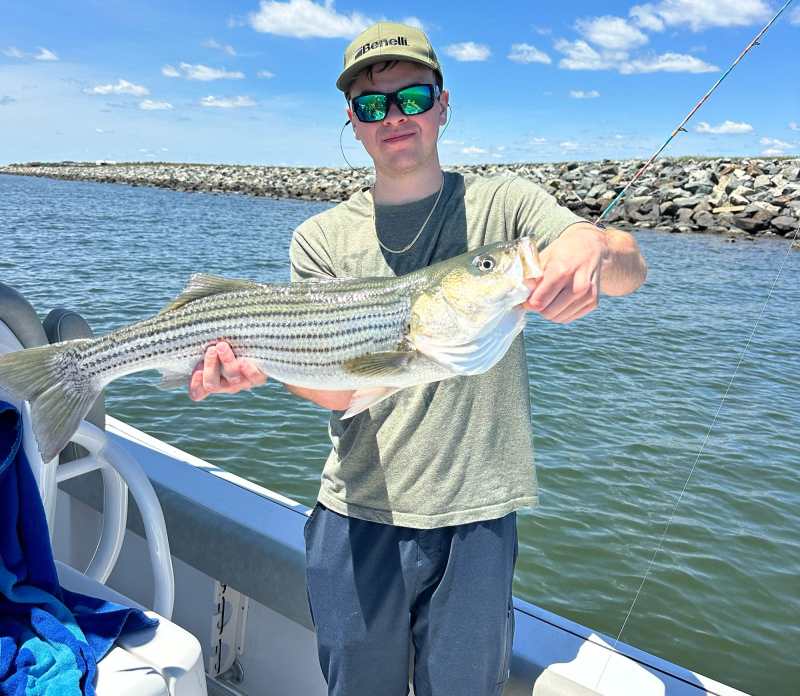
Boston Harbor is a complex labyrinth of historical shipping channels, rocky islands, and roaring tidal currents. According to Eric Harrison, a veteran angler who has spent decades mastering Boston’s clandestine striper fishery, the city is a goldmine for those willing to brave difficult access points.
"Boston is full of fishy areas, but the best spots are not easy to access," Harrison notes. Remarkably, Harrison leads a dedicated squad of cold-weather anglers maintaining a streak of catching a striped bass every single month of the year—even through freezing New England winters.
Strategy & Tactics: Shore-based anglers must scout coastal roads for diving sea birds and surface-feeding fish. When the surface is quiet, focus on moving water around deep-water structures and bridge abutments.
Gear Selection: To achieve the necessary casting distance from shore, Harrison recommends a 9-foot spinning rod paired with a 5000-sized reel, spooled with 40-pound-test braided line and a heavy 40-pound fluorocarbon leader. While fancy artificial plugs have their place, he relies primarily on 7-inch straight-tail soft plastics, swimming plugs, and walk-the-dog topwater lures to locate active schools.
2. Charm City Rocks (Baltimore, Maryland)
In the industrial shadow of Fort McHenry and the historic Francis Scott Key Bridge, Baltimore offers what can only be described as gritty, high-octane urban fishing. Capt. Chuck Hill of Chill’s Light Tackle Guide Service explains that the Patapsko River and the broader Baltimore harbor are absolute magnets for resident and migratory striped bass.
"All of the seawalls, docks, jetties, and bridge pilings hold rockfish," Hill states.
Strategy & Tactics: The fishery is exceptionally accessible, featuring numerous public boat ramps and shore-fishing parks like Fort Armistead and Hart Miller Island. Hill targets the first few hours of the outgoing tide, positioning his boat to intercept bait being flushed out of local tributaries.
Gear Selection: Seasonal shifts dictate technique. In the scorching summer months, live spot or perch fished on a fish-finder rig proves most effective. Spring and fall invite artificial light-tackle presentations. For winter resident fish holding in deep holes, Hill relies on jerkbaits like the Strike King 10K KVD matched to water depth, or a 3/8-ounce jig head paired with a 4.75-inch KVD Shadalicious soft plastic.
3. Cigar City ‘Poons (Tampa, Florida)
Tampa Bay is legendary for its sprawling flats and mangrove systems, but it also boasts a hard-core underground community of urban anglers who target massive migratory tarpon right off public infrastructure.
Jose Chavez, a lure designer for Z-Man, cut his teeth navigating Tampa’s urban piers. "If you can’t catch a tarpon in May and June, you should take up golf," Chavez jokes, highlighting the predictability of the early summer run.
Strategy & Tactics: The colossal Sunshine Skyway Bridge—the longest fishing pier in the world—serves as a primary highway for staging tarpon. Fish hold tight to concrete bridge pilings, waiting for tidal currents to wash crabs and bait through. Success depends entirely on reading current eddies and allowing the lure to sweep naturally through the strike zone at the exact depth the fish are holding.
Gear Selection: When a tarpon inhales a bait, the explosion is unmistakable. Chavez warns against applying excessive panic-driven drag pressure, which causes the fish to bolt. Instead, steady, measured pressure must be applied to create a stalemate, limiting the fish’s oxygen consumption until it tires.
4. Daygo Beaches (San Diego, California)
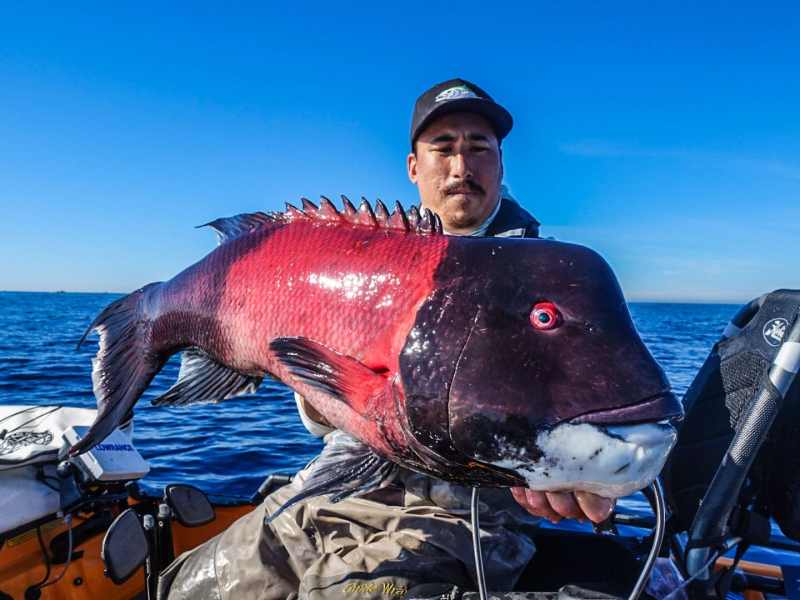
Southern California’s coastal waters possess a distinct surf-and-turf culture. Howie Strech, product manager at Newport Vessels, notes that die-hard anglers willing to push past the breaking waves can access incredible inshore species—including California halibut, white seabass, yellowtail, and heavy California sheephead—often within swimming distance of the beach.
Strategy & Tactics: The absolute peak of the Southern California inshore fishing year coincides with the winter squid runs, when spawning cephalopods flood the nearshore kelp beds and sandy bottoms. Strech utilizes kayak-mounted marine electronics to track bait schools meticulously. "My whole day is defined by the bait I catch," he notes.
Gear Selection: Live bait is slow-trolled on weightless rigs for cruising predators, while three-way rigs are deployed when fish mark deep on the sonar. When active feeding frenzies erupt on the surface, Strech transitions to versatile metal vertical jigs that can be worked across the water column.
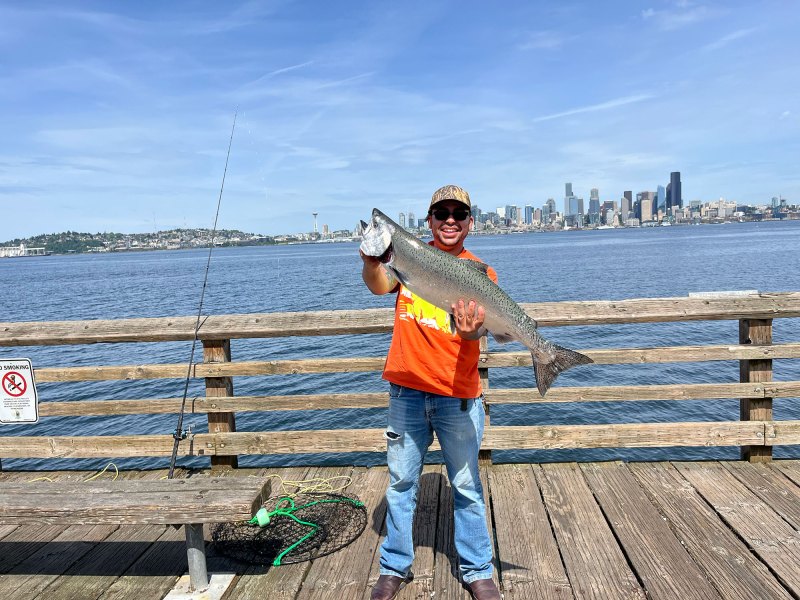
5. Emerald City Salmon (Seattle, Washington)
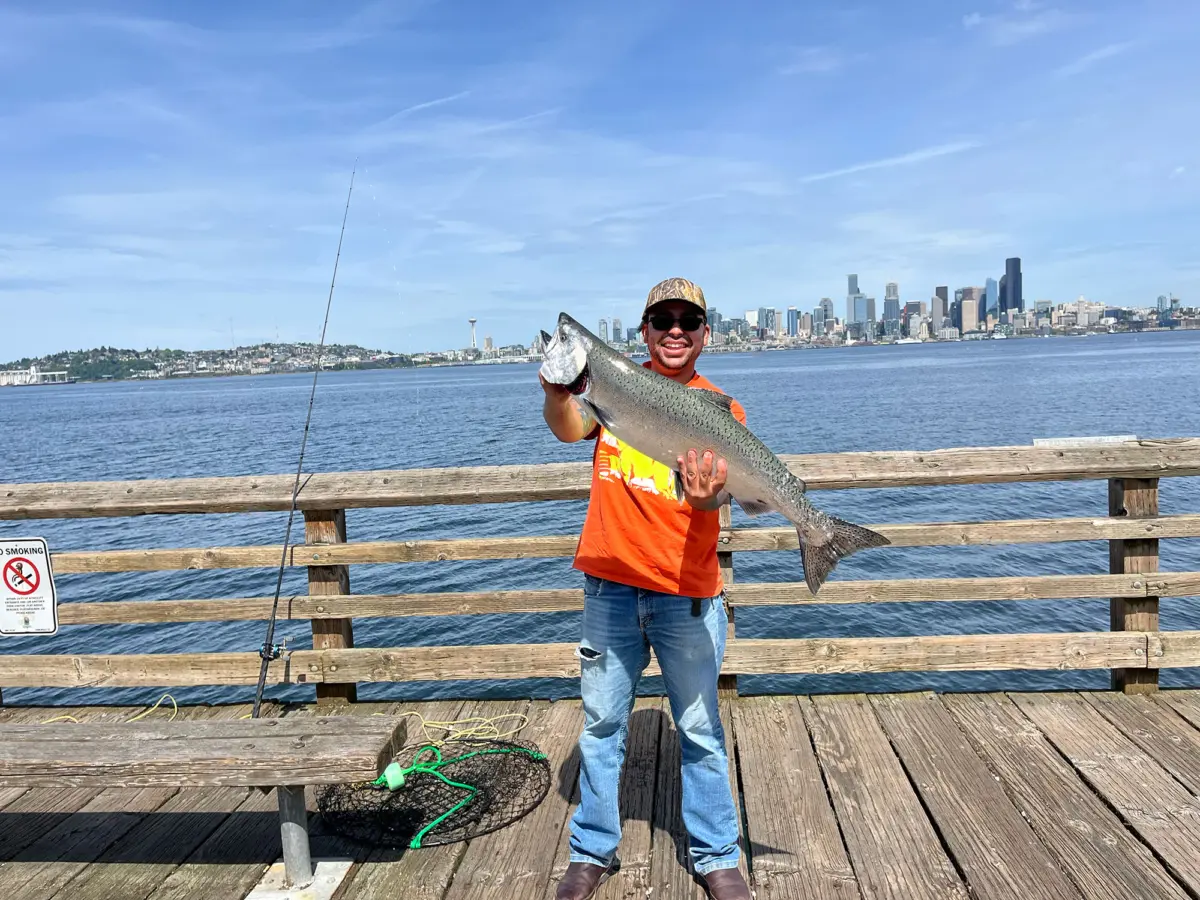
In the Pacific Northwest, salmon are king—literally and culturally. Brad Hole, creator behind @kayakfishingwashington, emphasizes that in Seattle, everything else plays second fiddle to the seasonal salmon migrations. Millions of Pacific salmon push through Puget Sound and past downtown Seattle every year.
Strategy & Tactics: The city provides abundant public access via city piers, harbor shorelines, and kayak launch sites. King salmon demand early-morning dedication as they hunt in skinny, shallow shore waters. Meanwhile, pink salmon provide fast-action opportunities during their biennial runs.
Gear Selection: Hole recommends an 8-foot, medium-heavy rod spooled with 30-pound braid and a 40-pound fluorocarbon leader, purpose-built for casting heavy 2- to 4-ounce Buzz Bomb jigs. He also strongly advises local and visiting anglers to download the state’s digital fishing app to navigate the state’s complex, frequently updated regulatory handbooks.
6. Big Pineapple Bones (Honolulu, Hawaii)
While Honolulu is internationally celebrated for its luxury resorts and iconic Waikiki surf breaks, it is simultaneously home to some of the most technical, rewarding flats fishing on earth. Capt. Chris Wright of Aloha Fishing Hawaii has successfully landed IGFA World Records within direct line of sight of Diamond Head beach.
Strategy & Tactics: Success on the Honolulu flats relies entirely on mastering the tidal cycle. "At low tide, the water clears, and I can see the bones tailing in the shallows," Wright explains, noting that a productive tidal window may last as little as 30 to 45 minutes. Because bonefish in heavily pressured urban environments are acutely wary, Wright insists on extreme stealth: "You have to walk hella slow, don’t wear bright clothes, barely move, make no noise."
Gear Selection: For spinning setups, Wright deploys a medium-action rod, 20-pound braided mainline, a long 15-pound fluorocarbon leader, and a Cranka Crab imitation. Fly anglers face an even greater technical challenge, utilizing a 7-weight rod, sinking fly line, a 12-foot 15-pound leader, and a subtle Crazy Charlie crab pattern bounced slowly across the sandy bottom.
Official Statements and Expert Perspectives
The renaissance of urban fisheries has not gone unnoticed by municipal planners, state wildlife agencies, and professional guides. Conservation groups increasingly view healthy urban fisheries as vital educational tools that connect metropolitan residents directly to broader environmental health issues.
"Urban fisheries provide easy access to amazing action, but they also teach a deeper respect for our coastal ecosystems. When people catch a trophy striped bass or bonefish within sight of a city skyline, they suddenly become vocal advocates for clean water legislation."
— Regional Fisheries Biologist Assessment
Furthermore, professional guides emphasize that urban environments require a shift in mindset. As Capt. Chuck Hill notes regarding his Baltimore charters: "You aren’t just fighting the fish; you are learning to read how artificial structures—seawalls, bridge pilings, and industrial runoff pipes—alter natural fish behavior. Once you crack that code, the city becomes your personal playground."
Future Outlook: The Next Horizon for City Angling
Looking ahead, the future of urban fisheries appears remarkably bright, though not without ongoing challenges. Municipalities are increasingly investing in "living shorelines"—replacing concrete seawalls with natural marsh grasses, oyster reefs, and sloping riprap that provide vital nursery habitats for juvenile fish while protecting urban infrastructure from rising sea levels and storm surges.
Key trends shaping the next decade of metropolitan fishing include:
Expanded Public Access: Urban renewal projects are increasingly incorporating public fishing piers, kayak docks, and waterfront greenways into city planning documents.
Technological Integration: The proliferation of high-definition side-imaging sonar, compact electric kayak motors, and crowdsourced bathymetric mapping apps is allowing urban anglers to discover productive holding spots that were previously invisible from the shore.
Stewardship and Regulations: As fishing pressure in metropolitan areas intensifies, state wildlife agencies are expected to implement tighter bag limits, mandatory catch-and-release zones for key trophy species (such as tarpon and large breeding striped bass), and stricter water quality monitoring.
Ultimately, America’s urban fisheries prove that nature and civilization can coexist. For the dedicated angler willing to navigate complex tides, study industrial topography, and respect local regulations, some of the finest fishing on earth is waiting just outside your front door.



0 Comments