For centuries, the growth of the world’s greatest metropolises followed a predictable geographic blueprint. Cities were intentionally founded at the confluence of freshwater rivers and saltwater estuaries, driven by the necessities of trade, naval defense, and commerce. Unfortunately, as human populations skyrocketed over the last two hundred years, these vital marine ecosystems suffered. Industrial runoff, overfishing, habitat destruction, and urban sprawl turned many coastal waterways into biological dead zones.
However, thanks to decades of rigorous environmental conservation, stringent water quality regulations, and progressive wildlife management, a dramatic ecological renaissance is underway. Today, America’s largest coastal cities are no longer industrial outposts disconnected from nature; they are thriving marine habitats.
For the modern angler, this means that satisfying a deep-seated passion for big-game fishing no longer requires a remote wilderness expedition or an expensive offshore charter. World-class fisheries are hiding in plain sight, situated directly within the shadows of skyscrapers, beneath historic bridges, and alongside bustling boardwalks. From the historic rocky ledges of Boston Harbor to the tropical flats of Honolulu, six distinct urban fisheries offer anglers a chance to challenge their skills, test cutting-edge tackle, and catch trophy-caliber fish—all without ever leaving the city limits.
Detailed Chronology: The Evolution of Urban Angling
To understand how metropolitan coastlines transformed into premier fishing destinations, it is necessary to examine the timeline of urban environmental recovery:
The Industrial Era and Decline (Late 19th to Mid-20th Century): Rapid urbanization transformed natural estuaries into dumping grounds. Rivers like the Patapsko in Baltimore and the Duwamish near Seattle were heavily polluted, decimating native fish populations and driving migratory species away from city centers.
The Conservation Awakening (1970s–1990s): Landmark legislation, most notably the federal Clean Water Act of 1972, fundamentally altered the trajectory of American waterways. Municipalities began investing heavily in wastewater treatment facilities, stormwater management, and industrial discharge controls.
The Biological Return (2000s–2010s): Water clarity improved dramatically, dissolved oxygen levels rebounded, and baitfish returned in droves. Apex predators and migratory species—such as striped bass, tarpon, and Pacific salmon—quickly recognized the restored abundance of forage and re-established historic seasonal migration routes through metropolitan corridors.
The Modern Urban Angling Movement (Present Day): Armed with specialized gear, high-resolution electronics, and a subculture of dedicated "commando" anglers, urban fishing has evolved from a matter of convenience into a highly specialized, respected discipline within modern sportfishing.
Supporting Context & Metrics: The Ecology of Concrete Coastlines
Why do urban centers attract such massive concentrations of marine predators? The answer lies in the unique structural and thermal dynamics of metropolitan waterways.
1. Structural Confluence and Current Breaks
Cities are architectural wonderlands of seawalls, bridge pilings, commercial docks, and rock jetties. To a predatory fish like a striped bass or a tarpon, these man-made structures serve as high-efficiency ambush points. Strong tidal currents sweep baitfish and crustaceans against these barriers, creating localized feeding frenzies where fish can ambush prey while expending minimal swimming energy.
2. Thermal Refuges
Urban environments often maintain slightly higher ambient water temperatures due to industrial cooling water discharge, stormwater runoff from asphalt, and reduced wind-chill factors in confined harbors. During the depths of winter, these slightly warmer urban thermal pockets attract resident fish, turning places like Boston Harbor and Baltimore’s Inner Harbor into year-round fisheries.
3. Key Metrological and Biological Metrics
Tidal Flow: In urban fisheries like Tampa Bay and Honolulu, tidal movement dictates the entire feeding window. Optimal angling often relies on narrow 30-to-45-minute windows when moving water concentrates bait.
Tackle Adaptability: Urban shore and kayak anglers frequently push standard equipment to its limits. Standard setups in these environments typically range from 7-foot medium-heavy baitcasting rods to 9-foot surfcasting rigs spooled with 30- to 40-pound braided line to withstand abrasive concrete pilings and sharp rocks.
Official Statements and Local Expert Insights
To gain a granular perspective on how to successfully target fish in these concrete jungles, we turned to the seasoned guides and local experts who spend hundreds of days a year plying metropolitan waters.
1. Boston, Massachusetts: Beantown Bruisers
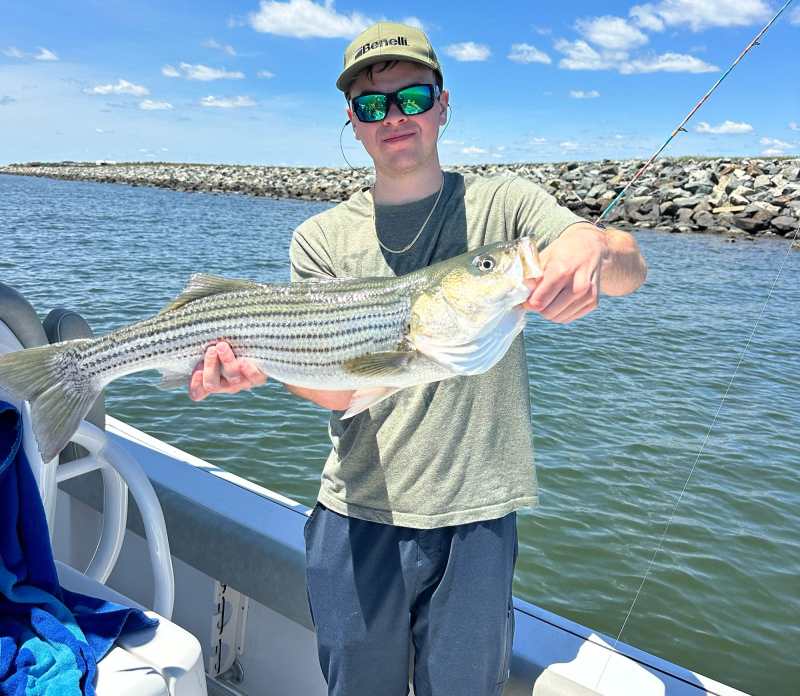
Eric Harrison has spent decades conducting commando-style fishing missions around Boston Harbor, maintaining an impressive streak of catching a striped bass every single month of the year.
"Boston is full of fishy areas, but the best spots are not easy to access," Harrison admits with a grin. "I’ll tell you where I catch striped bass, but I won’t tell you where I park my car."
Harrison notes that a dedicated squad of anglers braves the freezing New England winters to target holdover stripers. For shore-based anglers looking to maximize their casting distance around the city’s rocky perimeters, he recommends a robust 9-foot rod paired with a 5000-series spinning reel. This setup should be spooled with 40-pound-test braided line terminated with a 40-pound fluorocarbon leader. While intricate plugs have their place, Harrison relies heavily on practical presentations: "I catch most of my fish on a 7-inch straight-tail soft plastic or a swimming plug."
2. Baltimore, Maryland: Charm City Rocks
Capt. Chuck Hill of Chill’s Light Tackle Guide Service targets hard-fighting striped bass in the literal shadow of Fort McHenry and the Francis Scott Key Bridge.
"All of the seawalls, docks, jetties, and bridge pilings hold rockfish," Hill reveals, describing the gritty, industrial appeal of Charm City.
Hill points out that Baltimore offers exceptional accessibility via numerous public boat ramps and shore-fishing parks like Fort Armistead and Hart Miller Island. While summer tactics lean toward live spot or perch fished on a fish-finder rig, spring, fall, and winter prompt a shift to artificial lures. His preferred weapon for deep-water holes is a ⅜-ounce jig paired with a 4.75-inch KVD Shadalicious soft plastic, guaranteeing that persistent anglers will eventually connect with quality fish.
3. Tampa Bay, Florida: Cigar City ‘Poons
Jose Chavez, a lure designer for Z-Man, honed his craft fishing the urban passes and piers of Tampa Bay. He notes that chasing tarpon in an urban environment offers unmatched adrenaline.
"If you can’t catch a tarpon in May and June, you should take up golf," Chavez jokes, highlighting the predictability of early summer runs.
The iconic Sunshine Skyway Bridge—recognized as the longest fishing pier in the world—acts as a massive artificial reef where tarpon stage in the deep-water current breaks. Chavez emphasizes that success requires understanding the fluid nature of the tides: "As the current fluctuates through the tide, the fish will stage at different depths. The key is landing your lure so it sweeps naturally through the strike zone."
4. San Diego, California: Daygo Beaches
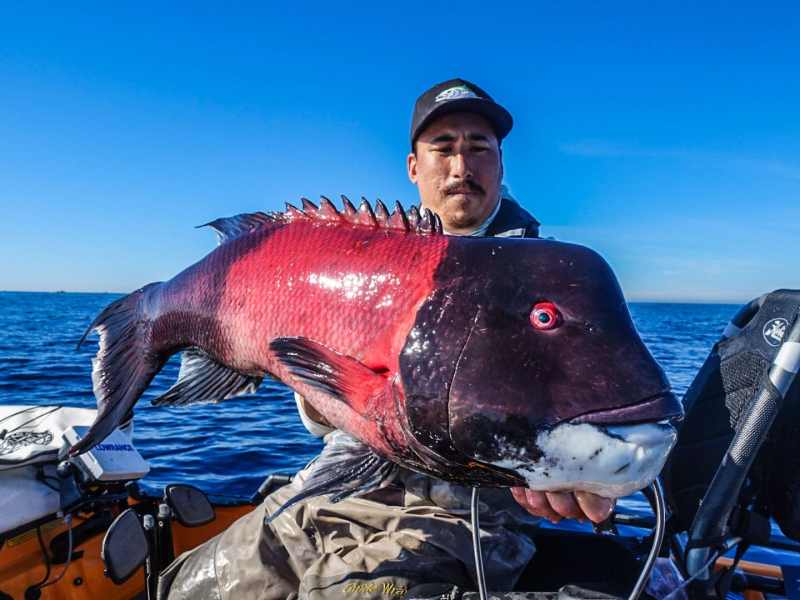
Howie Strech, product manager at Newport Vessels, describes the Southern California urban fishing scene as possessing a distinct, soulful surf culture. Anglers routinely target halibut, California yellowtail, white seabass, and California sheephead just a short swim or paddle from bustling metropolitan beaches.
"Some of the best fishing is swimming distance from shore," Strech notes.
Focusing heavily on seasonal squid runs during the colder months, Strech relies on high-resolution kayak electronics to track baitfish schools. His philosophy for mastering the Southern California coastline is simple yet demanding: "Don’t try to know everything. Perfect a couple of techniques, then add to that knowledge."
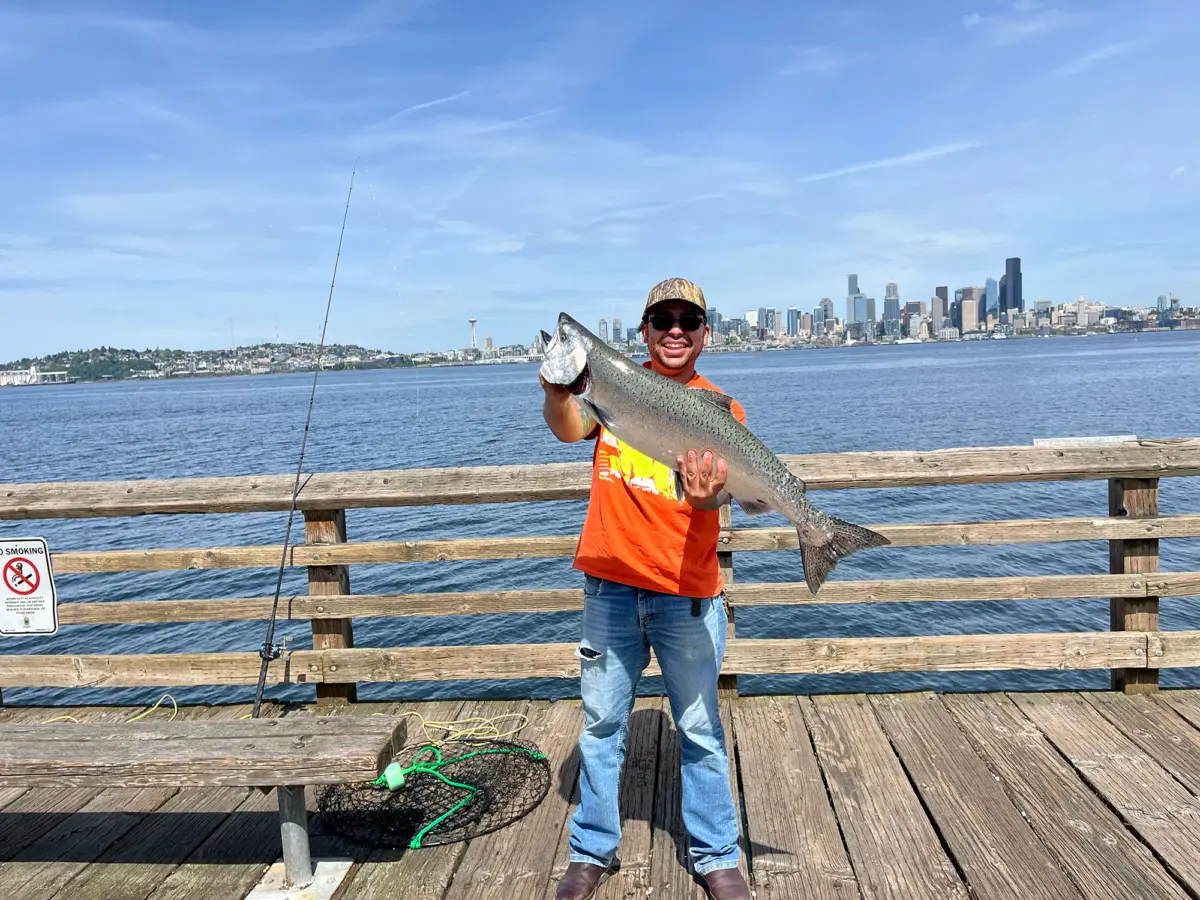
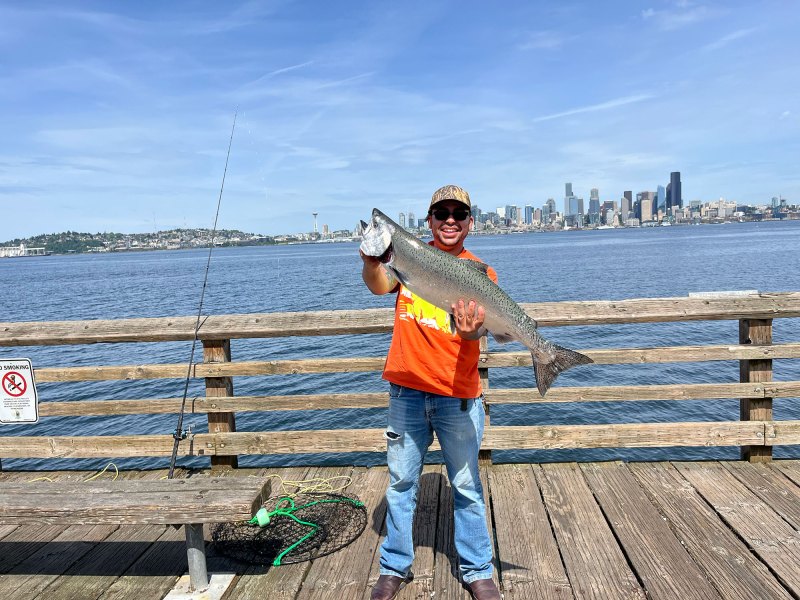
5. Seattle, Washington: Emerald City Salmon
Brad Hole, widely known within the digital fishing community as @kayakfishingwashington, explains that in the Pacific Northwest, salmon reign supreme above all else.
"We’re a salmon state; everything else takes a back seat," Hole states.
Every year, millions of king, coho, and pink salmon migrate directly through Puget Sound, passing right by downtown Seattle. Hole advises land-based anglers targeting these powerful fish from piers and city parks to equip themselves with an 8-foot medium-heavy rod, 30-pound braided line, and a 40-pound fluorocarbon leader capable of casting heavy metal jigs like the 2- to 4-ounce Buzz Bomb. He also issues a vital reminder for anyone wetting a line in the Emerald City: "Our fishing guide is a half-inch thick. Downloading the smartphone app is the best way to stay current with the rules."
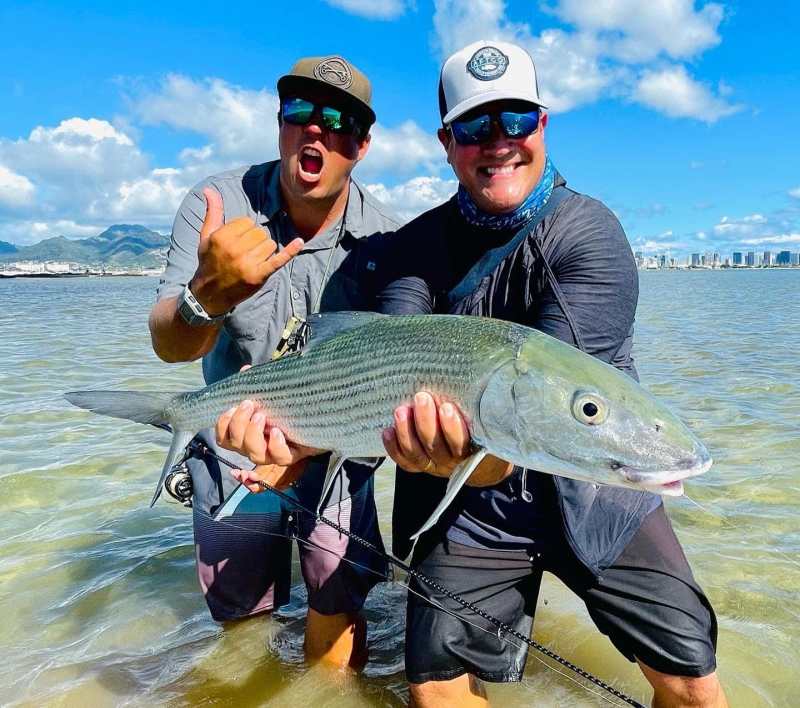
6. Honolulu, Hawaii: Big Pineapple Bones
Capt. Chris Wright of Aloha Fishing Hawaii operates within direct sight of the iconic Diamond Head beach, where he has successfully guided anglers to IGFA World Records on the shallow saltwater flats.
"We have tons of places where you can drive up and walk out into the water for the world’s biggest bonefish," Wright says.
Stalking these wary ghosts of the flats requires extreme discipline. Wright insists on a stealth-first methodology: "You have to walk hella slow, don’t wear bright clothes, barely move, make no noise." Whether utilizing a medium-spinning setup with a Cranka Crab or casting a 7-weight fly rod with a Crazy Charlie imitation, anglers who master the subtle art of tide-reading will find themselves face-to-face with world-class sportfish mere minutes from downtown Honolulu.
Future Outlook: The Sustainability of Urban Fisheries
As metropolitan populations continue to grow, the long-term viability of urban fisheries will depend entirely on a delicate balance between public recreation and strict environmental stewardship. City planners, conservation groups, and local wildlife agencies are increasingly recognizing that healthy urban waterways do more than just improve property values—they serve as vital ecological indicators of overall watershed health.
Moving forward, investments in green infrastructure, such as permeable pavements, expanded living shorelines, and advanced stormwater filtration systems, will further enhance water quality in harbors from Boston to San Diego. Furthermore, the rise of catch-and-release ethics among urban angling communities ensures that trophy specimens—such as multi-decade-old tarpon, breeding-size striped bass, and resident bonefish—remain in the ecosystem to fight another day.
For the modern angler, the message is clear: the wilderness is no longer the exclusive gatekeeper of adventure. By looking past the concrete skylines, industrial bridges, and bustling boardwalks, adventurous fishers can tap into some of the most dynamic, accessible, and rewarding marine environments on the planet. The next great fishing expedition isn’t three hours away in the backcountry; it’s waiting right down the street.



0 Comments