For the dedicated angler, traveling thousands of miles and investing heavily in a dream fishing destination leaves zero room for compromised days on the water. Coastal, offshore, and northern marine environments are notoriously fickle—capable of shifting from dry to torrential, freezing to blistering, and dead-calm to howling gales within a single tidal cycle. Historically, dealing with this atmospheric volatility meant choosing between bulky, restrictive foul-weather gear or lightweight clothing that offered little defense against sudden squalls.
Today, however, a quiet revolution in textile engineering has transformed marine wardrobes. The latest generation of inner layers, mid-layers, and outer shells successfully bridges the gap between advanced technology and smart design, actively regulating temperature and moisture. By utilizing phase-change materials, 4-way stretch waterproof membranes, and targeted ventilation, modern technical fishing apparel ensures that no matter what Mother Nature unleashes, the microclimate inside your clothing remains remarkably comfortable, dry, and safe.
Detailed Chronology: The Evolution of Marine Weather Gear
To appreciate where performance fishing apparel stands today, it is helpful to look at how the industry has progressed over the past century.
The Era of Heavy PVC (Mid-to-Late 20th Century)
Forty years ago, standard foul-weather gear was defined by heavy-duty, unbreathable materials—most notably, thick blaze-orange PVC jackets and bibs pioneered by legacy brands like Grundéns. While these garments were virtually indestructible and kept commercial fishermen dry in the roughest North Atlantic seas, they lacked breathability. Anglers effectively wore a plastic sweatbox; trapping body heat and perspiration meant you often ended up just as wet on the inside from sweat as you would have been from rain on the outside.
The Breathable Membrane Breakthrough (Late 1990s–2010s)
The introduction of microporous waterproof-breathable membranes changed the paradigm. For the first time, water droplets from rain and sea spray were blocked from entering, while microscopic body-heat vapor was allowed to escape. Brands began incorporating lightweight nylons and specialized DWR (Durable Water Repellent) coatings, making long days on the water far more tolerable.
The Smart-Tech and Multi-Climate Era (Present Day)
The current landscape of 2026 represents the pinnacle of fabric engineering. Modern apparel is no longer merely "waterproof" or "windproof"—it is dynamic. Today’s high-end gear features phase-change technology that actively stores or releases body heat depending on your activity level, highly packable travel-friendly rain suits, hybrid footwear featuring advanced antimicrobial drainage systems, and multi-functional fabrics designed to transition seamlessly from tropical flats to deep-blue canyons.
Supporting Context & Metrics: Decoding the Performance Gear System
Outfitting yourself for a global fishing expedition requires understanding how modern apparel systems function across three distinct environmental categories: tropical heat, blue-water offshore shifts, and northern foul-weather extremes.
Heat and high humidity represent some of the most insidious dangers anglers face. Baking under equatorial sun while managing intense glare and heavy perspiration can quickly lead to heat stroke, exhaustion, and severe skin damage.
The Defense Strategy: Total skin coverage utilizing ultra-lightweight, high-UPF fabrics.
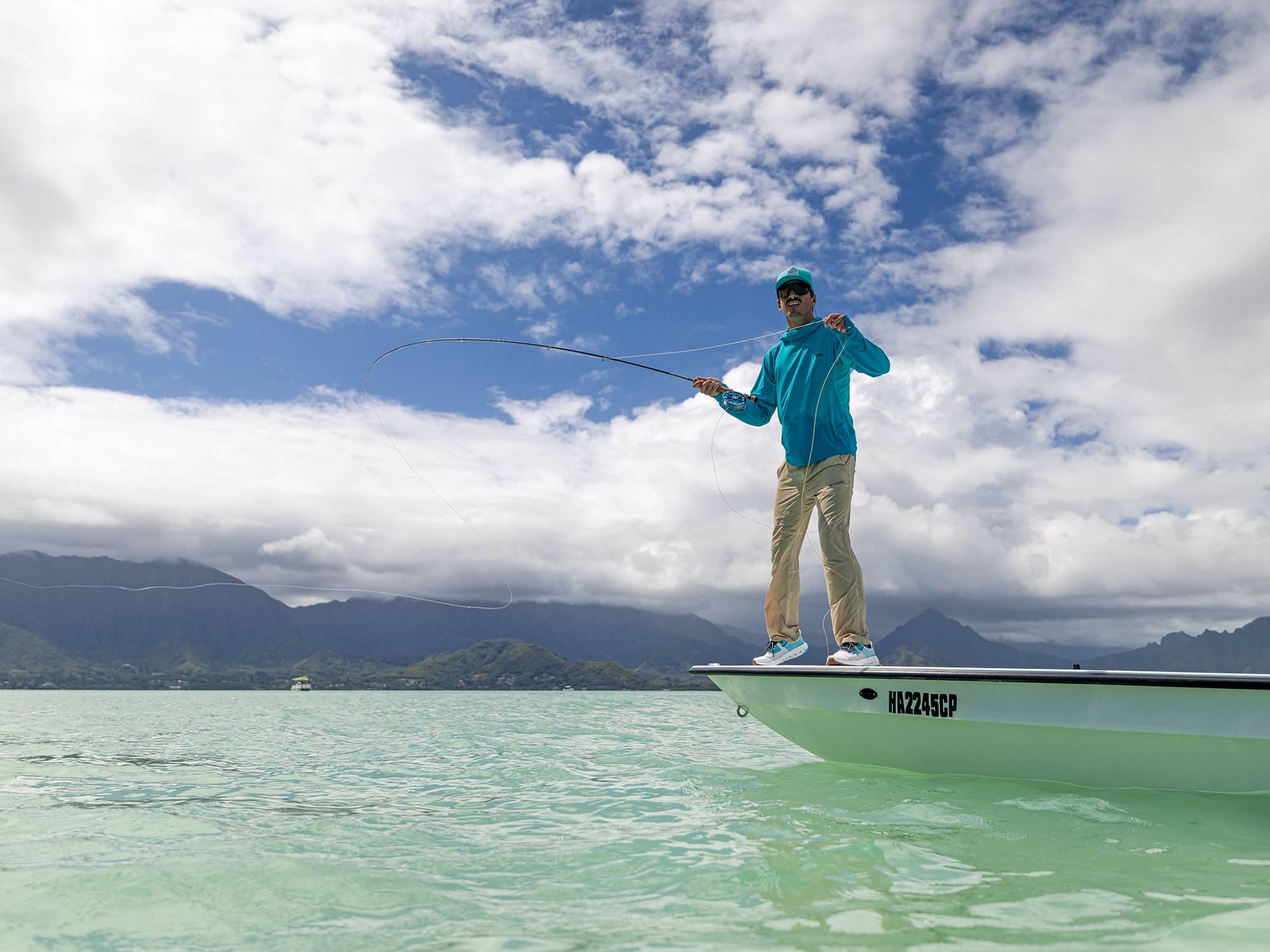
Apparel Implementation: Utilizing shirts like the Twelve Weight Back Channel, which incorporates strategic mesh panels along the sides and back alongside an athletic loose fit, maximizes convective airflow and accelerates drying times. Pairing this with Columbia PFG Pro Pants provides stain- and water-repellent protection equipped with active cooling technologies. Features such as integrated pant-cuff drawstrings ensure ankles remain protected from relentless UV exposure even during aggressive casting stances.
Precipitation Management: Tropical climates almost invariably bring sudden afternoon convective thunderstorms. Modern anglers rely on packable, low-profile rain suits like the Gill Aspect 2.0 jacket and bibs. Weighing very little and packing down effortlessly into carry-on luggage, these suits utilize breathable waterproof fabrics, engineered hoods that encourage airflow rather than trapping hot air, and fully taped seams to repel both rain and stinging salt spray.
2. Navigating Offshore Shifts ("Blue Heaven")
When operating sixty miles offshore, seeking shelter is rarely an option. Performance clothing in the blue-water arena must adapt fluidly to drastically shifting microclimates over a twelve-hour fishing day.
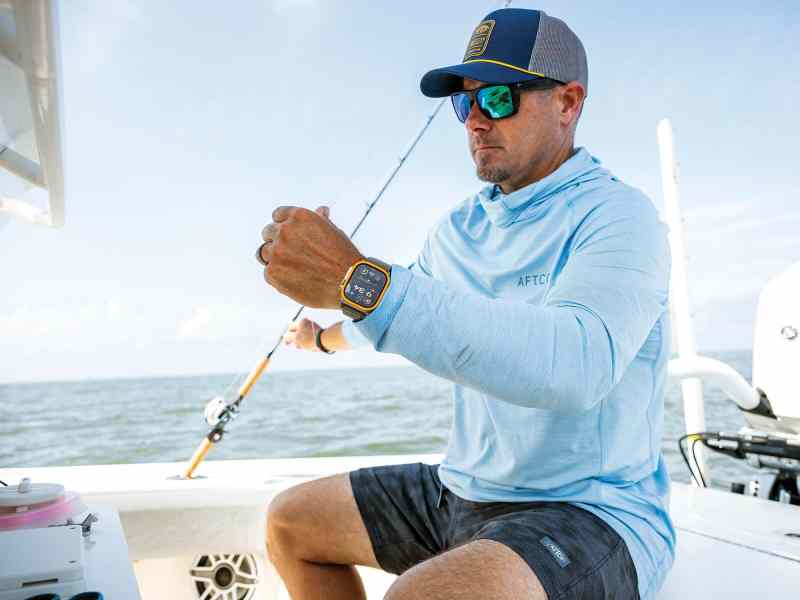
Dynamic Temperature Regulation: The introduction of advanced textiles like AFTCO’s Adapt Tactical Phase Change shirt solves the classic offshore dilemma: freezing during high-speed morning runs versus overheating when the boat drops off plane to troll. Phase-change materials absorb and store excess body heat during periods of inactivity or high chill, and actively release that thermal energy as internal body temperatures rise.
Mobility and Deck Footwear: Active fishing styles—such as backing down aggressively on a running billfish—demand absolute freedom of movement. Huk A1A Pro shorts offer four-way stretch, quick-drying synthetic weaves, and a soft, grippy waistband that prevents sagging when soaked with seawater. Meanwhile, foot fatigue and slick decks are mitigated by specialized deck shoes like Strike Footwear Bluefin Sneakers. These feature molded footbeds, shock-absorbing EVA midsoles, and micro-sipped, channeled outsoles that bite securely onto wet, slimy fiberglass, paired with quick-drain footbeds to eliminate moisture retention and odor.
3. Surviving Northern "Snotty" Weather
When visiting northern high-latitude fisheries, foul weather is not an exception—it is the baseline condition. Staying warm, dry, and mobile requires a sophisticated layering system where every piece of apparel functions seamlessly as both an inner and outer layer.
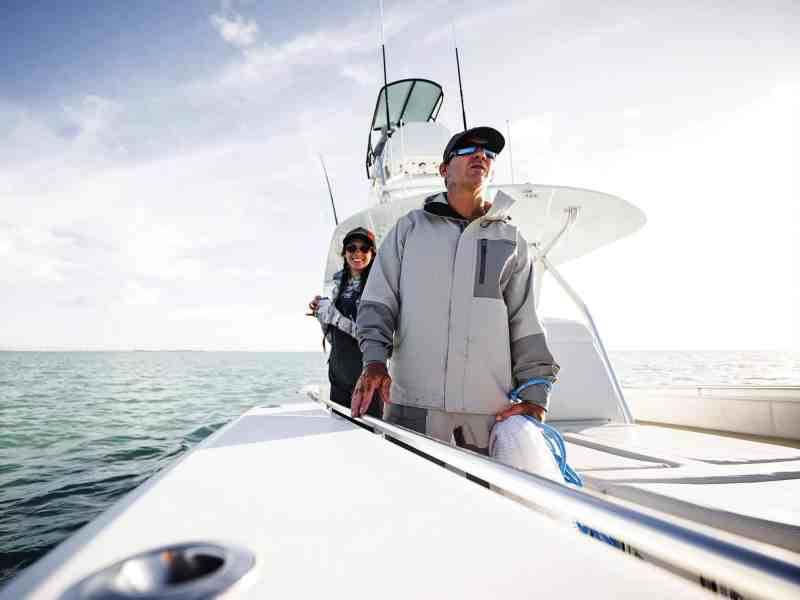
Mid-Layer Versatility: The Mustang Torrens Hooded Thermal Jacket acts as an anchor for cold-weather systems. In mild conditions, its vented underarm panels and wind-resistant fleece serve as a standalone outer layer. When the wind picks up and horizontal rain begins, its hydrophobic material repels coastal spray while remaining slim enough to fit comfortably under heavy-duty outer bibs.
Footwear Heritage & Innovation: Celebrating a century of angler-focused performance, heritage manufacturers like Grundéns continue to innovate with products such as their Deck Boss boots. Available in dedicated men’s and women’s models, they incorporate supportive neoprene upper sections that flex with every step, paired with shock-absorbing EVA soles and anti-odor cooling liners.
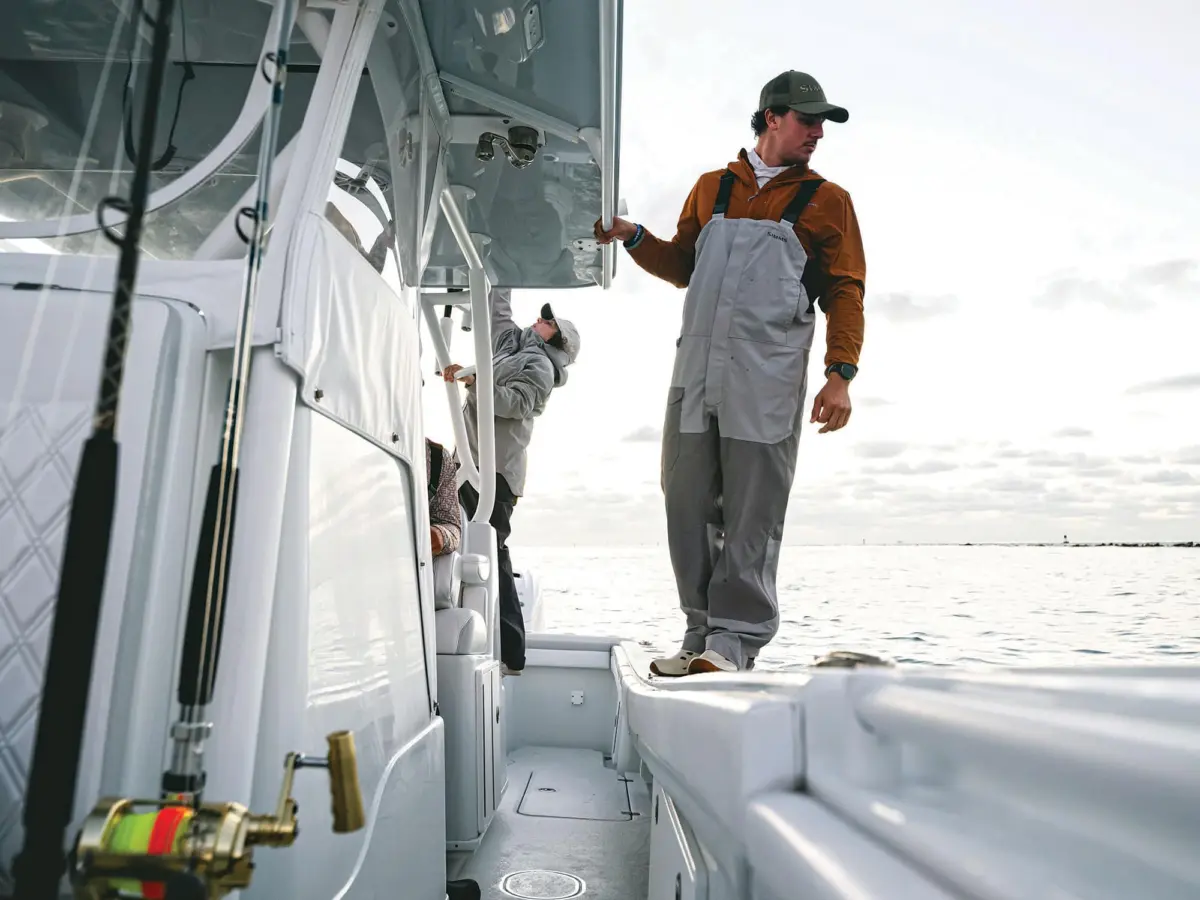
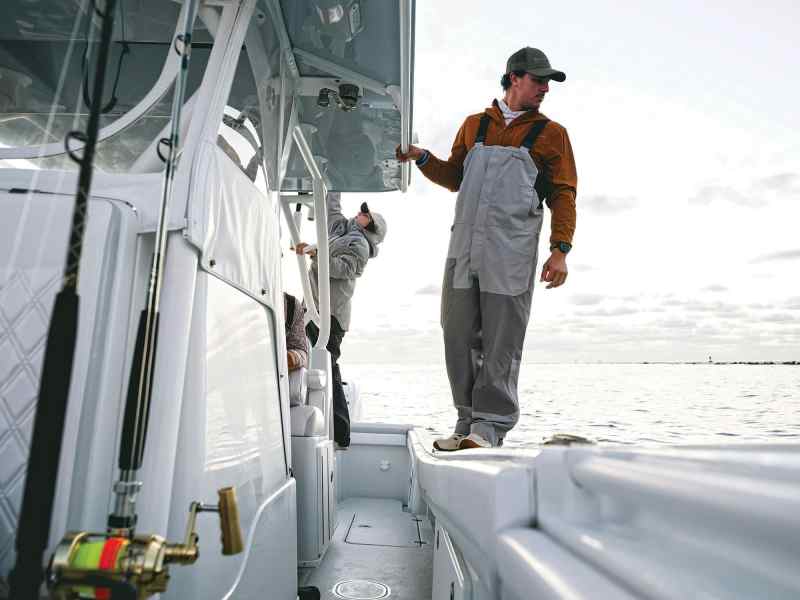
Ultimate Foul-Weather Shells: For unrelenting downpours and gale-force winds, anglers turn to premier heavy-duty shells like Simms’ Challenger Fishing Jacket and Bibs. Built around a proprietary waterproof, breathable fabric featuring a robust four-way mechanical stretch, these garments allow for dynamic physical movements—such as throwing a heavy cast net or hauling massive fish over the gunwale—without riding up or binding. Three-way adjustable hoods and strategic reinforcements ensure that anglers remain completely isolated from the elements all day long without overheating from trapped perspiration.
Official Statements and Industry Perspectives
Leading voices across the outdoor and marine textile industries emphasize that consumer expectations have shifted dramatically. Performance wear is no longer judged solely by its ability to repel water, but by its overall contribution to safety, stamina, and comfort.
"When anglers travel internationally or push far offshore, the variables are staggering. Weather windows are tight, and losing fishable days to poorly designed gear is simply no longer acceptable," notes a senior product development lead in technical marine apparel. "Modern material science allows us to manufacture garments that react to the human body and the environment simultaneously. Whether it’s phase-change cooling, microscopic moisture-vapor transport, or ergonomic articulation, today’s technical clothing functions essentially as second skin."
Industry analysts point out that the integration of sustainable, high-durability fabrics has also altered purchasing habits. Anglers are increasingly willing to invest in premium modular systems—such as interchangeable base layers, packable storm shells, and specialized footwear—because high-performance gear directly extends their physical endurance and focus during high-stakes fishing scenarios.
Future Outlook
Looking toward the horizon, the trajectory of marine performance apparel points toward even deeper integration of smart-textile technologies and eco-conscious manufacturing.
Advanced Biomimicry: Future iterations of phase-change and thermoregulating garments are expected to draw even greater inspiration from natural biological systems, utilizing intelligent fibers that autonomously adjust their porosity based on ambient humidity and skin temperature.
Sustainable Waterproofing: With mounting regulatory pressure against traditional chemical treatments, the industry is rapidly transitioning toward completely PFAS-free (Per- and Polyfluoroalkyl Substances) durable water-repellent (DWR) membranes that deliver uncompromising waterproof performance without environmental persistence.
Smart Integration: As wearable technology miniaturizes further, we can anticipate baseline diagnostic fabrics that monitor core body temperatures and hydration levels in real-time—alerting anglers to early-stage hypothermia or heat exhaustion before physical symptoms manifest.
Ultimately, while the ocean will always remain an unpredictable and formidable adversary, the modern angler enters the fray better equipped than at any point in history. By investing in a comprehensive, technology-driven clothing system tailored to specific environments, the timeless variables of wind, rain, and heat are effectively neutralized—leaving the focus squarely where it belongs: on the water, the fish, and the adventure of the journey.



0 Comments