

Executive Overview
For the dedicated angler, the pursuit of a trophy fish rarely happens under ideal, predictable skies. Traveling thousands of miles and investing heavily in a dream fishing destination means that a sudden turn in the weather—whether a flash tropical downpour, blistering midday heat, or a howling northern gale—cannot be allowed to dictate time spent on the water. Coastal and offshore environments are notoriously fickle, transitioning rapidly from wet to dry, freezing to scorching, and windy to dead calm within a single diurnal cycle.
In this unforgiving theater, safety, endurance, and comfort are fundamentally dictated by what rests against the skin. Modern maritime wardrobes have evolved far beyond simple canvas and basic cotton. Today’s inner, outer, and foundational layers combine advanced textile engineering, thermodynamic smart design, and moisture-management technology to actively regulate core temperature and repel environmental hazards. By building a comprehensive gear system capable of adapting to Mother Nature’s volatile moods, anglers can ensure that, no matter what happens outside the fabric, the weather inside their clothing remains perpetually pleasant.
Detailed Chronology & Evolution of Marine Textiles
The trajectory of marine apparel has undergone a profound transformation over the past century. Historically, staying dry on the water meant sacrificing breathability, mobility, and comfort.
The Era of Heavy PVC (1920s–1980s)
A century ago, foundational brands like Grundéns revolutionized commercial fishing protection with heavy-duty blaze orange PVC slickers and rubberized bibs. While these early garments were exceptionally waterproof and durable enough to withstand relentless commercial abuse, they acted as portable saunas. Trapping body heat and sweat, early waterproof gear often left anglers soaked from the inside out.
The Synthetic Revolution and Breathable Membranes (1990s–2010s)
As outdoor athletic wear expanded, the fishing industry adopted multi-layer breathable membranes, nylon blends, and specialized synthetic fibers. Anglers gained access to garments that could shed rain while allowing internal water vapor to escape. However, these systems were largely static; a jacket designed for a freezing morning run offshore would invariably cause overheating once the sun baked down and the boat slowed to a troll.
The Modern Smart-Design Era (Present Day)
The contemporary landscape of performance apparel is defined by active adaptation. Rather than merely shielding the body from external threats, modern gear utilizes phase-change materials, strategic micro-ventilation, four-way mechanical stretch, and body-mapping technology. Today’s garments actively warm the wearer during high-speed runs, shed heat during intense physical combat with a billfish, and repel UV rays and fish slime without restricting dynamic range of motion.
Supporting Context & Technical Breakdown: The Four Climate Systems
To master unpredictable maritime environments, anglers must look past single-piece solutions and embrace modular clothing systems tailored to specific micro-climates and weather profiles.
1. Beating the Heat: Tropical and Inshore Environments
Heat and oppressive humidity represent some of the most insidious environmental hazards anglers face. Baking under an equatorial sun while handling repetitive casting tasks is a fast track to dehydration, heat stroke, and cumulative skin damage.
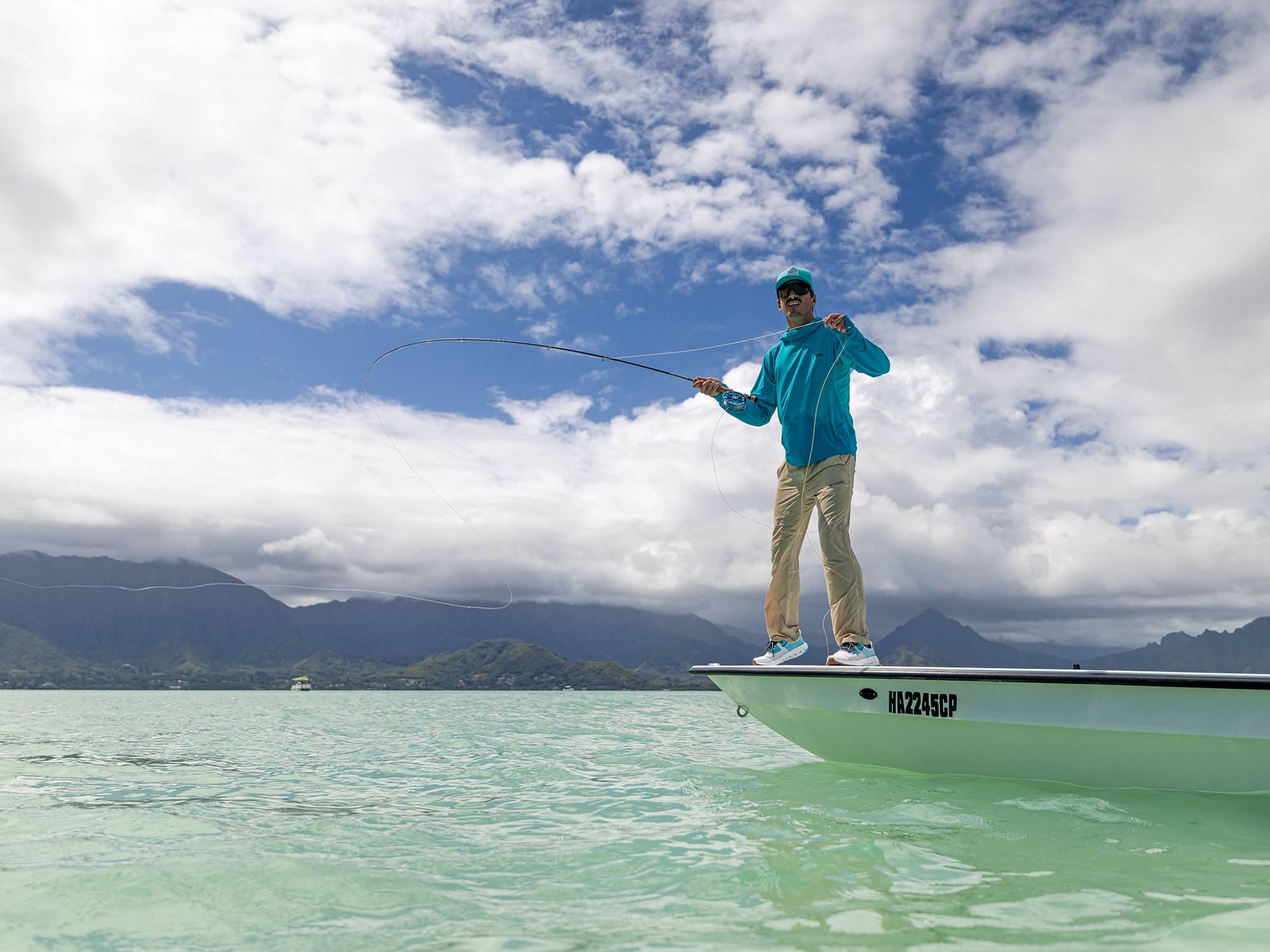
- Total Skin Coverage & Airflow: The defense against tropical heat relies on lightweight garments providing maximum UV defense without trapping heat. The Twelve Weight Back Channel shirt, paired with Columbia PFG Pro Pants, illustrates this balance. The shirt utilizes strategic mesh panels built into the sides and back, combined with a relaxed, loose fit to promote convective airflow and rapid moisture evaporation.
- Functional Lower-Body Engineering: Columbia’s PFG Pro Pants integrate stain- and water-repellent coatings with active cooling treatments. A standout feature for flats and skiff anglers is the integrated drawstring at the pant cuff, which prevents the hem from riding up and ensures complete ankle coverage during long hours exposed to glaring flats.
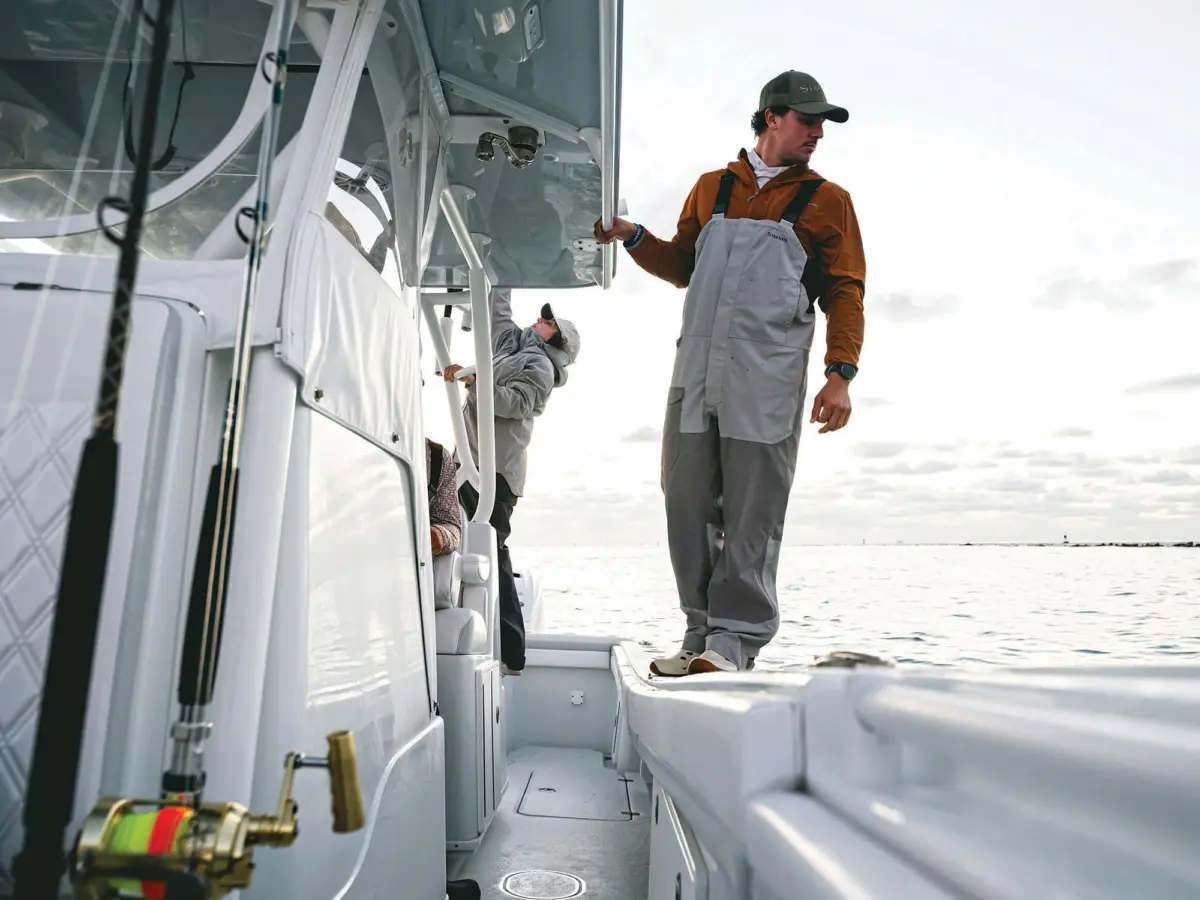
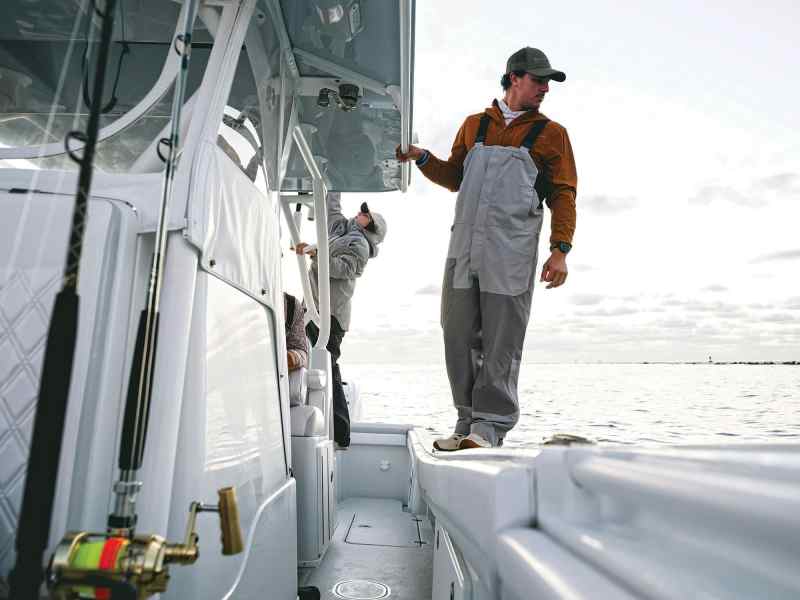
- Sudden Squalls: Tropical climates frequently spawn abrupt afternoon thunderstorms. Packing a lightweight, low-bulk shell such as the Gill Aspect 2.0 jacket and bibs provides essential insurance. Featuring a breathable waterproof construction, a structured hood designed to encourage airflow, and fully taped seams, the suit packs down tightly into a standard carry-on bag while easily shaking off salt spray, fish slime, and grit.
2. Bluewater Adaptability: Offshore Performance Systems
When an angler is running 60 miles offshore, retreat is rarely a practical or immediate option. Bluewater conditions demand clothing that can autonomously adjust to rapid micro-climate shifts over a 12-hour day.
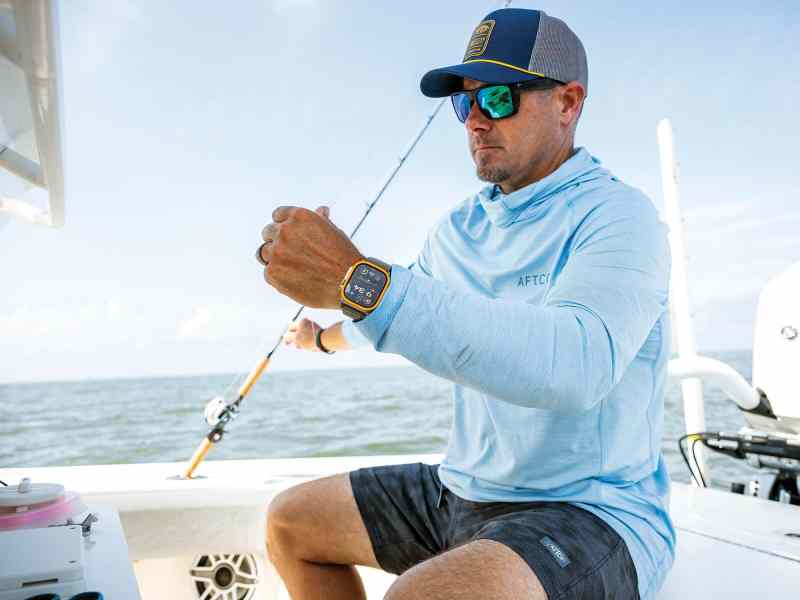
- Phase-Change Technology: The AFTCO Adapt Tactical Phase Change shirt represents a leap forward in adaptive maritime textiles. Utilizing phase-change materials, the fabric actively stores body heat during chilly morning high-speed boat runs when worn under an insulating sweatshirt. Once the boat throttles down to trolling speed and physical activity shifts to clearing lines or fighting fish, the fabric releases stored heat, lowering internal micro-climate temperature.
- Dynamic Mobility in Shorts: Marlin and heavy offshore fishing require unhindered lower-body mobility. The Huk A1A Pro shorts provide a four-way stretch construction and rapid-drying properties. Key ergonomic features include a soft, tacky waistband that prevents sagging when saturated, alongside secure zippered side pockets designed to house communication devices without impeding leg drive.
- Deck Traction and Footwear Support: Standing for hours on a fiberglass deck while waiting for a strike demands exceptional footwear engineering. Strike Footwear Bluefin Sneakers address this through a molded footbed and EVA midsole that absorbs shock during heavy sea states. Furthermore, their micro-sipped, channeled outsoles deliver dependable traction on wet, slimy decks, while the mesh upper and quick-drain footbed prevent moisture retention and bacterial odors.
3. Conquering Northern Squalls: Cold and Foul Weather Gear
Northern climates and late-season fisheries subject anglers to the ultimate endurance tests. Surviving these regions requires a layering philosophy where every garment functions seamlessly as both an independent outer layer and an integrated sub-layer.
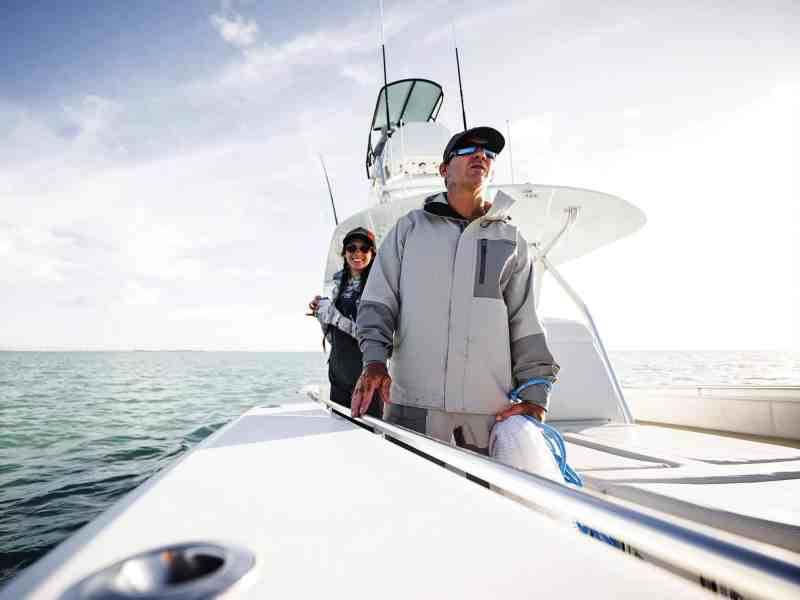
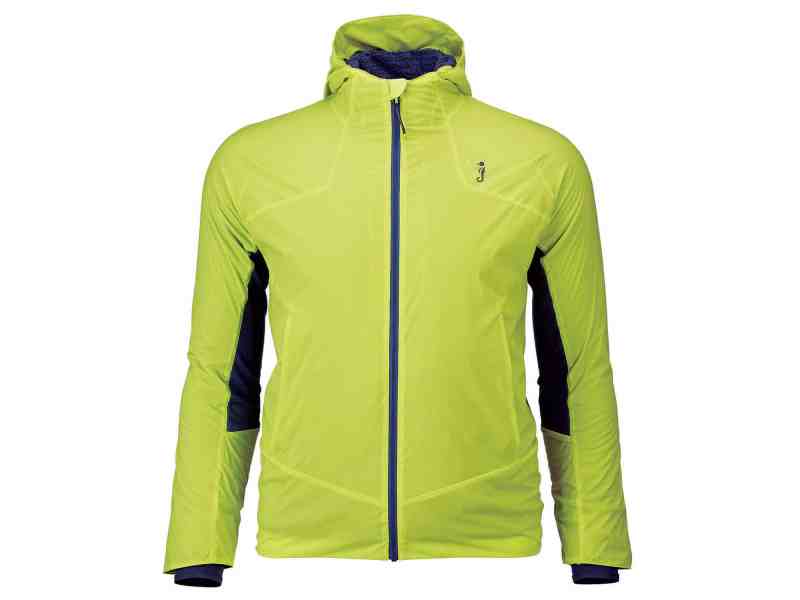
- Mid-Layer Versatility: The Mustang Torrens Hooded Thermal Jacket serves as a cornerstone for cold-weather systems. Featuring a fleece core with vented underarm panels, it acts as a wind-resistant standalone layer on mild days. When bitter gales roll in, its hydrophobic exterior sheds maritime spray, while its low-profile cut allows it to sit comfortably beneath heavy-duty waterproof outerwear without binding.
- Heritage Meets Innovation: Marking a century of angler-focused design, Grundéns offers specialized heritage-themed lines, including the Deck Boss boots. Available in both men’s and women’s models, these boots incorporate shock-absorbing EVA midsoles and stretchy neoprene uppers that flex naturally with foot movement, augmented by an anti-odor cooling interior lining.
- Total Environmental Defense: To combat unrelenting rain, wind, and freezing spray without succumbing to internal perspiration, the Simms Challenger Fishing Jacket and Bibs offer a waterproof, breathable membrane backed by four-way mechanical stretch. The three-way adjustable hood locks down securely during high-speed transits or howling gales, allowing anglers to operate efficiently all day long without overheating.
Official Industry Insights & Expert Perspectives
The evolution of modern performance fishing gear is driven by continuous feedback from professional captains, marine biologists, and gear designers who test textiles in the world’s most punishing environments.
Industry developers emphasize that the modern angler’s mindset has shifted from endurance to optimization. "When you invest heavily in a premier fishing expedition, the last variable you want to manage is physical misery caused by poor gear," notes product development leads across major maritime brands. "Modern apparel is no longer just a passive barrier against water and sun; it is an active biological interface. By integrating thermodynamic phase-change capabilities, targeted mechanical stretch, and rapid-drainage architectures, we allow anglers to direct 100% of their focus toward the fish rather than their personal physical comfort."
Furthermore, safety advocates highlight that thermal regulation is directly tied to cognitive performance and decision-making on the water. Hypothermia and heat exhaustion impair reaction times, making high-tech performance apparel a vital component of on-water safety protocol.
Future Outlook
As material science continues to advance, the future of marine performance apparel will likely see even deeper integration of smart textiles, biometric monitoring, and sustainable manufacturing practices.
Key trends expected to shape the next decade of fishing apparel include:
- Advanced Biomimetic Fabrics: Further refinement of phase-change materials that respond instantly to microscopic fluctuations in skin temperature and humidity without requiring manual layer adjustments.
- Eco-Friendly Waterproofing: Continued transition away from harmful PFC-based Durable Water Repellent (DWR) coatings toward sustainable, plant-based, and highly durable hydrophobic treatments that protect both the angler and the marine ecosystem.
- Lightweight Durability: The ongoing reduction of garment weight and bulk, allowing extreme foul-weather gear to pack down to the size of a standard windbreaker while offering the structural integrity of commercial-grade slickers.
Ultimately, while the weather will always remain unpredictable, the modern angler’s wardrobe has transformed into a reliable, high-technology life system—ensuring that rain, wind, and scorching heat remain secondary details to the adventure at hand.

0 Comments