
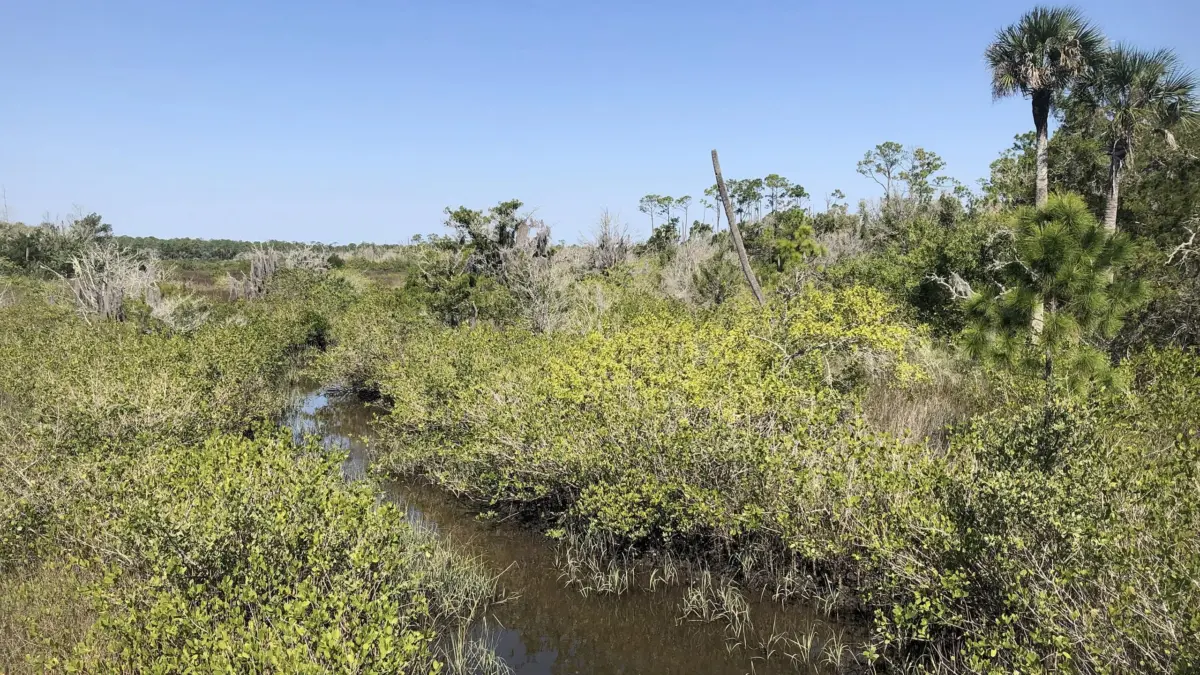

Nestled within the intricate aquatic ecosystems of Port Orange, Florida, the Rose Bay Trail stands as a premier destination for ecological exploration, environmental education, and outdoor recreation. Managed by Volusia County, this 1.9-mile linear trail system offers a dynamic journey through a protected landscape characterized by tidal creeks, brackish marshes, pine-cedar hammocks, and flourishing mangrove flats.
Accessed primarily through Spruce Creek Park—situated in the heart of the Spruce Creek basin where US 1 bridges the watershed—the trail welcomes visitors with an inviting boardwalk that bridges terrestrial forests and estuarine waterways. Optimized to function as an outdoor classroom, the pathway brings hikers into intimate contact with Central Florida’s native flora and fauna. From soaring wading birds and sunning reptiles to towering slash pines and ancient sand live oaks, the route provides a living laboratory for naturalists, students, and casual hikers alike.
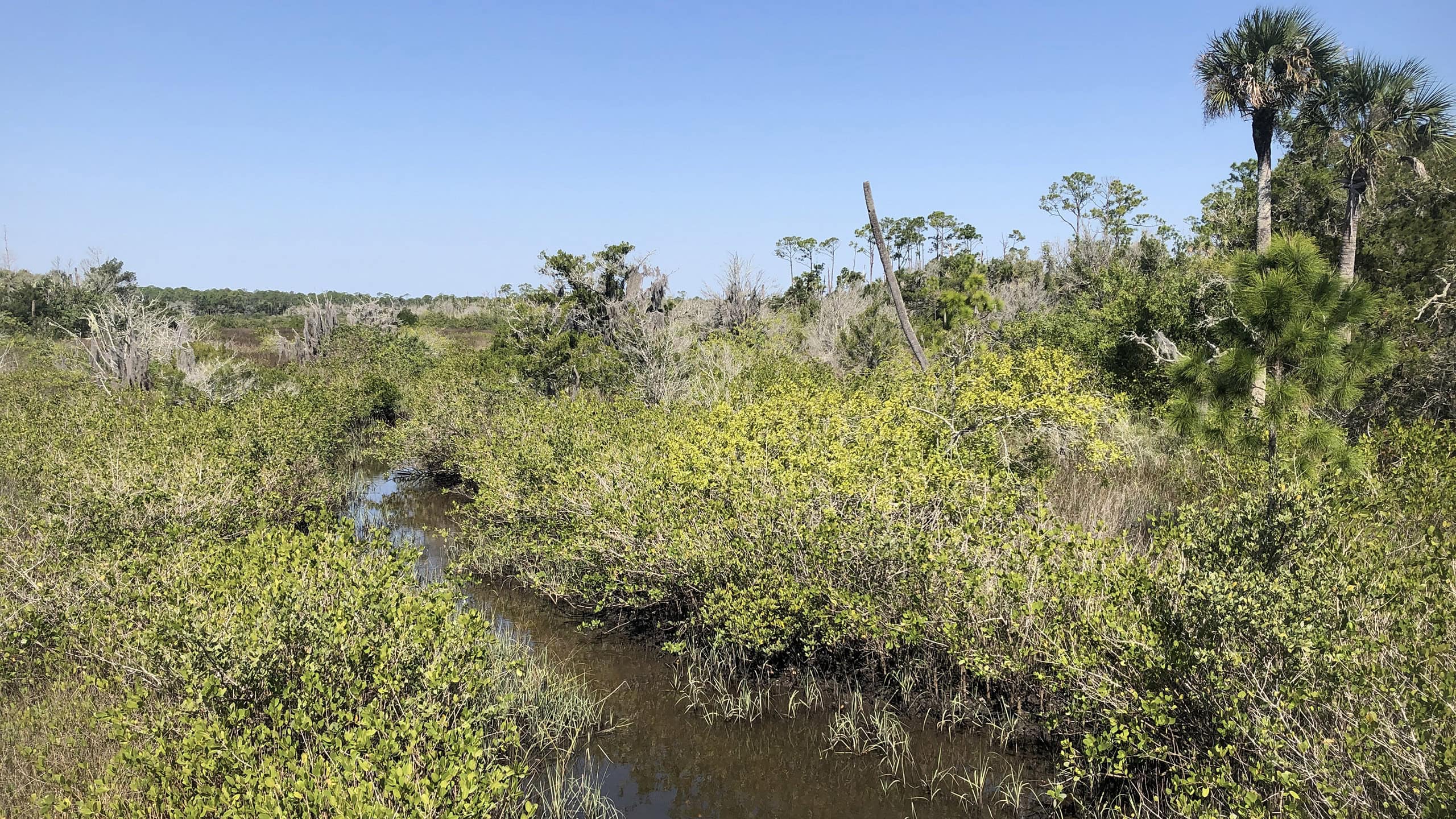
While recent infrastructure enhancements—including strategically placed bog boardwalks—have substantially improved accessibility across typically damp terrain, the Rose Bay Trail remains an immersive wilderness experience. Subject to the rhythms of Florida’s tides and seasonal rainfall, the trail challenges visitors to navigate squishy paths and changing waterscape views, culminating at a scenic observation tower and a tranquil, mangrove-fringed terminus along Rose Bay.
Detailed Chronology: Navigating the Rose Bay Trail
A trek along the Rose Bay Trail is a multi-sensory journey through shifting microclimates, requiring hikers to transition seamlessly from manicured park environments into untamed coastal hammocks and estuarine mudflats.

The Trailhead and Initial Boardwalk Crossing
The journey begins at Spruce Creek Park, located at 6250 Ridgewood Avenue (US 1) on the west side of the highway north of the New Smyrna Beach airport. Visitors arriving by vehicle can park near the environmental center and picnic pavilion, immediately adjacent to a community playground.
The initial leg requires a brief walk around the picnic pavilion to locate the boardwalk entry point. This short span transitions swiftly into a graded path. Turning right, hikers encounter a sturdy, engineered span that connects the mainland park island to an adjacent island lying entirely within the boundaries of the Doris Leeper Spruce Creek Preserve.

Gazing down from the elevated boardwalk, visitors can observe the active tidal waterway below. Depending on the time of day and tidal flow, great blue herons, egrets, and other wading birds can frequently be spotted stalking prey in the shallows. A strategically placed bench in the middle of this initial boardwalk offers a sunlit perch ideal for avian observation and quiet contemplation.
Entering the Forest Canopy and Marsh Edges
Upon reaching the far side of the boardwalk, the trail opens onto an island dense with slash pines, red cedars, and cabbage palms. Here, an interpretive sign provides essential background on the Rose Bay Legacy Project, detailing local conservation efforts.

The path dips beneath the heavy forest canopy, hugging the edge of the island. Although Volusia County land managers have installed low bog boardwalks to span chronically saturated soils, patches of unbridged earth remain vulnerable to high tides and heavy precipitation, often resulting in squishy, muck-laden footing.
As the trail presses forward, hikers cross a wooden bridge spanning a narrow, flowing waterway. The understory thickens dramatically with spiky yaupon hollies, creating a dense wall of green. Making a sharp left turn under a towering canopy of slash pines, the path borders a sprawling brackish marsh. In this transition zone between freshwater runoff and saline tidal waters, hikers must remain vigilant; it is common to spot sunning alligators and native snakes resting near the water’s edge.

The Observation Tower Panorama
A second wooden bridge soon crosses the primary outflow of the brackish marsh, leading hikers into an open palm hammock. The sparse understory in this section allows for sweeping glimpses of the wider estuary.
At approximately the 0.7-mile mark, a prominent landmark emerges: a sturdy wooden observation tower overlooking the estuary. Climbing to the top deck yields a magnificent 360-degree panorama. Below, Spruce Creek winds its way through an endless sea of needlerush marsh, its dark, tannin-stained waters contrasting sharply with the bright green marsh grasses. Because the tower is fully roofed, it provides vital shelter from the punishing Florida sun, while its elevated platform captures steady sea breezes that naturally keep mosquitoes and biting insects at bay.

Hammock Wandering and the Outdoor Classroom
Descending from the tower, hikers encounter a fork where two parallel roads diverge. Land management recommendations advise taking the right-hand path, as the left route—running closer to the marsh edge—is highly susceptible to flooding during high-tide events.
The two paths soon reconvene, plunging into a lush, tropical glade where giant leather ferns unfurl their fronds behind rustic wooden benches. These benches serve a dual purpose: they are utilized as open-air seating for environmental classes and guided eco-tours. As the trail advances, estuarine views temporarily recede, replaced by a thickening understory of saw palmetto.

The route then winds through a coastal hammock dominated by a high canopy of sand live oaks. The air shifts here, carrying a distinct salt breeze that heralds the proximity of open tidal waters.
Reaching the Mangrove Flats
At roughly 0.7 miles from the start of the primary loop, the trail intersects an access road extending from US 1. Turning left, hikers are led deeper into a magnificent palm hammock that skirts the perimeter of Rose Bay.

The path opens into a large clearing featuring a picnic pavilion and several tables—an ideal spot for a mid-hike lunch. Small, purposeful breaks in the dense mangrove fringe along the bay provide dramatic peepholes for water views.
The designated trail’s end can feel abrupt, as the access road simply peters out into an expansive expanse of mud flats surrounded by a burgeoning barrier of mangroves. Visitors are encouraged to wander as far along the mud-bound path as comfort allows to immerse themselves in this dynamic coastal nursery. Thousands of mangrove propagules (shoots) take root in the rich mud here year after year, actively shaping the landscape. In the coming decades, this raw mud flat will mature into a dense, protective mangrove forest. Across the water, a narrow gap upstream still offers a pristine view looking north toward the winding upper reaches of Spruce Creek.

The Return Journey and Park Extension
Having reached the terminus, hikers retrace their steps southward. A second pause at the observation tower offers a fresh perspective of the marsh under changing light conditions. Upon crossing back over the main boardwalk into Spruce Creek Park, visitors looking to extend their outing can complete an additional loop around the park’s grounds, which features its own network of waterfront pathways.
Supporting Context & Metrics
Understanding the geographical, ecological, and logistical parameters of the Rose Bay Trail ensures a safe and well-prepared excursion.

Key Metrics & Trail Specifications
- Location: Port Orange, Volusia County, Florida
- Total Length: 1.9 miles (Round-trip to mangrove flats; 0.5 miles round-trip to the observation tower only; 2.7 miles total if combined with the Spruce Creek Park loop).
- Trailhead Coordinates: 29.09489, -80.97202
- Trailhead Address: 6250 Ridgewood Ave (US 1), Port Orange, FL
- Fees: Free admission and parking
- Operating Hours: Open daily from sunrise to sunset
- Amenities: Restrooms located at the trailhead picnic pavilion; environmental center; picnic pavilions and tables; observation tower; interpretive signage.
- Land Manager: Volusia County (Resource Stewardship / Land Management Division)
- Contact Phone: 386-322-5133
Ecological Significance of the Spruce Creek Basin
The Spruce Creek basin represents one of the most ecologically diverse estuarine systems in Volusia County. Acting as a natural buffer between urban development along US 1 and the open waters of Ponce de Leon Inlet, the basin supports a complex web of marine and terrestrial life.
The transition zones—ecotones—between the pine-oak hammocks and the salt marshes create specialized habitats for numerous species. Wading birds, raptors, migratory songbirds, and marsh-dwelling mammals rely on the protected corridors of the Doris Leeper Spruce Creek Preserve. Meanwhile, the sub-surface tidal creeks serve as essential spawning and nursery grounds for commercially and ecologically vital fish and crustacean species.

Preparation and Safety Considerations
Because the Rose Bay Trail traverses a living, dynamic wetland, visitors must prepare accordingly:
- Insect Protection: Mosquito repellent is mandatory year-round due to the standing brackish water and dense canopy shade.
- Footwear: Sturdy, closed-toe hiking shoes or waterproof boots are strongly recommended. Even with modern bog boardwalks, high tides and heavy summer storms frequently inundate low-lying sections of the dirt pathways, resulting in deep puddles and slippery muck.
- Wildlife Awareness: Brackish marshes and shaded forest edges are natural habitats for American alligators and various native snake species. Maintain a respectful distance and keep pets strictly leashed at all times.
- Hydration: Central Florida humidity can be punishing, especially during the warmer months. Hikers should carry adequate drinking water.
Official Statements & Land Management
The preservation, maintenance, and public access of the Rose Bay Trail are coordinated through Volusia County’s Resource Stewardship division, operating under the broader umbrella of local conservation initiatives like the Rose Bay Legacy Project.

According to Volusia County land management directives, conservation lands within the Doris Leeper Spruce Creek Preserve are managed with a dual mandate: safeguarding sensitive estuarine and upland habitats while providing low-impact public recreation and environmental education opportunities.
County natural resource officials emphasize that infrastructure improvements—such as the installation of elevated bog boardwalks and sturdy estuarine bridges—are carefully engineered to protect delicate root systems and prevent soil erosion while granting the public reliable access to remote interior areas. The integration of outdoor classroom benches reflects a deliberate institutional focus on community engagement, allowing local schools and environmental groups to utilize the trail as a hands-on educational resource for marine biology, botany, and conservation science.

Furthermore, county literature stresses the importance of community stewardship in monitoring water quality, controlling invasive exotic plant species, and respecting wildlife buffers within the preserve’s boundaries.
Future Outlook
As coastal Florida faces escalating pressures from urban growth, climate variability, and sea-level rise, the long-term outlook for the Rose Bay Trail and the surrounding Spruce Creek Preserve centers heavily on adaptive management and ecological resilience.

Habitat Succession and Mangrove Migration
One of the most fascinating long-term observations along the Rose Bay Trail is the active evolution of the mangrove flats at the trail’s terminus. As documented by naturalists visiting the site, thousands of red and black mangrove propagules continue to colonize open mud flats driven by shifting tidal dynamics and storm-deposited sediments. Over the coming decades, this ongoing botanical succession is projected to transform current open mud expanses into a dense, multi-tiered mangrove forest. This natural coastal armor will provide enhanced protection against storm surges, buffer inland infrastructure, and expand nursery habitats for estuarine marine life.
Infrastructure and Climate Resilience
Volusia County land managers continue to evaluate trail vulnerability to tidal flooding and severe weather events. Because low-lying sections of the dirt roads and paths are prone to becoming submerged during high astronomical tides (commonly referred to as "king tides") and post-storm surges, future capital improvement plans may incorporate additional elevated boardwalk spans. These targeted engineering interventions aim to preserve year-round trail accessibility while minimizing human disruption to the sensitive hydrological flows of the marsh.

Expanding Educational and Recreational Outreach
Plans for the broader Doris Leeper Spruce Creek Preserve emphasize expanding public programming centered around the outdoor classroom infrastructure. By partnering with local educational institutions, conservation non-profits, and volunteer naturalist groups, Volusia County aims to increase public awareness regarding estuarine health, watershed protection, and the critical role public lands play in maintaining regional biodiversity.
Through balanced stewardship, the Rose Bay Trail will endure as a vital ecological sanctuary and a beloved destination for hikers seeking an authentic encounter with Florida’s wild, untamed coastal heritage.

0 Comments