


Nestled along the remote, wildlife-rich expanse of Alligator Point south of Tallahassee, the St. James Island Unit represents a triumphant chapter in Florida’s ongoing conservation legacy. Acquired by the state in 2020 alongside critical property additions to the adjacent Bald Point State Park, this burgeoning public land enclave spans thousands of acres of ecologically significant terrain. The acquisition effectively secures a pristine buffer zone where the Florida Panhandle meets the Gulf of Mexico, protecting fragile coastal ecosystems from encroaching commercial development.
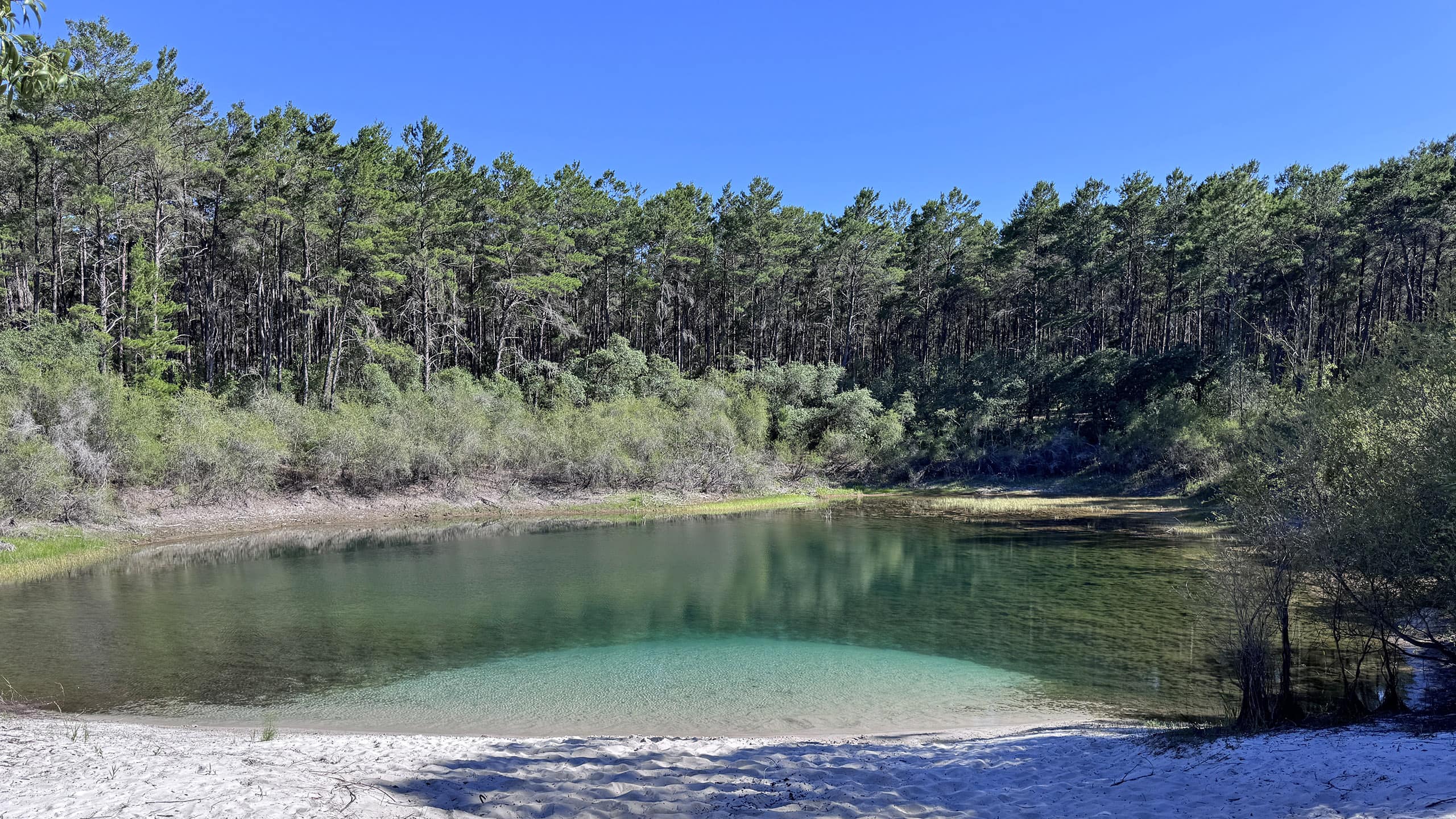
At the heart of this newly accessible landscape lies a hidden gem: the Blue Spring tract within the Tates Hell State Forest St. Teresa Unit. Managed by the Florida Forest Service, this property has transitioned from a restricted, timber-dominated industrial zone into a vibrant public recreation destination. Recent infrastructure developments—including the opening of the St. Teresa Bluff Trails in early 2022, followed by the establishment of a dedicated day-use area, a primitive campsite, and a scenic hiking route—have unlocked a landscape previously hidden behind corporate timber gates.

This report provides a comprehensive examination of the St. James Island Unit and the Blue Spring trail system, detailing its geographical context, historical transformation from pulpwood plantation to protected wilderness, regulatory frameworks, and the broader ecological restoration efforts shaping the Forgotten Coast.

Detailed Chronology
The modern history of public access on the St. James Island Unit and the Tates Hell State Forest’s St. Teresa Tract is rooted in strategic state acquisitions and phased infrastructure rollouts designed to balance public recreation with ecological preservation.

The 2020 Acquisition
The foundational milestone for the area occurred in 2020, when the State of Florida successfully acquired thousands of acres across Alligator Point. This strategic purchase fortified the boundaries of Bald Point State Park and established the St. James Island Unit within Tates Hell State Forest. By placing these contiguous parcels under public stewardship, state environmental agencies secured continuous wildlife corridors and protected critical watersheds draining into the Gulf of Mexico and Ochlockonee Bay.

Early 2022: Opening the St. Teresa Bluff Trails
Momentum for public access accelerated in early 2022 when Bald Point State Park officially unveiled the St. Teresa Bluff Trails. This rollout introduced hikers to the elevated, pine-studded bluffs overlooking the surrounding waters. Simultaneously, the Florida Forest Service opened its adjacent tracts to seasonal hunting, integrating traditional outdoor sports into the management framework of the newly acquired state forest lands.

Recent Developments: Blue Spring Infrastructure
Most recently, the Florida Forest Service completed the rollout of visitor amenities centered around the Blue Spring tract. Crews established a well-marked trailhead off Fire Tower Road, complete with informational kiosks and bear-proof waste receptacles. A 1-mile round-trip hiking path was cleared, blazed in blue, and linked to a scenic day-use area and a primitive campsite. These additions provide visitors with direct access to a striking, spring-fed pond distinguished by its vivid blue hue and framed by native understory vegetation.

Supporting Context & Metrics
Understanding the scope and logistical requirements of exploring the St. James Island Unit and the Tates Hell Blue Spring trail requires a review of its core geographical and administrative metrics.

Trail & Location Profile
- Location: Sopchoppy, Florida (Wakulla County)
- Land Manager: Florida Forest Service (Contact: 850-681-5963)
- Total Trail Length: 1 mile (round trip)
- Trailhead Coordinates: 29.951806, -84.485917
- Trailhead Address: Fire Tower Rd, Tates Hell St. Teresa Tract, Sopchoppy, FL
- Fees: Free admission
- Operating Hours: Sunrise to sunset daily
- Restroom Facilities: None available on-site
- Pet Policy: Leashed dogs are welcome
Navigational Directions
Travelers approaching from Tallahassee should head south on US 319 from the intersection with SR 263 for approximately 20.2 miles, then turn right onto US 98. After 1.7 miles, make a right onto Sopchoppy Highway (US 319) and continue for 14.3 miles. Look for the prominent state forest sign on the left side of the road, turn onto the dirt access road, and make an immediate first left. The designated parking area and trailhead kiosk will appear on the right after roughly one mile.

Environmental & Safety Parameters
- Wildlife Considerations: The forest serves as active black bear habitat. Visitors are strictly required to use bear-proof storage bags or approved bear canisters for all food and scented items.
- Hunting Regulations: Seasonal hunting is authorized within specific windows determined by the Florida Fish and Wildlife Conservation Commission (FWC). Recreational visitors must cross-reference hunt dates on official FWC schedules before planning excursions.
- Camping Protocols: Overnight stays at the Blue Spring primitive campsite require advance reservations through the official state forest reservation system.
Official Statements & Management Perspectives
The transition of the St. James Island Unit from a private timber asset to a publicly managed recreation and conservation area reflects a deliberate policy shift by Florida land management agencies.

State foresters and environmental planners emphasize that while the immediate landscape bears the visual scars of intensive silviculture—characterized by rigid, uniform rows of sand pines planted for pulpwood production—the overarching management mandate is ecological restoration. The Florida Forest Service has outlined long-term vegetation management plans designed to gradually phase out off-site industrial plantings and restore the historic longleaf pine sandhill ecosystem that once dominated the region.

Recreational advocates and park planners have similarly praised the collaborative approach between the Florida Park Service and the Florida Forest Service. By coordinating trail expansions across Bald Point State Park and Tates Hell State Forest, officials have created a unified recreational corridor along the Forgotten Coast. This synergy allows visitors to seamlessly transition from coastal marshes and bluff overlooks to inland freshwater features like Blue Spring without encountering fragmented public land policies.

Furthermore, wildlife biologists underscore the importance of securing these corridors for native fauna. The preservation of extensive tracts on Alligator Point mitigates habitat fragmentation, offering safe passage for migratory birds, white-tailed deer, and the regional black bear population.

Future Outlook
As the St. James Island Unit and the Tates Hell Blue Spring trail system mature into their roles as public natural resources, the primary focus for land managers centers on habitat rehabilitation and visitor management.

Ecological Restoration Trajectory
The multi-decadal process of reversing industrial silviculture will remain a cornerstone of future operations. Controlled burns, selective timber thinning, and the reintroduction of native longleaf pine seedlings are expected to gradually transform the rigid sand pine rows into a diverse, resilient sandhill community. This ecological uplift will not only improve aesthetic conditions for hikers but will also enhance native biodiversity, supporting specialized understory species such as native milkweed, pawpaw, marsh pink, and turkey oak.

Infrastructure & Sustainable Tourism
With basic amenities—such as the Blue Spring day-use area, picnic benches, and the primitive campsite—now fully operational, state agencies are shifting attention toward trail maintenance and visitor education. As awareness of the Forgotten Coast’s interior recreation spots grows, maintaining a balance between public access and habitat protection will be paramount. Rigorous enforcement of Leave No Trace principles, proper bear-awareness protocols, and adherence to seasonal hunting closures will ensure that the fragile ecosystems surrounding Alligator Point remain pristine for generations to come.

0 Comments