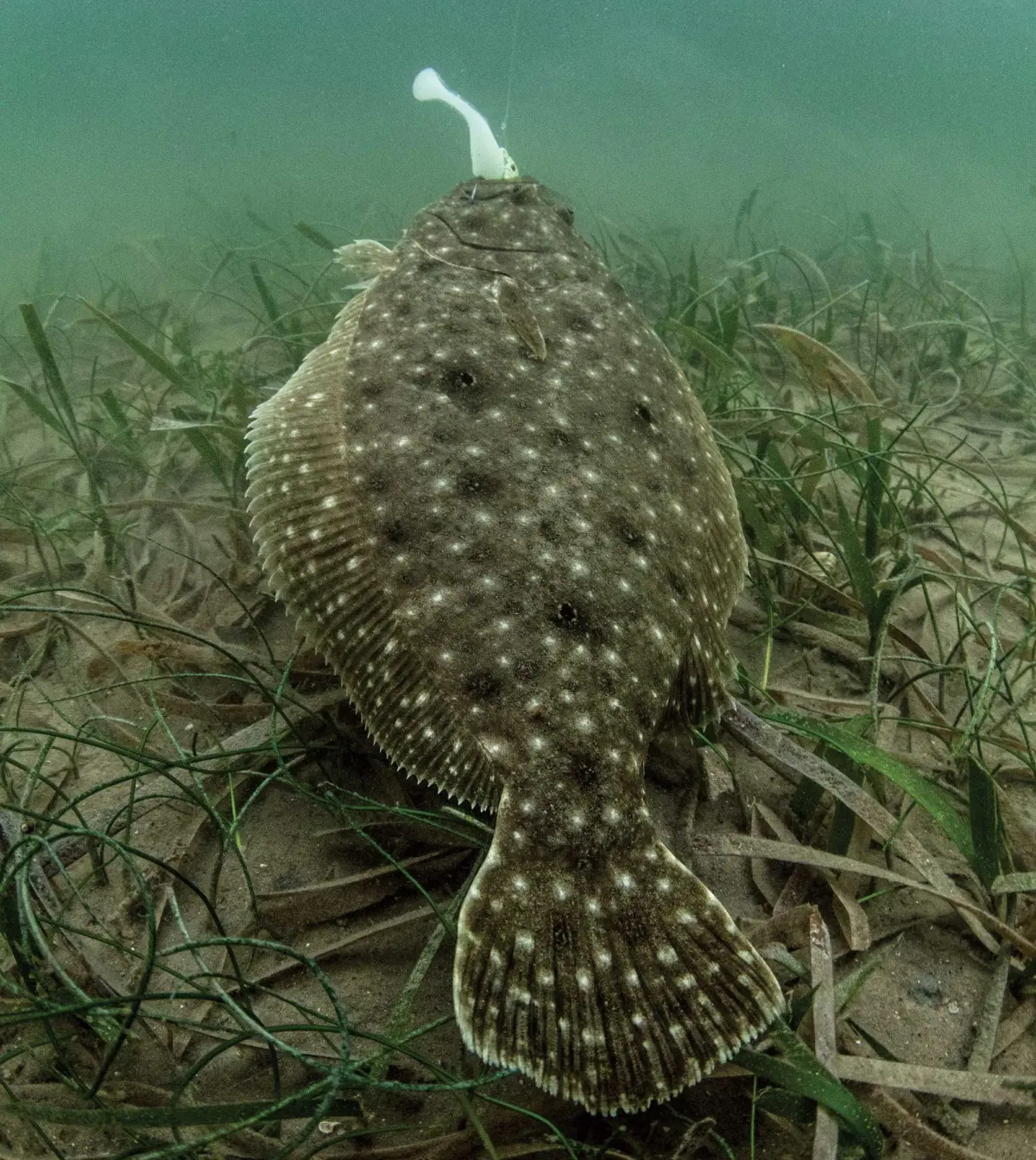
For coastal anglers along the western Gulf of Mexico, the arrival of autumn heralds one of the most anticipated and lucrative fisheries of the year: the fall flounder migration. As cooling water temperatures sweep across the shallow marshes and back bays of Texas and Louisiana, southern flounder (Paralichthys lethostigma) initiate a mass exodus. Leaving behind their summer haunts in the shallow estuaries, these flatfish embark on a deliberate journey toward the deep, high-salinity waters of the Gulf of Mexico to spawn.
This seasonal movement creates a predictable, highly concentrated fishery. However, successfully filling a cooler with quality "doormat" flounder requires precision, an understanding of hydrodynamic funnels, and mastery of specialized techniques. Whether targeting bottlenecked bayou drains, sweeping Intracoastal Waterway flats, or the granite-strewn passes leading directly to the open ocean, veteran captains and guides agree: success belongs to the angler who understands ambush points, tidal current dynamics, and bottom presentations.
This comprehensive guide breaks down top-tier tips, professional tackle selections, seasonal timelines, and geographic strategies from legendary Gulf Coast guides to help you maximize your success on the front end of the fall migration before seasonal closures take effect.
Detailed Chronology: The Seasonal Progression of the Fall Run
Understanding the migration timeline is critical for intercepting southern flounder. The movement does not happen all at once; rather, it unfolds in distinct phases from late summer through late autumn, requiring anglers to shift their geographic focus week by week.
Phase 1: September – The Early Trickle and Backwater Drains
As September brings the first subtle shifts in air temperature and photoperiod, flounder begin to stir from their scattered summer patterns in the back bays. During this initial phase, the fish stage near the mouths of tidal creeks, marsh drains, and bayou bottlenecks.
On the southern end of Sabine Lake—straddling the Texas-Louisiana border—outflows act as natural conveyor belts. Captain Jerry Norris, a Sabine Lake guide with four decades of experience, heavily targets these micro-drains.
"When the fall migration of flounder begins, this is one place that I can hit day in and day out and fully expect to reel in several of these tasty fish," Norris notes. "It’s adjacent to Blue Buck Point, where lots of flounder stage before leaving the bay and heading to the pass and into the Gulf."
During September, target outgoing tides where baitfish—such as shrimp, mullet, and shad—are swept out of the marshes, forcing flounder to position themselves down-current to pick off easy meals.
Phase 2: October – The Peak Pass Migration
By October, the migration hits its crescendo. Flounder leave the interior bays in droves, funneling through major passes, navigational channels, and deep cuts. This is the prime window for numbers and size. Anglers focusing on coastal passes, such as Sabine Pass or Calcasieu Pass, will find fish stacked heavily along structural elements.
During this peak month, the fish are actively moving, requiring a mobile approach. Rather than anchoring and waiting, successful anglers drift or slow-troll structural edges, covering vast expanses of water to intersect travelling schools.
Phase 3: Late October and Beyond – Nearshore Rigs and Deeper Waters
As October draws to a close and the bulk of the migration clears the passes, the fish transition to the open sea. Flounder move out to nearshore structure, staging around oil and gas platforms, artificial reefs, and bottom contours located 1 to 5 miles off the coast in depths ranging from 15 to 25 feet. Anglers targeting this final leg of the run must adapt their tactics to deeper, heavier water columns, bumping jigs straight off the ocean floor.
Strategic Hotspots: Where the Pros Find Flounder
To catch fish, you must be where the fish lay up. Gulf Coast veterans point to specific topographical features that consistently concentrate migrating flounder.
1. Bayou Drains and Marsh Outflows
As water drains off the marsh flats with a falling tide, it concentrates bait into narrow channels. Flounder are opportunistic ambush predators; they bury themselves in the sediment or lay flat against the mud just downstream of these outflows. Pitching soft plastics into these pinch points yields explosive strikes.
2. Intracoastal Waterway (ICW) Edges and Shallow Flats
Buddy Oaks of the renowned Hackberry Rod and Gun Club on Louisiana’s Calcasieu Lake emphasizes the importance of the ICW.
"The fall run can be absolutely spectacular," Oaks says. "Whether you’re using live baits or artificials, the trick is to be where the flounder lay up. That’s usually somewhere along the Intracoastal Waterway where the shallow flats load up with flounder."
The transition zones where shallow marsh flats drop off into the deeper channel of the ICW serve as mega-highways for migrating flatfish. The flats provide warming sun and feeding zones, while the deep channel offers a secure marine highway.
3. Jetties, Bulkheads, and Pilings in Passes
Passes connecting bays to the Gulf are structural goldmines. Captain Bill Panto, an elite Texas coast flounder angler, focuses heavily on these high-flow marine corridors.
"Pylons in 5 feet of water running parallel to the shoreline are particularly good," notes Norris, echoing Panto’s sentiments regarding Sabine Pass. "The flounder hold down-current of the pilings. If I had to pick one best type of structure in the pass, it would be a long bulkhead, where flounder stack up."
Flounder press their bodies directly against vertical bulkheads and wood pilings to escape heavy currents while ambushing disoriented prey swept along by the tide.
Tackle, Rigs, and Presentations: Proven Techniques
Flounder have notoriously bony mouths and a reputation for blowing baits out if they feel unnatural resistance. Selecting the correct rig, lure, and presentation style is vital to converting strikes into hooked fish.
Artificial Lures: Vibration and Scent
While many anglers rely exclusively on live bait during the fall run, artificial offerings—when worked properly along the bottom—can often outperform live offerings due to their coverage rate and sonic profile.
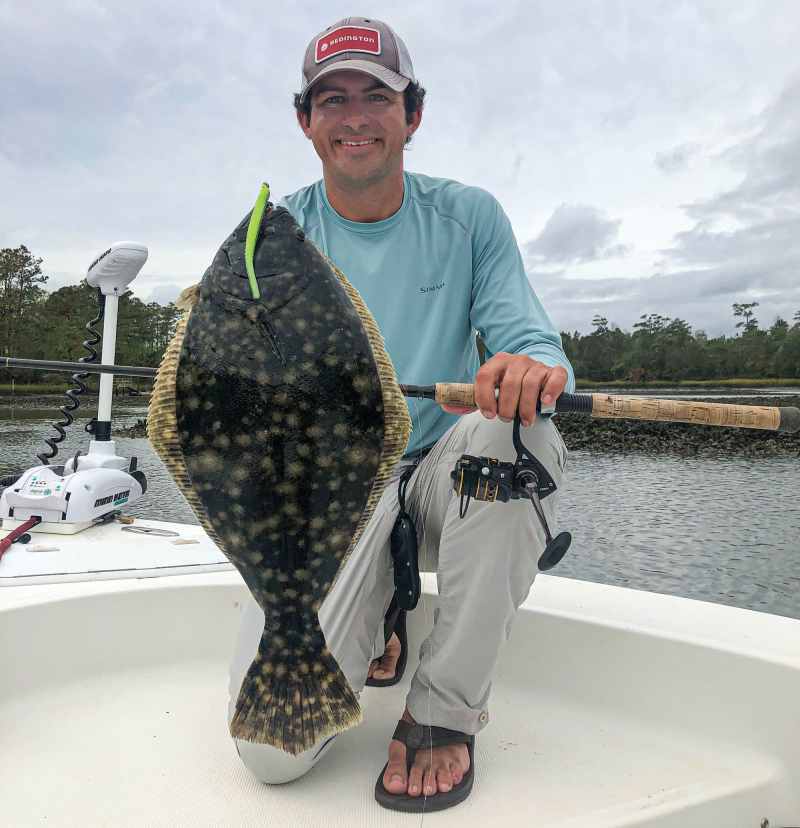
Paddletail Swimbaits: Captain Jerry Norris prefers swimbaits featuring paddle tails, such as the Yum Money Minnow in colors like red shad, glow chartreuse, and red-and-white. "A swimbait with some sort of paddle tail puts out a lot of vibration," Norris explains. "You can scoot it along bottom on a steady retrieve, and flounder will eat it all day long. I’ll usually fish them on a 1/8-ounce Shad Assassin screw-lock jig head. That allows for a slower drop."
Curly-Tail Grubs: For fishing shallow marsh pockets and shoreline vegetation, a 5-inch fat curly-tail grub (such as those made by Big Bite Baits) rigged on a 1/4-ounce jig head is deadly. Pumpkin-seed with a chartreuse tail excels in stained water conditions found in East Galveston Bay and Calcasieu Lake.
The Shrimp-Tipped Jig Secret: A proven tactic used by top guides is tipping a soft-plastic jig with a dime-sized piece of fresh dead shrimp. The combination of visual vibration and real seafood scent triggers aggressive feeding responses from sluggish or heavily pressured fish.
Road Runner Spinnerbaits: In tight quarters along bulkheads, a 1/8-ounce Road Runner spinnerbait creates flash and vibration that draws lateral-line strikes from big flounder in the 3- to 5-pound class.
Live Bait Rigging: The Carolina and Slider Rigs
When fish are finicky or heavily targeted, live finger mullet, mud minnows, and lively shrimp are unmatched. However, how you present them makes all the difference.
The Carolina Rig: Adopted directly from freshwater bass fishermen, the classic Carolina rig is a staple for Gulf Coast flounder anglers working the ICW flats and coastal passes.
Setup: Thread a 1/4- to 1/2-ounce egg sinker onto your main line, then tie to a 20-pound-test barrel swivel. Attach an 18- to 24-foot fluorocarbon leader, terminating with a 4/0 Kahle hook.
Why it works: This setup allows a flounder to pick up a live bait and move off without feeling the restrictive weight of the sinker, preventing the fish from ejecting the offering prematurely. Use just enough weight to keep the bait anchored or slowly rolling along the bottom in the current.
The Slider Rig (Float and Live Bait): For working shallow shorelines and drop-offs, a slider rig featuring a small surface float, a 2-foot leader, a split-shot weight, and a live bait hook is exceptionally effective.
Technique: Slide the float slowly across the surface, pausing intermittently to let the live shrimp or mullet settle naturally to the bottom. Never jerk the float violently, as this instantly spooks shallow-water flounder. Ease it along smoothly.
Official Statements and Industry Insights
The seasonal predictability of the southern flounder migration has made it a cornerstone of Gulf Coast recreational angling culture. Fisheries management agencies frequently adjust bag limits and seasonal closures to protect spawning stocks during this vulnerable window, heightening the urgency for anglers to experience the run on its front end.
Industry leaders emphasize that flounder fishing is far from a game of chance. As Captain Jerry Norris asserts:
"A lot of people think the flounder is a mysterious fish and difficult to find and catch. Nothing could be further from the truth. You just need to know where they will feed on any given day. Throughout most of the summer, they feed at the mouths of the drains on just about any bay. They will also hold along shallow flats. They are basically shallow-water feeders. And like most other game fish, they feed best on moving tides. It’s that simple."
Similarly, Captain Bill Panto highlights the psychological shift required to catch high volumes of fish:
"I have a pretty simple plan to catching numbers of flounder. I like to cover a lot of water. This allows me to fish more spots that flounder will hold in… I’m not just sitting on one spot waiting for fish to come to me. Instead, I’m covering lots of water and boxing some of the tastiest fish in the Gulf."
Future Outlook and Conservation Considerations
As coastal development, shifting weather patterns, and fishing pressure continue to impact Gulf Coast fisheries, the long-term sustainability of the southern flounder population remains a high priority for state wildlife departments in Texas and Louisiana. Stricter bag limits, increased size minimums, and regulated fall harvest windows have been implemented to ensure that robust spawning stocks successfully reach the Gulf each autumn.
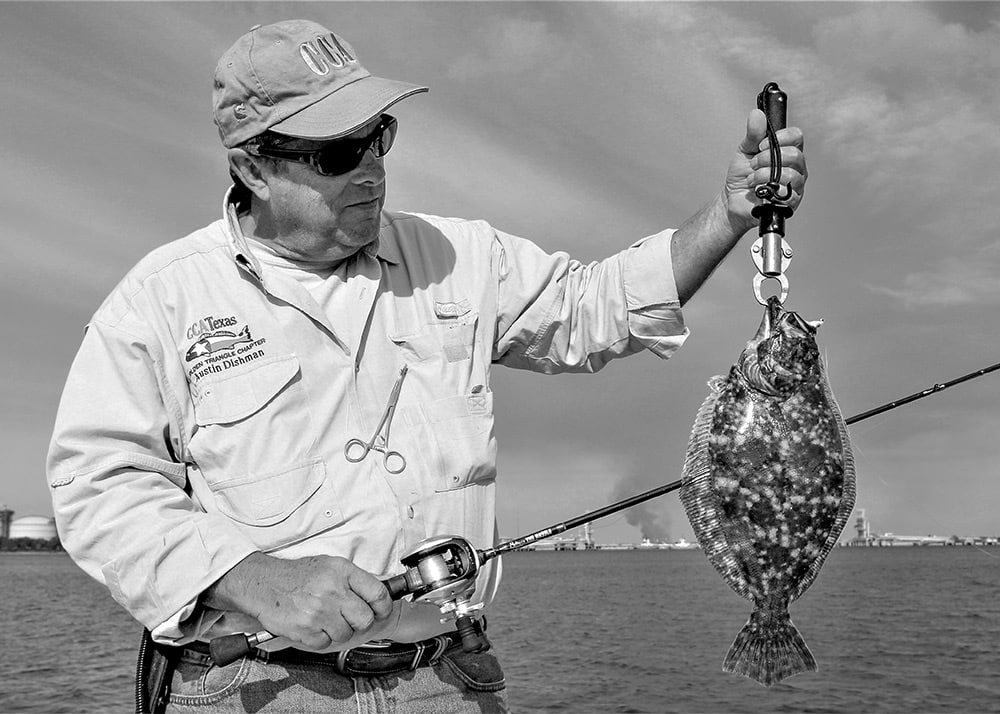
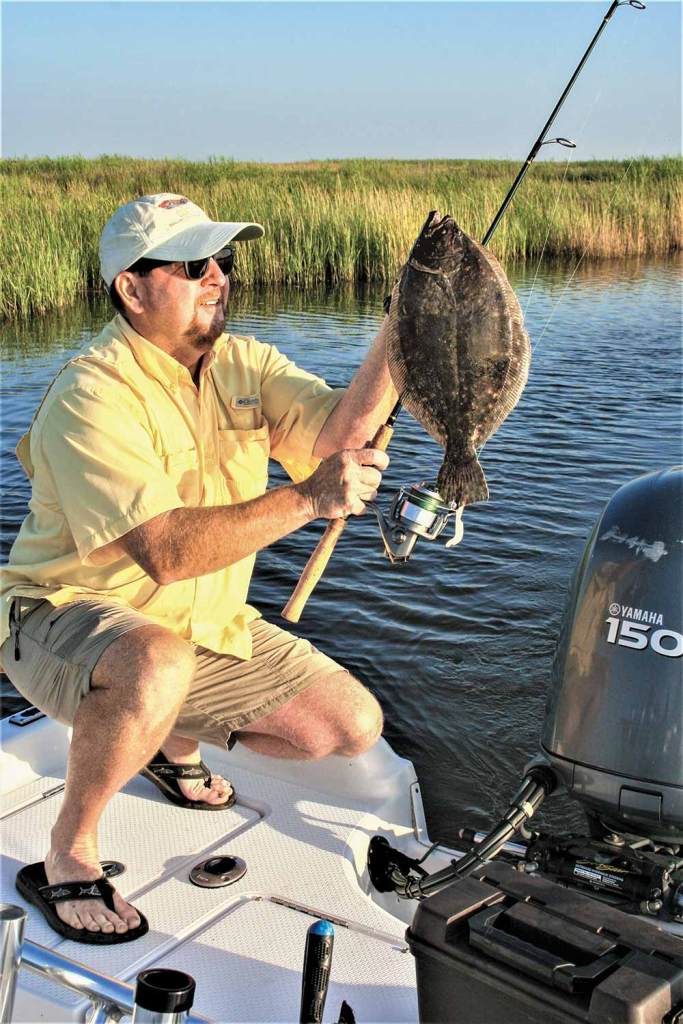
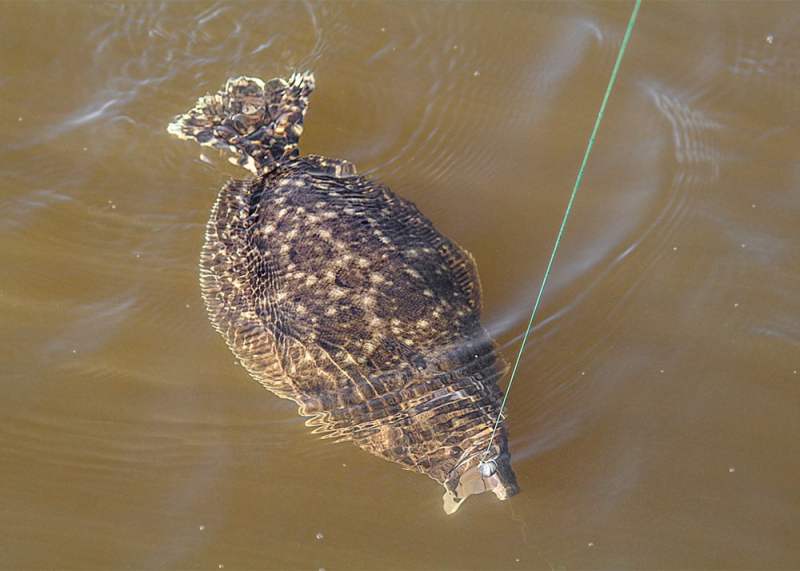
For the modern angler, practicing selective harvest—releasing larger female "doormat" flounder (which carry the highest egg counts) while retaining smaller, male fish for the table—ensures that this world-class fishery remains vibrant for generations to come.
By mastering the seasonal chronology, reading tidal currents, and deploying precise bottom-hugging presentations along drains, passes, and bulkheads, anglers can fully experience the thrill of the fall flounder run before the seasonal closures take effect. Equip yourself with the right swimbaits, dial in your Carolina rigs, and hit the water as the autumn migration reaches its peak.



0 Comments