

Executive Overview
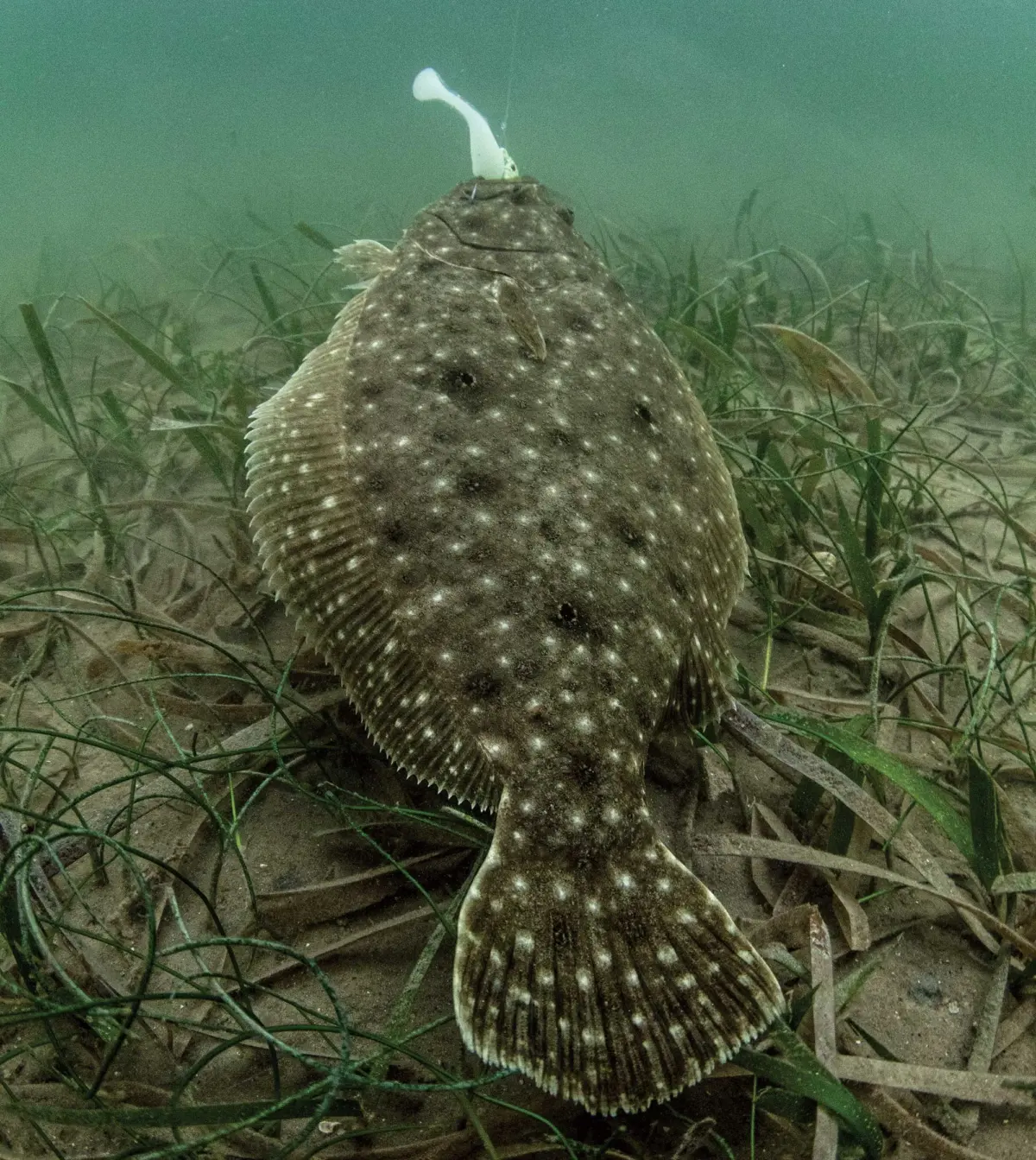
As the scorching heat of the Gulf Coast summer yields to the crisp, descending barometric pressures of early autumn, a magnificent aquatic transformation takes place across the marshlands, bays, and estuaries of Texas and Louisiana. The southern flounder (Paralichthys lethostigma)—one of the most elusive, misunderstood, and prized predators in inshore waters—begins its instinctive mass exodus. Driven by dropping water temperatures and biological imperatives, millions of these flatfish pull away from their shallow summer feeding grounds in the back bays and maneuver toward the deep waters of the Gulf of Mexico.
For the modern inshore angler, this seasonal phenomenon represents a rare window of opportunity. However, it is also a fleeting one. Because of strict state regulatory closures, catch limits, and seasonal prohibitions designed to protect spawning stocks, timing is everything. Anglers must understand not only the biology of the migration but also the exact mechanics of staging areas, current dynamics, and presentation tactics.
This comprehensive guide brings together decades of professional guiding expertise from renowned fisheries like Sabine Lake and Calcasieu Lake. By examining the precise mechanics of "drains," channels, passes, and coastal structures, this report provides a masterclass in how to intercept these ambush predators before regulatory windows snap shut.
Detailed Chronology of the Fall Flounder Run
Understanding the calendar of the migration is the single most critical factor in consistently boxing limit catches of southern flounder. The seasonal movement is not a sudden, simultaneous stampede; rather, it is a calculated, phased progression dictated by moon phases, cold fronts, and shifting tidal volumes.
Phase 1: September – The Early Trickle and Back-Bay Drains
As September arrives, the first wave of northern cold fronts pushes down the continent, sending subtle drops in water temperature across the shallow marshes of the upper Gulf Coast. During this initial phase, flounder begin staging in the back bays, exiting the interior marsh pockets and heading toward the main lake systems.
- The Mechanics of Drains: At this stage, captains look toward outflows, locally known as "drains" or bayou mouths. As the tide pushes in, baitfish—including shrimp, glass minnows, and threadfin shad—are funneled into these bottlenecked areas. Flounder use these drains as natural conveyor belts. They lie in wait on the up-current or down-current edges, depending on the tidal flow, waiting to ambush passing meals.
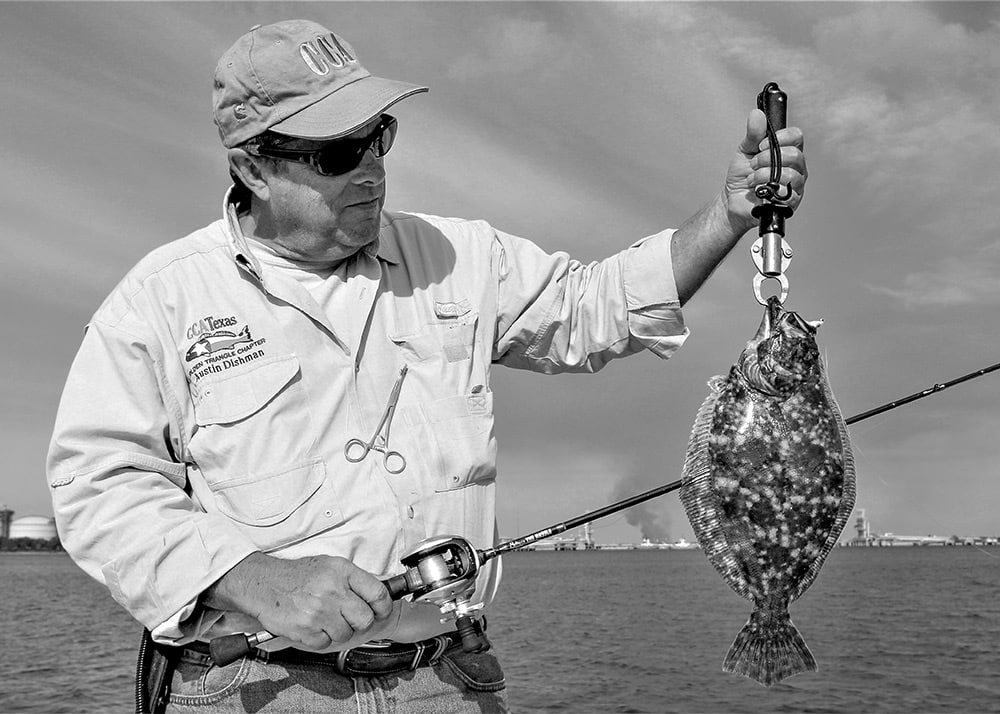
- Targeting the Edges: Captain Jerry Norris, a 40-year veteran guide on Sabine Lake, points out that the mouths of bayous emptying into major lakes are primary staging zones. "When the fall migration of flounder begins, this is one place that I can hit day in and day out and fully expect to reel in several of these tasty fish," Norris explains. These drains act as natural collection points right before the fish transition toward deeper coastal passes.
Phase 2: October – The Peak Pass Migration
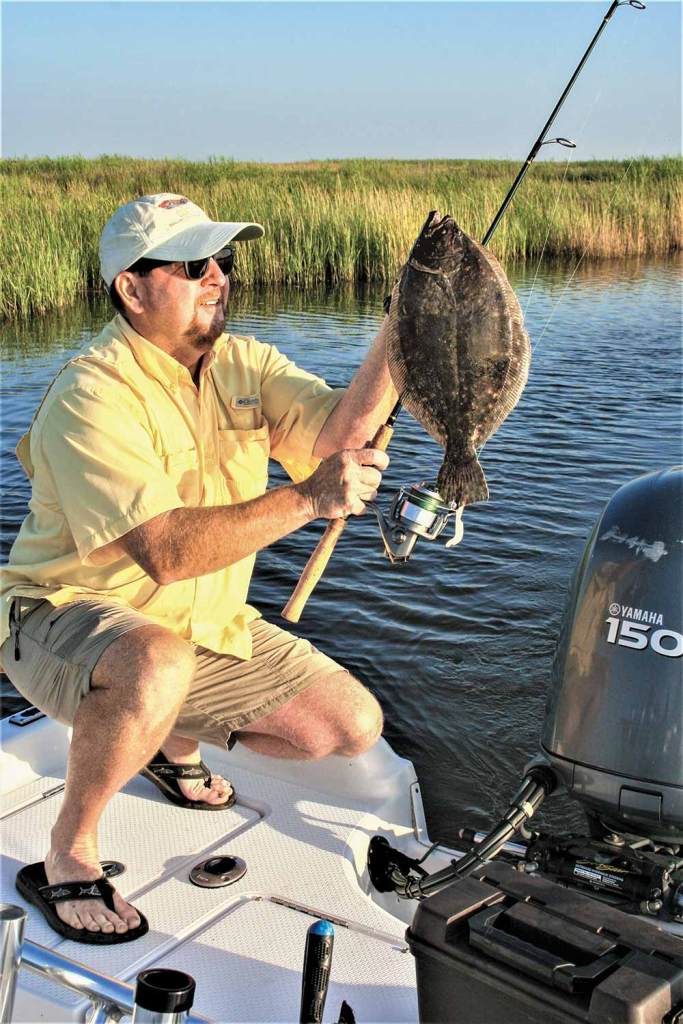
By October, the migration hits its absolute crescendo. The trickle turns into a torrent as larger cohorts of mature, heavy females (often referred to affectionately by coastal anglers as "doormats") join the exodus.
- The Highway of the Passes: During this peak month, the action shifts away from interior marsh drains and centers heavily on major passes, jetties, and major navigational waterways like the Intracoastal Waterway (ICW) and Sabine Pass. Flounder rely on these deep channels and structural pinch points as marine highways leading directly to the Gulf.
- Mobility is Key: Unlike summer fishing, where an angler might anchor over a single shell pad and wait out the fish, October rewards mobility. Elite guides like Bill Panto emphasize covering vast stretches of water. By drifting or slow-trolling through passes and along structured shorelines, anglers can systematically pick apart the migration lanes where fish pause to rest against current breaks.
Phase 3: Late October to November – Offshore Staging and Season Closures
As October winds down and November approaches, the leading edge of the flounder population clears the passes and moves into nearshore waters.
- Nearshore Reefs and Rigs: Once outside the coastal passes, flounder drop down onto hard-bottom structures, artificial reefs, and oil/gas platforms located 1 to 5 miles off the coast in depths ranging from 15 to 25 feet. Here, they finalize their offshore journey to spawn in the high-salinity deep waters.
- The Regulatory Imperative: Because these spawning aggregations make the fish exceptionally vulnerable to overharvest, state wildlife agencies (including Texas Parks and Wildlife and Louisiana Department of Wildlife and Fisheries) enforce stringent seasonal closures, bag limits, and gear restrictions during the peak of the spawn. Anglers must remain hyper-vigilant regarding current local regulations to ensure sustainable fisheries management.
Supporting Context & Metrics: Habitat, Structures, and Hydrodynamics
To consistently catch migrating fall flounder, an angler must think like a flatfish. The southern flounder is an opportunistic, bottom-dwelling ambush predator engineered for high-efficiency hunting in low-energy zones adjacent to moving water.
The Anatomy of a Flounder Ambush Point
Flounder do not actively chase down prey over long distances; instead, they bury themselves lightly in sand, mud, or silt, leaving only their bulbous, independently mobile eyes exposed. From this vantage point, they calculate trajectories against current vectors.
[Incoming Tide] ===> [Marsh Bayou / Drain] ===> [Staging Flat / Bulkhead] ===> [Coastal Pass] ===> [Gulf of Mexico]- Bulkheads and Pilings: Long concrete or wooden bulkheads running along industrial ship channels or residential canals are absolute flounder magnets. In Sabine Pass, pilings running in 5 feet of water parallel to shorelines create distinct current eddies. Flounder consistently stack up immediately down-current of these vertical structures, where the current carves out soft-bottom depressions.
- The Intracoastal Waterway (ICW) Edges: The sharp drop-offs where shallow mud flats meet the deep dredged channels of the ICW serve as marine highways. Flounder ride the sloping contours up onto the flats to feed during high water, then retreat to the safety of the channel break as tides recede.
- Marsh Grass Pockets: Along the winding bayous of Sabine and Calcasieu lakes, tall cane and spartina grass lines feature small, recessed pocket bays. Pitching baits directly into these quiet eddies allows anglers to intercept fish lying in wait for flushed-out mud minnows and glass shrimp.
Official Insights & Tactical Breakdown from Elite Guides
The strategic deployment of baits and lures makes the difference between an empty cooler and a limit box. Industry veterans share their time-tested methodologies for unlocking stubborn fall flounder.
1. Artificial Lures and Swimbait Tactics
For anglers who prefer the active engagement of casting and retrieving artificials, matching the hatch and maintaining bottom contact is non-negotiable.
- The Power of Paddle Tails: Captain Jerry Norris relies heavily on soft-plastic swimbaits featuring aggressive paddle tails, such as the Yum Money Minnow or customized curly-tail grubs by Big Bite Baits. Colors like red shad, glow chartreuse, and red-and-white imitate wounded, bleeding baitfish. "A swimbait with some sort of paddle tail puts out a lot of vibration," notes Norris. "You can scoot it along bottom on a steady retrieve, and flounder will eat it all day long."
- Jig Head Selection: To achieve the proper fall rate in swirling currents, Norris pairs his soft plastics with a light 1/8-ounce Shad Assassin screw-lock jig head. The screw-lock keeps the soft plastic firmly pinned during aggressive strikes, while the ultra-light weight allows the bait to flutter down naturally rather than plunging headfirst into the mud.
- Tipping with Natural Scent: When working marsh edges and grass pockets in stained water (such as East Galveston Bay or Calcasieu Pass), a proven insider trick is using a 5-inch fat grub on a 1/4-ounce jig head tipped with a dime-sized piece of fresh dead shrimp. The combination of visual vibration and natural amino acid dispersion proves irresistible to holding fish.
2. Live Bait Rigging: The Carolina Rig Masterclass
When migration volumes peak in the passes and along ICW flats, live bait—specifically finger mullet, mud minnows, and lively white shrimp—remains the gold standard. However, rigging matters immensely.
- The Carolina Rig Blueprint: Buddy Oaks of the legendary Hackberry Rod and Gun Club on Calcasieu Lake advocates strongly for the classic Carolina rig, adapted from freshwater bass fishing.
- Main Line: Thread your main line through a 1/4- to 1/2-ounce egg sinker (use just enough weight to hold bottom against the current).
- The Connection: Tie the main line to a 20-pound-test barrel swivel.
- The Leader: Attach an 18- to 24-inch fluorocarbon leader to the terminal end of the swivel.
- The Hook: Tie on a 4/0 Kahle hook.
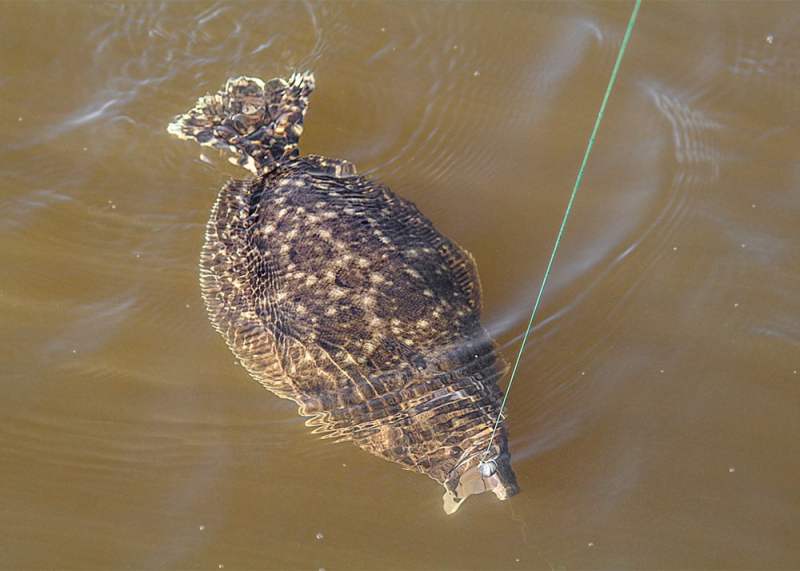
- Why It Works: Flounder possess a unique feeding mechanism; when they engulf a live bait, they often mouth it before swallowing. If they feel the unyielding resistance of a heavy sinker, they will instantly eject ("blow out") the bait. The sliding egg sinker allows the fish to pull line freely without feeling resistance, ensuring a solid hook-up when the line finally tightens.
3. The Slider Float Rig
For covering shallow flats and bulkhead lines without constantly snagging bottom vegetation or oyster shells, the slider rig is exceptionally deadly.
- Configuration: This setup utilizes a small, buoyant surface float that slides freely on the main line, followed by a 2-foot fluorocarbon leader secured with a small split-shot weight and a live-bait hook.
- Presentation: Instead of violently jerking the rod tip—which invariably spooks shallow-water fish—anglers should slowly ease the float across the surface, pausing periodically to let the live shrimp or mullet settle vertically down to the substrate.
Future Outlook: Preservation, Regulations, and the Modern Angler
As coastal development, shifting weather patterns, and fishing pressure continue to evolve across the Gulf of Mexico, the future of the southern flounder fishery relies heavily on progressive conservation policies and adaptive angler behavior.
State fisheries biologists and wildlife agencies across Texas and Louisiana have recognized the vulnerability of migrating adult female flounder during their winter spawning run. In recent years, aggressive regulatory measures—including extended closed seasons during November, reduced daily bag limits, and increased minimum size limits—have been implemented to rebuild depleted spawning stocks.
For the modern sportfisherman, participating in the fall flounder run is no longer just about harvesting a limit; it is about embracing a stewardship mindset. Catch-and-release practices for oversized female "doormats" (fish exceeding 4 to 5 pounds) are becoming increasingly common among ethical anglers, ensuring that these prolific breeders return to the Gulf to spawn future generations.
Summary Checklist for Your Next Flounder Excursion:
- Monitor the Weather: Target the 48-to-72-hour window immediately following a strong autumn cold front.
- Locate the Funnels: Focus your efforts on bayou drains, ICW drop-offs, deep passes, and structured bulkheads.
- Maintain Bottom Contact: Whether utilizing 1/8-ounce swimbait setups or sliding live-bait rigs, ensure your offering flirts continuously with the substrate.
- Respect the Regulations: Always verify current state bag and possession limits before stepping foot on the water, prioritizing sustainable fisheries for seasons to come.

0 Comments