

Executive Overview
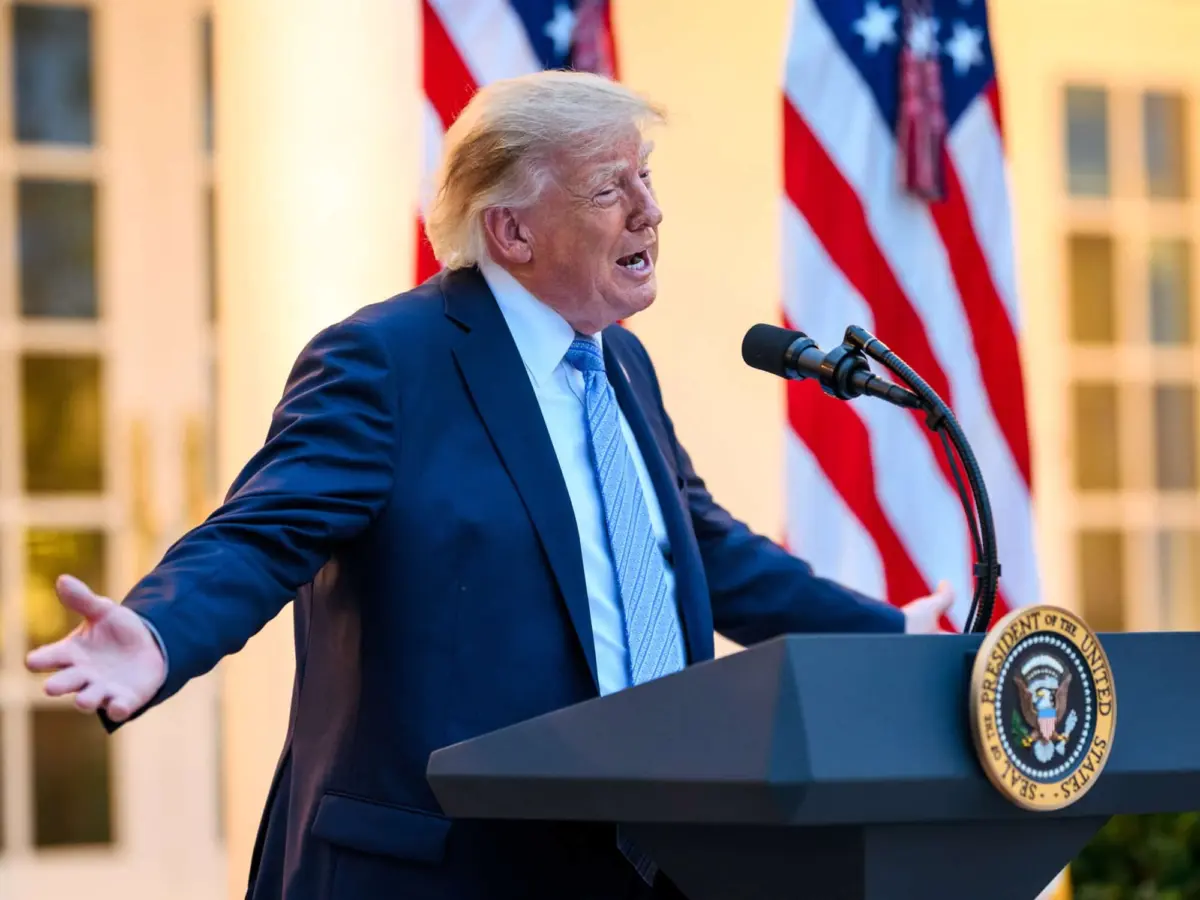
On September 17, during a high-profile ceremony in the White House Rose Garden, President Donald Trump signed a sweeping executive order entitled the “Restoring America’s Saltwater Angling and Recreation” Initiative. The decree establishes a definitive national policy designed to elevate marine recreational fishing within the architecture of federal fisheries management. By directing federal agencies to overhaul data collection methodologies, embrace modernized management frameworks, strengthen cooperative federal-state partnerships, and eliminate unnecessary administrative hurdles to public access, the executive order aims to reshape the relationship between millions of American anglers and the marine ecosystems they utilize.
The announcement was met with widespread jubilation from the nation’s leading conservation groups, manufacturing syndicates, and sportfishing advocacy organizations. For decades, recreational fishing communities have argued that federal regulatory structures—historically dominated by commercial fishing paradigms—failed to adequately capture the economic, social, and conservationist contributions of recreational anglers. This executive order serves as a formal acknowledgment of those grievances, creating a direct pathway toward regulatory modernization.
This in-depth report explores the core tenets of the executive order, examines the economic engine driving America’s outdoor recreation sector, chronicles the historical context of presidential actions regarding sportfishing, details the official reactions from key stakeholders, and projects the long-term implications for the nation’s 15.5 million saltwater anglers and coastal economies.
Detailed Chronology: The Road to the Rose Garden
The signing of the September 17 executive order was the culmination of years of targeted advocacy by a coalition of recreational fishing organizations, industry stakeholders, and bipartisan lawmakers.
The Build-Up: Identifying Regulatory Inefficiencies
For years, leaders within organizations such as the American Sportfishing Association (ASA), the Center for Sportfishing Policy (CSP), and the Coastal Conservation Association (CCA) voiced concerns over outmoded federal fisheries policies. Chief among their complaints was the reliance on antiquated stock assessment models that treated recreational anglers identically to commercial fishing operations. While commercial fisheries are primarily driven by yield optimization and high-volume extraction, recreational fishing is rooted in conservation, tourism, and episodic participation.
Furthermore, data collection systems—such as the National Oceanic and Atmospheric Administration’s (NOAA) Marine Recreational Information Program (MRIP)—had long been criticized for producing volatile, inaccurate catch estimates that frequently resulted in sudden, unexpected closures of popular fishing seasons. These disruptions devastated charter businesses, tackle manufacturers, marinas, and coastal hospitality industries.
The White House Announcement
Against this backdrop, the Trump administration coordinated with industry leaders to draft an executive order tailored to address these structural impediments. In the twilight hours of September 17, in the historic setting of the White House Rose Garden, President Trump officially unveiled the initiative.
The directive immediately instructed federal resource agencies—principally the Department of Commerce and the Department of the Interior—to review existing regulations, identify points of friction, and implement sweeping reforms consistent with existing federal statutes. The explicit goals outlined in the text included:
- Elevating marine recreational fishing as a national priority in federal decision-making.
- Pursuing innovative, science-based data collection methods to replace flawed legacy systems.
- Strengthening state-federal management partnerships to ensure local knowledge influences federal waters.
- Streamlining the permitting process for habitat restoration and recreational access projects.
- Optimizing the disbursement and impact of Dingell-Johnson Sport Fish Restoration funds.
Supporting Context & Metrics: The Economic Powerhouse of Outdoor Recreation
To fully understand the weight of the executive order, one must examine the staggering economic footprint of the American outdoor recreation economy, particularly within the marine sportfishing and boating sectors.
Macroeconomic Impact
According to data compiled by the outdoor recreation industry and referenced within the administration’s policy framework, the broader American outdoor recreation sector is a colossal economic engine. It generates more than $1.2 trillion annually, supports approximately 5.2 million American jobs, and accounts for 2.4 percent of the total U.S. Gross Domestic Product (GDP).
Within this massive economic umbrella, recreational boating and fishing stand out as the nation’s largest conventional outdoor recreation activities, collectively contributing $38.4 billion in value-added economic impact.
Saltwater Sportfishing Specifics
Zooming in specifically on saltwater environments, the metrics are equally impressive:
- Sales Impacts: Saltwater recreational fishing alone generates an estimated $145.4 billion in economic sales impacts nationwide.
- Employment: The sector supports nearly 700,000 jobs, ranging from boat manufacturers, marine mechanics, and tackle designers to charter captains, bait-shop owners, and coastal hotel operators.
- Angler Demographics: The United States is home to approximately 15.5 million saltwater recreational anglers, a diverse demographic spanning every coastal state and drawing millions of inland tourists to coastal communities annually.
Historical Precedent: A Bipartisan Legacy
The September 17 executive order did not emerge in a vacuum; rather, it represents the latest chapter in a multi-decade, bipartisan history of presidential recognition of recreational fishing’s unique value:
- President Bill Clinton (1995): Issued Executive Order 12962, which officially established recreational fishing as a federal policy priority, directing federal agencies to improve aquatic systems and expand recreational fishing opportunities.
- President George W. Bush (2008): Strengthened the 1995 framework by issuing an amendment that explicitly protected recreational fishing as a sustainable, legitimate activity across federal lands and waters, pushing back against overzealous preservationist closures.
- President Donald Trump (2020): Elevated these protections specifically for saltwater environments, directly addressing modern challenges such as data accuracy, technological innovation, and state-federal regulatory friction.
Official Statements and Industry Reactions
The executive order drew immediate, effusive praise from the leadership of the nation’s premier conservation, manufacturing, and angling advocacy organizations. The consensus among stakeholders was clear: the directive provides the political will necessary to enact long-overdue bureaucratic reforms.
Jeff Angers, President of the Center for Sportfishing Policy
"This Executive Order is a historic recognition of what millions of American anglers and coastal communities have known for decades: marine recreational fishing deserves a management system built for the way Americans fish. By prioritizing better data, stronger state partnerships and modern management approaches, President Trump’s order builds on our conservation gains creating a path to more reliable access and opportunity in America’s oceans."
Angers further emphasized the human element of the policy shift, noting: "President Trump is sending a clear message that America’s saltwater anglers matter. Better data, modern management and stronger state partnerships can deliver what anglers and coastal communities have needed for years: healthier public fisheries and more reliable access to them."
Glenn Hughes, President and CEO of the American Sportfishing Association
As the primary voice of the sportfishing industry, the ASA has spent decades lobbying for regulatory sanity. Hughes expressed profound gratitude for the administration’s decisive intervention:
"The American Sportfishing Association thanks President Trump for this decisive action to improve management and data collection for America’s saltwater fisheries. This Executive Order will have long-term benefits for the sportfishing industry and America’s 15.5 million saltwater recreational anglers."
Frank Hugelmeyer, President and CEO of the National Marine Manufacturers Association (NMMA)
Highlighting the inextricable link between access to water and the health of American manufacturing, Hugelmeyer underscored the broader commercial ripple effects of the order:
"Recreational boating and fishing are the foundation of America’s outdoor heritage and an important driver of our nation’s recreation economy. Today’s actions further reaffirm the importance of ensuring Americans can access and enjoy our nation’s waters. Access supports American manufacturing, jobs and small businesses across the country. Thank you to President Trump and his administration for recognizing the value of outdoor recreation and the American industries and communities it supports."
Pat Murray, President and CEO of the Coastal Conservation Association (CCA)
Focusing on the necessity of localized management, Murray pointed out the critical role that state agencies play in safeguarding marine resources:
"We’re grateful the Administration has taken this opportunity to emphasize the social and economic importance of recreational fishing. State-based management has never been more important for our federal fisheries, and we applaud this critical need being highlighted in this Executive Order."
Jeff Crane, President and CEO of the Congressional Sportsmen’s Foundation (CSF)
Crane turned attention to the historic conservation ethic embodied by American sportsmen and sportswomen:
"America’s anglers were among the nation’s first and most dedicated conservationists, and this Executive Order recognizes that commitment while charting a path towards increased access to healthy fisheries. We thank President Trump for elevating recreational fishing as a national priority and look forward to working with the Administration to turn these directives into meaningful results on the water."
Future Outlook: Translating Directives into Action on the Water
While the signing ceremony in the White House Rose Garden provided the political milestone, the true test of the "Restoring America’s Saltwater Angling and Recreation" Executive Order lies in its implementation. As industry groups and federal bureaucrats transition from policy formulation to tactical execution, several key areas will demand rigorous oversight and collaboration.
1. Reforming Data Collection and Stock Assessments
The primary directive—improving the quality, timeliness, and transparency of fisheries data—must move past bureaucratic studies. NOAA Fisheries and regional councils will need to aggressively integrate private angler catch-reporting apps, electronic logbooks, and state-led monitoring programs into official stock assessments. Moving away from rigid, legacy models toward dynamic, real-time data will prevent the draconian emergency closures that have historically punished anglers for data collection errors rather than actual ecological decline.
2. Streamlining Permitting for Habitat and Access
Federal red tape has historically delayed critical conservation projects, artificial reef deployments, boat ramp expansions, and marsh restoration efforts. By streamlining the permitting process under the National Environmental Policy Act (NEPA) and related statutes, federal agencies can accelerate projects that directly improve fish habitat and expand public waterfront access.
3. Maximizing Dingell-Johnson Funding Efficiency
The Dingell-Johnson Sport Fish Restoration Act, funded by excise taxes on fishing equipment and motorboat fuels, is the lifeblood of state-level fisheries conservation and boating access infrastructure. Ensuring that these funds are delivered efficiently and without administrative bottlenecks will empower state natural resource agencies to enhance local fisheries management, stock enhancement programs, and public fishing pier developments.
4. Fortifying State-Federal Partnerships
Federal fisheries management in Exclusive Economic Zones (EEZs) often clashes with state-water regulations, creating a confusing patchwork of rules for anglers navigating coastal waters. The executive order mandates stronger coordination, paving the way for more seamless, regionally tailored management plans that respect local ecological conditions and state-level management expertise.
Conclusion
The September 17 executive order represents a watershed moment for marine recreational fishing in the United States. By formally aligning federal policy with the socio-economic reality of a $145.4 billion saltwater angling economy, the Trump administration has established a framework that honors conservation, supports small businesses, and protects an essential element of the American outdoor heritage. As federal agencies roll out their compliance directives over the coming months and years, the nation’s 15.5 million saltwater anglers stand poised to enter a new era of modernized management, healthier public fisheries, and guaranteed access to America’s marine treasures.

0 Comments