

Executive Overview
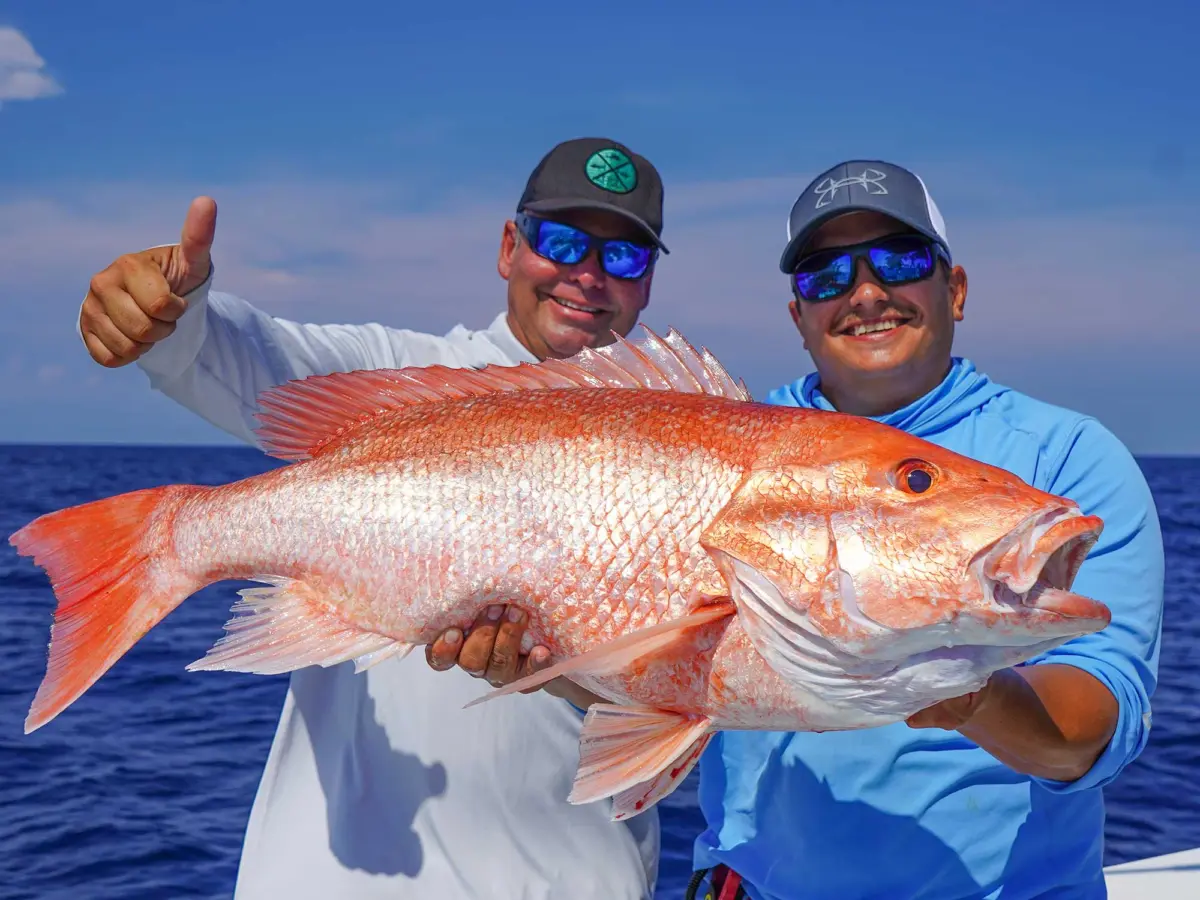
The long-standing, high-stakes battle over red snapper management in the South Atlantic has entered a critical new phase. Following a devastating legal blow that shuttered eagerly anticipated recreational summer seasons earlier this year, wildlife and fisheries authorities in Florida, Georgia, and South Carolina are fighting to salvage the angling calendar. Through a newly coordinated initiative, these three states have officially proposed a tightly monitored, month-long recreational red snapper season scheduled for October 1-31, with the potential for additional harvest windows in December.
This latest push is not merely about securing a brief window of opportunity for weekend anglers and charter captains; it represents a calculated challenge to the status quo of federal fisheries management. For over a decade and a half, recreational red snapper harvest in federal waters of the South Atlantic has been restricted to erratic, chaotic, and heavily criticized "derby" seasons lasting only a day or two. These ultra-short openings are driven by federal data collection models that many state managers, scientists, and anglers argue are fundamentally broken.
To break this cycle, the states are utilizing Exempted Fishing Permits (EFPs) to field-test innovative, state-run data collection and reporting frameworks. However, these efforts face formidable headwinds. Commercial fishing advocacy groups have already proven their willingness to use the federal court system to halt recreational access, having successfully blocked the planned 2026 summer seasons via a federal injunction issued just hours before lines were scheduled to hit the water.
Time is now of the essence. NOAA Fisheries has opened a public comment period allowing stakeholders to voice their support for the proposed fall seasons, but the deadline is fast approaching on August 25. With millions of dollars in coastal tourism revenue, countless charter operations, and the future of regional fisheries management hanging in the balance, the angling community is mobilizing for what could be a defining moment in South Atlantic marine stewardship.
Detailed Chronology: From Summer Injunctions to Fall Proposals
To fully understand the significance of the October 2026 proposal, one must examine the turbulent sequence of events that brought the South Atlantic red snapper fishery to this precarious juncture.
The Rise and Fall of the 2026 Summer Seasons
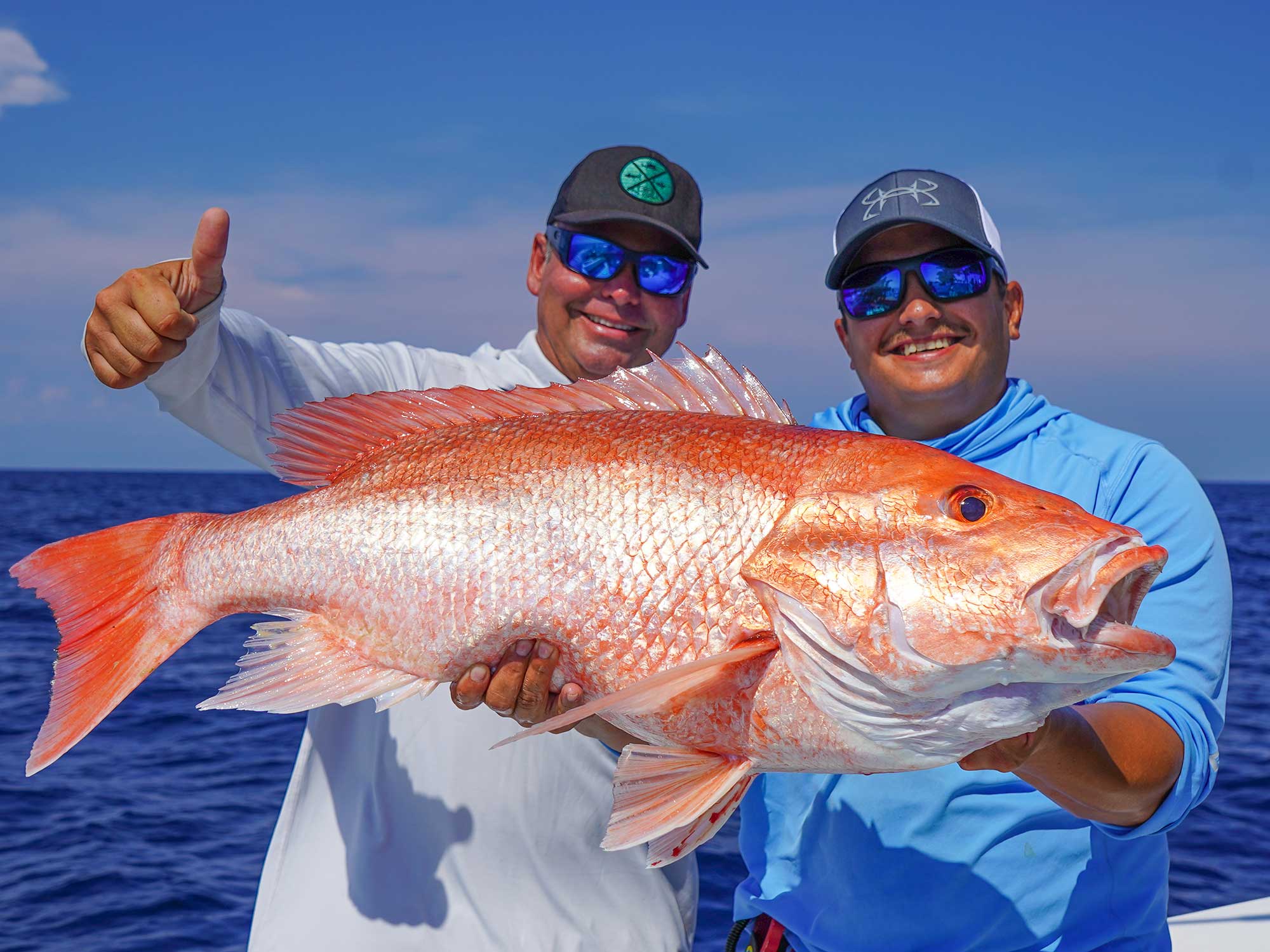
For years, anecdotal reports from divers, commercial fishermen, and recreational anglers alike have pointed to an undeniable reality: red snapper populations in the South Atlantic are booming. Yet, despite oceans seemingly swarming with the iconic reef fish, recreational anglers have been constrained by hyper-conservative federal limits.
Hoping to bypass the systemic flaws of traditional federal management, fish and wildlife agencies in North Carolina, South Carolina, Georgia, and Florida submitted comprehensive proposals to NOAA Fisheries for Exempted Fishing Permits (EFPs). These permits were designed to establish pilot programs permitting controlled summer recreational red snapper seasons. The primary objective of these EFPs was dual-purposed: provide long-overdue access to a thriving fishery while simultaneously testing advanced, highly accountable state-run data-collection systems.
NOAA Fisheries ultimately approved the EFP applications, setting the stage for what many believed would be a turning point in regional fisheries access. Charter operations across the Southeast began aggressively booking trips, and private boat owners prepped tackle in anticipation of a legitimate, multi-day summer fishery.
The Legal Interruption
The momentum came to a screeching halt when commercial fishing interests, spearheaded by the Southeastern Fisheries Association, filed a lawsuit challenging the legality of the EFPs. The plaintiffs argued that the experimental seasons threatened conservation goals and overstepped regulatory bounds.
The legal challenge culminated on May 21—just hours before Florida’s summer season was officially scheduled to open. A federal judge in Washington, D.C., sided with the commercial interests, issuing an injunction that instantly brought the 2026 recreational red snapper seasons to a dead stop across North Carolina, South Carolina, Georgia, and Florida.
The Pivot to Autumn
Refusing to accept a completely lost year, state resource managers went back to the drawing board. Crafting a revised strategy explicitly modified to address the legal concerns raised in the federal court decision, Florida, Georgia, and South Carolina formulated a new path forward centered on an October harvest window. (North Carolina opted not to submit an EFP proposal for the fall cycle.)
The resulting proposals establish a strict framework designed to satisfy federal oversight while granting anglers a meaningful opportunity to harvest fish. Now, the fate of this hard-fought initiative rests in the hands of federal regulators—and the willingness of the angling public to make their voices heard before the August 25 comment deadline.
Supporting Context & Metrics: The Data Dilemma and Proposed Rules
At the heart of the South Atlantic red snapper conflict lies a fundamental disagreement over data collection, accuracy, and accountability.
The MRIP Problem
For more than 15 years, federal regulators have managed the South Atlantic red snapper fishery using data derived from the Marine Recreational Information Program (MRIP). Critics across the recreational fishing community and state agencies have long maintained that MRIP is woefully inadequate for managing regional reef fish stocks. Designed primarily for broad-scale trends, MRIP’s telephone and mail survey methods often fail to capture the high-frequency, localized realities of modern recreational bottomfishing.
Because accurate, high-resolution data on recreational landings, fishing effort, and discard mortality does not exist under the legacy federal system, NOAA has historically relied on ultra-conservative management measures—limiting anglers to agonizingly brief, one- or two-day derby seasons that inevitably lead to chaotic pressure spikes and high rates of fish discard mortality.
The State-Run Solutions
The newly proposed fall seasons are explicitly designed to replace guesswork with empirical precision. Under the EFP framework, Florida, Georgia, and South Carolina are implementing rigorous, localized reporting protocols to prove that recreational harvest can be accurately tracked and managed in real-time.
- Florida: Florida will leverage its existing, mandatory State Reef Fish Survey (SRFS). Already required for anglers targeting reef fish species in state and federal waters, this free program provides a robust platform for tracking harvest rates and intercepting data.
- Georgia and South Carolina: Private anglers in these two states will be required to electronically register and declare their red snapper trips prior to departure using the specialized VESL app. Furthermore, anglers must submit comprehensive trip reports within 24 hours of returning to the dock, detailing total harvest, number of discards, and exact hours fished.
Proposed Bag Limits, Size Restrictions, and Gear Mandates
To ensure conservation targets are strictly met during the October 1–31 window (with potential December extensions), the states have established stringent rules:
- Bag Limits: All three states have capped the daily harvest at one red snapper per person, per day. Crucially, captains and crew members operating for-hire (charter) vessels are explicitly prohibited from retaining bag limits during these trips.
- Size Limits: South Carolina has proposed a 20-inch minimum size limit for retained fish. Notably, neither Georgia nor Florida has proposed a minimum length requirement for the fall season.
- Aggregate Limits: In Florida, the single red snapper harvested will count directly toward a strict 10-fish snapper-grouper aggregate limit, meaning anglers must immediately cease bottomfishing once that combined threshold is reached.
- Gear Requirements: To minimize post-release mortality, all three participating states will mandate the mandatory use of non-offset circle hooks and functional descending devices on every vessel targeting reef fish.
- Compliance Verification: State wildlife agencies will deploy targeted dockside enforcement teams to conduct creel surveys, verify valid licensing, and cross-reference self-reported app data against physical landings.
Official Statements and Stakeholder Perspectives
The debate over the South Atlantic red snapper fishery exposes deep ideological fault lines between commercial fishing advocates, recreational angling organizations, and federal regulators.
Commercial fishing coalitions, represented by groups like the Southeastern Fisheries Association, view the expansion of recreational seasons—even under experimental EFPs—as a direct threat to the rebuilding plan of a stock that spent decades overfished. Commercial stakeholders argue that uncontrolled recreational effort poses an unquantified risk to the ecosystem, pointing out that private recreational anglers outnumber commercial permit holders exponentially and possess the collective capacity to rapidly exceed annual catch limits if data collection lags.
Conversely, recreational fishing advocates and state resource managers argue that the commercial sector is leveraging an antiquated federal data collection system to monopolize access to a booming resource. In public statements released following the May injunction, representatives from state wildlife agencies emphasized that refusing to grant recreational access based on flawed MRIP data is both scientifically indefensible and economically damaging to coastal communities.
"We have an absurd reality where fishermen are watching massive schools of red snapper swarm artificial reefs and natural ledges, yet federal policy tells them they cannot bring a single fish home," noted one regional fisheries policy analyst. "The states are attempting to build a better mousetrap through verifiable electronic reporting. If we aren’t allowed to test these new data systems, we will remain trapped in this endless loop of one-day seasons forever."
Future Outlook: What’s at Stake and How to Participate
The implications of the October 2026 EFP proposal extend far beyond a single month of fishing. If Florida, Georgia, and South Carolina successfully demonstrate that state-run electronic reporting and rigorous dockside validation can maintain sustainable harvest levels, it could establish a transformative blueprint for recreational fisheries management nationwide. It would prove that localized, accountable data collection can supersede broad, generalized federal models, paving the way for predictable, long-term access to healthy reef fish populations.
However, if the initiative fails—whether through administrative rejection, commercial legal challenges, or poor angler compliance—the outlook for South Atlantic red snapper anglers remains bleak. The fishery would likely default back to the frustrating status quo of unpredictable derby openings, compounding economic losses for tackle shops, marinas, and charter captains who rely on predictable seasonal tourism.
Action Required: The August 25 Deadline
The immediate battleground is bureaucratic. NOAA Fisheries is currently accepting public comments on the proposed fall season EFP modifications. The collective voice of the angling community is vital to counterbalancing well-funded commercial opposition.
- Action Step: Anglers, conservationists, and marine industry stakeholders are urged to submit formal public comments in support of the Florida, Georgia, and South Carolina fall red snapper proposals.
- Deadline: Comments must be submitted before midnight on August 25.
- Where to Comment: Submissions can be filed directly online through the official federal portal via the NOAA Fisheries Regulations Docket.
The decisions made in the coming weeks will determine whether October 2026 marks the dawn of a progressive, data-driven era for South Atlantic recreational fishing, or merely another chapter in a protracted regulatory stalemate. For those who live for the pull of a hard-fighting snapper over a deep-water ledge, the time to make your voice heard is now.

0 Comments