

Executive Overview
For the dedicated angler, traveling thousands of miles and investing significant capital into a dream fishing expedition means that a shifting barometer, sudden squalls, or oppressive tropical humidity will never be allowed to dictate success. Coastal and offshore marine environments are notoriously fickle. Within the span of a single tide, conditions can pivot dramatically from bone-chilling dampness to blistering solar radiation, and from gale-force winds to breathless calms.
Historically, surviving—let alone thriving—in these dynamic conditions required heavy, unyielding garments that often traded mobility and comfort for protection. However, a quiet revolution has swept through the performance apparel industry. Modern inner layers, technical mid-layers, and advanced outer shells now combine cutting-edge material science with ergonomic design to actively regulate body temperature and moisture. Today’s high-performance marine wear does not merely shield the wearer from the elements; it creates a personalized, highly adaptive microclimate. Whether casting on a sun-scorched flat, fighting a marlin sixty miles offshore, or enduring a northern gale, the modern angler’s greatest defense against the unpredictable whims of Mother Nature is a sophisticated, layered clothing system.
Detailed Chronology: The Evolution of Marine Gear
To truly appreciate the advanced textiles worn on the water today, it is instructive to examine how angler outfitting has evolved over the past century.
The Era of Heavy Rubber and PVC (Mid-to-Late 20th Century)
For decades, foul-weather gear was synonymous with heavy-duty protection at the expense of comfort. Pioneered by legacy brands like Grundéns—which celebrates its centenary in 2026—early gear relied heavily on thick, blaze-orange polyvinyl chloride (PVC) and rubberized canvas. While these classic bibs and jackets were virtually impenetrable to driving rain and commercial-grade salt spray, they lacked breathability. Anglers effectively operated inside a personal sauna, trapping perspiration and risking physical exhaustion or chilling when physical exertion ceased.
The Breathable Membrane Revolution (Late 1990s–2010s)
The introduction of micro-porous waterproof-breathable membranes fundamentally transformed outdoor and marine clothing. Manufacturers began utilizing laminated fabrics that blocked liquid water droplets from penetrating the exterior while allowing microscopic water vapor molecules (sweat) to escape. This era marked the birth of modern fishing jackets and technical rainwear, drastically reducing bulk and extending comfortable hours on the water.
The Smart-Fabric and Phase-Change Era (Present Day)
Today, performance clothing has moved far beyond passive wind and water resistance. Current-generation gear incorporates proactive thermoregulation, leveraging phase-change materials (PCMs) that absorb, store, and release heat dynamically. Modern shoes utilize micro-sipped rubber compounds derived from advanced traction engineering, while shirts integrate targeted mechanical ventilation and anti-microbial cooling tech. The contemporary marine wardrobe is no longer just a collection of clothes; it is an integrated, responsive technology ecosystem designed to protect human performance in extreme environments.
Supporting Context & Metrics: Decoding the Marine Microclimate
When evaluating the necessity of advanced technical gear, industry metrics highlight the severe physiological stresses placed on anglers operating without proper apparel:
- Solar Radiation Risks: Anglers stationed on open water experience compounding UV exposure due to surface reflection. Standard cotton fabrics often drop below UPF 15 protection when wet, whereas technical performance shirts maintain strict ultraviolet protection factor ratings (UPF 50+), blocking over 98% of harmful radiation.
- Thermal Regulation Thresholds: High-output physical activity—such as clearing lines, fighting pelagic fish, or moving rapidly across choppy flats—can cause the human body to generate upwards of 500 watts of thermal energy. Without moisture-wicking and heat-dissipating garments, core body temperature spikes can lead to premature fatigue, dehydration, and heat illness.
- Packability and Travel Metrics: With international air travel imposing strict luggage weight limits, modern travel-friendly technical suits (such as low-bulk rain shells) must pack down to a fraction of their volume. Premium lightweight gear now compresses into dedicated travel pouches or carry-on compartments without sacrificing seam-taped waterproof integrity.
Gear Breakdown: Optimizing for Every Environment
To navigate the diverse extremes of global fishing destinations, a specialized wardrobe must be curated across three distinct environmental categories: tropical heat, bluewater offshore, and severe northern foul weather.
1. Conquering the Tropics: Heat, Humidity, and Sudden Squalls
Heat is arguably the most insidious weather condition anglers face. Baking under equatorial sun while wrapped in oppressive humidity is a direct path to heat stroke, dehydration, and severe skin damage.
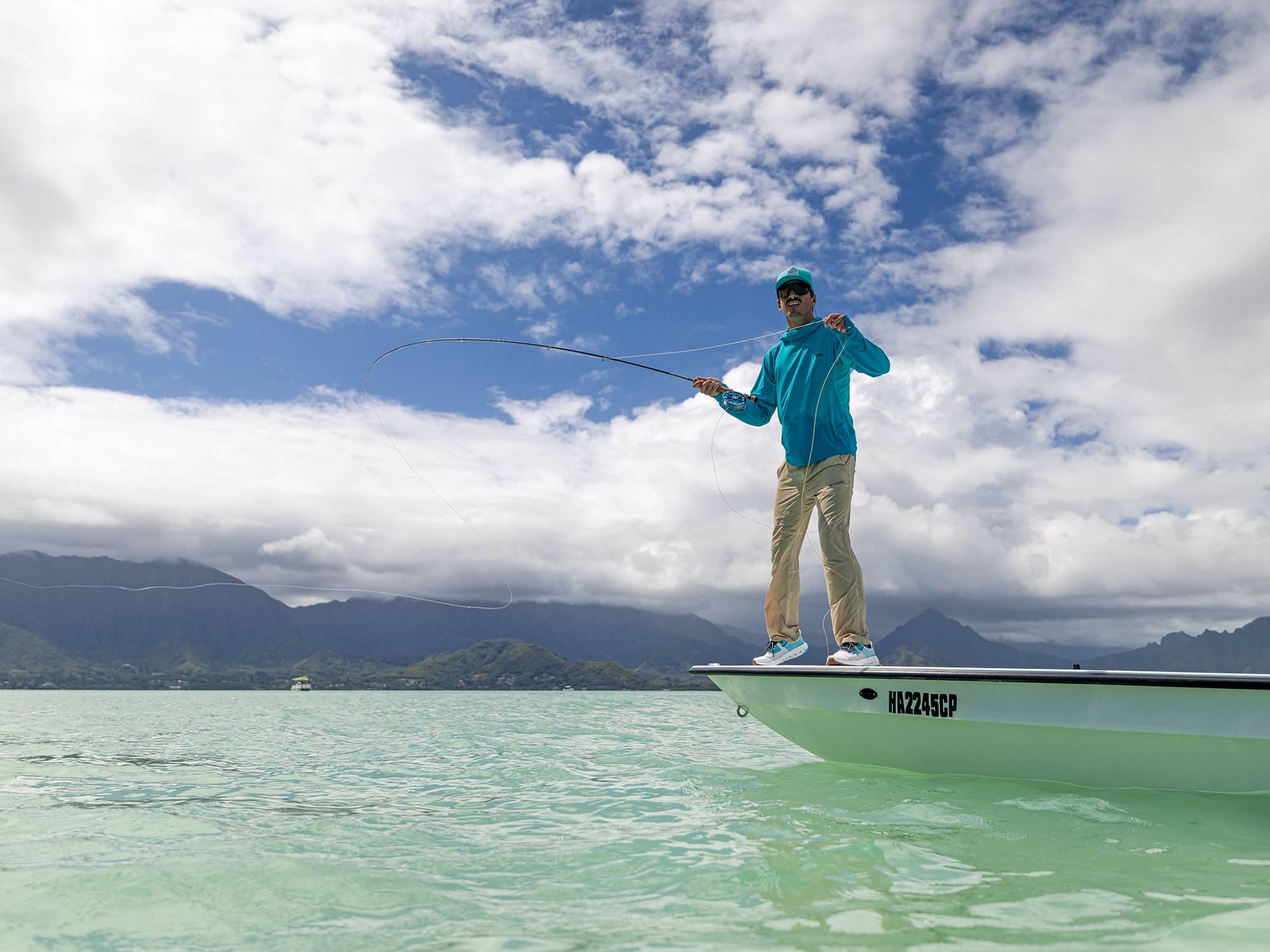
- Total Skin Coverage & Airflow: The primary defense against solar overload is complete, lightweight coverage. Combinations like the Twelve Weight Back Channel shirt paired with Columbia PFG Pro Pants offer targeted protection. The Back Channel shirt utilizes strategic mesh panels built into the sides and back, coupled with an unrestrictive relaxed fit that maximizes convective airflow. Meanwhile, the Columbia PFG Pro Pants feature advanced cooling technology alongside water- and stain-repellent treatments. A standout feature for flats anglers is the integrated adjustable drawstring at the pant cuff, ensuring ankles remain covered even during deep wading or high-stepping on the casting platform.
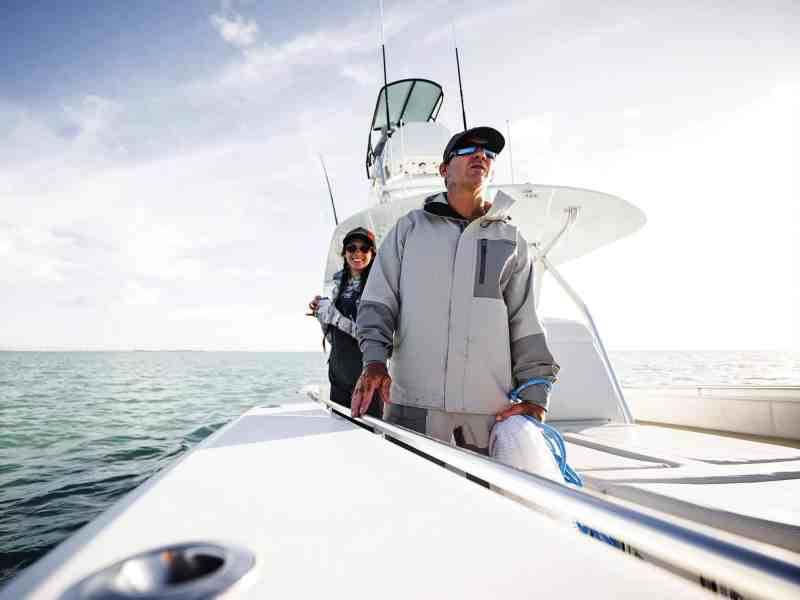
- Packable Tropical Rain Suits: Tropical climates are defined by rapid, violent afternoon thunderstorms. Lightweight, low-bulk rain suites—such as Gill’s Aspect 2.0 jacket and bibs—fill this niche perfectly. Featuring fully taped seams, optimized hood designs that promote airflow rather than trapping heat, and tough fabrics capable of shaking off fish slime and grit, these suits compress effortlessly into a standard airline carry-on.
2. Bluewater Mastery: Adapting to Offshore Extremes
When an angler is positioned sixty miles offshore, running from weather is rarely an option. Bluewater performance gear must be remarkably versatile, adapting fluidly to freezing morning runs, blazing midday lulls, and sudden cockpit chaos.
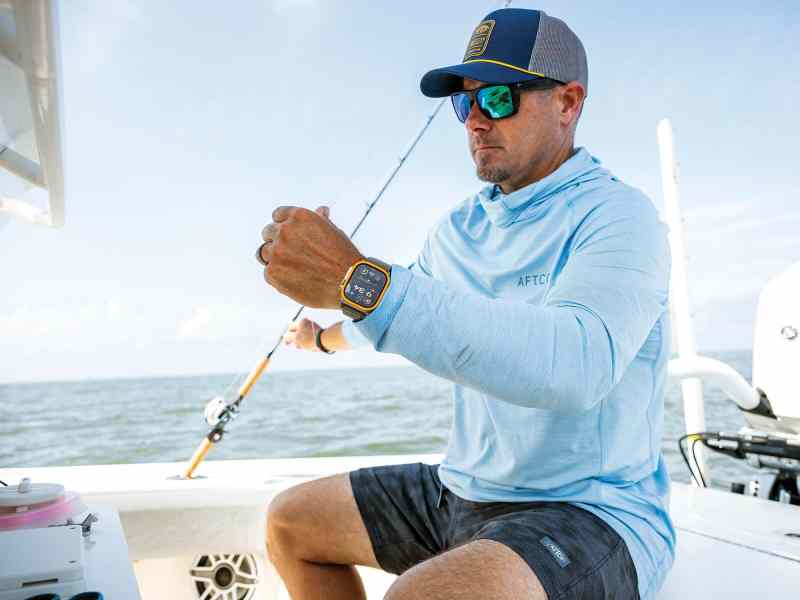
- Phase-Change Technology: The pinnacle of adaptive offshore wear is exemplified by garments like the AFTCO Adapt Tactical Phase Change shirt. Utilizing sophisticated phase-change textile engineering, the fabric dynamically cools or warms the wearer depending on environmental shifts. During a high-speed, chilly morning run offshore, the fabric retains body heat beneath a sweatshirt; once throttles are pulled back at the fishing grounds and the sweatshirt is shed, the fabric actively releases stored heat to lower the wearer’s microclimate temperature.
- Mobility-Driven Shorts and Footwear: For intense billfish battles where anglers must back down hard on fish over the transom, freedom of movement is paramount. Huk A1A Pro shorts offer high-stretch flexibility and rapid drying times, complete with a secure, grippy waistband that prevents sagging when drenched, and a secure zippered pocket for mobile devices. Footwear is equally critical: Strike Footwear Bluefin Sneakers utilize molded footbeds and responsive EVA midsoles for all-day standing support, while micro-sipped, channeled rubber outsoles deliver unwavering traction on slimy, rolling decks.
3. Enduring "Snotty" Northern Weather
When northern climates turn hostile, the true mettle of an angler’s clothing system is tested. Success relies on a meticulously planned layering philosophy where each component functions seamlessly as both an inner and outer layer.
- Thermal Mid-Layers: The foundational mid-layer for cold-weather systems is often a garment like the Mustang Torrens Hooded Thermal Jacket. Featuring hydrophobic, wind-resistant material and vented underarm panels, it functions brilliantly as a standalone fleece on crisp days, yet remains trim enough to slide effortlessly beneath heavy foul-weather bibs when conditions deteriorate.
- Century-Grade Protection and Footwear: Commemorating a century of angler-focused design, modern legacy gear pairs historical durability with contemporary comfort. Grundéns Deck Boss boots, for instance, integrate shock-absorbing EVA midsoles and flexible neoprene upper supports that move naturally with the foot, complete with anti-odor cooling technology for multi-day excursions.
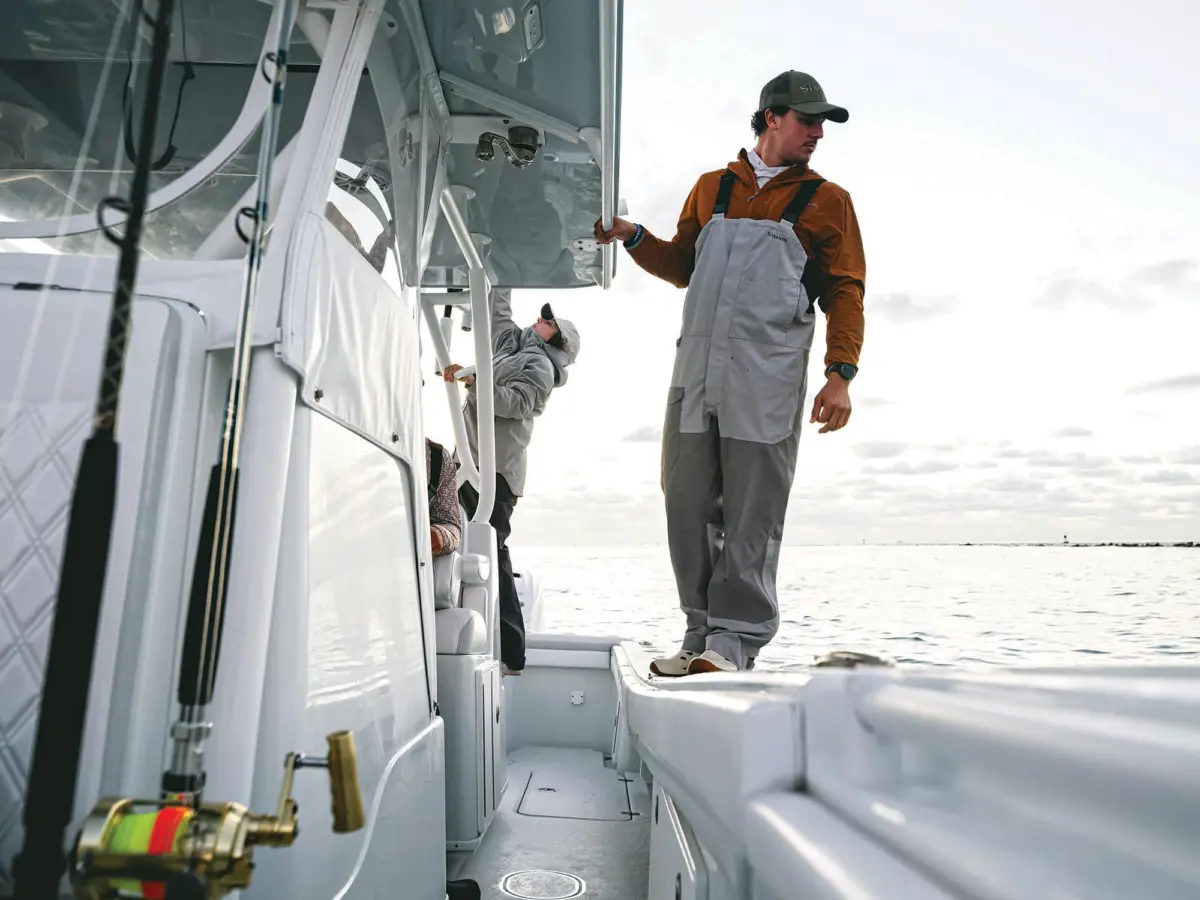
- Advanced Outer Shells: For ultimate defense against relentless northern gales and horizontal sleet, systems like Simms’ Challenger Fishing Jacket and Bibs utilize four-way stretch waterproof-breathable fabrics. These garments move naturally with the angler during aggressive maneuvers—such as casting heavy nets or fighting large fish—without binding or riding up. Combined with three-way adjustable hoods, they ensure anglers remain bone-dry without overheating from their own exertion.
Official Statements and Industry Insights
Industry leaders emphasize that the intersection of textile science and outdoor passion has reached an unprecedented zenith.
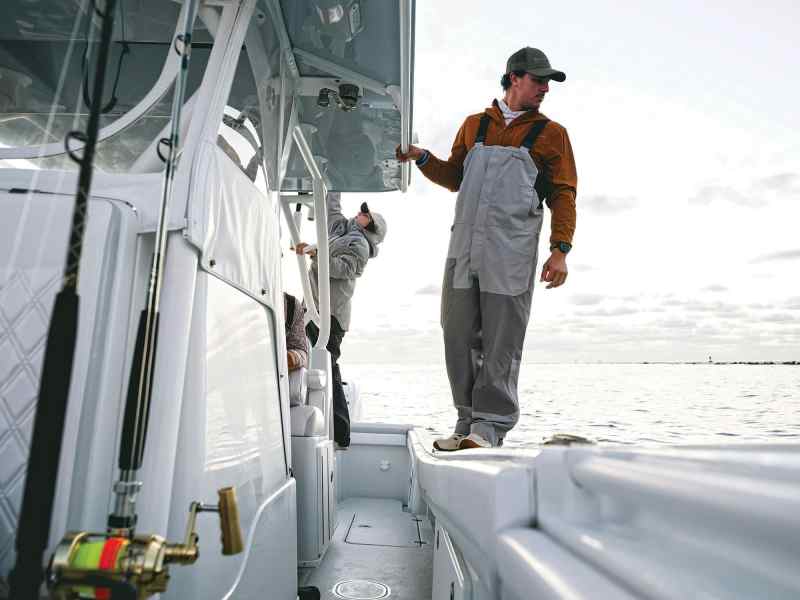
"When anglers invest their time and resources into traveling to remote fisheries, environmental friction should never be the limiting factor of their success," notes a leading product development specialist in marine technical wear. "Our objective in modern apparel engineering is invisible protection. The wearer should feel completely insulated from external variables—whether that is sub-zero spray or blinding tropical ultraviolet rays—while experiencing zero restriction in their physical mobility."
Textile engineers further point out that future advancements will increasingly focus on bio-mimetic materials—fabrics that mimic natural cellular structures to open and close pores autonomously based on real-time skin humidity and external barometric pressure.
Future Outlook
As climate patterns grow increasingly volatile and fishing tourism expands into more extreme environments, the demand for high-performance, multi-climate apparel will only accelerate. The future of marine clothing points toward hyper-specialized, sustainable textiles manufactured from recycled ocean plastics without compromising technical integrity. Smart-threads embedded with biometric sensors to monitor core body temperature and hydration levels in real-time are already entering prototype phases.
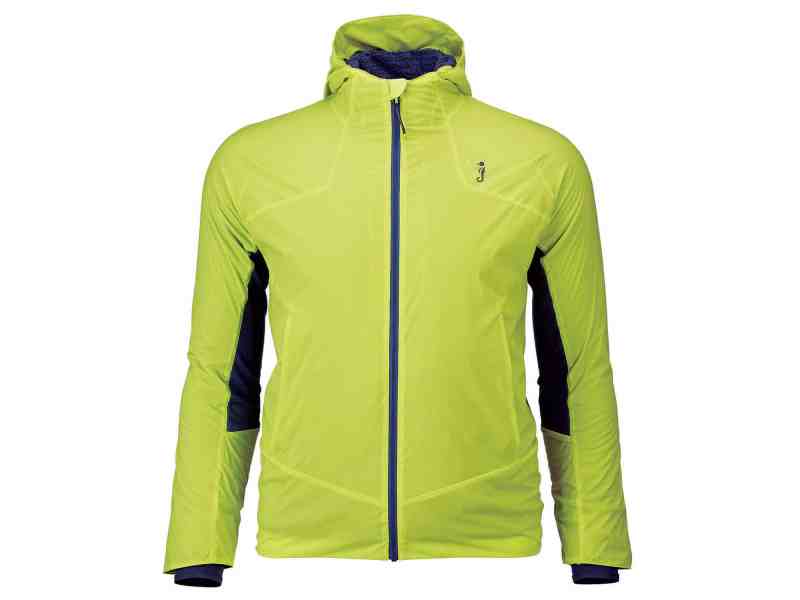
Ultimately, the modern angler can take supreme confidence in the gear locker. Rain, wind, blistering sun, and freezing spray are no longer barriers to entry on the water; they are simply manageable variables addressed by the triumphs of modern apparel engineering. Prepared with the right technical system, every day on the water remains a triumph of comfort, safety, and performance.

0 Comments