

Executive Overview
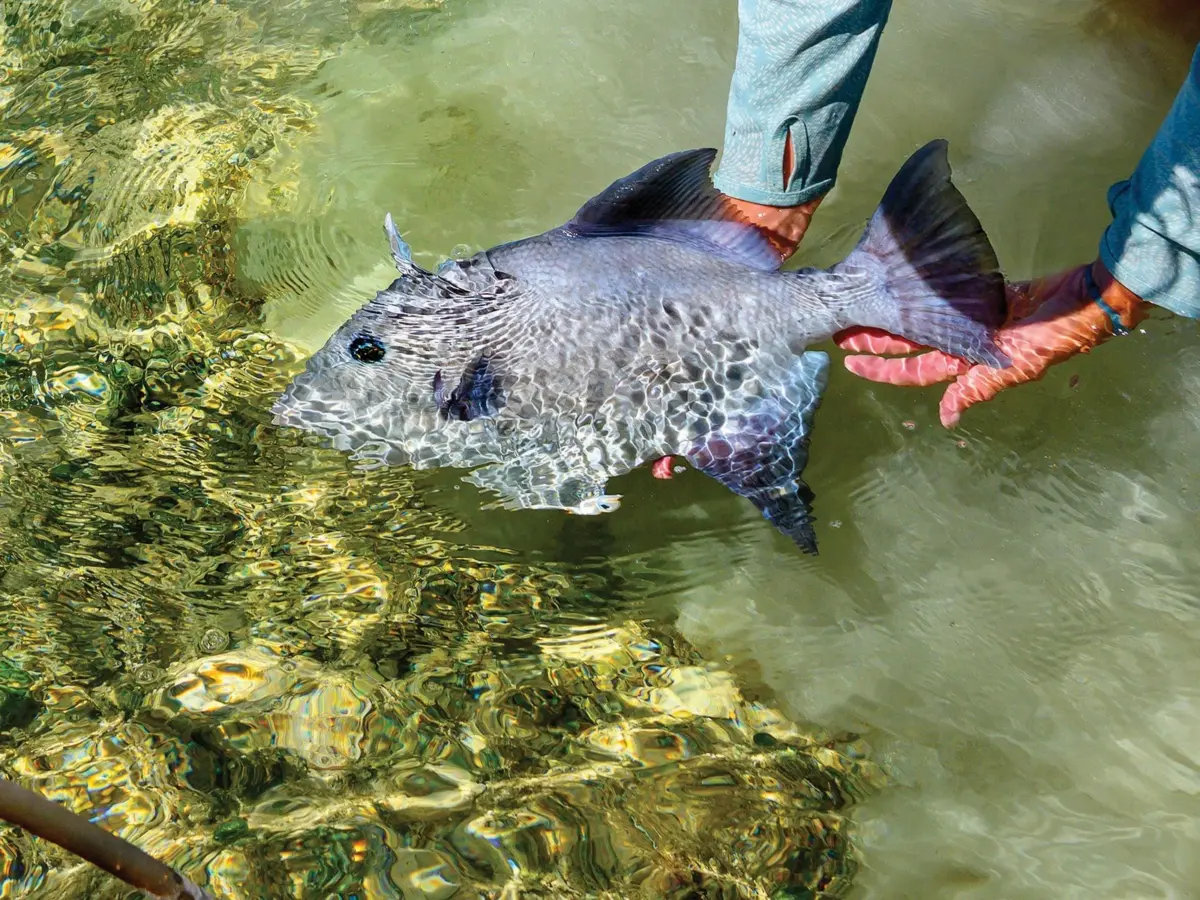
From the sun-drenched reefs of the Sea of Cortez to the barnacle-encrusted buoy chains of the Northeast and the deep-water live bottoms off Florida, triggerfish have stealthily evolved from an incidental nuisance into one of the most sought-after game and food fish in North America. Renowned for their armored hides, bone-crushing jaws, and tenacious fighting ability, triggerfish provide an angling challenge unlike almost any other inshore or nearshore species.
While anglers of decades past—such as those who spent their youth chasing finescale triggers along the Baja peninsula—often overlooked the species in favor of snappers and groupers, a modern renaissance is underway. Driven by warming ocean temperatures, expanding ranges, and a growing appreciation for their incredible culinary value, triggerfish are capturing the attention of coastal fishermen nationwide.
This comprehensive guide breaks down regional tactics, tackle specifications, bait preferences, and regulatory frameworks for targeting three primary species: the gray triggerfish of the Atlantic and Gulf coasts, the ocean and queen triggerfish of the Caribbean, and the expanding populations of finescale triggerfish along the Pacific coast of Southern California.
Detailed Chronology: From Baja Relics to Coast-to-Coast Targets
The narrative of North American triggerfish angling is rooted in the rich, biodiverse waters of Mexico and has gradually crept northward over the past half-century.
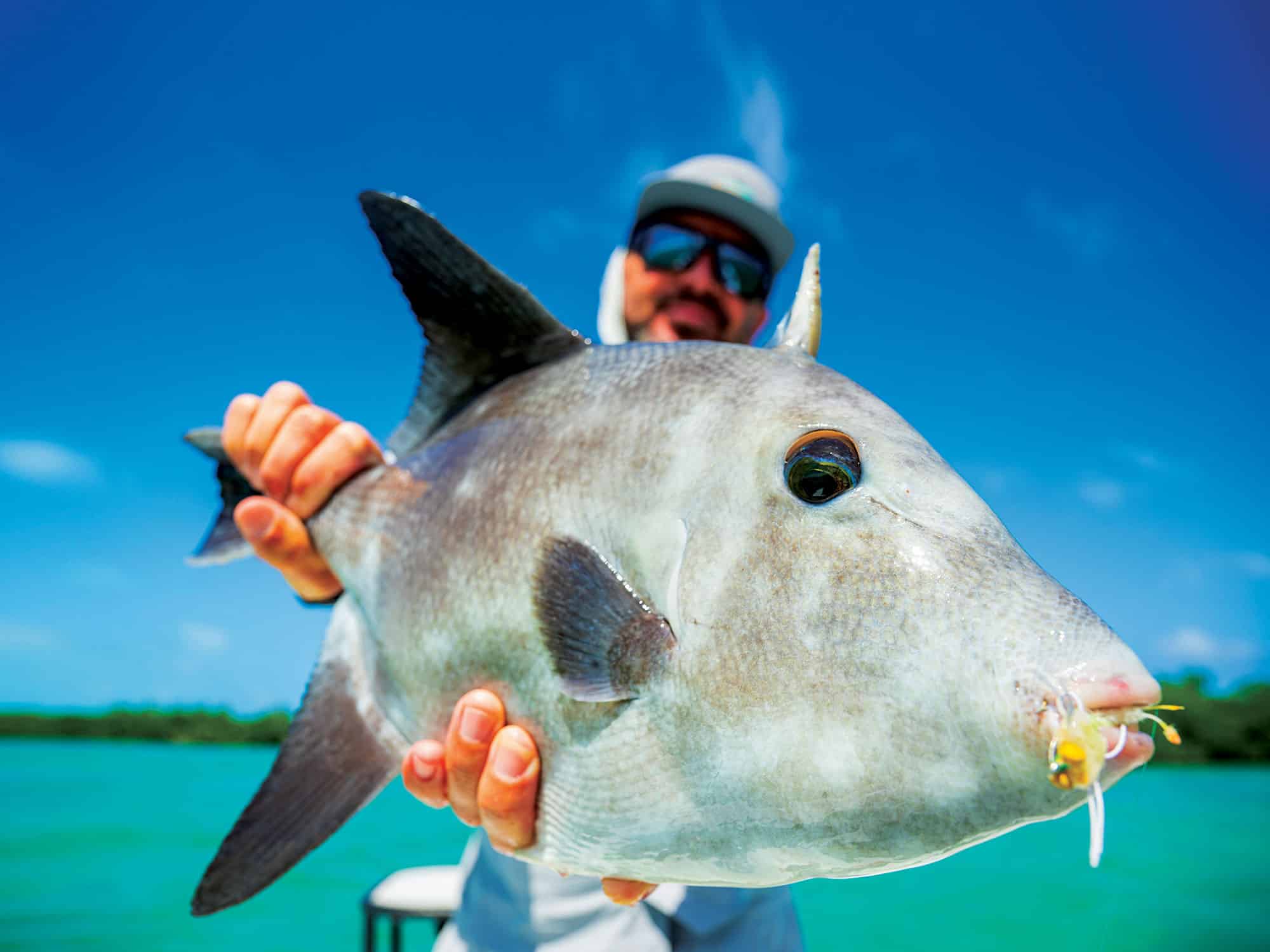
- The 1960s and 1970s (The Baja Awakening): Long before triggerfish were celebrated on sportsfishing podcasts or featured in mainstream angling magazines, young anglers exploring the shores of Baja California Sur encountered them with staggering frequency. Locally referred to as cochi, finescale triggerfish populated the shallow reefs, rock piles, and shorelines of the Sea of Cortez. At the time, their abundance often led to frustration among anglers targeting high-profile species like pargo (snapper) or cabrilla (small groupers). Their armor-like hides and penchant for stealing bait earned them an undeserved reputation as a nuisance, despite reaching weights in excess of 10 pounds and offering exceptional table fare.
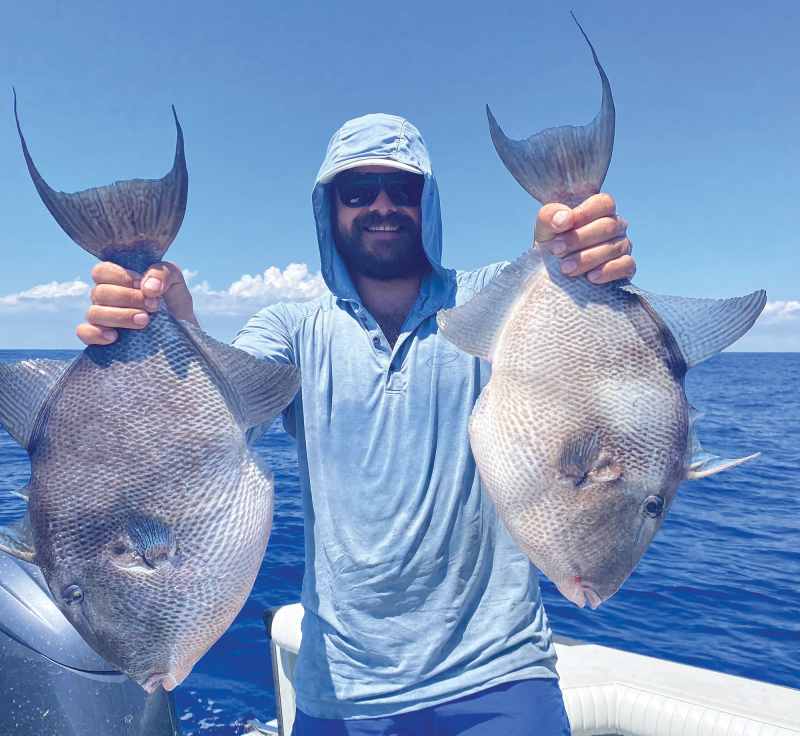
- The Late 20th Century (East Coast Recognition): While Pacific anglers were learning to navigate the quirks of finescale triggers, commercial and recreational fishermen along the South Atlantic and Gulf coasts recognized the resilience and culinary excellence of the gray triggerfish (Balistes capriscus). Deep-water bottom-fishing fleets began systematically targeting live-bottom habitats and artificial reefs, uncovering robust populations of grays that readily fed on natural baits.
- Late Summer/Fall Migrations in the Northeast: As marine ecosystems adapted and Gulf Stream currents pushed northward during peak summer and fall windows, charter captains in New York and surrounding northeastern states began discovering seasonal migrations of gray triggerfish. Innovators started targeting structure-oriented triggers hiding around unconventional man-made environments, such as barnacle-studded buoy chains in local bays and inlets.
- The 2026 Pacific Warming Event (SoCal’s Finescale Influx): Most recently, shifting climate patterns and warming Pacific Ocean temperatures—accelerated by significant El Niño activity—have triggered a notable northward migration of finescale triggerfish into Southern California waters. What was once considered a rare, tropical species has established resilient year-round populations on local oil platforms, natural reefs, and artificial structures, catching many local bass fishermen off guard and sparking a secretive, specialized fishery.
Supporting Context & Metrics: Species Breakdown and Regional Distributions
To successfully target triggerfish, an angler must first understand the specific biological traits and habitat preferences of the regional species they are pursuing.
+--------------------+-----------------------------+---------------------------+------------------------------+
| Species            | Primary Geographic Range    | Preferred Habitat         | Average Size / Weight        |
+--------------------+-----------------------------+---------------------------+------------------------------+
| Gray Triggerfish   | Nova Scotia to Florida,     | Live bottom, wrecks,      | 12–24 inches                 |
|                    | Gulf of Mexico              | buoy chains, rock piles   | 3–8 pounds                   |
+--------------------+-----------------------------+---------------------------+------------------------------+
| Finescale Trigger  | Sea of Cortez to Southern   | Coastal reefs, rock piles,| Up to 10 pounds              |
|                    | California                  | oil platforms             |                              |
+--------------------+-----------------------------+---------------------------+------------------------------+
| Ocean Triggerfish  | Gulf of Mexico, Caribbean   | Deep reefs, occ. inshore  | Varies (similar to gray)     |
+--------------------+-----------------------------+---------------------------+------------------------------+
| Queen Triggerfish  | Caribbean, tropical waters  | Coral reefs, clear waters | Highly colorful, prized      |
+--------------------+-----------------------------+---------------------------+------------------------------+
The Southeast Gray Fishery
Operating out of Ponce Inlet near New Smyrna Beach, Florida, experienced anglers target gray triggerfish over complex "live bottom" areas. These spots consist of hard, rocky ocean floors covered by soft corals and marine growth, usually resting adjacent to offshore wrecks. While standard catches range from 17 inches (around 5 pounds) in depths of 120 to 150 feet, deeper zones stretching down to 250 feet often yield trophy-class specimens measuring up to 24 inches and weighing up to 8 pounds.
The Northeast Migratory Shift
In the waters off Eastern Long Island and surrounding New York bays (such as Shinnecock, Moriches, and Gardiners bays), gray triggerfish arrive on the coattails of the Gulf Stream. These fish are intensely structure-oriented, quickly colonizing the heavy concrete blocks, anchors, and barnacle-encrusted chains of navigational buoys, as well as traditional jetties and wrecks.
The Southern California Influx
Southern California’s finescale triggers operate slightly differently. While an established baseline population lives year-round on coastal artificial reefs (such as the Bolsa Chica and Santa Monica Bay reef complexes) and oil platforms in 60 to 120 feet of water, warming sea temperatures have supercharged their numbers. Anglers targeting calico bass and barred sand bass frequently encounter these fish, noting their uncanny ability to strip baits with lightning-fast, subtle pecks.
Official Statements & Expert Tactics: Mastering Regional Techniques
Successfully landing a triggerfish requires precise tackle configuration, acute sensitivity to subtle strikes, and lightning-fast reflexes to overcome their structural defensive strategies.
Southeast Florida Tactics (Daniel Glenn)
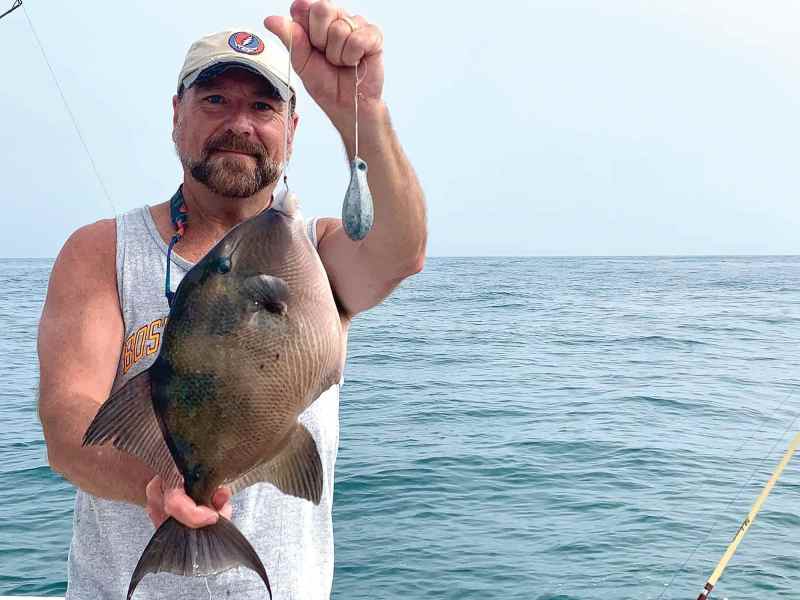
- The Rig: Captain Daniel Glenn relies on a "chicken-rig" leader crafted from 40-pound-test fluorocarbon. This setup features two short dropper-loops spaced 10 to 12 inches apart, anchored by a heavy sinker.
- Hooks: To accommodate a triggerfish’s small mouth and bone-crushing teeth, Glenn recommends a Mustad No. 2 O’Shaughnessy live-bait hook (model 94151). Its 3X strong-wire construction prevents the hook from snapping when clamped down upon.
- Weights: Depending on depth, wind, and current, bank sinkers ranging from a heavy 12 to 24 ounces are required to maintain a vertical presentation on the bottom.
- Baits: Triggers are opportunistic feeders. Cut baits from grunts or mullet, shrimp chunks, or squid strips work effectively when threaded onto both hooks.
- The Strike & Fight: When a trigger begins its characteristic hard pecks, anglers must immediately reel down and set the hook. A tight drag is mandatory to keep the fish from wrapping your line around bottom structure and to beat marauding sharks to the surface.
Northeast Buoy-Chain Tactics (Capt. Kevin Falvey)
- The Approach: Captain Kevin Falvey utilizes a 23-foot Regulator center console to target triggers hiding around offshore "mile buoys" and inshore bay markers.
- Tackle & Rigging: Falvey employs 30-pound-test main line on conventional or spinning gear, paired with a two-hook chicken rig tied from 40-pound monofilament.
- Hook Selection: He prefers a size No. 1 or 1/0 Virginia hook. The long-shank design features a hollow hook point for superior penetration and securely holds baits like clams, crabs, and squid.
- Presentation: Keeping the hook point exposed is critical. Because bites are instantaneous, Falvey advises: "Be ready to strike and then immediately bring the rod over your head. Fail to do this and Mr. Trigger will almost certainly wrap you ’round the chain and say goodbye."
Southern California Finescale Tactics
- The Setup: SoCal experts utilize a double-dropper loop leader (similar to a chicken rig with 6-inch loops) constructed from lighter 20- to 25-pound fluorocarbon.
- Hooks & Weights: Anglers opt for a No. 1 or No. 2 octopus hook built with 2X strong-wire. A 4- to 6-ounce torpedo sinker is generally sufficient to hold bottom over 60- to 120-foot rock piles.
- Baits & Chumming: Raw shrimp meat (with heads, shells, and tails removed to use as an active chum slick) is the preferred offering. Bury the hook in the shrimp meat while leaving the point exposed.
- The Battle: Requiring a minimum of 50-pound braided line and locked-down drags, the battle against a finescale triggerfish is almost always decided within the first five seconds to prevent the fish from rock-diving.
Future Outlook & Regulatory Stewardship
As coastal waters experience shifting temperature baselines and recreational fishing pressure intensifies, responsible stewardship and close attention to regional regulations remain paramount for the long-term health of triggerfish fisheries.
Regulatory landscapes vary dramatically depending on the jurisdiction:
- Florida Waters: Management is strict, particularly on the Gulf side, where seasonal closures (such as March 1–May 31 and August 1–December 31) are enforced alongside a 15-inch fork-length minimum size and a strict bag limit of one fish per day. On the Atlantic side, fishing remains open year-round with a 12-inch minimum size and a more generous daily limit of 10.
- New York State Waters: In state marine waters, gray triggerfish are often managed under unregulated marine species rules, meaning no minimum size, no closed season, and no bag limit as of press time. However, federal waters outside the 3-mile limit enforce a strict seasonal closure (January 1–February 28 and June 1–July 31), a 15-inch minimum fork-length, and a bag limit of one.
- California Waters: Finescale triggerfish currently feature no closed season and no minimum size limit, though anglers must adhere to a maximum daily bag limit of 10 fish within the broader statewide general limit of 20 finfish in total combination.
The Culinary Perspective
Beyond the sheer thrill of the fight—characterized by relentless vertical pulls and structural cunning—triggerfish are widely celebrated as premier table fare. While their tough, armor-like skin demands a razor-sharp fillet knife (or a specialized technique), the reward is firm, clean, white meat that performs exceptionally well when lightly fried with lemon butter and parsley.
As more anglers across the country unlock the secrets of bottom-fishing live structures, mastering the subtle bite of the triggerfish ensures that this once-overlooked species will remain a cornerstone of modern saltwater sportfishing for generations to come.

0 Comments