

Executive Overview
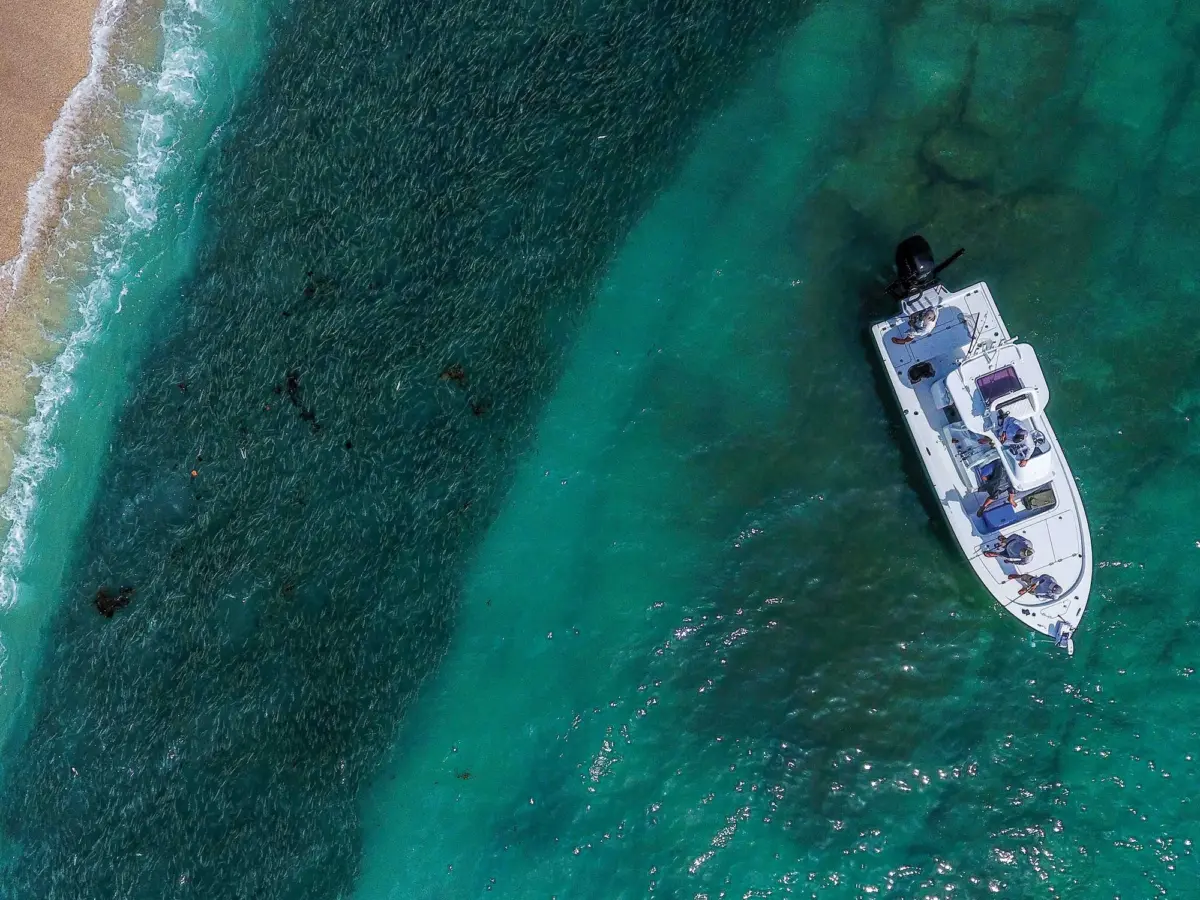
Every autumn, stretching from the temperate shores of the Carolinas down through the sun-drenched estuaries of Florida and across the sprawling coastlines of the Gulf of Mexico, one of the most astonishing marine spectacles on the planet unfolds: the annual fall mullet run. Beginning quietly in September and frequently charging right through November—and occasionally lingering into the chill of December—millions upon millions of striped and silver mullet pour out of rivers, bays, and brackish estuaries. They embark on an epic coastal migration that resembles the mass movements of far-traveling land birds or continental mammals far more than typical marine fish behavior.
For saltwater anglers, this multi-month window represents the absolute pinnacle of inshore and nearshore fishing. The sheer volume of baitfish moving down the beaches creates a predatory gauntlet, drawing an elite roster of gamefish that includes giant redfish, explosive snook, acrobatic tarpon, bruising jack crevalle, and high-speed pelagics like king mackerel. Understanding the mechanics of this migration, recognizing the behavioral cues of both the bait and the predators, and deploying the right strategies are the keys to transforming a standard day on the water into an unforgettable angling triumph.
Detailed Chronology: The Evolution of the Migration
To successfully target gamefish during the fall mullet run, an angler must understand the temporal and spatial progression of the event. The migration does not happen all at once; rather, it unfolds in distinct phases driven by environmental shifts, biological imperatives, and meteorological patterns.
Phase 1: The September Spark (The Estuary Exodus)
As late summer temperatures begin to peak and subtle shifts in day length signal the approach of autumn, adult and sub-adult mullet begin to school up within the interior waters. Ranging in size from tiny fingerlings to heavy, 3-pound breeders, both striped mullet (Mugil cephalus) and silver mullet (Mugil curema) congregate near river mouths, deep creek bends, and inlet bottlenecks.
During this initial phase, the trigger is largely internal. Biologists note that these fish are seeking a precise shift in salinity and water temperature to stimulate the release of eggs and milt. As they stage near ocean-connected passes, any sudden drop in barometric pressure from passing early-season tropical systems or cold fronts can act as the starting gun, flushing massive schools out into the open ocean and along the beachfront.
Phase 2: October Peak (The Beach Blitz)
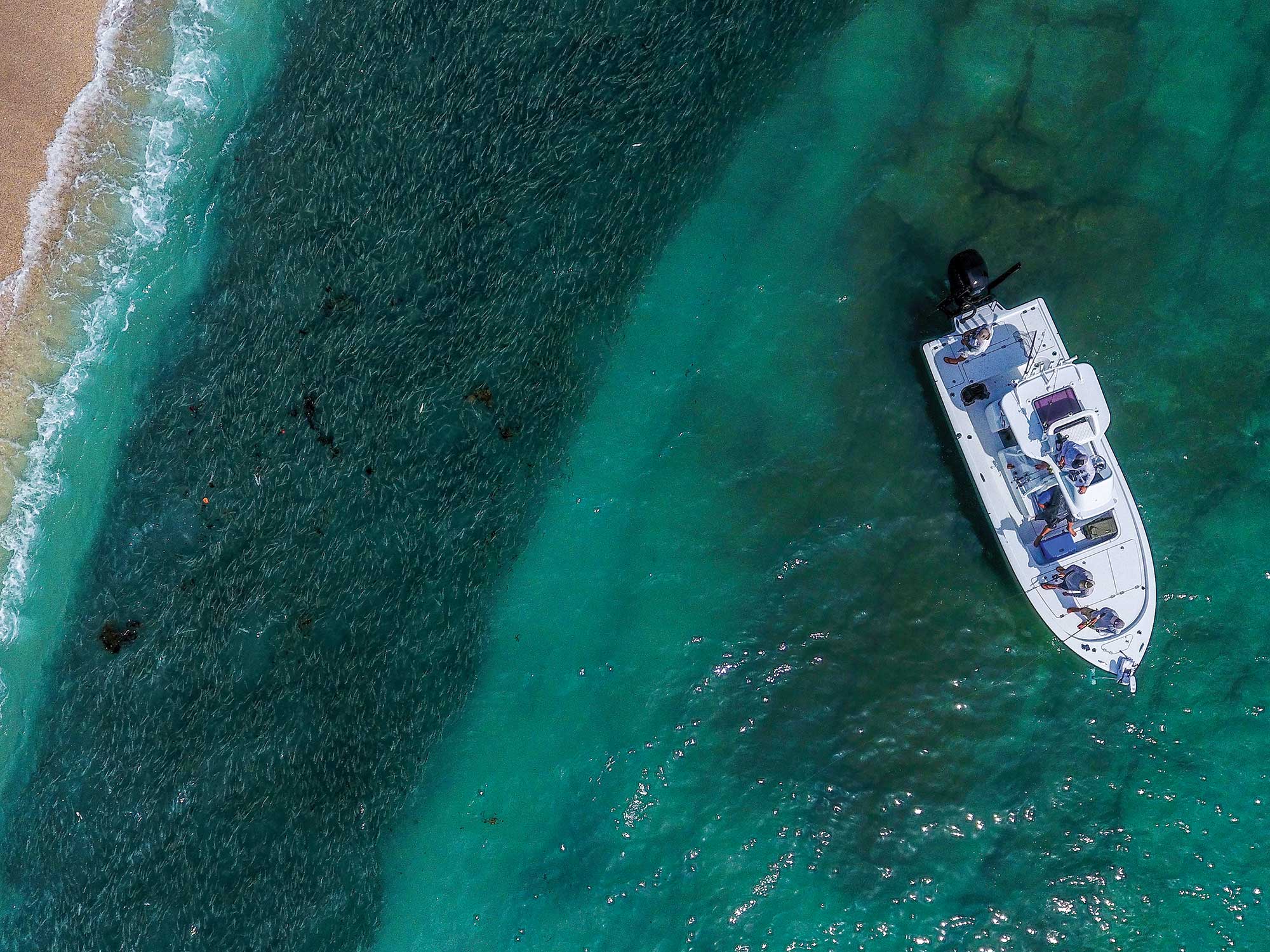
By October, the run is in full, deafening swing. Mullet pack tight against the sandy surf zones of the Atlantic Coast and the east-west migration corridors of the Gulf of Mexico. This is the period of peak chaos. Millions of baitfish hug the shoreline, driven by a combination of spawning instincts and a desire to evade the relentless wall of predators waiting outside the inlets.
For anglers, October offers the most consistent action. A subtle northeast wind during this month is considered the holy grail of coastal fishing conditions. The onshore breeze stacks the baitfish tight against the sandbars, creating a compressed feeding alley where redfish, snook, and tarpon can systematically ambush the helpless schools.
Phase 3: November Twilight (The Southern Push)
As November deepens, the vanguard of the migration reaches South Florida, packing into the legendary waters around Sebastian Inlet, the Indian River Lagoon, and down toward Miami and the Florida Keys. While the northern waters begin to cool and thin out of bait, the southern reaches experience explosive final feeding frenzies. Once the mullet successfully locate their desired offshore or inshore spawning grounds, release their eggs, and complete their biological mission, the frantic coastal parade rapidly dissipates, leaving behind well-fed, heavy gamefish and exhausted, exhilarated anglers.
Supporting Context & Metrics: The Science and Strategy of the Run
The sheer scale of the mullet run boggles the mind, but behind the surface chaos lies a complex web of marine biology and environmental triggers.
The Biology of the March
Why do mullet run? While commercial fishermen and seasoned captains have debated the nuances for generations, marine biologists point primarily to reproductive biology. Mullet require specific marine salinity gradients to successfully spawn. By migrating out of hypohaline estuaries into the hyper-saline or perfectly balanced coastal marine environments, they trigger the final maturation of their reproductive organs.
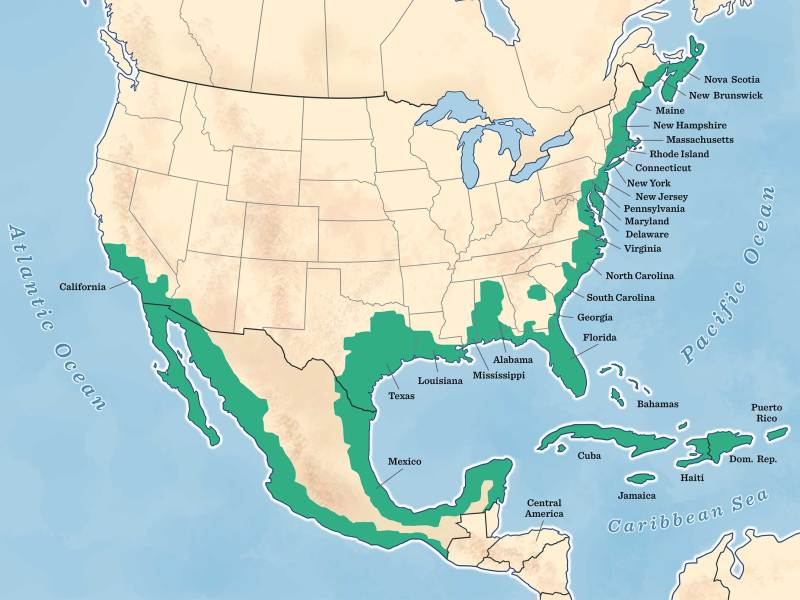
Research in the Gulf of Mexico has documented white mullet making astonishing migrations of up to 100 miles during this window. Unlike the strict north-to-south paths seen along the Atlantic Coast, Gulf populations often exhibit lateral (east-to-west) movements. Regardless of the vector, the result is an immense biomass of protein moving through shallow waters, acting as a massive ecological feeding subsidy for every coastal predator in the vicinity.
The Predator Breakdown
1. Raging Redfish
As the mullet parade pushes past river mouths and inlets, oversize red drum (Sciaenops ocellatus) are waiting. Autumn is also the traditional spawning run for mature redfish, compounding their caloric needs. Anglers targeting big reds during the run often look for slick water at daybreak, scanning the surface for the distinct "nosing" behavior of mullet or the characteristic bronze coloration of a bait pod. State regulations regarding slot limits often apply, meaning many of the giant breeder redfish encountered during the run must be carefully handled and released.
2. Snook in the Southern Tiers
Consistent snook action kicks into high gear south of Cape Canaveral, reaching an absolute fever pitch from Sebastian Inlet down to Miami. Capt. Phil O’Bannon, a renowned Charlotte Harbor guide, emphasizes the cardinal rule of snook fishing during the run: match the hatch precisely. "If bait pods are holding mostly mullet in the 6-inch range, that’s the size bait to employ, preferably caught from the exact schools snook are actively slashing," O’Bannon advises.
3. Tarpon on a Tear
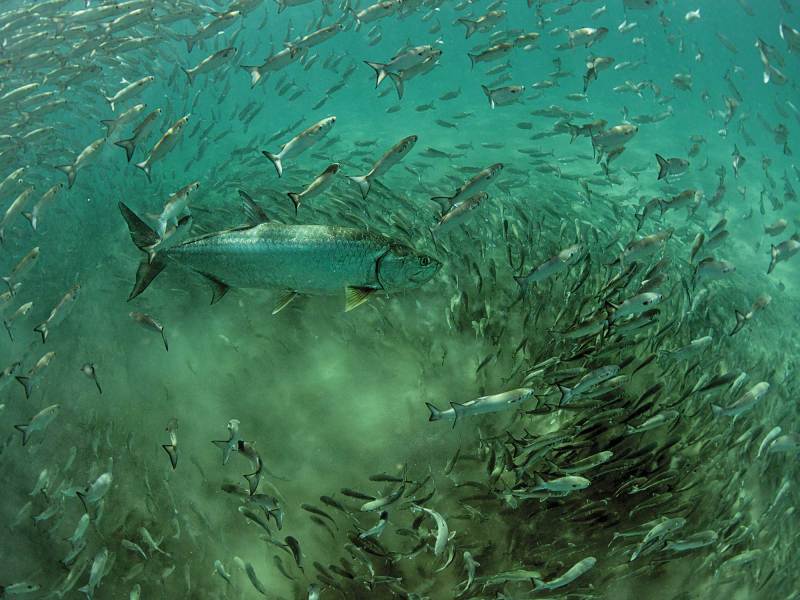
The silver king provides perhaps the most visceral thrill of the run. Tarpon carve distinct, explosive paths through massive bait schools, launching themselves into the air as they inhale hapless mullet. From the Carolinas down through the Georgia coast and the entire length of Florida, beach-bound anglers casting live baits or large synthetic flies into the heart of these rolling schools experience non-stop action.
4. Pelagic Invaders: Kingfish and Barracuda
When mullet schools drift a mile or two offshore, they attract ocean-going assassins. Twenty-pound-class king mackerel and aggressive barracuda routinely crash the party. Because of their razor-sharp teeth, targeting these species requires wire leaders and slow-trolled live baits on tandem-hook rigs, capitalizing on the predators’ tendency to clip the rear ends of swimming baitfish.
Official Perspectives and Expert Insights
To gain a deeper appreciation of the phenomenon, coastal conservationists and veteran guides emphasize the delicate balance of this seasonal event.
State fisheries management agencies frequently review creel limits and slot regulations during the fall months, as the concentration of both trophy-sized gamefish and heavy fishing pressure peaks simultaneously. Biologists stress that while the ocean feels infinitely bountiful during a massive mullet blitz, responsible catch-and-release practices for oversized breeders—such as giant redfish and heavy tarpon—are vital to sustaining the fishery for future generations.
Furthermore, professional charter captains underscore the importance of boat etiquette and approach tactics. "Getting too close to a school is the easiest way to ruin your own fishing," notes one veteran Atlantic Coast captain. "If you charge right into the middle of a bait pod with a loud outboard, you’ll cause the mullet to flush, dive, or scatter. That instantly alerts the marauding kingfish, tarpon, or snook, and pulls them away from your presentation. Maintain your distance, drift quietly, and present your offering on the periphery of the chaos."
Future Outlook: Preserving the Coastal Pipeline
As coastal development, shifting water temperatures, and environmental pressures continue to impact estuarine habitats along the Atlantic and Gulf coasts, the health of the annual mullet run remains a critical barometer of overall marine ecosystem vitality.
Protecting the upstream grass flats, mangrove creeks, and river systems where juvenile mullet spend the first several years of their lives is just as important as managing the regulations on the beachfront during the fall. Without healthy nurseries, the immense biomass of baitfish that fuels this grand migration would inevitably dwindle, robbing future generations of anglers of one of the greatest spectacles in the natural world.
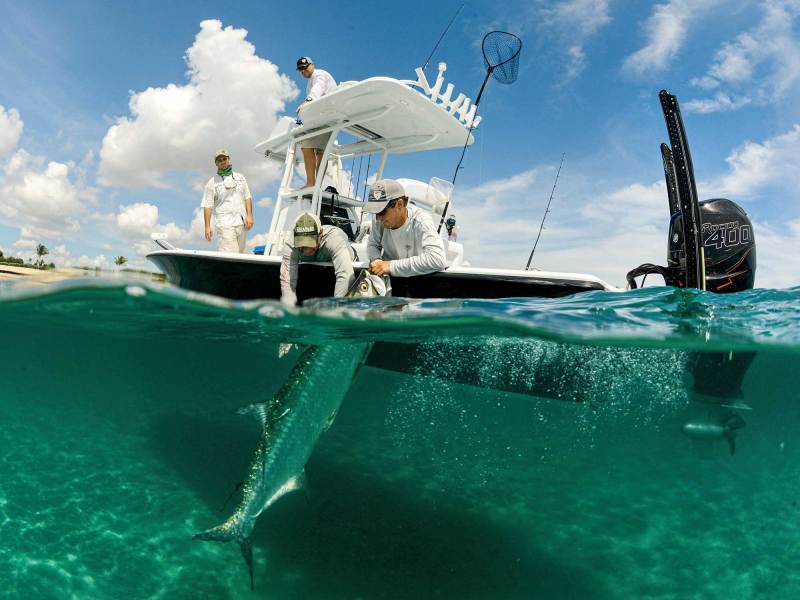
For now, as September arrives and the first crisp northern breeze brushes the coast, the stage is set once again. The silver parade is forming in the bays, the apex predators are patrolling the surf, and the saltwater community stands ready for the greatest show on water.

0 Comments