

Executive Overview
Every autumn, as the oppressive heat of the summer sun begins to wane, a staggering marine phenomenon unfolds along the eastern seaboard of the United States and the expansive coastline of the Gulf of Mexico. Known simply as the "mullet run," this annual biological migration sees millions—arguably billions—of striped (Mugil cephalus) and silver (Mugil curema) mullet pour out of brackish rivers, bays, and secluded estuaries. They embark on an epic coastal journey that rivals the terrestrial migrations of the Serengeti or the massive flight paths of migratory birds.
Ranging in size from tiny, two-inch fingerlings to hefty, three-pound adults, these schooling baitfish form dense, dark-brown pods that hug the beaches, surf zones, and inlets. Their objective is as ancient as it is imperative: finding the precise saline content required to release their eggs and milt for spawning. However, this journey is not accomplished in isolation. A vast, apex-predator gauntlet trails, surrounds, and constantly harries the migrating biomass.
For recreational and professional anglers alike, the fall mullet run represents the absolute pinnacle of coastal fishing. It is a predictable yet chaotic window where surfcasters, flats guides, and offshore trollers can intercept virtually every major gamefish species in North America at its most aggressive. From massive, oversized red drum and acrobatic tarpon to screaming lines of snook, king mackerel, and ravenous jack crevalle, the predator response to the mullet run is unmatched. This comprehensive report explores the mechanics of the run, the seasonal chronology, regional hotspots, tactical approaches for top target species, and the strategic mindset required to capitalize on nature’s ultimate forage feast.
Detailed Chronology of the Migration
Understanding the cadence of the mullet run requires tracking seasonal shifts in weather, water temperature, and photoperiod. The event is not a singular, synchronized wave; rather, it is a rolling maritime avalanche that gains momentum over several months.
Phase One: The Early Whispers (September)
The curtain rises on the mullet run typically after the first significant "back-door" cold fronts of late summer brush the upper Atlantic coast or the northern Gulf. In September, baitfish begin staging near the mouths of coastal rivers and inside major estuarine systems. These early pods are often a mix of smaller finger mullet and mid-sized silvers.
At this stage, the movement is erratic. Fish push out into the surf zone, only to be pushed back inward by early autumn squalls or shifting tides. However, predatory species are keenly aware of the biological clock. Snook, tarpon, and redfish begin shifting their positions from deep-water summer sanctuaries toward inlets, river mouths, and ocean-facing beaches, anticipating the grand exodus.
Phase Two: Peak Chaos (October to Mid-November)
By October, the migration hits full stride. A sustained, slight northeast wind—the holy grail for coastal fishermen—often sets up along the Atlantic seaboard. This wind direction creates a pushing surf that stacks the endless schools of mullet tightly against the sandbars and beachfronts.
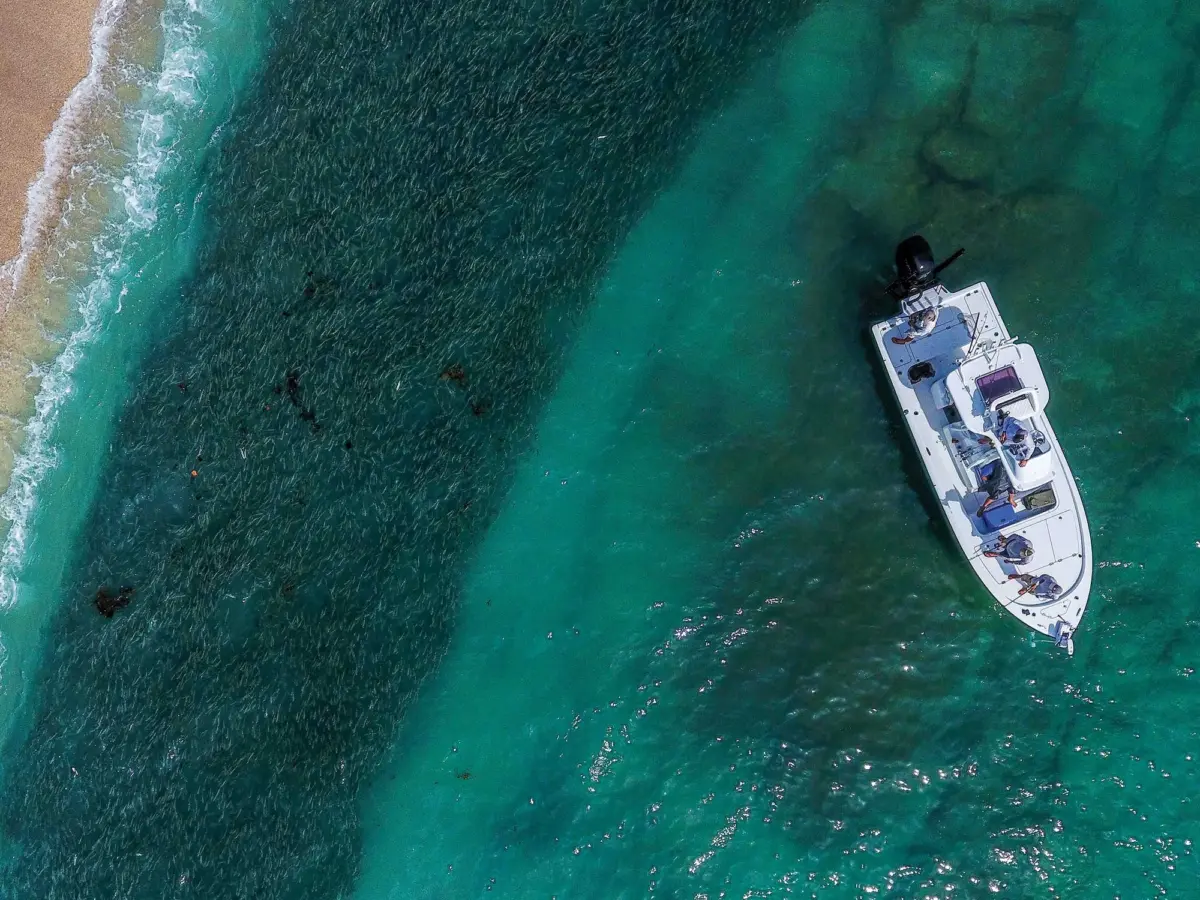
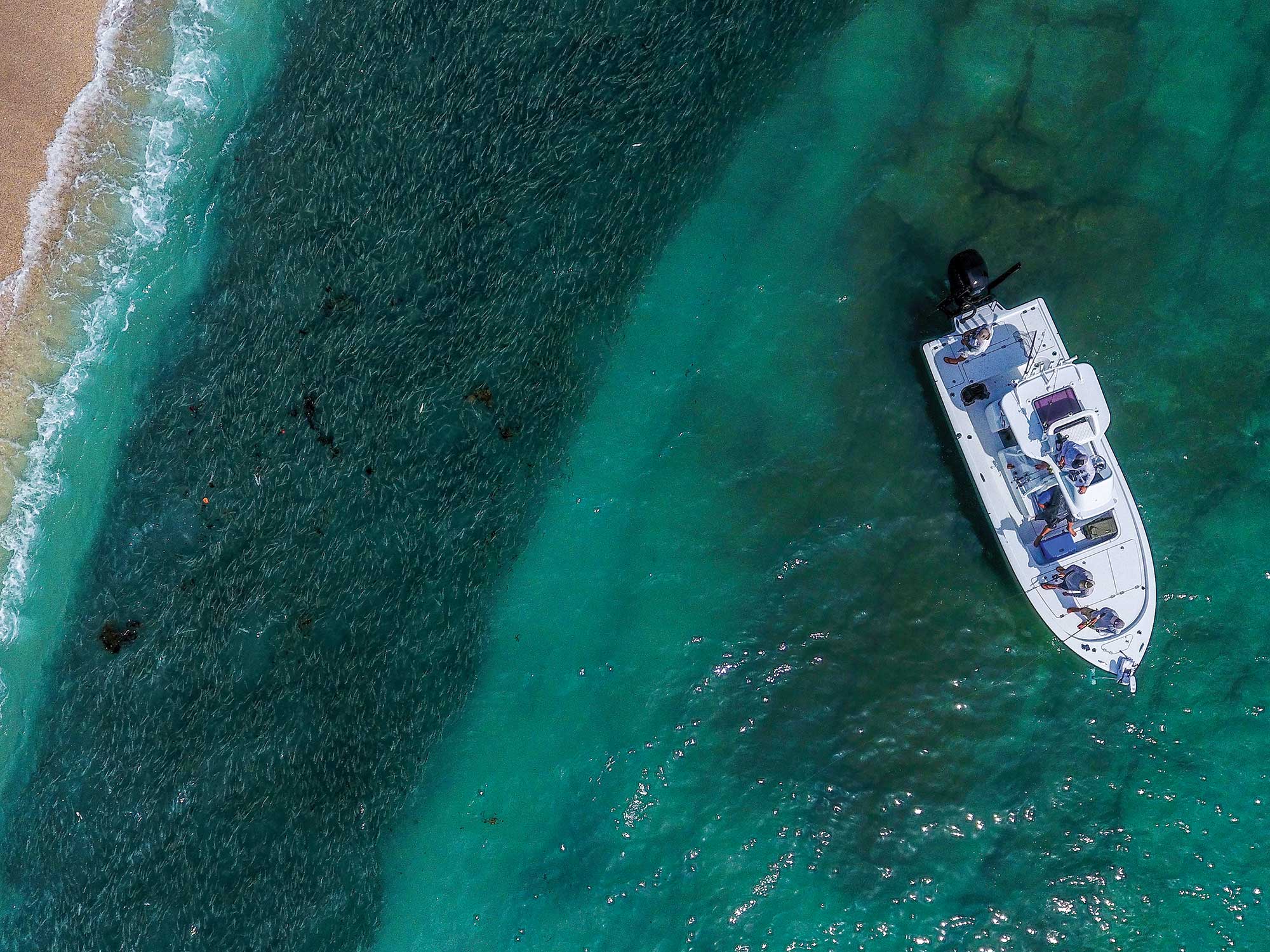
During this peak window, the coastline transforms into a war zone. Mullet pack so tightly into the shallows that the water’s surface ripples with dark, football-field-sized shadows. Predators attack from below, pelagic birds dive from above, and the shorelines erupt in coordinated feeding blitzes. This is the period of maximum angler opportunity, where memorable catches are made from kayaks, surfboards, boats, and dry sand alike.
Phase Three: The Tail End and Southern Push (Late November into December)
As water temperatures drop sharply, the vanguard of the mullet migration reaches South Florida, rounding the tip of the peninsula or pushing deep into the lower Florida Keys and the Ten Thousand Islands. While the northern reaches of the migration begin to taper off as remaining baitfish find their spawning grounds or fall victim to the gauntlet, the southern terminus experiences a prolonged feeding frenzy. Snook and tarpon gorge themselves heavily before winter cooling slows their metabolism, making late-season outings extraordinarily productive for anglers willing to brave unpredictable weather fronts.
Supporting Context and Metrics: The Science of the Run
To successfully target fish during the mullet run, anglers must understand why the bait behaves the way it does. Marine biologists and fisheries scientists have spent decades studying the mechanics of this seasonal exodus.
Salinity, Spawning, and Navigation
The primary catalyst for the mullet run is reproductive. While mullet spend the vast majority of their lives thriving in low-salinity estuaries, tidal creeks, and freshwater rivers, they cannot complete their life cycle there. To trigger the release of eggs and milt, mature adults must migrate into high-salinity marine environments.
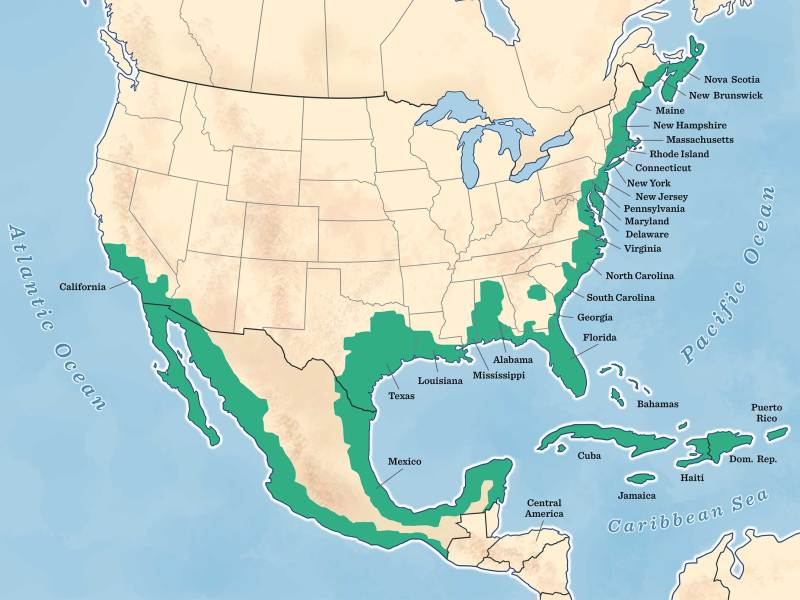
Biologists have documented fascinating variations in migratory patterns. Along the Gulf of Mexico, white mullet have been tracked migrating upwards of 100 miles, exhibiting distinct east-west lateral movements rather than strictly north-south trajectories. Along the Atlantic Coast, the general flow is aggressively southward.
Behavioral Oddities: Why Do Mullet Jump?
One of the most iconic sights of the mullet run is the constant, rhythmic leaping of individual fish out of the water. While various theories abound among coastal old-timers, marine biologists generally attribute this behavior to a few primary factors:
- Oxygen Exchange: When millions of fish pack into dense pods, localized dissolved oxygen levels plummet rapidly. Jumping helps force air across their gills or clear their systems.
- Parasite Shedding: Vigorous leaps can dislodge copepods and other irritating ectoparasites clinging to their scales.
- Evading Predators: A startled mullet will often launch itself into the air to break the visual tracking of subsurface predators like sharks, tarpon, and jacks.
Target Species Breakdown & Tactical Approaches
1. Raging Redfish in the Surf and Inlets
The autumn mullet run coincides perfectly with the annual spawning migration of mature red drum (Sciaenops ocellatus) into inlets, sounds, and coastal beaches. Oversized "bull" reds—many of which exceed state keep limits and must be safely released—gorge themselves on the sudden windfall of protein.
- Where to Look: Focus on lower river mouths, turbulent inlet passes, and shallow trough areas just behind the breaking surf. Look for slick water patches marked by a brownish-gold tint, indicating a dense school of tightly packed mullet.
- Tactics: Daybreak is prime time. A slight northeast wind that pushes bait against the shoreline creates an ideal feeding alley. Anglers should utilize live mullet hooked through the lips or dorsal, or cast heavy imitation swimbaits and topwater plugs into the outer edges of the bait pods.
2. Snook Feeding Orgies in South Florida
While scattered snook can be found north toward Daytona Beach, true, explosive mullet-run snook fishing ignites around Sebastian Inlet and extends all the way down through Miami and the Keys.
- The Golden Rule: According to renowned charter captains like Phil O’Bannon, the single most critical factor for catching snook during the run is matching the hatch. "If the bait pods are holding mostly mullet in the 6-inch range, that’s the size bait to employ, preferably caught from the exact schools the snook are hitting," O’Bannon notes.
- Gear & Presentation: Freelining live finger mullet around bridge pilings, mangrove points, and shadow lines on outgoing tides yields heart-stopping strikes. For artificial enthusiasts, white paddle-tail jigs and glide baits retrieved with erratic, wounded-bait action are exceptionally effective.
3. Tarpon on a Tear
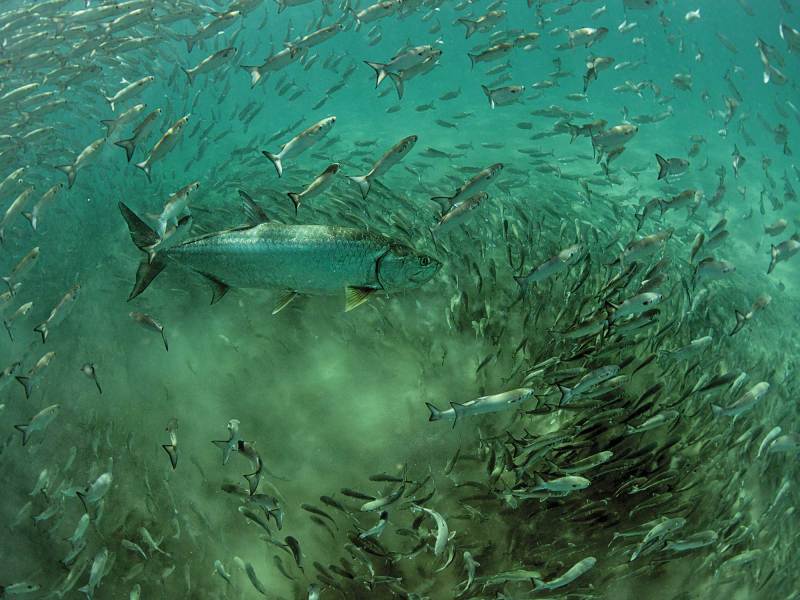
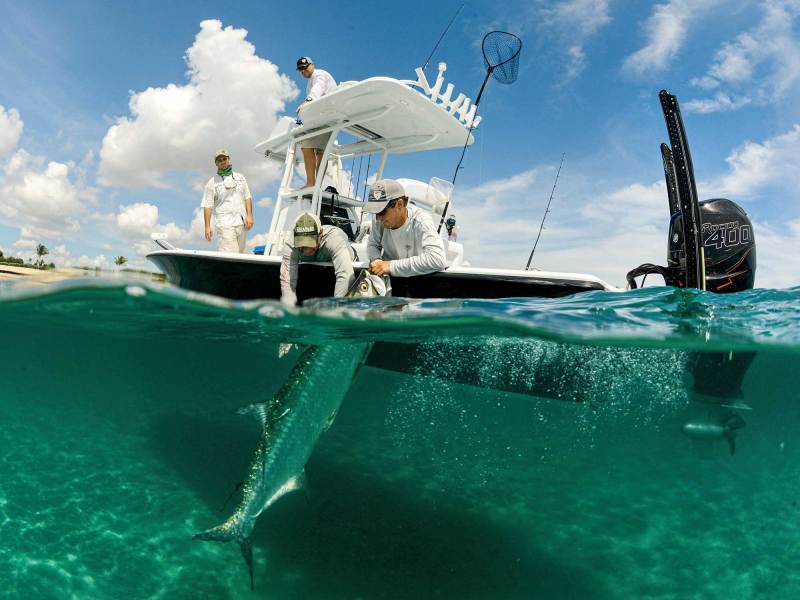
For sheer adrenaline, few experiences rival a tarpon blitz during the mullet run. From the Carolinas down through the entire coast of Georgia and the length of Florida, silver kings carve massive holes directly through migrating bait schools.
- The Challenge: Convincing a 100-plus-pound tarpon to eat a hooked bait when billions of free, unhooked options surround it requires immense patience and precision.
- Presentation: Position your boat quietly upstream or upcurrent of a rolling pod of tarpon. Allow your live mullet to swim naturally into the zone, or present a large, sinking fly that mimics a struggling, separated baitfish. Be prepared for violent, airborne acrobatics the moment the hook is set.
4. Kingfish, Barracuda, and Pelagic Invaders
When the mullet schools venture a mile or two offshore from the beaches, larger pelagic predators join the fray.
- King Mackerel & Barracuda: These razor-toothed hunters specialize in clipping the rear ends of migrating baitfish. Anglers should troll live mullet using tandem-hook wire rigs at slow speeds around deepwater bait pods. Avoid driving your boat directly through the center of a school; doing so will cause the mullet to dive, scattering the predatory fish holding underneath them.
- Jacks, Bluefish, and Spanish Mackerel: Often viewed as the "character actors" of the run, aggressive schools of 15-pound jack crevalle, ferocious bluefish, and screaming Spanish mackerel will utterly shred mullet pods. These frantic blitzes provide world-class action for both conventional and fly-fishing anglers looking to keep their rods bent constantly.
Official Guidelines & Conservation Considerations
With great fishing comes great ecological responsibility. State wildlife agencies along the Atlantic and Gulf coasts closely monitor fisheries during the fall migration.
- Bag and Size Limits: Many of the largest redfish, snook, and tarpon encountered during the mullet run are breeding-age adults. Anglers must consult up-to-date state fishing regulations regarding strict slot limits, closed seasons, and catch-and-release mandates.
- Proper Handling: For oversized fish like bull reds and giant tarpon, heavy tackle should be used to bring the fish to the boat quickly, minimizing lactic acid buildup. Use rubberized landing nets, keep fish in the water whenever possible during unhooking, and revive exhausted catches before release.
- Cast Net Etiquette: Gathering your own live bait via cast net is a cornerstone of mullet-run success. Be mindful of local regulations regarding commercial versus recreational cast-netting limits, and take only what you intend to use to avoid waste.
Future Outlook: Protecting the Coastal Ecosystem
The health of the annual mullet run serves as a vital ecological barometer for the entire coastal marine ecosystem. Mullet are a foundational forage species; without a robust, healthy population of mullet, the upper echelons of the marine food web—including economically vital gamefish, coastal shorebirds, and marine mammals—would suffer catastrophic declines.
Fortunately, conservative management policies, improved water quality initiatives in major estuarine nurseries, and responsible catch-and-release ethics among the recreational angling community have helped stabilize mullet stocks in recent years. As coastal development and climate pressures continue to evolve, ongoing scientific monitoring and habitat restoration will remain crucial to ensuring that future generations can witness the awe-inspiring spectacle of the fall mullet run.
Three Essential Lures for Mimicking the Mullet Run
Because no angler’s tackle box can accommodate every possible bait profile, having a curated selection of proven artificial lures is mandatory when tackling the run. Here are three can’t-beat options:
- Surface Topwater Walk-the-Dog Plugs: Large, profile-matching topwater baits (such as the Heddon Super Spook or Rapala Skitter Walk) create tremendous surface commotion that mimics a panicked, fleeing mullet, drawing explosive strike reactions from tarpon, snook, and large jacks.
- Weighted Swimbait / Soft-Plastic Paddle-Tails: Rigged on heavy lead heads, soft plastics in white, silver, or pearl schemes allow anglers to probe the deeper water columns directly beneath surface-feeding schools where heavy redfish and king mackerel lurk.
- Mirrored Twitchbaits / Suspension Plugs: Hard-plastic twitchbaits that suspend or slowly sink provide a realistic profile of a stunned or disoriented mullet caught in the turbulent turbulence of the surf zone. A erratic, stop-and-go retrieve is often all it takes to trigger a strike from wary fish.

0 Comments