For every mariner who has ever faced the unforgiving expanse of open water, preparation remains the ultimate currency of survival. Consider a grim boating riddle: What is one piece of essential equipment that every vessel owner must carry, yet desperately hopes never to use? The answer is the ditch bag—also widely known as a bug-out bag or abandon-ship kit.
In a catastrophic maritime scenario, the transition from a routine fishing trip or coastal cruise to an active search-and-rescue operation happens in seconds. When a vessel takes on water, catches fire, or suffers a catastrophic structural failure, there is no time to rummage through lockers or search for misplaced gear. A properly provisioned, high-visibility ditch bag serves as the critical bridge between disaster and survival.
This comprehensive guide investigates what it takes to build a professional-grade ditch bag. Drawing on expert insights from Ted Sensenbrenner, Director of Boating Safety at the BoatUS Foundation, and examining real-world gear deployments, we explore the absolute necessities required to stabilize a crisis, preserve life, and significantly shorten rescue windows. Whether you navigate solo 40 miles offshore in a modest center console or pilot a larger coastal vessel, mastering the art and science of ditch bag configuration is non-negotiable.
Detailed Chronology: Anatomy of a Marine Emergency Response
To understand why a ditch bag is configured the way it is, one must examine how a marine emergency unfolds over time. Disasters at sea rarely follow a predictable script, but the timeline of response generally adheres to distinct phases where specific gear dictates the outcome.
Phase 1: The Critical First 60 Seconds (Initiation and Abandonment)
When catastrophe strikes—whether a sudden hull breach, an unstoppable engine fire, or a capsize—the first minute is pure chaos. Crew members experience an immediate spike in adrenaline and cognitive tunnel vision.
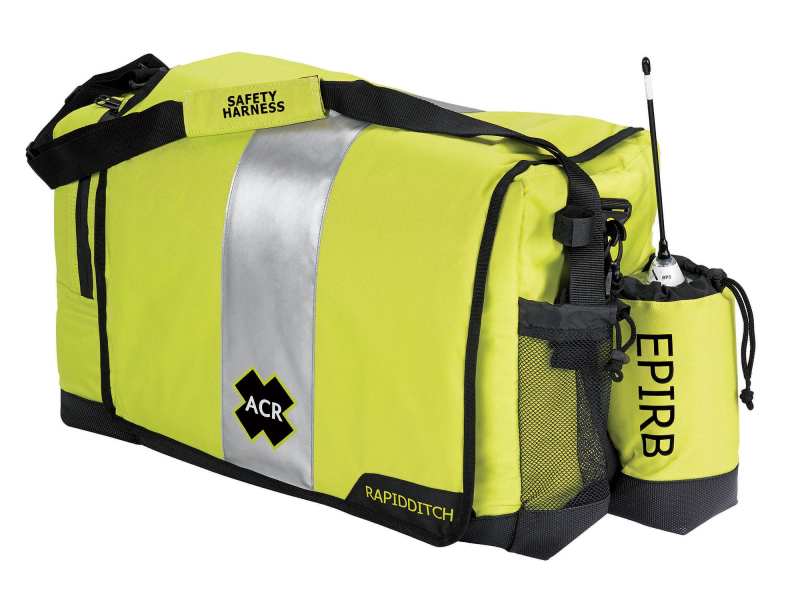
Action: The designated ditch bag must be instantly accessible. Stowed in a brightly colored, clearly labeled compartment, it is grabbed and physically tethered to the lead survivor using a heavy-duty harness system (such as the ACR RapidDitch bag).
Gear in Play: Brightly colored floating bag, integrated safety harness, and immediately donned Personal Flotation Devices (PFDs) like the Mustang Accel Foam PFD.
Phase 2: Minutes 1 to 15 (Immediate Distress Signaling)
Once clear of the sinking or compromised vessel—whether floating in the water or deployed into a life raft—the immediate priority is transmitting a precise distress signal before the vessel slips beneath the surface.
Action: Survivors activate emergency position-indicating hardware. If time permits, pre-rigged digital selective calling (DSC) marine radios and satellite communication devices are powered on.
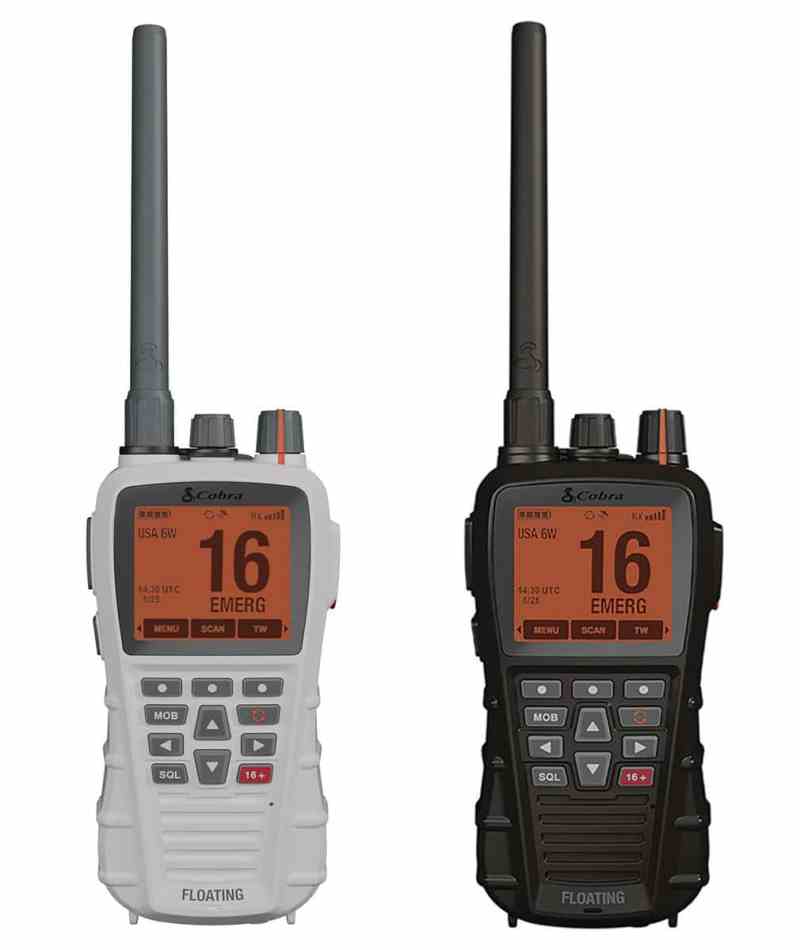
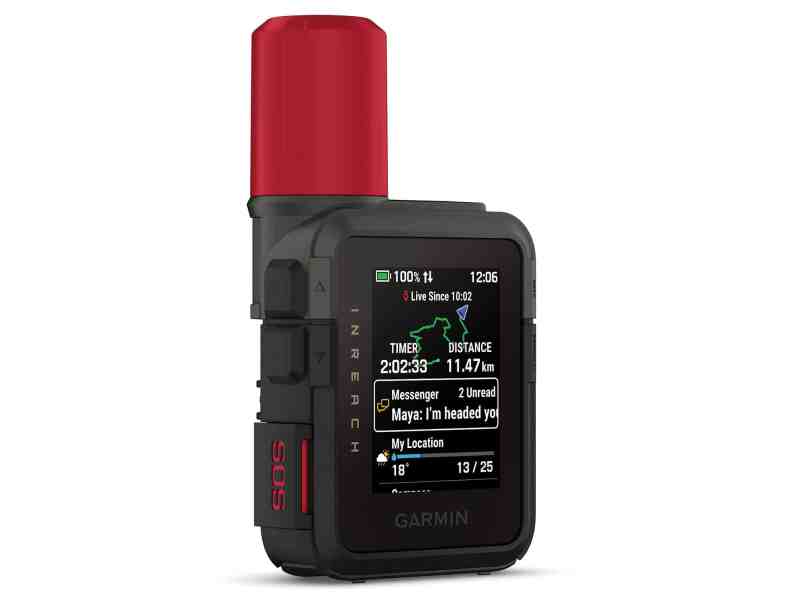
Gear in Play: Cobra BlueBound 650 VHF radio, ACR ResQLink View RLS Personal Locator Beacon (PLB), and Garmin inReach Mini3 satellite communicator.
Phase 3: Hours 1 to 12 (Sustained Signaling and Environmental Exposure)
As daylight fades or adverse weather sets in, the challenge shifts from initial contact to holding position and remaining visible to incoming rescue assets.
Action: Visual signaling devices are deployed as aircraft or surface vessels approach the search grid. Thermal protection and psychological stabilization become vital.
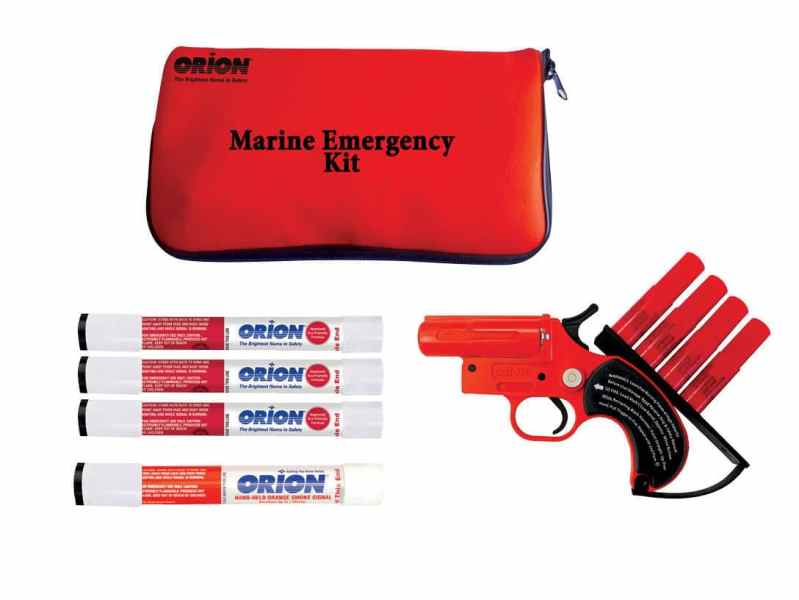
Gear in Play: Orion Coastal Alert/Locate flare kits (aerial and handheld flares), metal signal mirrors, and pealess emergency whistles.
Phase 4: Beyond 12 Hours (Medical Stabilization and Rescue)
If rescue assets are delayed due to remote positioning, severe weather, or nightfall, survival shifts to managing physical injuries, chronic medical needs, and exposure.
Action: First-aid trauma kits are opened to treat lacerations, shock, or hypothermia. Essential medications and backup prescription eyewear are deployed to maintain cognitive function.
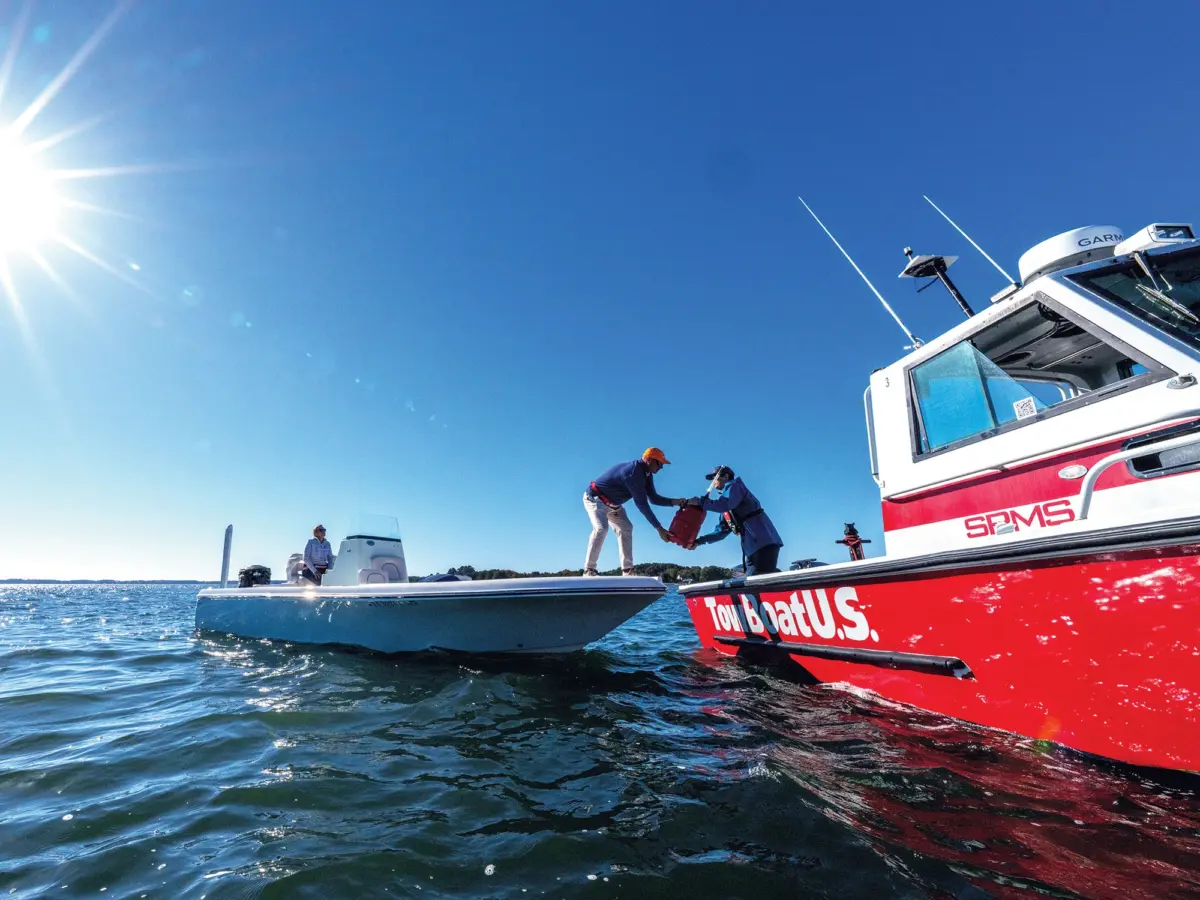
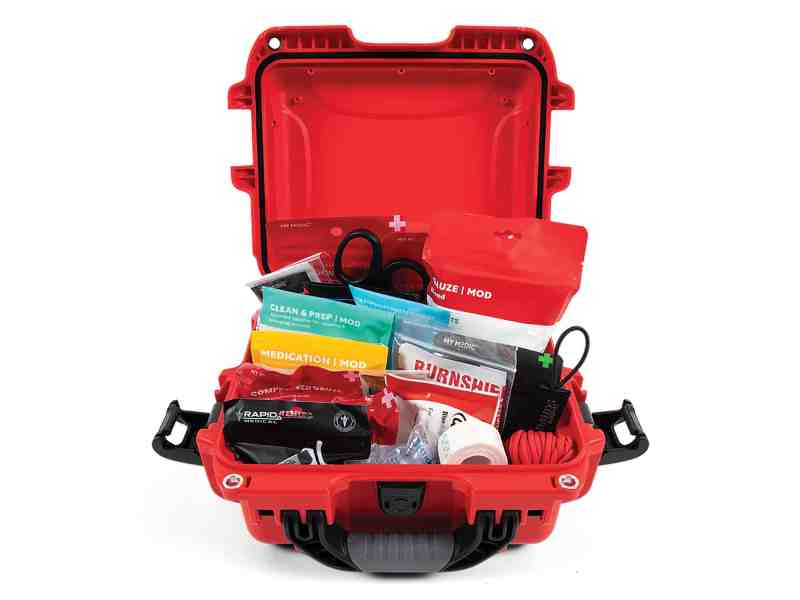
Gear in Play: MyMedic MyFAK Pro trauma kits, emergency prescription reserves, and professional towing/rescue coordination memberships via organizations like BoatUS.
Supporting Context & Metrics: The Anatomy of Offshore Risk
Statistically, offshore boating accidents account for a disproportionate percentage of severe marine fatalities. According to recent recreational boating safety data compiled by federal and non-profit marine agencies, the vast majority of drowning victims were not wearing life jackets, and many more perished because they lacked a reliable, tethered means of calling for help once separated from their primary vessel.
The Math of Survival: Time-to-Rescue Metrics
When planning a ditch bag inventory, mariners must ask a foundational question: How long will it take professional rescuers to reach my exact coordinates?
Inshore Environments (0–5 Miles): Average response times range from 30 minutes to 2 hours, provided cellular or VHF coverage is active and accurate GPS coordinates are transmitted.
Offshore Environments (20–50+ Miles): Response times stretch dramatically. United States Coast Guard (USCG) helicopter or cutter deployments can take anywhere from 3 to 12 hours depending on weather conditions, distance from air stations, and the precision of the initial distress signal.
The Solo Angler Factor
Consider the vulnerability of solo operators navigating deep salt marshes or heading 40 miles offshore in smaller craft (such as 20-foot center consoles). In these scenarios, there is no second crew member to handle radio transmissions while the captain bails water or fights a fire. Every piece of equipment in the ditch bag must be operable with cold, wet hands, often under extreme physical duress.
Official Statements and Expert Perspectives
Building a redundant, highly reliable safety kit requires listening to those who study marine mishaps for a living. Ted Sensenbrenner, Director of Boating Safety at the BoatUS Foundation, emphasizes that a ditch bag is not a generic bucket of supplies; it is a personalized survival system.
"A ditch bag should contain items that may be required for your survival if you and your crew end up in the water or a life raft," explains Sensenbrenner. uniqueItems in your ditch bag should coincide with how long you believe it will take for a rescuer to reach you.
Sensenbrenner also highlights the psychological and physical barriers encountered during high-stress rescues. He recalls a sobering case study involving a BoatUS member who abandoned ship during an emergency:
"We learned from a member who lost his prescription eyeglasses and fumbled to find the activation switch on the EPIRB. He didn’t have important medications, either. Had he not been rescued quickly, he would have faced additional concerns and life-threatening complications."
This cautionary tale underscores why modern ditch bags must account for personal biological needs—such as backup eyeglasses and vital pharmaceuticals—alongside high-tech electronics.
Comprehensive Gear Breakdown: What Goes in the Bag?
A truly comprehensive ditch bag is organized into distinct functional categories. Here is how modern safety professionals categorize the contents of a world-class kit.
1. The Container and Rigging
The Bag: High-visibility neon green or international orange floating bags (such as the ACR RapidDitch) equipped with heavy-duty grab handles and a personal harness system. Storage lockers on the vessel housing the bag should be boldly and clearly labeled "DITCH BAG."
Personal Flotation: Coast Guard-approved PFDs featuring durable Cordura outer shells and comfortable inner nylon liners (such as the Mustang Accel Foam PFD) that encourage proper, continuous wear.
2. Emergency Communication & Navigation
Electronics form the digital anchor of your rescue chain. Relying on a single device is a fatal mistake; redundancy is essential.
VHF Radios: Advanced handheld units like the Cobra BlueBound 650, featuring integrated GPS, Digital Selective Calling (DSC) emergency beacons, and smartphone connectivity for seamless communication.
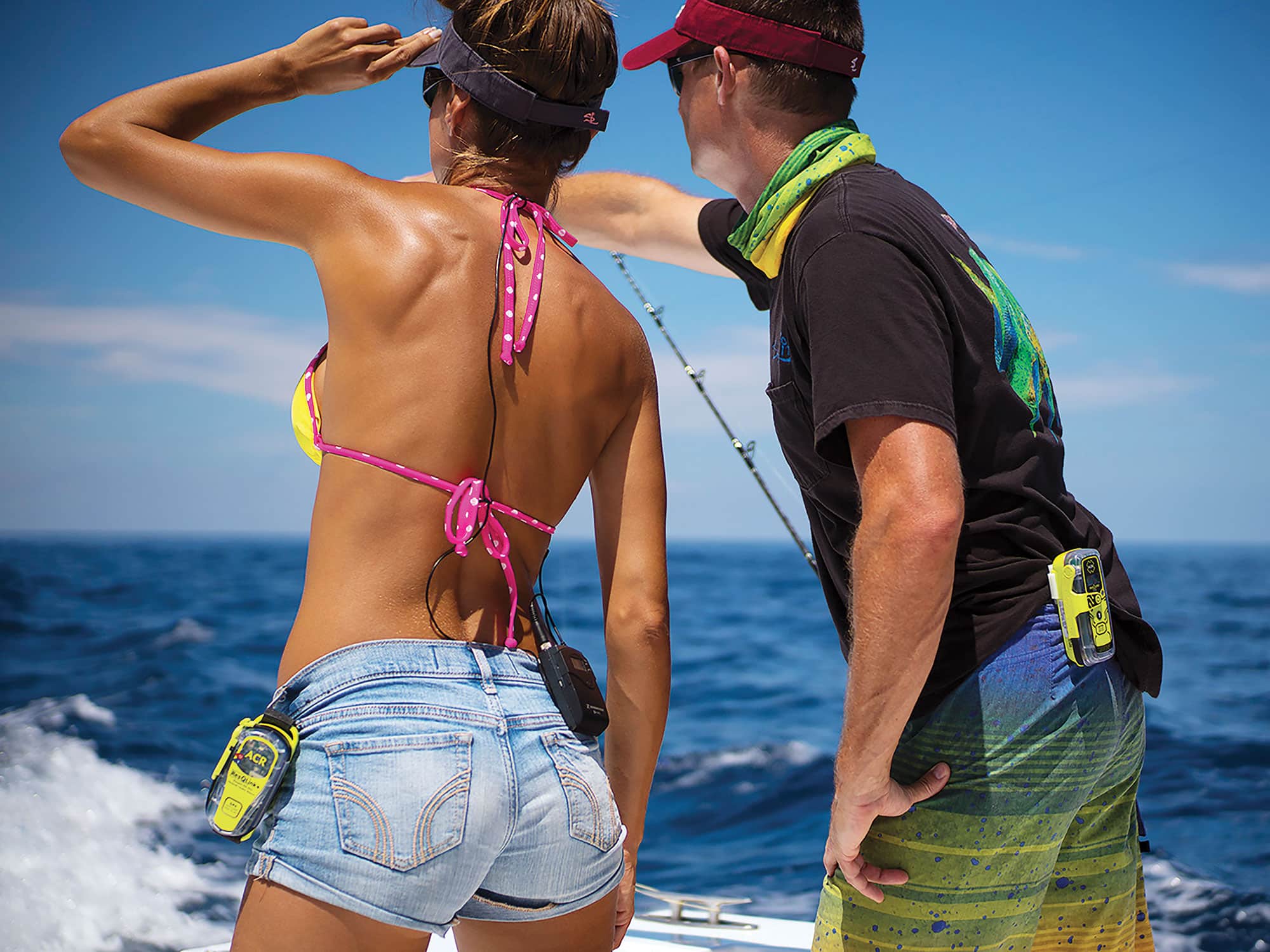
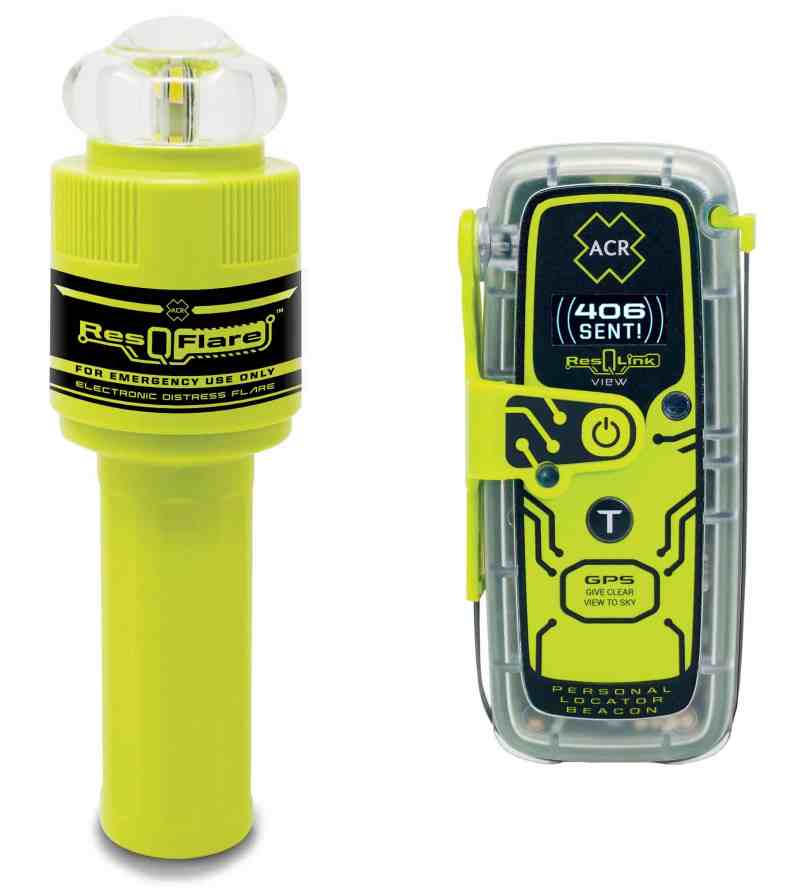
Personal Locator Beacons (PLBs): Devices such as the ACR ResQLink View RLS, operating on the global Cospas-Sarsat satellite network, complete with Return Link Service (RLS) to provide visual confirmation that your distress signal has been received by authorities.
Satellite Communicators: Units like the Garmin inReach Mini3 utilizing the Iridium global network. These devices enable two-way messaging, tracking, and even the transmission of photos and voice messages when cellular service is nonexistent.
3. Visual and Audible Signaling Devices
While digital beacons talk to satellites, visual signals guide rescuers directly to your exact wave crest in zero-visibility conditions.
Flare Kits: USCG-approved systems like the Orion Coastal Alert/Locate kit, featuring a corrosion-resistant flare gun, a bandolier-stored aerial flare system (reaching up to 500 feet), and three-minute handheld thermal burn flares housed in a floating neoprene case.
Signal Mirrors & Whistles: Low-tech, zero-battery essentials. A polished metal signal mirror flashes blinding sunlight across miles of ocean, while a high-decibel pealess whistle (featuring zero internal moving parts to jam or freeze) secures immediate audio attention.
4. Medical Trauma and Personal Sundries
Trauma Kits: Professional setups such as the MyMedic MyFAK Pro, encased in a waterproof, crushproof, and dustproof shell packed with over 140 first-aid items curated by emergency responders.
Personal Medical Gear: Waterproofed reserves of daily prescription medications and spare prescription eyeglasses to ensure cognitive clarity during rescue operations.
Future Outlook: The Evolution of Marine Safety Technology
As marine engineering and satellite technology continue to converge, the future of the ditch bag is rapidly evolving. We are witnessing a transition toward hyper-compact, multi-functional electronics that pack greater redundancy into smaller footprints.
Looking ahead, artificial intelligence integration within personal satellite communicators and autonomous distress beacons will likely allow automated vital-sign monitoring, transmitting physiological data straight to search-and-rescue coordinators alongside GPS coordinates. Furthermore, advancements in biodegradable materials and ultra-lightweight thermal insulation will make future survival gear more accessible to small-craft anglers and recreational boaters alike.
However, no matter how advanced technology becomes, the foundational rule of maritime survival remains unchanged: preparation, redundancy, and education are your best defenses. By combining a meticulously stocked, professional-grade ditch bag with safety education—such as the free online courses provided by the BoatUS Foundation—mariners can venture offshore with the ultimate peace of mind, knowing they are truly ready for whatever the water may bring.



0 Comments