Preparation is the foundational pillar of seamanship. When heading out onto open water, the line between a memorable day of fishing and a perilous maritime emergency can be razor-thin. While most boat owners meticulously maintain their engines, electronics, and tackle, many overlook the single most critical piece of survival equipment onboard: the ditch bag. Often referred to as a bugout bag, a ditch bag is a grab-and-go kit containing the vital safety gear a crew needs when forced to abandon ship or survive an unexpected catastrophe on the water.
In the high-stakes environment of offshore angling, where changing weather patterns, mechanical failures, or sudden hull breaches can transform a recreational trip into a life-or-death recovery operation, a well-stocked ditch bag stabilizes the situation and drastically shortens the rescue timeline. This comprehensive guide explores the essential components every boater should pack, drawing expert insights from maritime safety leaders and analyzing the advanced technologies designed to bring you home safely.
Detailed Chronology: Anatomy of a Maritime Emergency Response
When disaster strikes on the water, events unfold with terrifying speed. Understanding how an emergency transitions from onboard crisis to rescue operation highlights why immediate access to a ditch bag is paramount.
Phase 1: The Critical First Five Minutes (The Onboard Crisis)
The moment a boat begins taking on water, catches fire, or suffers a catastrophic structural failure, the captain and crew have a severely limited window of time—often less than 30 narcissistic seconds—to react. This is when panic threatens to take over. Having a brightly colored, distinctively labeled ditch bag stowed in a predetermined, easily accessible location eliminates hesitation. Instead of scrambling through lockers for flares or a radio, the crew grabs the bag and prepares to abandon ship or deploy life rafts.
Phase 2: Abandoning Ship and Establishing Contact
Once in the water or a life raft, the immediate priority shifts to survival and communication. In this phase, the ditch bag’s communication array becomes the lifeline. Activating a Personal Locator Beacon (PLB) or Emergency Position-Indicating Radio Beacon (EPIRB) transmits distress signals to global satellite networks. Simultaneously, handheld VHF radios and satellite communicators allow survivors to broadcast their exact GPS coordinates to nearby vessels and rescue coordinators.
Phase 3: Visual Signaling and Stabilization
As rescue authorities mobilize, survivors must make themselves visible against the vast, unforgiving canvas of the open ocean. Visual signaling devices—such as aerial flares, handheld orange smoke canisters, and metal signal mirrors—pierce through low-light conditions, fog, and choppy seas to guide arriving search-and-rescue teams directly to the life raft.
Phase 4: Medical Care and Extended Survival
If rescue operations are delayed due to weather or remote positioning, the focus shifts to medical stabilization and endurance. High-grade trauma kits, personal medications, and prescription eyewear housed within the ditch bag prevent secondary medical crises, ensuring the crew remains coherent and resilient until professional help arrives.
Supporting Context & Metrics: The Anatomy of a Modern Ditch Bag
To build a reliable ditch bag, boaters must tailor their kits to their specific operating environment—whether navigating inland salt marshes or venturing 40 miles offshore in a compact center console.
Choosing the Right Container
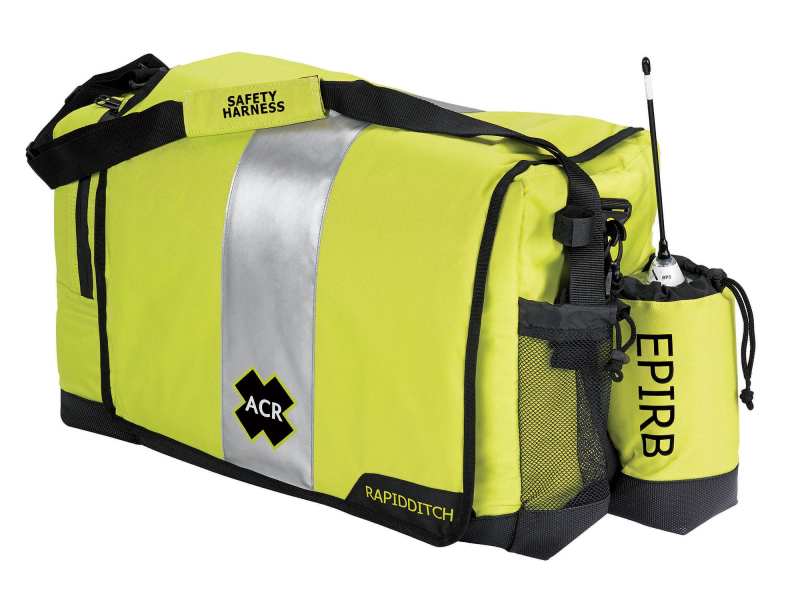
The foundation of any effective kit is the bag itself. Experts recommend high-visibility options, such as neon green or international orange, constructed from waterproof, floatable materials. Bags featuring integrated harness systems—like the ACR RapidDitch—allow survivors to securely tether the kit to their bodies while swimming in heavy surf. Furthermore, the storage locker designated for the kit onboard should be clearly labeled as the "Ditch Bag" so that even inexperienced passengers can locate it instantly in a crisis.
Emergency Communication Gear
Modern maritime communication technology has evolved exponentially, providing multiple layers of redundancy:
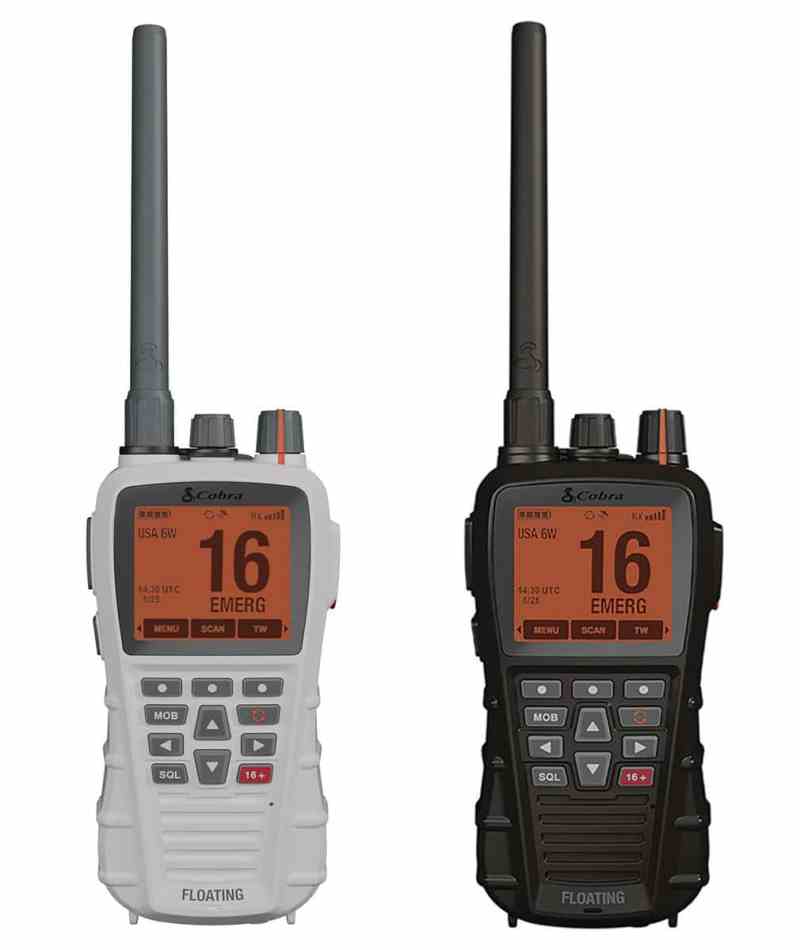
VHF Radios: Devices like the Cobra BlueBound 650 offer built-in GPS and Digital Selective Calling (DSC) emergency beacons that broadcast location coordinates and alert nearby vessels. Some models even sync with smartphones via Bluetooth to double as remote speaker-microphones.
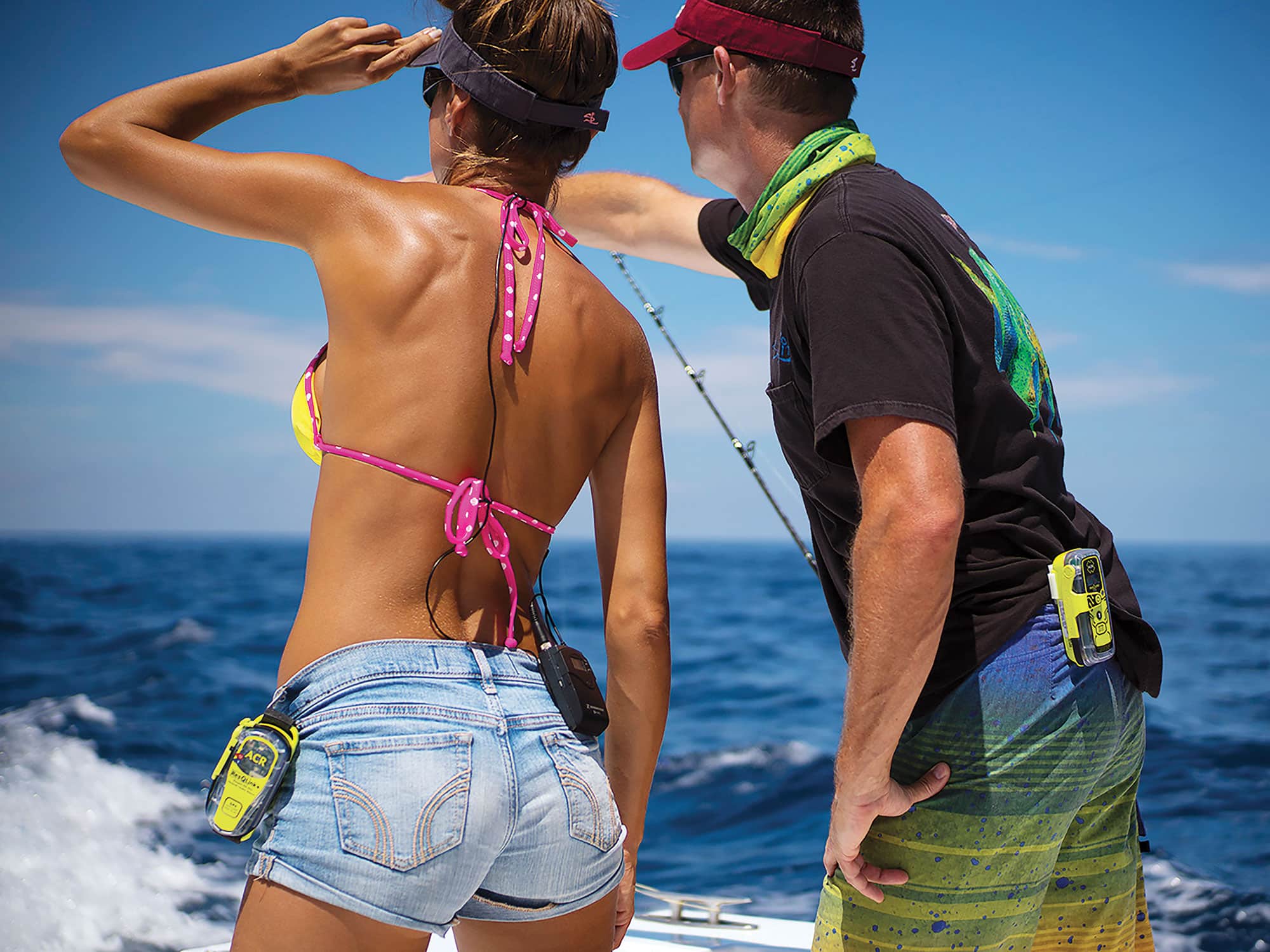
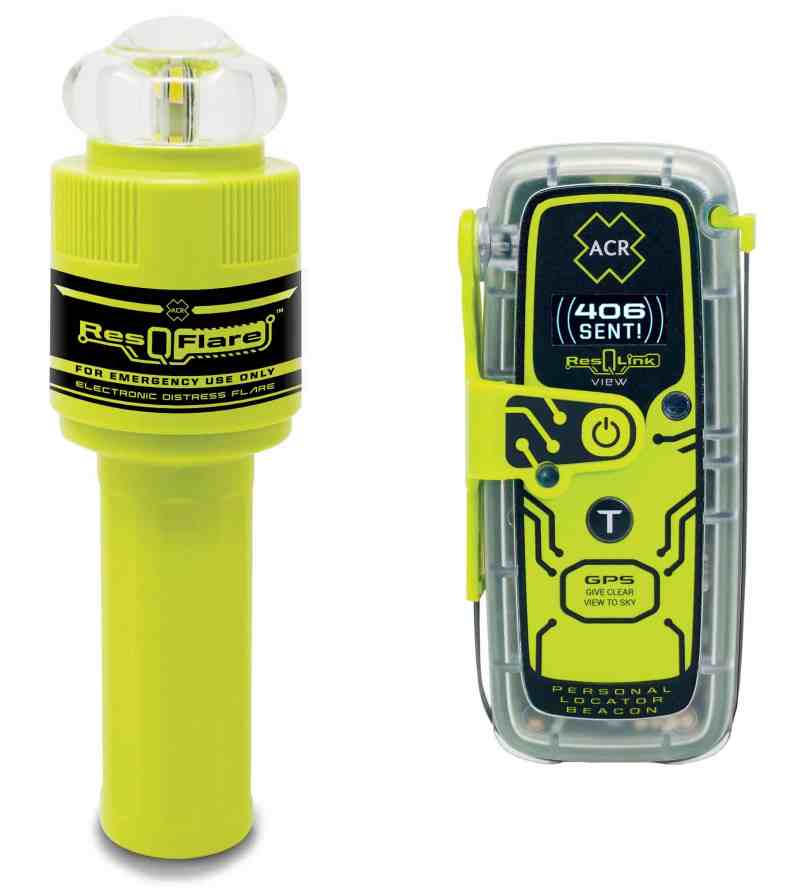
Personal Locator Beacons (PLBs): Compact units like the ACR ResQLink View RLS utilize the Cospas-Sarsat satellite network and feature Return Link Service (RLS) to visually confirm that distress signals and coordinates have been successfully received by rescue services.
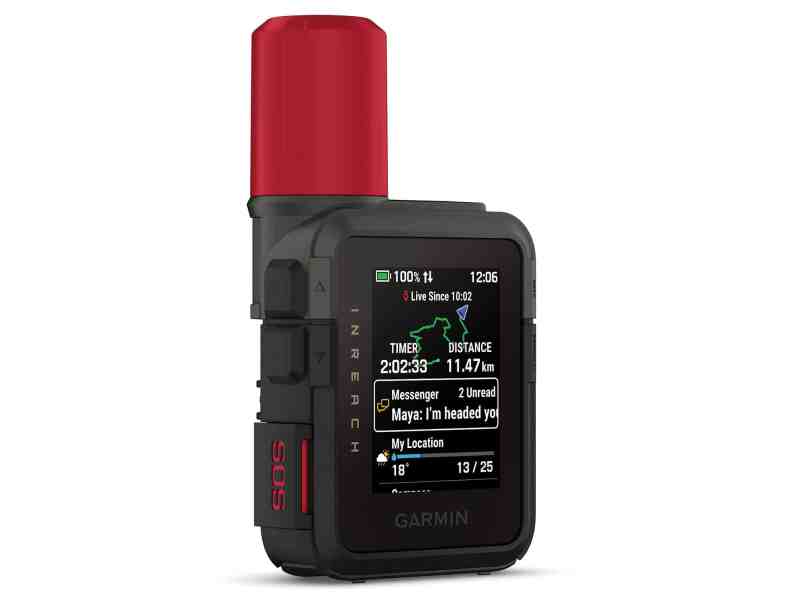
Satellite Communicators: Tools such as the Garmin inReach Mini3 provide global Iridium network coverage, allowing users outside of cellular service to send interactive two-way messages, transmit tracking data to family members, and even share photos or voice notes.
Visual Signaling and Low-Tech Redundancies
Advanced electronics are invaluable, but low-tech redundancies remain vital when batteries fail or circuits short out.
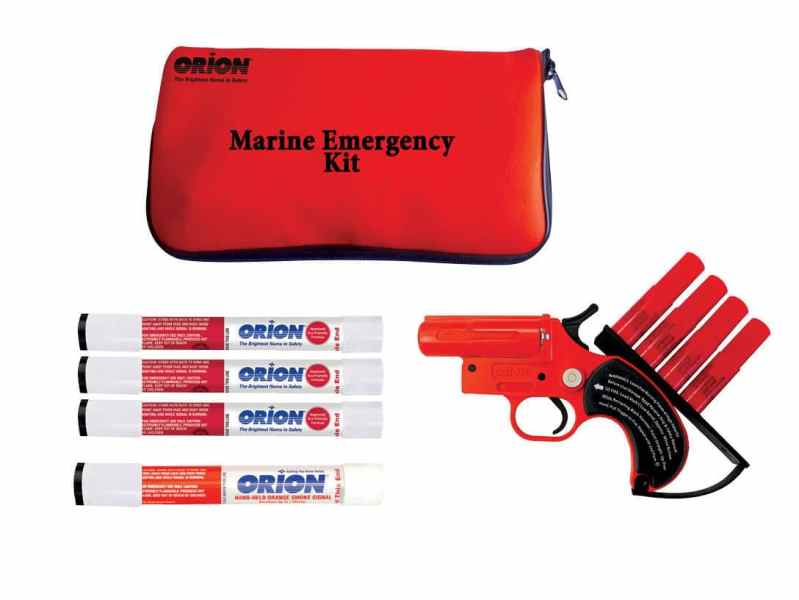
Flare Kits: U.S. Coast Guard-mandated visual distress signals, such as the Orion Coastal Alert/Locate kit, include aerial flares that launch up to 500 feet into the air and handheld flares that burn for up to three minutes to pinpoint locations in the dark.
Signal Mirrors and Whistles: Costing less than a cup of coffee, metal signal mirrors flash brilliant reflections of sunlight across miles of water, while pealess whistles (which lack internal moving balls prone to jamming) deliver reliable, high-decibel audio alerts.
First Aid, Medications, and Personal Needs
Medical preparedness requires more than basic adhesive bandages. Comprehensive kits like the MyMedic MyFAK Pro provide professional-grade trauma supplies housed in crushproof, waterproof cases. Crucially, veteran mariners emphasize the inclusion of spare prescription eyeglasses and vital medications. Losing glasses during an evacuation can render a survivor incapable of operating an emergency beacon, while missing daily medications can introduce life-threatening medical complications during an extended rescue wait.
Official Statements and Expert Perspectives
Maritime safety authorities stress that preparation is not merely a recommendation—it is a responsibility that dictates survival outcomes.
Ted Sensenbrenner, Director of Boating Safety at the BoatUS Foundation, emphasizes the personalized nature of survival kits:
"A ditch bag should contain items that may be required for your survival if you and your crew end up in the water or a life raft. The items in your ditch bag should coincide with how long you believe it will take for a rescuer to reach you."
Sensenbrenner also highlights the human element of maritime preparedness, recounting sobering lessons from seasoned boaters:
"We learned from a BoatUS member who lost his prescription eyeglasses and fumbled to find the activation switch on the EPIRB. Had he not been rescued quickly, he would have faced additional concerns and life-threatening complications."
Regarding comprehensive marine safety resources, Sensenbrenner notes the value of community-backed organizations:
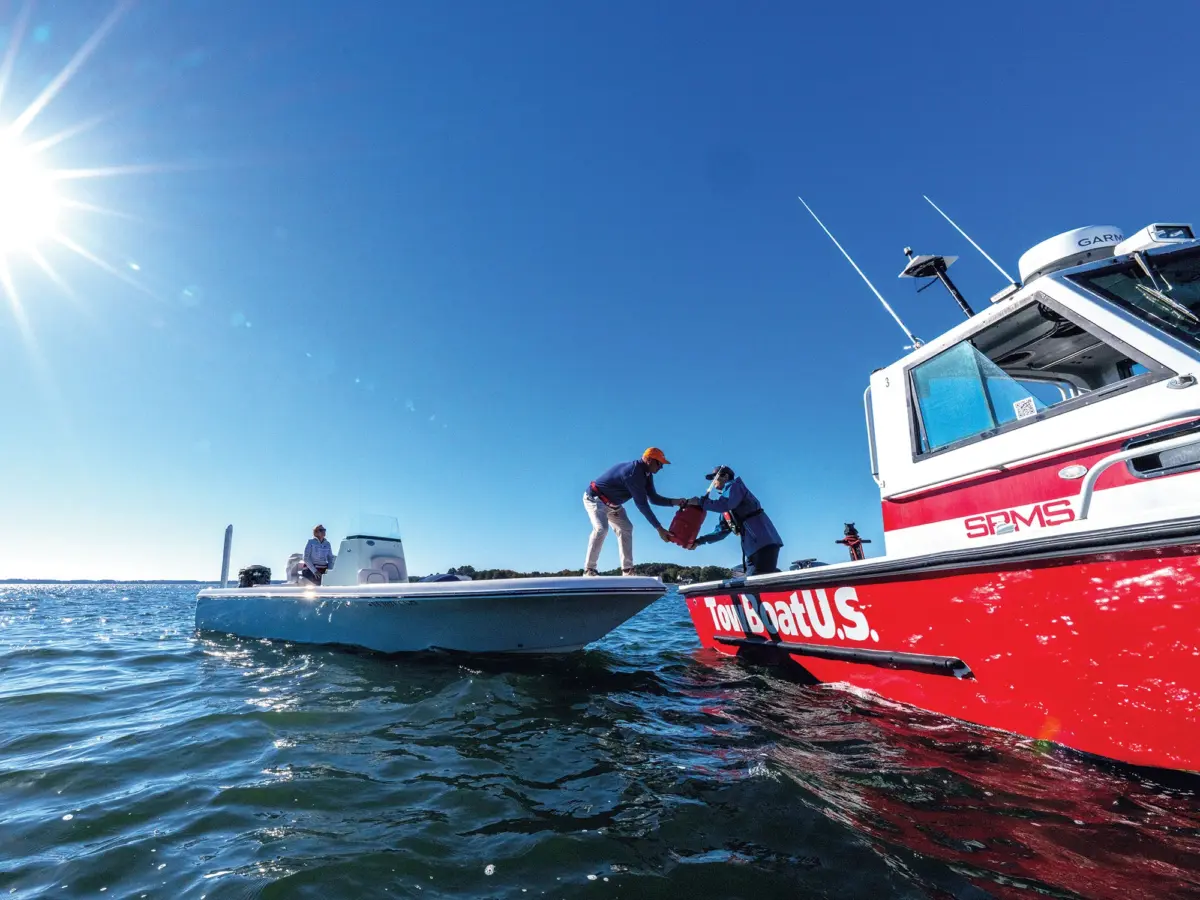
"The Foundation offers a free online boating safety course that meets many states’ education requirements. The organization also offers a life jacket loaner program for kids and emergency beacon rentals. Adding a BoatUS membership provides towing, jump starts, and gas drops to support boaters anywhere they fish."
Future Outlook: The Evolution of Maritime Safety
As marine electronics continue to advance, the future of ditch bag technology points toward greater integration, miniaturization, and enhanced connectivity. We are witnessing a convergence where personal safety devices no longer operate in isolation; instead, PLBs, satellite messengers, and VHF units increasingly interface with smartphones and multi-function displays on vessels.
In the coming years, advancements in battery chemistry will likely deliver even lighter, longer-lasting power sources for emergency beacons, while biodegradable materials will improve the eco-friendliness of marine flare technologies. However, despite rapid technological innovation, the core philosophy of maritime safety remains unchanged: technology is only as effective as the preparation of the person wielding it. By investing in a thoughtfully assembled, rigorously maintained ditch bag, anglers can secure the ultimate piece of marine equipment—the peace of mind that allows them to cast off with confidence, knowing they are prepared for whatever the water may bring.



0 Comments