

Executive Overview
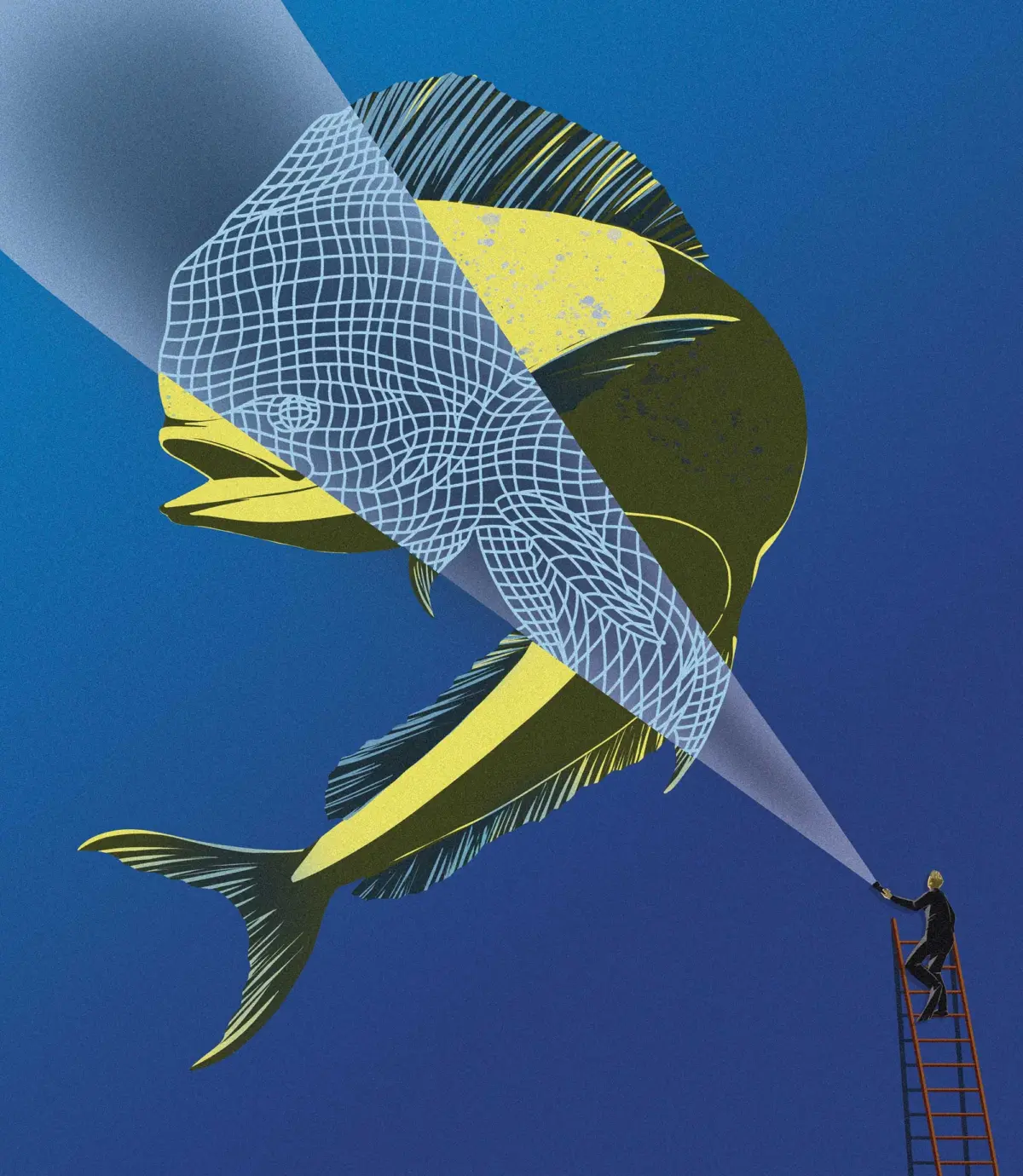
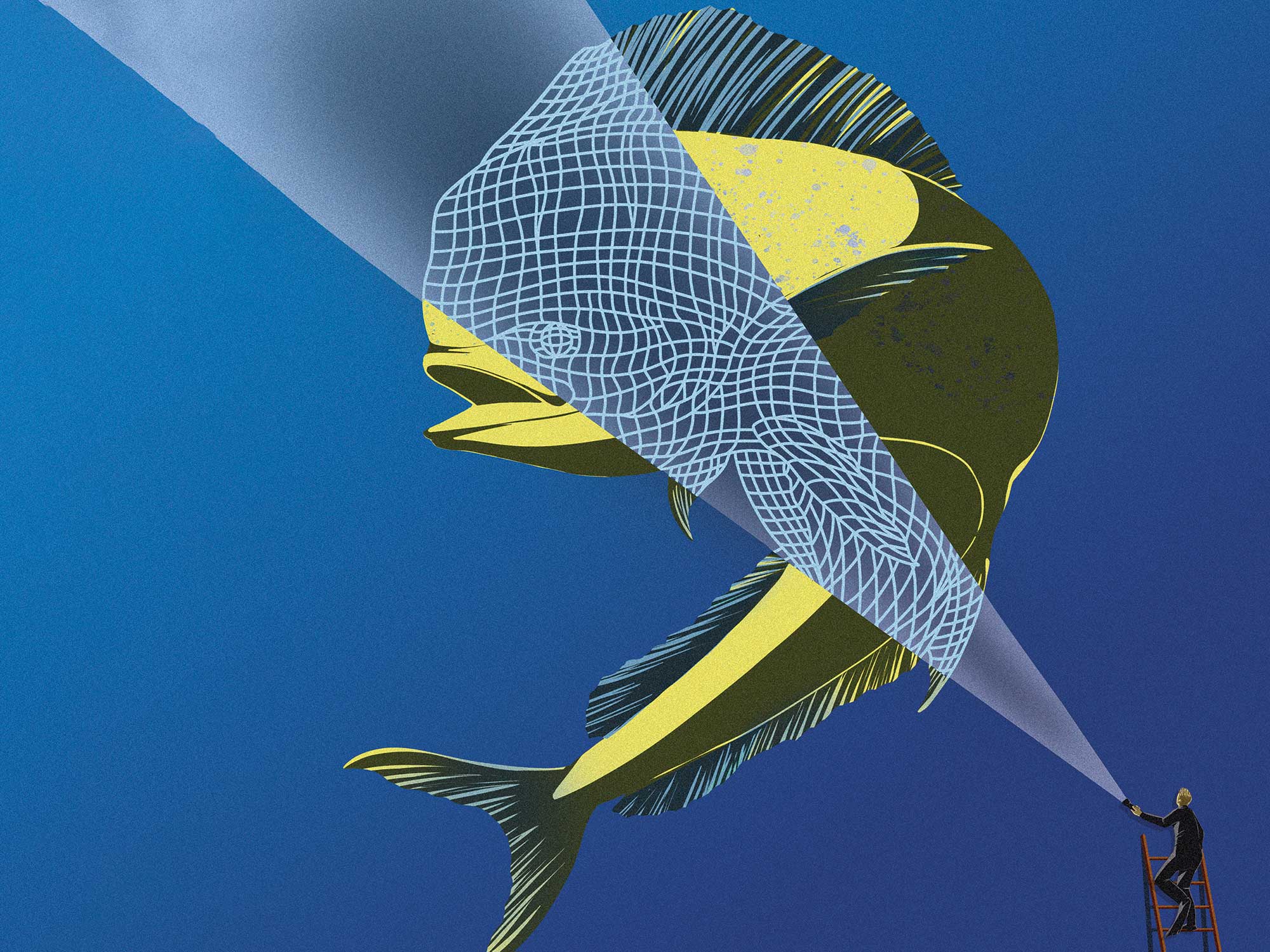
For a quarter of a century, the open ocean has kept its secrets locked away beneath rolling blue swells, but few pelagic species have remained as enigmatic as the dolphinfish—widely known as mahi-mahi or dorado. Celebrated universally for its dazzling iridescent hues, acrobatic fight on 20-pound tackle, and supreme culinary value, the dolphinfish has long been a fixture of sportfishing culture and global seafood markets. Yet, for generations, science knew astonishingly little about its basic biology, migratory pathways, population structure, or reproductive cadence.
When the Dolphinfish Research Program (DRP) was founded in 2002 under the auspices of the South Carolina Department of Natural Resources, skeptics dismissed the initiative outright. Prominent marine biologists told founder Don Hammond that his endeavor was a fool’s errand. Their rationale was simple: fishermen would never tag and release a fish prized just as much for its flavor profile as its fighting spirit. Hammond, however, maintained an unshakable faith in the conservation ethic of the angling community.
Twenty-five years and more than 40,500 deployed tags later, that faith has been more than vindicated. What began as a localized, private venture has evolved into one of the most successful, citizen-driven marine fishery research initiatives in human history. Supported heavily by conservation icons like the Guy Harvey Foundation—whose signature mahi artwork serves as the program’s emblem—the DRP has expanded its operational footprint from the Western Central Atlantic into the Caribbean, the Mediterranean, the Gulf of Oman, the Eastern Tropical Pacific, and beyond.
Despite this monumental accumulation of biological data, the program arrives at its silver anniversary amid a sobering reality: mahi populations are facing unprecedented anthropogenic pressures. Out of 43 distinct fisheries jurisdictions across the Western Central Atlantic, a staggering 38 lack any form of commercial or recreational regulation for the species. As regional management bodies stall on conservation measures, the data harvested by the DRP represents the single best line of defense for safeguarding the future of one of the ocean’s most charismatic and heavily exploited pelagic predators.
Detailed Chronology: From Skepticism to Global Conservation Milestone
The Genesis (Early 2000s)
At the turn of the millennium, fishery managers treated dolphinfish as an inexhaustible resource. Their logic relied on the species’ rapid growth rates, early sexual maturity, and prolific spawning capabilities. Consequently, little funding or institutional willpower was dedicated to tracking their stocks.
Don Hammond bucked this trend. Recognizing that traditional academic survey methods were poorly suited to tracking highly migratory, fast-swimming pelagic species spread across vast oceanic expanses, Hammond looked to the people on the water every day: recreational captains and commercial anglers. By equipping these mariners with simple, low-cost "spaghetti tags," instructional materials, and prepaid report cards, he built a decentralized research army from scratch.
Early days were defined by evangelism. Hammond traveled up and down the U.S. Eastern Seaboard and the Gulf Coast, addressing fishing clubs, marina operators, and charter captains. He had to convince crews to forego a fresh fish dinner in favor of recording data, tagging a live specimen, and returning it safely to the water. Slowly, momentum built. Early adopters began returning tags, revealing the first fragmented clues about coastal migration corridors.
Scaling Up and International Expansion (2010s)
As the decade progressed, the dataset grew from hundreds of tags to tens of thousands. Elite angling crews emerged, with a select few overachieving vessels individually accounting for upwards of 9,000 tagged and released dolphinfish. This massive influx of empirical data allowed researchers to move past guesswork.
The program’s success drew the attention of high-profile conservationists, most notably Dr. Guy Harvey. Recognizing the intrinsic cultural, economic, and ecological value of mahi-mahi, the Guy Harvey Foundation stepped in as a primary benefactor. This partnership injected vital resources into the program, allowing it to broaden its geographical scope.
While the Western Central Atlantic remained the core focus, tagging efforts bled outward. International captains in the Caribbean basin, the Mediterranean Sea, the Gulf of Oman, and the Eastern Tropical Pacific began participating. The program transformed from a regional U.S. study into a global network of ocean stewards.
Leadership Transition and Diversification (2017–Present)
In 2017, founder Don Hammond formally retired, passing the torch to Dr. Wessley Merten, a dynamic marine scientist equipped to take the program into the era of advanced spatial modeling, genetic analysis, and ecosystem-based management.
Under Merten’s guidance, the DRP did not rest on its laurels. Recognizing that the infrastructure, trust, and angler networks built over 15 years could be leveraged to tackle other data-deficient pelagic species, the program expanded its scope. In 2022, the DRP officially initiated data collection programs for wahoo (Acanthocybium solandri), another highly prized game fish suffering from critical data deficiencies and a lack of protective management frameworks.
Today, the DRP stands at a critical juncture. While its scientific output has never been higher, the regulatory environment surrounding pelagic fisheries has grown increasingly fraught, setting the stage for a tense battle between empirical science and bureaucratic stagnation.
Supporting Context & Metrics: What 25 Years of Tagging Has Revealed
The sheer volume of data collected by the Dolphinfish Research Program has shattered long-held assumptions about marine biology and fish behavior. By combining conventional tagging data with environmental observations, the DRP has mapped out the hidden lives of dorado in unprecedented detail.
Surprising Physiological and Behavioral Discoveries
- Sprint Champions of the Deep Blue: Through recapture data, the DRP documented a milestone biological fact: dolphinfish are capable of swimming 150-plus miles in a straight line over a single 24-hour period. This extraordinary burst capacity explains how schools can suddenly appear thousands of miles away across shifting ocean fronts.
- Vertical and Horizontal Movements: Tagging recoveries revealed that mahi routinely traverse international maritime boundaries, proving that unilateral domestic management strategies are fundamentally flawed. A fish tagged off the Florida Keys one week might be harvested by commercial fleets in Bahamian waters or artisanal fishermen in the Caribbean the next.
- Growth and Longevity Realities: While mahi grow at jaw-dropping rates—often reaching several pounds in just a few months of life—their lifespans are remarkably short. Most fish harvested by anglers are under two years old, making populations intensely vulnerable to recruitment overfishing if juveniles are harvested before they have a chance to spawn.
The Looming Regulatory Crisis
Despite these scientific revelations, the macroeconomic demand for mahi-mahi fillets and sandwiches continues to skyrocket. This relentless market pressure stands in stark contrast to an alarming regulatory void.
- The 38-Jurisdiction Blindspot: Within the Western Central Atlantic—a sprawling marine ecosystem encompassing 43 distinct governing jurisdictions—only five (Mexico, the Bahamas, the continental United States, Puerto Rico, and the U.S. Virgin Islands) have enacted any formal recreational or commercial harvest regulations for dolphinfish. The remaining 38 jurisdictions operate in a legal vacuum where fish can be removed without size limits, bag limits, or seasonal closures.
- Ecosystem Overfishing: Dr. Guy Harvey articulated the crisis bluntly in a previous interview with Salt Water Sportsman: "The dolphin is an oceanic species that we thought could never be overfished. Well, here we are, and dolphin are overfished, not only by recreational anglers, but because of the nationwide demand for the mahi fillet or mahi sandwich."
Official Statements and Leadership Perspectives
The 25th anniversary of the Dolphinfish Research Program has prompted both poignant reflection from its founding architect and a fierce, urgent call to action from its current director.
Don Hammond: Founder & Director Emeritus
Reflecting on the turbulent path from skepticism to triumph, Hammond shared his deep appreciation for the community that built the program:
"Several biologists I worked with said I was wasting my time because fishermen would never throw back a dolphin. They were too good to eat. But I had faith in the sport fishermen. Looking back, I am profoundly grateful for all the wonderful fishermen I met through the study, and the never-before-known aspects about this popular game fish’s life history that were continually revealed."
Dr. Wessley Merten: Current Program Director
Merten views the silver anniversary not merely as a celebration of past achievements, but as a launchpad to solve the most pressing ecological mystery facing modern sportfishing: the systemic, long-term decline in both the size and abundance of mahi-mahi along the U.S. East Coast and portions of the Caribbean Sea.
Addressing the broader picture of pelagic management, Merten did not mince words regarding recent bureaucratic setbacks. In June 2026, the South Atlantic Fishery Management Council abruptly halted a four-year initiative designed to fortify regional dolphin conservation measures—a decision that sent shockwaves through the conservation community.
In a direct appeal to anglers, captains, and stakeholders, Merten issued a sobering clarion call:
"In the short term, domestic and international management of dolphin is in a state of stagnation, despite the species’ economic and cultural importance and continual calls from anglers to improve management of the species. In the long term, your engagement in the DRP can help acquire basic fishery information that can be used to improve species management for generations to come."
Future Outlook: The Next Horizon for Pelagic Conservation
As the Dolphinfish Research Program enters its second quarter-century, its mission is more urgent than ever. The challenges ahead are formidable, intersecting science, international diplomacy, and consumer behavior.
1. Broadening Species-Specific Inventories
Building on the successful integration of wahoo into the DRP framework, program leadership is evaluating whether similar citizen-science methodologies can be deployed to study other pelagic species plagued by data scarcity. As climate change shifts thermal boundaries and alters migratory pathways, understanding the baseline biology of pelagic predators will become paramount.
2. Bridging the Gap Between Science and Policy
The stagnation of regional bodies like the South Atlantic Fishery Management Council underscores a persistent hurdle: policymakers often move far slower than ecological realities dictate. The DRP’s ongoing strategy relies on weaponizing irrefutable data. By converting raw tag recoveries into peer-reviewed distribution maps and stock assessments, the program aims to strip away the plausible deniability that international management bodies have historically used to delay conservation action.
3. Cultivating the Next Generation of Ocean Stewards
At its core, the DRP remains a monument to the power of citizen science. Without the voluntary participation of everyday anglers—who donate their time, fuel, and expertise to tag and release fish—none of the past 25 years of discoveries would have materialized. Ensuring the longevity of mahi-mahi populations will require doubling down on this grassroots ethic, transforming recreational anglers from passive consumers of marine resources into active guardians of the marine biosphere.
The ghosts of the Gulf Stream—those lightning-fast, neon-blue travelers of the deep—will continue their ancient migrations. Whether they swim into a future defined by intelligent, science-based stewardship or one crippled by unchecked exploitation will depend heavily on the continued legacy of Don Hammond’s radical, highly vindicated experiment.

0 Comments