

Executive Overview
Nestled within the dense, subtropical canopy of Flagler Beach, Florida, lies a landscape where natural beauty and a complex, sobering past intersect. Bulow Plantation Ruins Historic State Park preserves the hauntingly picturesque remnants of an 19th-century powerhouse that once dominated the regional economy. Established in 1821, the sprawling 2,200-acre estate was dedicated to the large-scale commercial cultivation of sugar cane, cotton, rice, and indigo. Powering this immense agricultural machine were more than 200 enslaved men, women, and children whose labor sustained not only the fields and the towering coquina sugar mill, but also a burgeoning industrial settlement known as Bulowville.

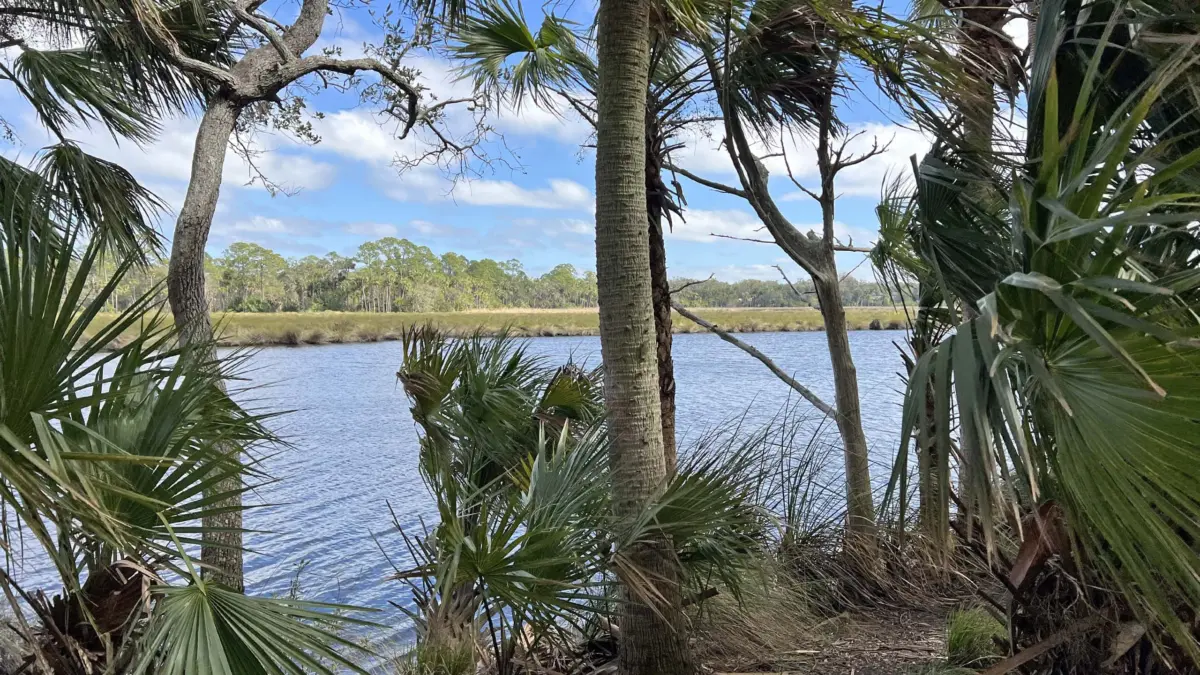
Today, the state park offers visitors a poignant journey through time. Anchored by towering, vine-draped coquina chimneys and stone foundations, the park functions as both an outdoor museum and a premier ecological sanctuary. Managed by Florida State Parks, the property features a meticulously interpreted 1.4-mile trail network that guides hikers past archaeological sites, historic boat slips along Bulow Creek, the excavated footprints of enslaved quarters, and pristine hammocks of ancient live oaks and cabbage palms. This report provides a comprehensive examination of the site’s historical trajectory, its ecological footprint, the specifics of its trail infrastructure, and its enduring significance within Florida’s cultural landscape.

Detailed Chronology
The recorded history of Bulow Plantation and the surrounding Bulowville settlement spans a brief yet volatile fifteen-year period, defined by rapid commercial rise and catastrophic destruction.

1821: Establishment and Expansion
In 1821—the same year Spain formally transferred Florida to the United States—Charles Bulow established the plantation along the banks of Bulow Creek. Capitalizing on the region’s fertile soils and advantageous waterway access, the estate quickly grew into a massive 2,200-acre agricultural enterprise. The plantation’s primary cash crops included sugar cane, cotton, rice, and indigo. To process the harvested cane on an industrial scale, the family constructed a sophisticated steam-and-mule-powered sugar mill featuring thick walls built from coquina, a sedimentary rock composed of shell fragments native to the Florida coast.

December 1831: The Visit of John James Audubon
As the plantation reached the height of its economic prosperity, it played an unexpected role in American art and ornithology. Famed naturalist and painter John James Audubon arrived at Bulowville on Christmas Day in 1831. During his stay, Audubon observed and painted the Greater Yellowlegs (Tringa melanoleuca). Notably, his artistic documentation of the area included a clear depiction of a row of slave cabins in the background, offering a rare, contemporaneous visual record of the plantation’s human infrastructure alongside its natural surroundings.

January 1836: Destruction and Abandonment
The Second Seminole War sealed the fate of Bulowville. As hostilities escalated between the United States military and native Seminole forces, the plantation was viewed as a strategic outpost and a symbol of encroachment. In January 1836, a Seminole war party descended upon the estate. The owners and residents fled, and the plantation was burned to the ground. The intense fires gutted the mansion, the outbuildings, and the surrounding settlement, leaving behind only the fire-resistant coquina masonry of the grand sugar mill. Bulow Plantation was never rebuilt, and the reclaimed forest steadily swallowed the ruins, preserving them in a state of arrested decay.

Supporting Context & Metrics
Understanding the operational scope of Bulow Plantation requires examining the logistical, geographic, and demographic metrics that defined its existence.

Labor and Settlement Demographics
- Enslaved Population: Over 200 enslaved individuals maintained the fields, mills, and domestic spaces. Purchased or inherited by Charles Bulow and his son John Bulow, these workers lived in a community of approximately 40 small cabins situated along the edge of the palm hammock.
- Agricultural Yield: The 2,200-acre footprint was divided among four primary commodities: sugar cane, cotton, rice, and indigo, with sugar processing serving as the primary industrial engine.
Logistics and Transportation Network
- Waterborne Commerce: Fronting Bulow Creek provided an immediate logistical advantage. Flatboats and cargo vessels docked at dedicated slips cut directly into the creek banks.
- The Shipping Route: Goods processed at the sugar mill—including raw cane sugar, molasses, and indigo dye—were hauled from the mill to the boat slips, transported down Bulow Creek to the Halifax River, navigated through the Mosquito Inlet near New Smyrna, and ultimately launched into the Atlantic Ocean for regional and international export.
Modern Park Infrastructure & Trail Metrics
- Location: Flagler Beach, Florida (Address: 3501 Old Kings Rd)
- Total Trail Length: 1.4 miles of interpreted interpretive paths.
- Land Manager: Florida State Parks (Contact: 386-517-2084)
- Operating Hours: Open Thursday through Monday, 9:00 AM to 5:00 PM (Closed Tuesday and Wednesday).
- Admission Fees: $4 per vehicle.
- Key Trail Breakdown:
- Sugar Mill Nature Trail / Waterfront Walk: ~0.4 miles out-and-back, exploring the waterfront, boat slips, and indigo display.
- Sugar Mill Loop: A 0.2-mile accessible loop traversing the 1831 industrial complex and spring house.
- Spring House Path: A short side trail leading to a sulfuric spring basin.
- Bulow Woods Loop (Adjacent): A rugged 5.2-mile primordial forest trek connecting to neighboring Bulow Creek State Park.
Official Statements & Park Management Guidelines
The Florida Department of Environmental Protection and Florida State Parks oversee the preservation and public interpretation of Bulow Plantation Ruins Historic State Park. Management policies emphasize a delicate balance between historical education, ecological preservation, and visitor safety.

Preservation of Archaeological Integrity
Park authorities stress that the coquina ruins and archaeological footprints—such as the outlined perimeters of John Bulow’s home and the quarters of the enslaved workforce—are protected historical resources. Visitors are strictly prohibited from climbing on the fragile coquina walls or removing artifacts. Interpretive kiosks and fenced markers have been strategically installed to educate the public on the harsh realities of plantation life while safeguarding the physical remnants for future generations.

Recreational Access and Regulations
- Accessibility: While the loop around the main sugar mill ruins features accessible walkways, the majority of the natural-surface footpaths weave through uneven hammocks featuring exposed roots and sandy soils.
- Pets: Leashed dogs are welcome within the park, provided owners practice strict waste cleanup.
- Paddlesports and Boating: A dedicated boat ramp and paddlesports launch provide direct access to Bulow Creek. Canoe rentals are available on-site, encouraging visitors to experience the waterway precisely as 19th-century merchants and travelers once did.
Future Outlook
As Bulow Plantation Ruins Historic State Park looks toward the future, its mission continues to evolve from traditional recreational tourism toward comprehensive, multi-layered historical interpretation.

Expanding Historical Narratives
Recent museum interpretive upgrades focus heavily on broadening the historical narrative. While early park interpretation centered primarily on the architectural majesty of the sugar mill and the dramatic events of the Second Seminole War, contemporary exhibits place equal emphasis on the lives, labor, and resilience of the enslaved African Americans who built Bulowville. Archaeological excavations and detailed signage along the slave cabin clearing ensure that visitors confront the complete spectrum of the site’s history.

Conservation in a Changing Climate
Ecologically, park managers face the ongoing challenge of protecting the fragile coastal hammock from the pressures of regional development and sea-level rise. Bulow Creek, functioning as a vital estuarine tributary connected to the Halifax River system, requires careful hydrological monitoring. Initiatives to maintain the pristine canopy of ancient live oaks, magnolias, and cabbage palms ensure that the surrounding wilderness remains a resilient buffer for the historic ruins.

Ultimately, Bulow Plantation Ruins Historic State Park stands as an enduring monument to Florida’s complex past. By weaving together the threads of natural history, industrial heritage, and human struggle, the park provides an invaluable educational resource where visitors can walk beneath the shadows of ancient oaks and bear witness to the forces that shaped the modern Sunshine State.

0 Comments