

Executive Overview
Tucked deftly between modern residential subdivisions on the southern boundary of Bradenton, Conservatory Park operates as a quiet sanctuary from contemporary sprawl. Managed by Manatee County, this compact yet ecologically rich property proves that wild spaces do not require vast square mileage to offer meaningful immersion in nature. Centered around a 0.7-mile paved loop, the park skillfully blocks out the sights and sounds of surrounding suburban development, substituting the hum of traffic with dense bird songs, rustling saw palmettos, and the gentle lapping of water against timber edges.
The park bridges the gap between structured recreation and environmental conservation. Designed with accessibility in mind, its asphalt pathways invite strollers, wheelchairs, and casual walkers alike to experience a remnant of the native pine flatwoods that historically defined this region of Florida. Complete with interactive nature-play features, educational signage detailing regional watersheds, an outdoor amphitheater, a scenic lake observation deck, and a dedicated paddler’s launch, Conservatory Park functions as a community hub as much as it does an ecological refuge. This report explores the infrastructure, layout, and localized impact of a park that successfully harmonizes high-density suburban life with native Floridian preservation.
Detailed Chronology: Navigating the 0.7-Mile Loop
A journey through Conservatory Park unfolds as a carefully paced sequence of distinct ecological micro-environments and interpretive waypoints. Spanning a brief but rewarding 0.7 miles, the trail system is engineered to provide continuous engagement for families, casual hikers, and local residents seeking an outdoor escape.
Setting Out from the Northern Trailhead
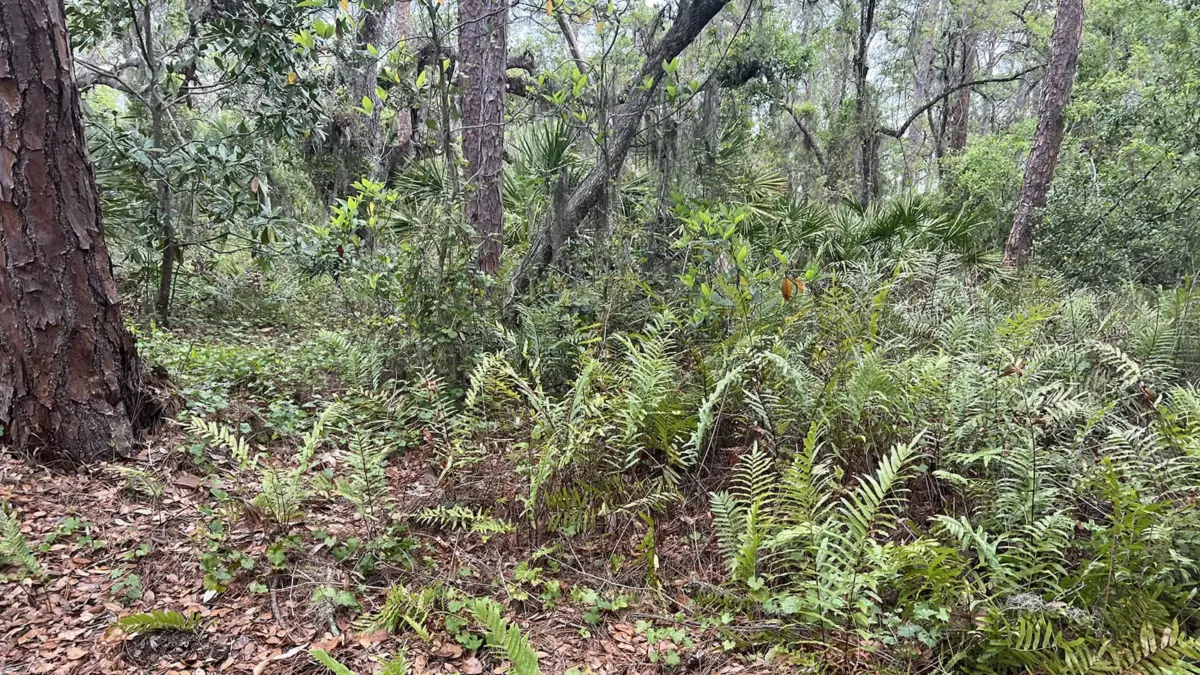
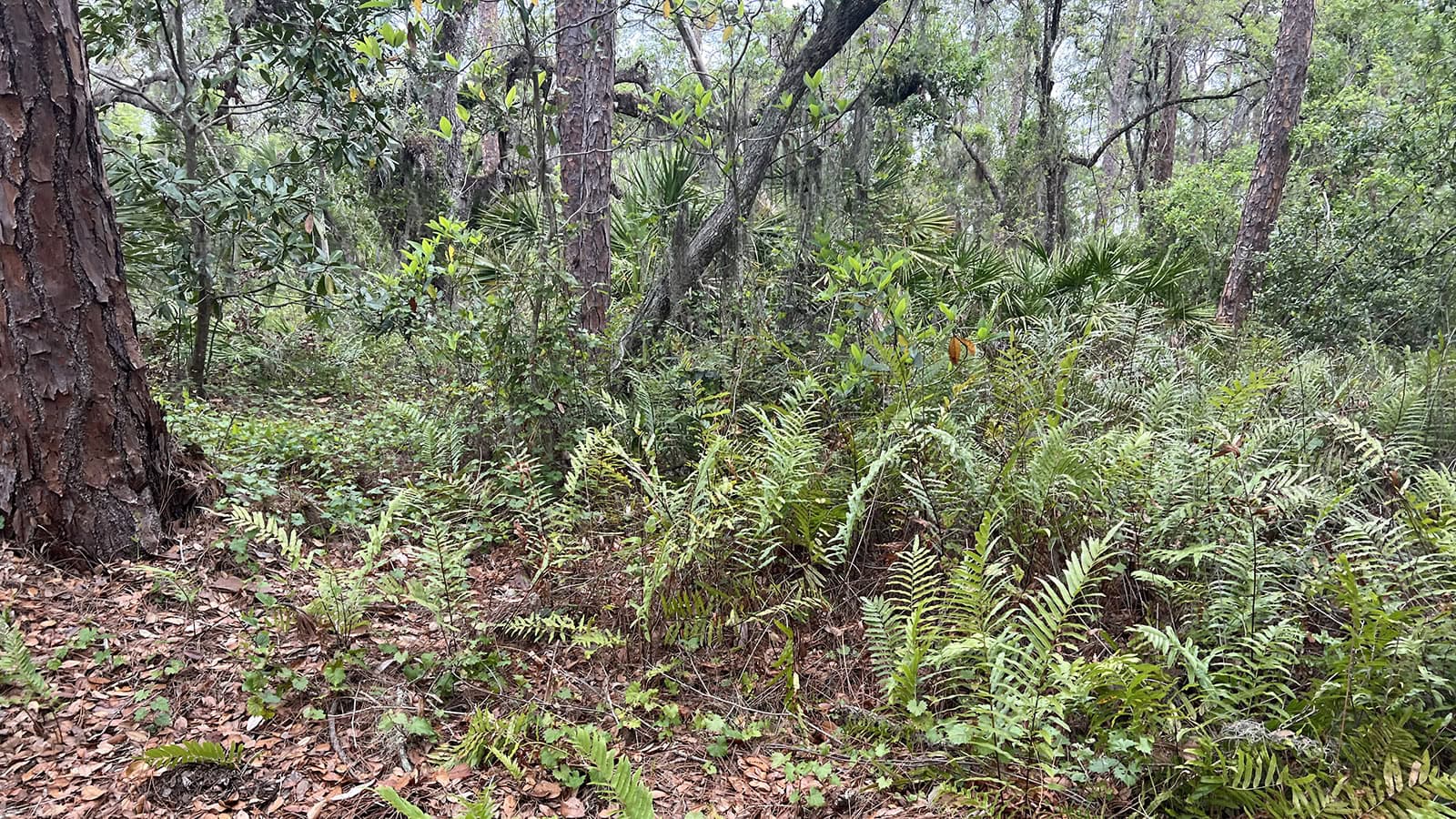
The trek begins at the northern parking area, where visitors step onto a short connector sidewalk that quickly intersects with the main asphalt loop. Opting for a counter-clockwise or clockwise circuit—most local guides recommend a clockwise trajectory—hikers immediately enter a dense canopy of tall slash pines. This section preserves a tangible fragment of the historical flatwoods ecosystem, characterized by a complex understory of ancient saw palmettos and tangled grapevines.

As the path curves, the urban boundary vanishes. The auditory landscape shifts dramatically, dominated by the calls of local avifauna and the whisper of wind through pine needles. Passing the first of several shaded picnic shelters, the trail rolls across a slight elevation change where resilient live oaks begin to mingle with the pines, forming a layered canopy that filters the brilliant Florida sunlight.
Engaging the Senses: Nature Play and Educational Stations
One of Conservatory Park’s defining characteristics is its seamless integration of imaginative play spaces with environmental education. Along the eastern stretch of the loop, visitors encounter the first major nature-play feature: a cluster of oversized, whimsical artificial mushrooms rising beside a detailed interpretive sign. These artistic installations invite children to interact physically with their environment while setting the stage for deeper ecological curiosity.

Continuing along the pathway, a brick-paved spur branches off toward an intimate outdoor amphitheater, framed by thick blankets of marsh ferns thriving beneath arching live oaks. Shortly thereafter, the path crosses a broad wooden bridge leading to a central junction. This hub connects the main loop to a dynamic playground area, fully equipped with public restrooms and additional picnic facilities, making it a natural gathering spot for families.
The Lake Vista and Paddler’s Launch
Rejoining the main path and navigating behind the safety boundary of the southern trailhead, hikers reach the park’s primary aquatic feature at approximately the 0.4-mile mark. A short boardwalk spur extends westward, terminating at a spacious observation deck that overlooks a tranquil, dark-water lake.

From this vantage point, visitors can frequently spot turtles breaking the surface or basking along the forested far shore. For those looking to take their recreation to the water, a short footpath descends from the observation deck directly to a dedicated dock and launch area. While the lake is modest in size, this launch provides kayakers and paddleboarders with a quiet entry point into a protected aquatic habitat.
The Return Journey: Watersheds and Canopies
Leaving the lake behind, the trail crosses the park’s internal access road and plunges back into the dense embrace of the forest. The understory here thickens once more with aggressive grapevines and dense palmetto fronds.

As the loop bends northward, hikers pass another park map kiosk and encounter a second bird-themed nature play area. The overhead canopy tightens as low-slung oak branches form natural archways over the asphalt. Educational signage in this sector highlights the broader Manatee River watershed, a sprawling network encompassing more than 350 square miles of regional hydrology.
Passing a final junction—which links back to the playground via a butterfly-themed play zone—the trail crosses another fern-choked drainage bridge. The final stretch weaves effortlessly back through the pine flatwoods, returning hikers to the northern parking area just as the odometer ticks over to 0.7 miles.

Supporting Context & Metrics
Understanding the operational footprint of Conservatory Park requires evaluating its physical specifications, accessibility standards, and geographical context within Manatee County.
Vital Statistics and Specifications
- Location: Southern edge of Bradenton / Sarasota border region
- Physical Address: 8027 Conservatory Dr, Sarasota, FL 34243
- Trail Length: 0.7 miles (fully paved, continuous asphalt loop)
- Coordinates (Trailhead): 27.39684, -82.49218
- Land Manager: Manatee County Parks and Natural Resources Department
- Operating Hours: Open daily from dawn to dusk
- Admission Fees: Free to the public
- Restroom Facilities: Available adjacent to the central playground area
- Pet Policy: Dogs are welcome but must remain on a leash at all times; owners are strictly required to clean up after pets.
Accessibility and Infrastructure Metrics
The park’s design heavily prioritizes universal access. Unlike rugged backcountry trails that feature sand, exposed roots, or limestone unevenness, Conservatory Park’s 0.7-mile loop is constructed entirely from smooth, wide asphalt. This makes it an ideal resource for:

- Stroller-bound families: Parents can navigate the terrain without worrying about rugged terrain impediments.
- Mobility-impaired visitors: Wheelchair users and individuals utilizing mobility aids can complete the entire loop independently.
- Fitness enthusiasts: Walkers and joggers utilize the measured loop for low-impact cardiovascular routines shielded from road traffic.
Navigational Access
Reaching the park is straightforward for regional commuters and visitors alike:
- From Interstate 75: Take Exit 213 for Sarasota, heading west on University Parkway for approximately 2.2 miles.
- Turn right onto Whitfield Avenue (County Line Road) and proceed north for 0.3 miles.
- Turn left onto Timberlake Road, travel 0.3 miles, and make a final left onto Desoto Woods Drive, which leads directly to the park’s internal parking infrastructure.
Official Statements
Local land managers and environmental advocates have frequently highlighted Conservatory Park as a model for modern suburban conservation.

According to representatives from the Manatee County Parks and Natural Resources Department, properties like Conservatory Park serve a vital dual purpose. "As our region experiences unprecedented residential and commercial development, preserving isolated pockets of native habitat is no longer optional—it is a community necessity," county officials note in regional parks literature. "Conservatory Park demonstrates that heavy suburban encroachment does not have to spell the end of local ecology. By weaving accessibility, education, and active recreation into a relatively small acreage, we ensure that residents of all ages maintain a direct, daily connection to Florida’s natural heritage."
Community planners and local trail advocates similarly emphasize the psychological and physical benefits of such urban buffers. Environmental educators point out that the park’s interactive elements—such as the watershed interpretive signs and nature-play structures—play an essential role in fostering environmental stewardship among younger generations. "When children interact with giant mushrooms, play around butterfly installations, and look for turtles from an observation deck embedded within native pine flatwoods, conservation ceases to be an abstract concept," notes regional park programming staff. "It becomes a lived, tactile experience that builds lasting community support for broader preservation initiatives throughout Southwest Florida."

Future Outlook
As Manatee County and the greater Sarasota-Bradenton metropolitan area continue to grow at a rapid pace, the strategic importance of localized green spaces like Conservatory Park will only intensify. Land planners face mounting pressure to balance high-density housing demands with the preservation of natural hydrology and native flora.
Moving forward, county park administrators are expected to focus heavily on maintenance and community engagement programs to keep Conservatory Park functioning at peak capacity. Future initiatives will likely include the expansion of educational programming in partnership with local schools, leveraging the park’s amphitheater and watershed exhibits for outdoor science classrooms. Furthermore, ongoing vegetation management will remain critical to control invasive species within the remnant flatwoods, ensuring that the fragile balance between manicured park amenities and wild pine-palmetto ecosystems is rigorously maintained.

Ultimately, Conservatory Park stands as a resilient blueprint for urban conservation. By successfully shielding its visitors from the perimeter of concrete and asphalt, it offers an enduring reminder of what Florida’s landscape looked like before the rise of modern subdivisions—proving that even the smallest patches of protected wilderness can hold immense value for a growing community.

0 Comments