

Executive Overview
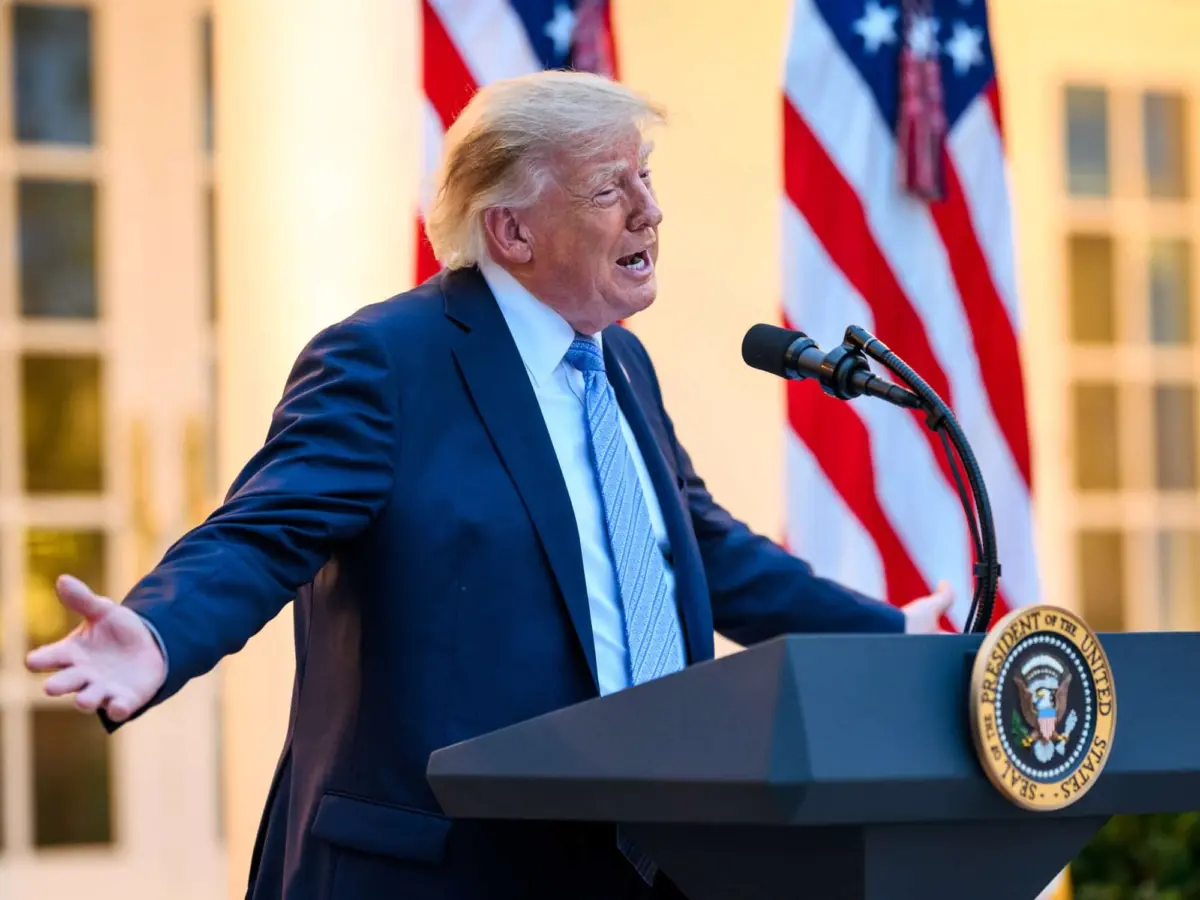
In a decisive policy shift celebrated by millions of outdoor enthusiasts and coastal business owners alike, the White House has formally altered the trajectory of federal marine management. Speaking from the Rose Garden on the evening of September 17, President Donald Trump signed the “Restoring America’s Saltwater Angling and Recreation” Executive Order, a sweeping directive crafted to address long-standing grievances within the recreational fishing community. The proclamation establishes an official national policy elevating marine recreational fishing as a priority in federal fisheries management. By ordering federal agencies to pursue advanced data collection methodologies, embrace modern management frameworks, fortify state-federal partnerships, and eliminate redundant administrative roadblocks, the administration aims to reshape how America’s marine resources are utilized, conserved, and accessed.
The signing of the executive order represents the culmination of years of intense advocacy by major sportfishing organizations, including the American Sportfishing Association (ASA), the Center for Sportfishing Policy (CSP), the National Marine Manufacturers Association (NMMA), the Coastal Conservation Association (CCA), and the Congressional Sportsmen’s Foundation (CSF). For decades, representatives of the recreational fishing and boating sectors have argued that federal fisheries management—historically designed around commercial extraction models—failed to adequately capture the nuances, economic footprints, and conservation ethics of recreational anglers.
This executive directive directly targets those systemic structural flaws. By instructing federal agencies such as the National Oceanic and Atmospheric Administration (NOAA) and the Department of Commerce to modernize their regulatory approaches, the administration hopes to harmonize federal oversight with the realities of modern angling. The implications of this order extend far beyond individual weekend fishermen; they touch the core of a massive, multi-billion-dollar outdoor recreation economy that supports hundreds of thousands of jobs across coastal and inland communities alike.
Detailed Chronology and the Path to the Rose Garden
The path leading to the September 17 Rose Garden announcement was paved over decades of mounting frustration among recreational anglers who felt marginalized by rigid federal frameworks. Historically, federal fisheries management under the Magnuson-Stevens Fishery Conservation and Management Act prioritized commercial catch limits and broad-brush seasonal closures, frequently applying commercial assessment tools to recreational data collection. This mismatch often led to premature fishery closures, inaccurate stock assessments, and strained relations between federal regulators and the states.
Building on Bipartisan Precedents
While the September 17 executive order marks a significant escalation in federal support for recreational fishing, it is part of a broader bipartisan historical continuum of presidential actions aimed at recognizing the sector’s unique value:
- 1995 (President Bill Clinton): Issued Executive Order 12962, which formally established recreational fisheries as a federal policy priority and directed agencies to improve the conservation, restoration, and management of sport fisheries.
- 2008 (President George W. Bush): Strengthened the foundational framework by issuing a complementary directive that explicitly protected recreational fishing as a sustainable, legitimate activity across federal lands and waters, pushing back against overreaching preservationist closures.
- 2020 (President Donald Trump): Signed the Restoring America’s Saltwater Angling and Recreation Executive Order, moving past mere policy recognition into actionable administrative mandates concerning data modernization, permitting reform, and intergovernmental cooperation.
The Mechanics of the Directive
The mechanics of the new executive order are designed to force bureaucratic evolution. Under the directive, federal agencies must actively dismantle archaic hurdles that impede both public access and habitat restoration. Specifically, the order mandates:
- Data Modernization: Transitioning away from legacy surveying methods—such as the notoriously flawed Marine Recreational Information Program (MRIP)—toward state-of-the-art electronic reporting, angler-centric data apps, and localized stock assessments that provide real-time catch data.
- Permitting and Regulatory Streamlining: Eliminating unnecessary bureaucratic red tape that delays marine habitat restoration projects, coastal construction, and tournament permits.
- Optimization of Conservation Funding: Improving the distribution and utilization of Dingell-Johnson Sport Fish Restoration funds to ensure excise taxes paid by anglers on fishing equipment directly benefit fisheries and aquatic conservation.
- Strengthening State-Federal Co-Management: Granting state natural resource agencies a more influential voice in managing federal waters adjacent to their coastlines, recognizing that state biologists often possess more accurate localized data than federal entities.
Supporting Context and Economic Metrics
To fully understand the gravity of the executive order, one must examine the staggering macroeconomic footprint of the outdoor recreation economy, and specifically, the subsectors of recreational boating and saltwater fishing. Far from being viewed merely as a pastime, recreational fishing is a powerhouse economic engine that underwrites the financial stability of countless coastal towns, tackle manufacturers, boat builders, and marine service providers.
The Macroeconomic Landscape
According to comprehensive figures compiled by federal and industry trade groups, the broader American outdoor recreation sector is a titan of domestic commerce:
- Annual Economic Output: Generates more than $1.2 trillion annually.
- Employment Impact: Supports approximately 5.2 million jobs across the United States.
- GDP Contribution: Accounts for 2.4 percent of the total U.S. Gross Domestic Product.
When narrowing the focus to boating and fishing—which together constitute the nation’s largest conventional outdoor recreation activity—the numbers remain remarkably robust, contributing $38.4 billion in direct value-added impact to the national economy.
Saltwater Sportfishing: A Closer Look at Coastal Impact
Saltwater recreational fishing occupies a particularly vital space within this economic matrix. The executive order directly impacts the 15.5 million saltwater anglers nationwide who pursue game fish across the Atlantic, Pacific, and Gulf coasts.
- Sales Impact: Saltwater recreational fishing alone generates an astonishing $145.4 billion in annual sales impacts.
- Job Creation: The sector supports nearly 700,000 jobs nationwide, ranging from charter boat captains and marina operators to marine electronics technicians and retail outfitters.
- Community Resilience: Coastal communities depend heavily on the tourism dollars brought in by sportfishing tournaments, seasonal anglers, and destination travelers. When fisheries are mismanaged or closed prematurely due to faulty data, these local economies suffer immediate and severe contractions.
By demanding modern data collection and more reliable access, the Trump administration’s directive serves as an economic safeguard for these vulnerable coastal small businesses.
Official Industry Statements and Stakeholder Reactions
The sportfishing and marine manufacturing industries responded to the White House announcement with overwhelming approval. Leaders from prominent advocacy organizations praised the administration for acknowledging what grassroots anglers have argued for generations: that recreational fishing requires a distinct management philosophy independent of commercial fishing regulations.
Center for Sportfishing Policy
Jeff Angers, president of the Center for Sportfishing Policy, framed the executive order as a long-overdue validation of the recreational community’s core tenets.
"This Executive Order is a historic recognition of what millions of American anglers and coastal communities have known for decades: marine recreational fishing deserves a management system built for the way Americans fish," Angers stated. "By prioritizing better data, stronger state partnerships and modern management approaches, President Trump’s order builds on our conservation gains creating a path to more reliable access and opportunity in America’s oceans."
Angers further emphasized the practical outcomes expected from the directive: "President Trump is sending a clear message that America’s saltwater anglers matter. Better data, modern management and stronger state partnerships can deliver what anglers and coastal communities have needed for years: healthier public fisheries and more reliable access to them."
American Sportfishing Association
As the premier trade association representing sportfishing manufacturers, retailers, and wholesalers, the American Sportfishing Association played an instrumental role in advocating for the policies embedded within the order. Glenn Hughes, president and CEO of the ASA, expressed profound gratitude on behalf of the industry.
"The American Sportfishing Association thanks President Trump for this decisive action to improve management and data collection for America’s saltwater fisheries," Hughes said. "This Executive Order will have long-term benefits for the sportfishing industry and America’s 15.5 million saltwater anglers."
The ASA and its coalition partners have spent years lobbying Congress and federal agencies to recognize the distinct nature of angling, pushing for legislative and administrative reforms that prioritize data integrity and public access over administrative inertia.
National Marine Manufacturers Association
Frank Hugelmeyer, president and CEO of the National Marine Manufacturers Association (NMMA), underscored the intrinsic link between access to public waters and the health of American manufacturing and small business ecosystems.
"Recreational boating and fishing are the foundation of America’s outdoor heritage and an important driver of our nation’s recreation economy," Hugelmeyer noted. "Today’s actions further reaffirm the importance of ensuring Americans can access and enjoy our nation’s waters. Access supports American manufacturing, jobs and small businesses across the country. Thank you to President Trump and his administration for recognizing the value of outdoor recreation and the American industries and communities it supports."
Coastal Conservation Association
Representing grassroots marine conservationists who spend countless hours on the water protecting marine habitats, Pat Murray, president and CEO of the Coastal Conservation Association, highlighted the critical importance of state-based management frameworks.
"We’re grateful the Administration has taken this opportunity to emphasize the social and economic importance of recreational fishing," Murray said. "State-based management has never been more important for our federal fisheries, and we applaud this critical need being highlighted in this Executive Order."
Congressional Sportsmen’s Foundation
Jeff Crane, president and CEO of the Congressional Sportsmen’s Foundation, pointed to the deep-rooted conservation ethics of the angling community, noting that anglers have historically been among the nation’s most effective stewards of natural resources.
"America’s anglers were among the nation’s first and most dedicated conservationists, and this Executive Order recognizes that commitment while charting a path towards increased access to healthy fisheries," Crane observed. "We thank President Trump for elevating recreational fishing as a national priority and look forward to working with the Administration to turn these directives into meaningful results on the water."
Future Outlook: Translating Policy into Progress on the Water
While the signing of the Restoring America’s Saltwater Angling and Recreation Executive Order represents a monumental policy victory, industry leaders and policy analysts emphasize that the true test lies in implementation. Turning high-level administrative directives into tangible, on-the-water improvements will require sustained cooperation between federal agencies—such as NOAA Fisheries—state natural resource departments, and the organized sportfishing community.
Key Milestones to Watch
- Overhauling Federal Data Systems: The immediate priority for federal agencies must be the restructuring of data collection protocols. Replacing outdated telephone and dockside intercept surveys with integrated electronic reporting systems will eliminate the wild catch-estimate swings that have historically plagued recreational seasons.
- Expanding State Management Authority: Observers will be closely monitoring how NOAA Fisheries delegates management responsibilities to state agencies, particularly regarding regional fisheries management council decisions where recreational stakeholders have traditionally been outvoted or ignored.
- Permitting Reform and Habitat Restoration: The streamlining of administrative barriers will be measured by how quickly long-delayed habitat enhancement projects—such as artificial reef construction, wetland restoration, and oyster bed rehabilitation—can break ground under the newly simplified permitting guidelines.
- Allocation Fairness: Ensuring that catch allocations between commercial and recreational sectors are equitably distributed based on current, accurate economic and biological data remains a primary long-term objective for groups like the ASA and CCA.
Conclusion
The September 17 executive order fundamentally resets the federal government’s posture toward marine recreational fishing. By officially recognizing the sector’s immense economic weight, its foundational role in American heritage, and its intrinsic commitment to marine conservation, the White House has set a clear benchmark for future governance.
As federal agencies begin the complex process of regulatory rewrites and bureaucratic restructuring, the nation’s 15.5 million saltwater anglers—backed by a unified industrial coalition—stand poised to ensure that the promises made in the Rose Garden translate into healthier fisheries, protected marine ecosystems, and guaranteed access for generations of Americans to come.

0 Comments