For decades, the Mississippi River-Gulf Outlet (MRGO)—a shipping channel completed in 1968 to streamline maritime traffic to the port of New Orleans—has stood as an ecological cautionary tale. Its creation permitted high-salinity Gulf waters to surge deep into fragile interior cypress swamps, accelerating marsh degradation. Yet, in a striking environmental twist of fate, the deep dredged trench and the hard armor-rock shorelines built alongside it have morphed into an unexpected winter sanctuary.
Every year, as winter’s chill descends upon the Louisiana delta, speckled trout of all sizes abandon the open bays and migrate into the sheltered, deep-water recesses of the MRGO. While most local anglers traditionally target spring for trophy seatrout, seasoned guides like Slidell-based professional Justin Bowles know that the dead of winter—November through February—is the premier window for connecting with true "mule trout."
Targeting these heavyweights requires abandoning conventional "box-checking" mindsets. Rather than chasing numbers for the freezer, anglers targeting MRGO winter trout must commit to a high-patience, artificial-lure strategy built on precision depth control, deliberate twitch-and-pause cadences, and mental resilience. For those willing to brave the elements and master the nuances of the rock-lined shelves, the MRGO offers a world-class shot at the fish of a lifetime.
Detailed Chronology: The Anatomy of a Winter MRGO Encounter
To understand the rhythm of winter fishing on the MRGO, one must look at how an ideal day unfolds on the water. A decade of guiding on these waters should leave a professional jaded—immune to the adrenaline rushes of everyday catches. Yet, winter on the MRGO operates under entirely different rules.
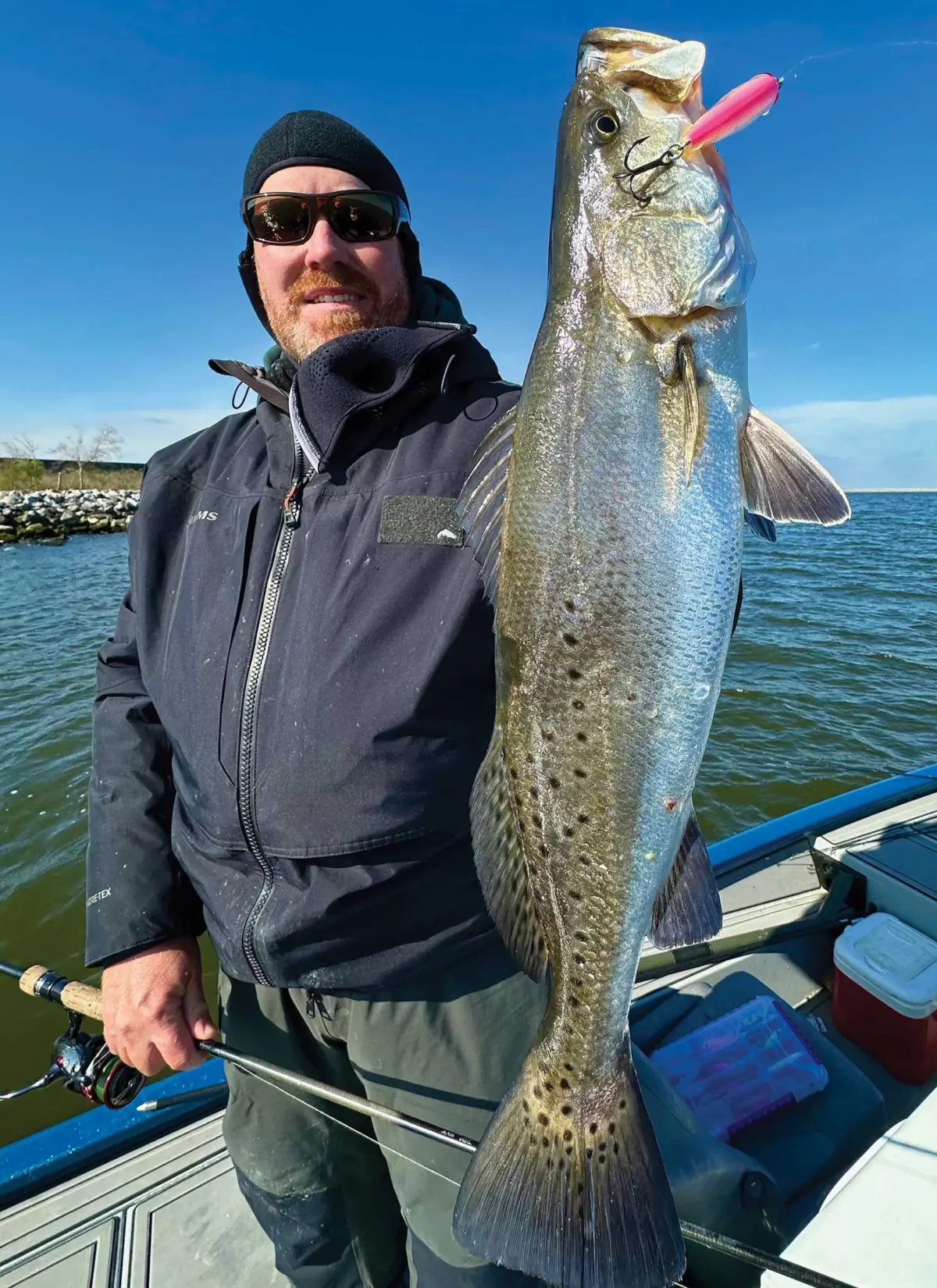
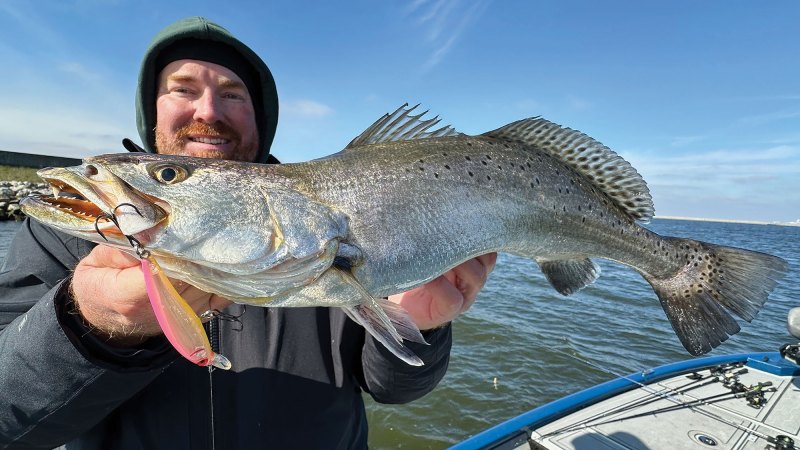
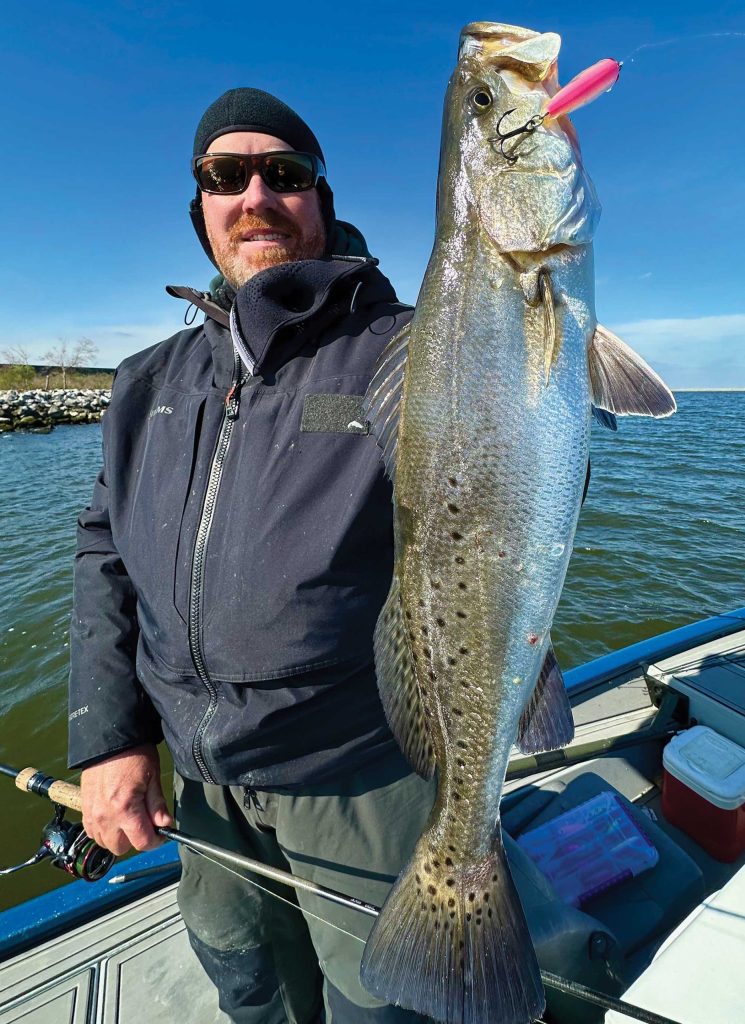
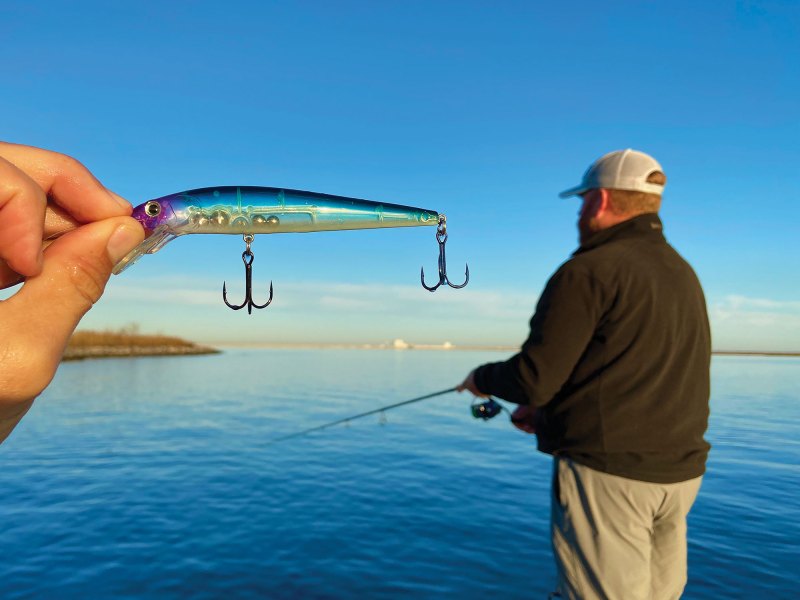
During a freezing outing last winter, Justin Bowles experienced that exact jolt. Operating a medium-powered rod paired with a 12-pound fluorocarbon leader, Bowles was systematically working a suspending Bill Lewis Scope Stik parallel to the rocky bank. Suddenly, a heavy, solid resistance arrested his retrieve.
Unlike a school-sized fish that yields immediately to rod pressure, this fish did not budge. Instead, it tore off laterally, initiating a sequence that instantly spikes an angler’s heart rate. Through the graphite blank, Bowles felt the heavy, rhythmic headshakes—the unmistakable signature of a superior predator attempting to dislodge treble hooks. While Gulf Coast veterans know redfish frequently share this head-shaking trait, Bowles was fishing the MRGO in December with a singular purpose: large speckled trout. Redfish, while respected sport, are viewed by trophy hunters on these trips as line-stretching distractions that waste valuable casting windows.
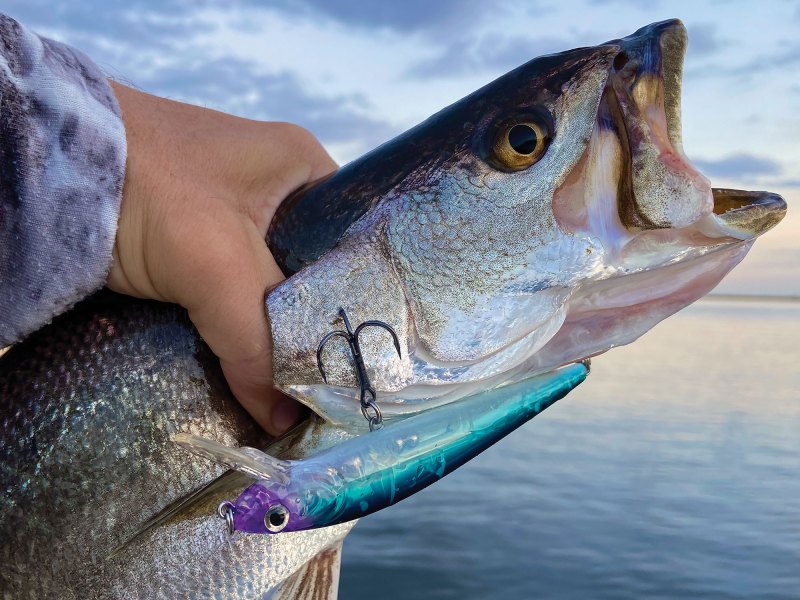
As the tension mounted, Bowles barked instructions for the landing net. The fish rolled near the surface, unable to fully breach due to its immense girth, exposing a massive, mustard-colored mouth thrashing violently against the steel hooks.
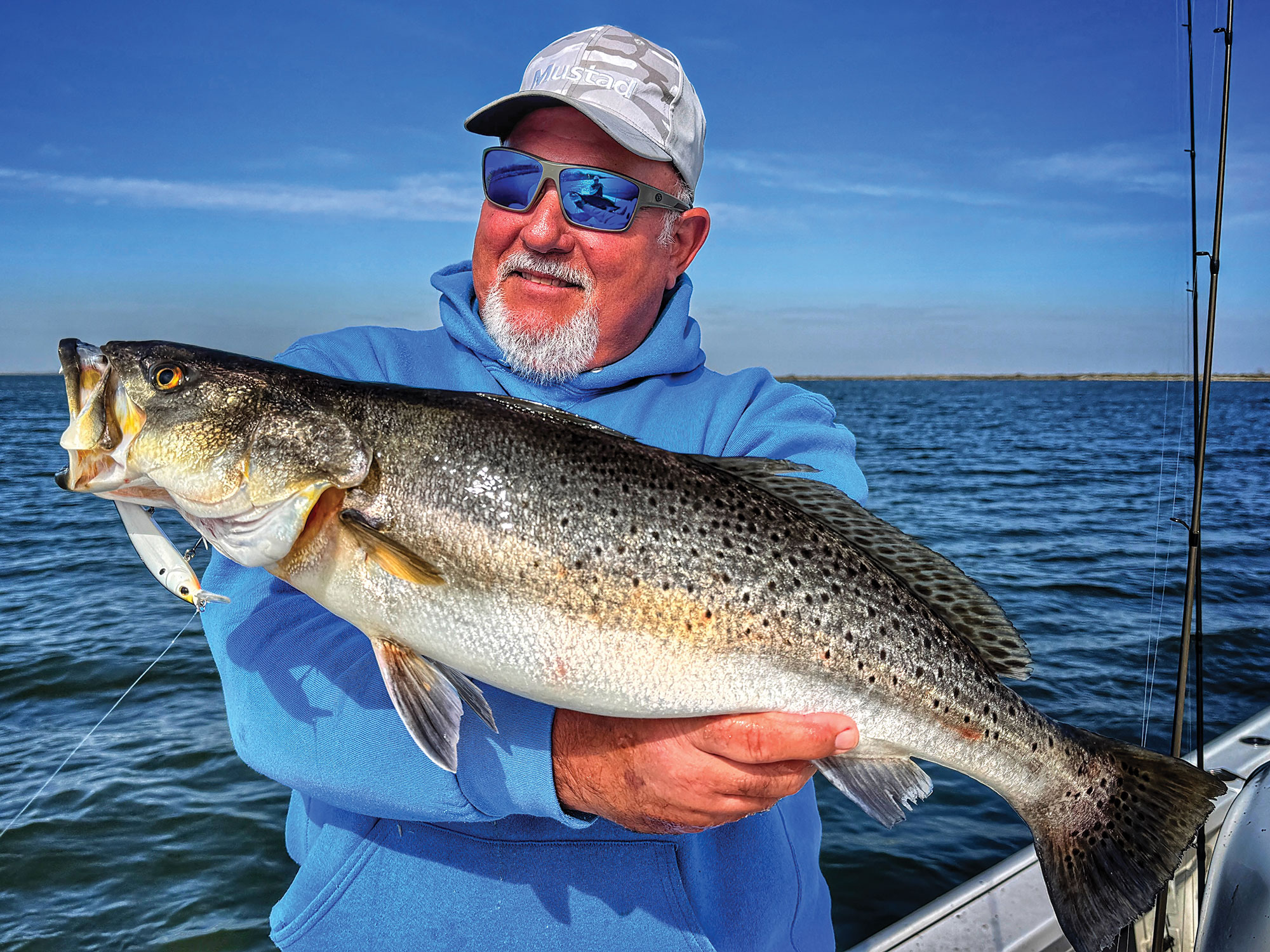
Moments later, the net scooped up a pristine 6-pound speckled trout. While anglers in certain parts of Texas or Florida might view a 6-pounder as a routine occurrence, in Louisiana—where smaller "schoolie" trout crowd the marsh—a fish of this caliber is a genuine trophy. Following a quick series of photographs to document the catch, Bowles carefully revived the trout. It kicked its broad tail and vanished back into the depths, a testament to the quality of fish holding along the MRGO rocks.
Supporting Context & Metrics: Habitat and Mechanics
The Environmental Paradox of the MRGO
Originally excavated during the 1950s and 1960s, the MRGO was designed to offer commercial ships a shortcut directly to New Orleans. Unfortunately, the project altered hydrology across St. Bernard Parish and surrounding areas, converting lush cypress forests into brackish marshes. Furthermore, boaters navigating the waters northeast of the MRGO must exercise extreme caution; remnant cypress stumps sit just beneath the surface like marine landmines, waiting to shear off lower units.
Despite these historical ecological scars, the channel’s physical dimensions created a flawless microhabitat for overwintering marine species.
Key Environmental Metrics of the MRGO:
Channel Depth: The center of the canal plunges to depths of 35 to 40 feet, offering a thermal buffer against sudden Arctic cold fronts.
Shellf lines: Immediate drops flank the channel, stepping up from 25 feet to 15 and 10 feet right against the protective rock armor.
Bait Concentrations: The funneling effect of the canal pulls continuous streams of forage species, creating a year-round cafeteria for apex predators.
Temperature Thresholds: When water temperatures slide into the upper 40s and low 50s, trout slide off the rocks and onto the adjacent shelves, setting up predictable ambush zones.
Technical Mastery: Lure Selection and Presentation
Succeeding on the MRGO during winter requires moving away from live bait and adopting specialized artificial strategies. While live shrimp remains the most reliable method for putting a limit of smaller fish in the cooler, elite anglers throw hard jerkbaits to single out the largest specimens.
The Progression of Lures
Early Winter (Surface-to-Mid Column): As water temperatures begin to drop in late autumn, guides like Bowles throw suspending baits like the Bill Lewis Scope Stik or MirrOlure MirrOlip.
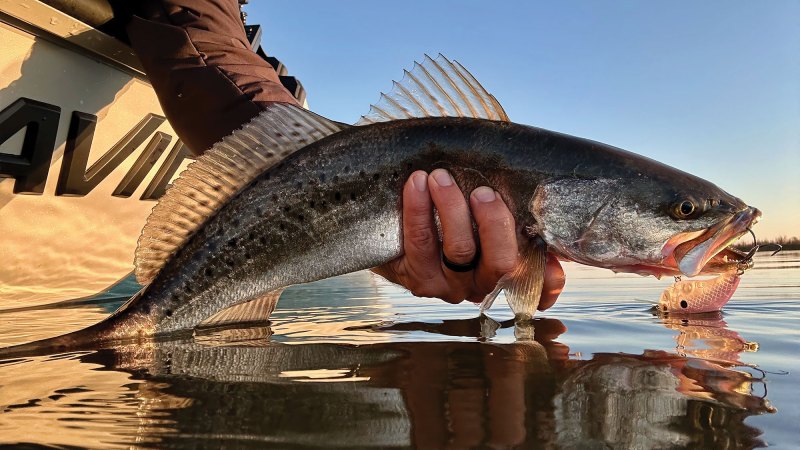
Deep Winter (Sub-surface & Shelf Targeting): As water temperatures bottom out in the low 50s and upper 40s, trout pull slightly off the rock wall onto the primary shelf. At this stage, anglers transition to deeper-diving jerkbaits, such as the Rapala Shadow Rap Deep or the Berkley Stunna 112. These baits feature larger lips that dive quickly and maintain a deeper strike zone through the retrieve.
The Art of the Pause
The single most critical mechanical adjustment required for cold-water MRGO trout is mastering the pause.
Warm vs. Cold: In warmer water, anglers can work a jerkbait with quick cadences and shorter pauses.
The Winter Rule: When water temperatures plummet, strikes almost exclusively occur during the pause. Twitching the bait simply attracts attention; the prolonged standstill—often lasting several seconds—triggers the predatory instinct of cold-slowed mule trout.
Multi-Rod Setup Strategy
Because fish preferences shift unpredictably between bright, loud attractor patterns and natural shad-mimicking finishes, elite anglers never rely on a single rod setup. When fishing solo, guides recommend rigging two or three rods simultaneously:
Rod 1: Equipped with a loud, high-visibility color profile.
Rod 2: Rigged with a natural green-back shad pattern.
Rod 3: Outfitted to probe a deeper depth range.
Expert Insights and Mindset
The primary reason many anglers try the MRGO rocks and fail is a lack of psychological endurance. Drifting a shoreline for an hour without a single strike is common, even for veterans.
"You’ve really got to come with the mindset that you’re not going to look for a limit of fish," explains Justin Bowles. "You just want to catch some bigger fish. And when you do that, a lot of days, we end up limiting out doing it. But I’d never go with that intention."
Patience on the water translates into a methodical approach:
Dedicate 15 to 30 minutes to thoroughly working a specific stretch of rocks before abandoning it.
If fishing with partners, stagger lure depths and color patterns to rapidly diagnose what the fish demand on any given day.
Cultivate absolute confidence in the "jerk-and-pause" technique, knowing that hours of silence can be instantly shattered by a 5- to 8-pound trophy.
Instances like fellow charter captain Mike Gallo landing an 8-pound beast on a Berkley Stunna 112 along these very rocks underscore the potential. Encounters of this magnitude prove that winter on the MRGO remains uniquely unmatched anywhere else in the Bayou State.
Future Outlook and Access Guide
As conservation efforts, coastal restoration projects, and hydrological management continue to evolve in southeast Louisiana, the MRGO remains a heavily scrutinized waterway. However, its artificial structure guarantees that its role as a winter sanctuary for marine life will persist for generations to come. For the modern angler, the canal represents a masterclass in adaptation—turning an industrial shipping ditch into a premier destination for big-game inshore fishing.
Accessing the MRGO
Anglers looking to test their mettle against winter mule trout can access the canal via launches centered around Paris Road in New Orleans.
Navigational Caution: Boaters must pass through a flood-control structure at Bayou Bienvenue, which is occasionally closed during high-water events. Anglers should verify its operational status prior to departure by contacting the appropriate local marine updates or parish infrastructure offices.
Additional Launches: Several secondary ramps dot the greater St. Bernard and New Orleans East perimeters, offering seamless access to the eastern marsh networks and the northern approaches of the channel.
Approaching the MRGO requires respect for its hazards, patience for its rhythms, and precision in your tackle. For those who check all three boxes, winter’s icy grip offers the greatest reward the Louisiana marsh has to offer.



0 Comments