By Derrick Conover Posted: November 21, 2025 | Last Updated: November 21, 2025 Categories: Agriculture, Crops, Horticulture Tags: Agriculture, SV Ag Update
Executive Overview
In recent years, blueberries have rapidly emerged as one of the most promising and lucrative specialty crops across North Florida. For small- and medium-scale agricultural producers looking to diversify their operations, mitigate market risks, and maximize land efficiency, blueberry production offers a compelling economic pathway. This is particularly true in Columbia County, where a rare convergence of environmental factors creates an ideal ecosystem for berry cultivation.
Thanks to the region’s characteristically mild winters, naturally acidic sandy soils, and robust, enthusiastic local markets, Columbia County is exceptionally well-positioned to support profitable blueberry enterprises. Whether a grower is planting a modest one-acre plot to break into direct-to-consumer sales or expanding an established commercial footprint, understanding the foundational principles of soil science, variety selection, layout design, and irrigation management is paramount.
With proper care, management, and strategic planning, a single acre of well-maintained land in Columbia County can successfully support between 600 and 1,500 blueberry plants, depending on the chosen spacing and production system. This comprehensive guide breaks down the agronomic advantages of the region, details the best cultivars to plant, and provides practical, field-tested methodologies for establishing a thriving, highly productive commercial or homestead blueberry patch.
Detailed Chronology & Regional Suitability: Why Blueberries Thrive in North Florida
To understand why blueberries perform so exceptionally well in Columbia County, one must first examine the natural topography and climatic conditions of the region. Establishing a successful perennial berry orchard is not merely about dropping plants into the ground; it requires a harmonious alignment between the plant’s biological requirements and the local environment.
Natural Soil Composition and Chemistry
Blueberries are notoriously finicky about their growing medium. Unlike many row crops that tolerate a neutral or slightly alkaline soil, blueberries demand acidic conditions to efficiently uptake vital nutrients like iron. Fortunately, much of Columbia County features naturally sandy, highly acidic soils. Soil pH levels across the county frequently range from 4.5 to 5.5, providing an optimal foundation for both Southern Highbush and Rabbiteye blueberry varieties. This ideal natural range means that new growers can establish healthy root systems with minimal soil modification, drastically cutting down upfront amendment costs and labor.
The Critical Role of Chill Hours
Fruit set and dormancy breaking depend heavily on winter chill accumulation—measured as the total number of hours temperatures remain between 32°F and 45°F during the winter months. Columbia County generally experiences between 300 and 500 chill hours annually.
This thermal window is absolute perfection for many low-chill Southern Highbush cultivars, which require fewer hours to break dormancy and initiate early spring blooms.
It also falls safely within the operational parameters for Rabbiteye varieties, ensuring dependable, consistent winter dormancy and predictable spring bloom timing year after year.
This consistency prevents the premature budding or delayed foliation that can devastate yields in regions with wildly fluctuating winter temperatures.
Capitalizing on Strong Local Markets
Agronomic success means little if the harvested fruit cannot be moved profitably. Fortunately, Columbia County growers benefit tremendously from proximity to eager, health-conscious consumers. From the vibrant Lake City Farmers Market to thriving regional U-pick operations, local residents actively seek out fresh, locally grown produce. Blueberries represent a staple, high-value specialty crop that consumers instantly recognize and are willing to pay a premium for. This steady, reliable consumer demand translates to a much more secure and predictable revenue stream compared to lesser-known, niche fruits that require extensive consumer education before a sale can be made.
Variety Selection: Choosing the Right Cultivar for Your Acreage
Selecting the correct blueberry variety is arguably the most critical decision a grower will make. The choice dictates harvest timing, pest susceptibility, market pricing potential, and irrigation demands. In Columbia County, growers generally choose between two primary types of blueberries: Southern Highbush and Rabbiteye, with high-density variations presenting specialized opportunities for intensive management.
Best For: Targeting early-season fruit markets when prices are at their seasonal peak.
Popular Cultivars: ‘Emerald’, ‘Jewel’, ‘Meadowlark’, and ‘Suziblue’.
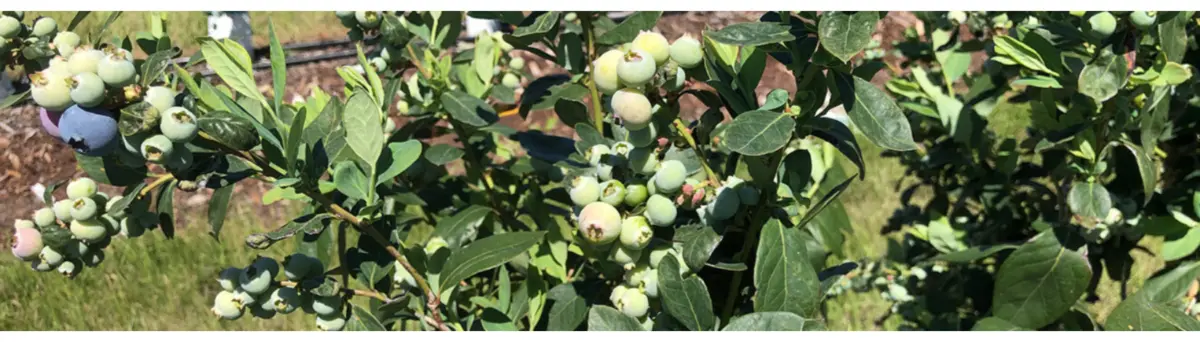
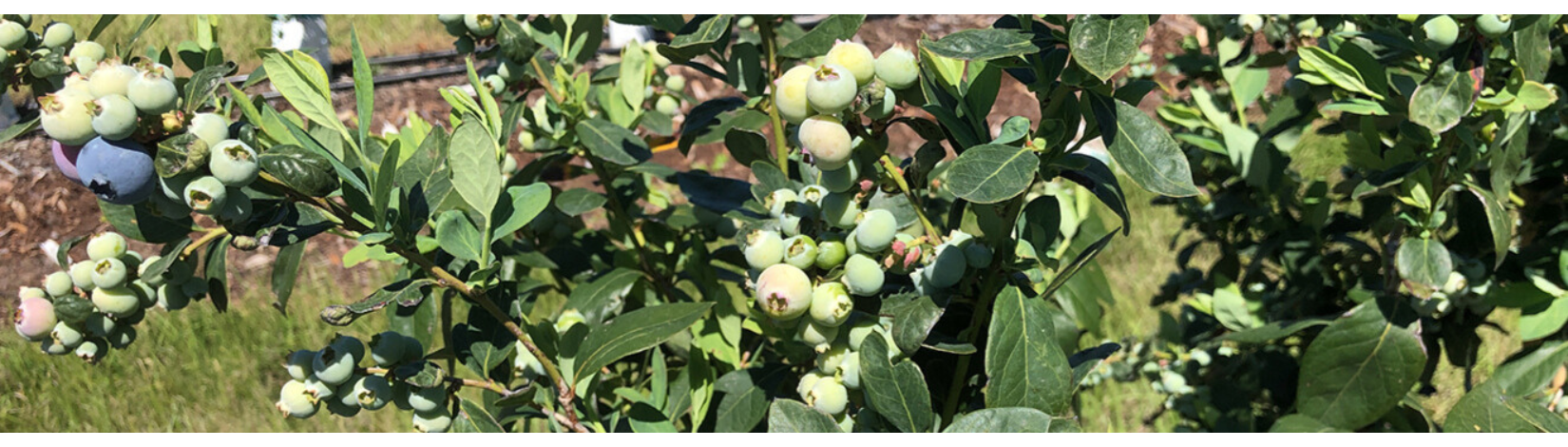
Agronomic Profile: These cultivars have been specifically bred to thrive in low-chill environments. They ripen significantly earlier than northern varieties, allowing Columbia County growers to hit the market before heavy interstate competition arrives.
Management Realities: While they offer lucrative financial returns, Southern Highbush plants have relatively shallow, delicate root systems. Consequently, they demand rigorous management regarding soil moisture, weed control, and precision fertilization.
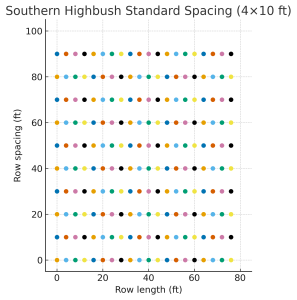
Standard Spacing: Typically planted at 3 to 4 feet between plants within rows, with 10 to 12 feet between rows, ensuring adequate airflow and machinery access.
2. High-Density Southern Highbush Systems
Best For: Intensive, highly controlled commercial production on well-managed, fully irrigated acreage.
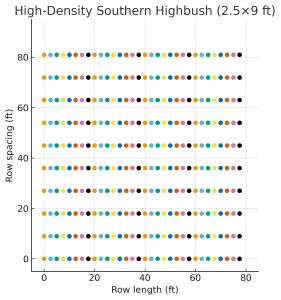
Spacing: An ultra-tight 2.5 feet by 9 feet.
Operational Impact: This intensive growing system is designed to maximize canopy volume and fruit output per square foot, producing exceptionally early and heavy yields. However, it leaves zero margin for error. This layout requires sophisticated drip/microjet irrigation, flawless weed suppression, and tightly calibrated fertigation protocols to prevent inter-plant competition and root disease outbreaks.
3. Rabbiteye Blueberries (Vaccinium virgatum)
Best For: Low-input operations, organic growing models, or sites lacking comprehensive irrigation infrastructure.
Popular Cultivars: ‘Climax’, ‘Brightwell’, and ‘Powderblue’.
Agronomic Profile: Native to the American Southeast, Rabbiteyes are famously tough, vigorous, and resilient. They feature deeper, more extensive root systems than their Highbush counterparts, making them significantly more tolerant of temporary dry spells and minor soil fluctuations. They also tend to be larger bushes that produce abundant fruit over a longer, mid-to-late season harvest window.
Management Realities: While they require less intensive day-to-day coddling, they ripen later when market prices often face downward pressure due to national harvest peaks.
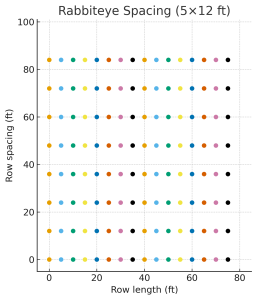
Standard Spacing: Due to their larger mature size, Rabbiteyes require wider spacing—typically 5 to 6 feet between plants, with 12 to 14 feet between rows.
Supporting Context & Metrics: Irrigation, Infrastructure, and Establishment
Establishing a commercial blueberry enterprise is a capital-intensive and time-sensitive endeavor. Beyond selecting the right plants and preparing the native sandy soil, growers must invest heavily in water management infrastructure to protect their investment.
The Imperative of Precision Irrigation
While Columbia County enjoys respectable annual rainfall totals, precipitation patterns are notoriously erratic during the critical spring growing and sizing months. Unpredictable dry springs can cause developing berries to shrivel or drop prematurely, instantly wiping out profit margins.
Microjet and Drip Systems: For Southern Highbush varieties, microjet or drip irrigation is not merely a convenience—it is an absolute necessity. Drip lines deliver water and dissolved nutrients directly to the root zone, drastically reducing water waste and discouraging weed growth between rows.
Fertigation Integration: Utilizing drip irrigation enables fertigation, the practice of injecting water-soluble fertilizers directly through the irrigation system. This ensures that nutrients are delivered precisely when the plant needs them most during vegetative flush and fruit development, maximizing nutrient uptake efficiency.
Rabbiteye Adaptability: While established Rabbiteye plants can survive on natural rainfall alone during normal years, installing dedicated irrigation lines is still strongly recommended. Given the shifting precipitation trends observed over recent growing seasons, supplemental irrigation ensures optimal fruit sizing and protects against drought stress.
Scaling Up: From One Acre to Commercial Operations
Many beginning growers in Columbia County wisely choose to start small—planting a single trial acre. This allows farm managers to master local pest pressures, canopy pruning, and harvest labor logistics before committing significant capital to massive expansions.
Depending on the chosen layout and variety, a single acre accommodates a wide range of plant populations:
Standard Southern Highbush: ~1,000 to 1,200 plants per acre.
High-Density Southern Highbush: Up to 1,900+ plants per acre.
Rabbiteye: ~600 to 800 plants per acre due to expansive bush architecture.
Official Statements & Agricultural Extension Insights
Agricultural specialists and extension agents across North Florida consistently emphasize that success in berry farming hinges on proactive management rather than reactive firefighting.
According to regional horticultural advisors with the University of Florida Institute of Food and Agricultural Sciences (UF/IFAS):
"The natural advantages found in Columbia County—specifically our acidic sandy soils and moderate chill-hour accumulation—give local growers a tremendous head start. However, blueberries are high-input, high-return perennial crops. Growers cannot simply plant them and walk away. Success requires a meticulous approach to weed management during the establishment year, constant monitoring of soil pH, and an unwavering commitment to freeze and drought protection systems."
Extension experts also stress the importance of pre-plant site preparation. Because blueberry roots lack root hairs and struggle to extract water from heavy or poorly drained soils, ripping hardpans, incorporating organic matter (such as pine bark) into planting beds, and establishing perennial grass borders to prevent soil erosion are critical steps that must be completed months before the first shrub goes into the ground.
Future Outlook: The Long-Term Viability of Columbia County Berries
As consumer demand for locally sourced, fresh, and healthy foods continues to surge nationwide, the agricultural outlook for Columbia County blueberry producers remains exceptionally bright. Regional agritourism is on the rise, with families increasingly seeking out U-pick experiences as both a recreational activity and a way to connect with local food systems.
Furthermore, ongoing horticultural research continues to release superior cultivars with enhanced disease resistance, firmer fruit texture for extended shelf life, and better adaptability to localized climatic shifts. For producers willing to invest the initial capital, master water management, and adhere to strict horticultural best practices, blueberries offer a remarkably reliable, profitable, and enduring crop enterprise.
With thoughtful, data-driven planning, precise plant spacing, and careful cultivar selection tailored to North Florida’s unique environmental signature, Columbia County growers are well-equipped to harvest economic success from the soil for decades to come.



0 Comments