

By Dr. Derrick R. Conover, UF/IFAS Extension, Columbia County
Published: October 22, 2025
Executive Overview
As the scorching days of summer fade and autumn settles across North Florida, agricultural fields and home garden plots alike enter a period of transition. For many growers, the temptation is to let the land "go to sleep" after a long, exhausting growing season. However, agricultural experts warn that leaving soil bare during the cooler months is a missed opportunity—and an active threat to long-term soil health.
According to Dr. Derrick R. Conover of the University of Florida’s Institute of Food and Agricultural Sciences (UF/IFAS) Extension in Columbia County, autumn is the prime window for establishing cover crops. Far from being a waste of time or resources, planting specific cool-season cover crops is one of the most cost-effective, scientifically backed strategies available to farmers and homesteaders. By keeping living roots in the ground through the winter, growers can drastically reduce soil erosion from winter rains, naturally boost soil fertility, suppress stubborn weeds, and break up compacted hardpans.
Whether managing multi-acre pasturelands or small backyard vegetable plots, regional producers are increasingly turning to a select group of resilient cover crops—including crimson clover, cereal rye, oats, Austrian winter peas, and tillage radishes—to engineer a successful growing season for 2026. This comprehensive guide explores the top cover crop varieties suited for North Florida’s unique sandy soils, breaks down their distinct biological benefits, and offers actionable strategies for maximizing farm and garden resilience.
Detailed Chronology: The Seasonal Lifecycle of Winter Cover Crops
Understanding the rhythm of cover cropping requires looking at the agricultural calendar as a continuous loop rather than isolated seasons. The success of a spring harvest is heavily dictated by the biological processes happening beneath the soil surface in the months leading up to it.
Phase 1: Late Summer to Early Fall (Site Preparation and Selection)
As the primary summer cash crops or garden vegetables are harvested, growers must quickly assess their soil conditions. This is the optimal time to conduct a comprehensive soil test—particularly if a legume-brassica mix is planned—to identify baseline nutrient deficiencies. Decisions made during this window will determine which cover crop species can bridge the gap between the end of the 2025 season and the dawn of the 2026 spring planting. Seeds must be selected based on specific management goals: nitrogen fixation, weed suppression, compaction remediation, or temporary forage.
Phase 2: Mid-Autumn (Establishment and Rapid Growth)
Between October and November, North Florida experiences milder temperatures and occasional rainfall, creating an ideal environment for cool-season germination. Grains like oats and rye establish dense canopies rapidly, blanketing the soil to protect it from wind and rain impact. Meanwhile, legumes such as crimson clover and Austrian winter peas begin forming symbiotic relationships with native soil rhizobia bacteria, quietly initiating the process of pulling atmospheric nitrogen and converting it into plant-available nutrients.
Phase 3: Winter (Subsurface Protection and Nutrient Scavenging)
While above-ground growth may slow during the chilliest weeks of winter, a tremendous amount of work is happening underground. Deep taproots, such as those of the tillage radish, drive downward through hardpans, scavenging residual nutrients that might otherwise leach deep into the water table. At the same time, the dense root networks of grasses and clovers lock soil particles in place, preventing the nutrient runoff and topsoil erosion that plague bare agricultural fields during winter weather events.
Phase 4: Early Spring (Termination and Biomass Incorporation)
As spring approaches, cover crops reach peak vegetative or early bloom stages. This is the critical juncture for termination. Growers must strategically mow, roll, or incorporate the green manure back into the soil before the plants set viable seed. Properly timed termination releases a massive flush of organic matter and stored nitrogen back into the soil, creating a nutrient-rich, moisture-retaining seedbed perfectly primed for 2026 spring crops.
Supporting Context & Metrics: The Top 5 Cover Crops for North Florida
North Florida’s distinct climate—characterized by sandy, well-draining soils, humid subtropical conditions, and mild winters punctuated by occasional freezes—demands specific crop genetics. UF/IFAS trials highlight five standout species that perform exceptionally well throughout Columbia County and the surrounding region.
1. Crimson Clover (Trifolium incarnatum)
- Primary Benefits: Nitrogen fixation, pollinator support, and spring biomass.
- Agronomic Profile: Crimson clover is one of the most reliable cool-season legumes for North Florida. As a biological fertilizer factory, it fixes atmospheric nitrogen, significantly reducing the financial and environmental costs associated with synthetic spring fertilizers. In early spring, its striking, bright red flowers burst into bloom, offering a critical, early-season nectar source for honeybees and native pollinators.
- Termination Strategy: Growers should mow or roll crimson clover at the early bloom stage, strictly before the plants set seed, to prevent it from becoming a weed in subsequent crops.
2. Rye (Secale cereale)
- Primary Benefits: Exceptional erosion control and aggressive weed suppression.
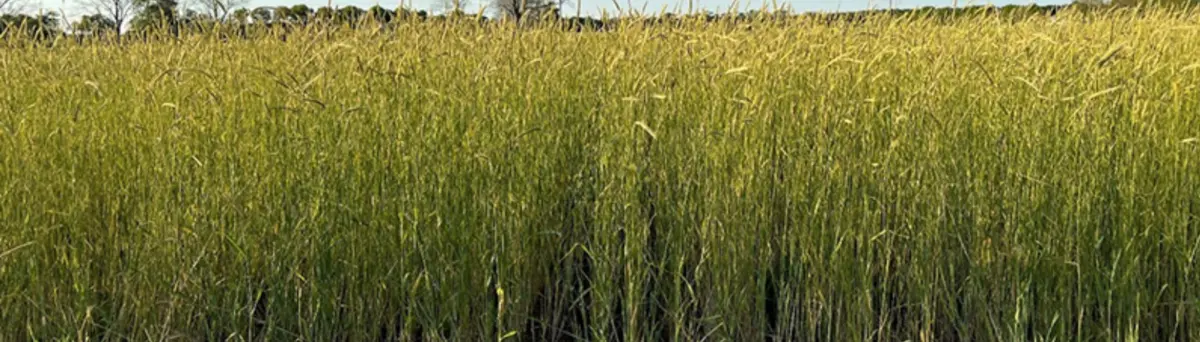
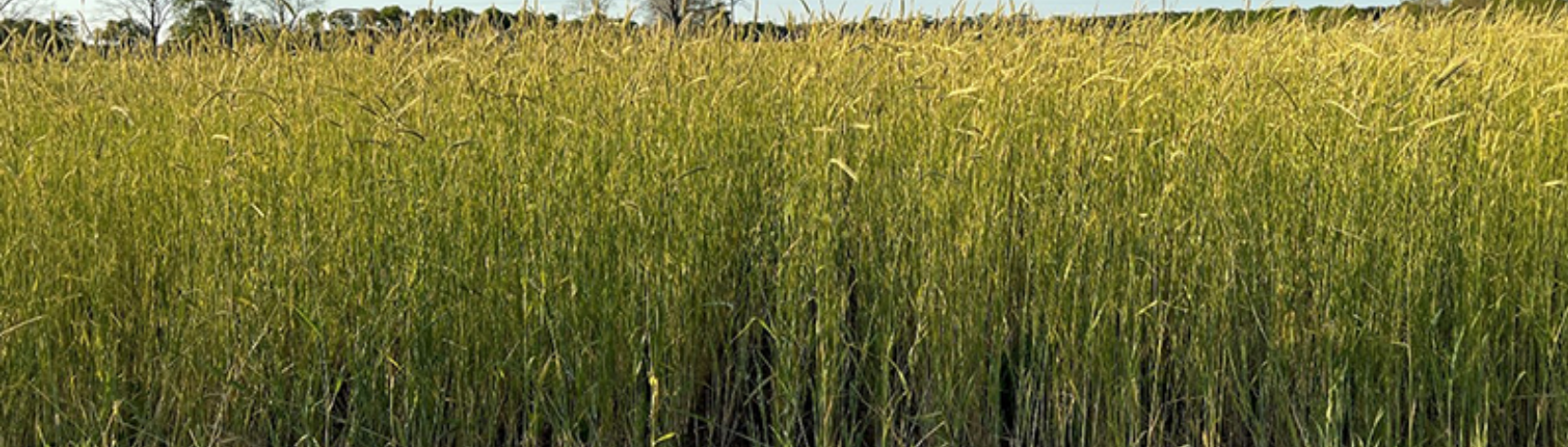
- Agronomic Profile: Rye is an exceptionally hardy cereal grass capable of thriving in poor, sandy soils and enduring cold temperatures that shock other plants. It produces a massive volume of dense above-ground growth and root mass, physically shielding the soil from erosion and outcompeting winter weeds for light and space. Rye is also famously flexible, making it an ideal companion species to mix with legumes like clover or vetch.
3. Oats (Avena sativa)
- Primary Benefits: Rapid fall grazing and organic matter accumulation.
- Agronomic Profile: Oats germinate and grow with impressive speed during the autumn months, making them the go-to choice for growers needing rapid temporary forage or immediate soil coverage. Because oats lack the extreme freeze-tolerance of rye, they are best suited for early fall planting in North Florida. They die back more predictably with heavy frosts, making spring seedbed preparation relatively easy.
4. Austrian Winter Pea (Pisum sativum subsp. arvense)
- Primary Benefits: Heavy-duty nitrogen fixation and early-spring biomass production.
- Agronomic Profile: Austrian winter peas produce abundant, sprawling vine growth that pairs exceptionally well when inter-seeded with small grains like rye or oats (the grains provide structural support for the climbing vines). When properly managed and incorporated into the soil in the spring, these legumes can generate up to an astonishing 100 pounds of organic nitrogen per acre.
5. Tillage Radish (Raphanus sativus var. longipinnatus)
- Primary Benefits: Alleviating soil compaction and scavenging deep nutrients.
- Agronomic Profile: Often referred to simply as "tillage radish," this specialized brassica sends a massive taproot deep into the soil profile, effectively shattering hardpans and vastly improving water infiltration. As winter progresses and the plant breaks down, these deep root channels decompose, leaving behind structural pathways for air, water, and the fragile roots of the following season’s cash crops.
Official Statements and Expert Guidance
The push for cover crop adoption is part of a broader statewide initiative by the University of Florida to champion regenerative agricultural practices that protect Florida’s delicate watersheds and fragile soils.
"Cover crops aren’t just for large-scale commercial operations; they represent one of the most cost-effective, versatile tools available for improving soil health on literally any scale," explains Dr. Derrick R. Conover of UF/IFAS Extension Columbia County. "Whether you are managing a few backyard vegetable raised beds or hundreds of acres of pastureland, planting this fall sets the foundational stage for superior fertility, drastically fewer weed pressures, and far more climate-resilient crops in the coming year."
Dr. Conover also stresses the importance of precision management. According to UF/IFAS agricultural guidelines, growers should never guess when it comes to fertility amendments. Getting a professional soil test performed before planting is vital—especially when designing diverse cover crop cocktails, such as legume and brassica intercrops, which have varying nutrient and pH requirements.
Future Outlook: Preparing for 2026 and Beyond
As agricultural input costs fluctuate and weather patterns become increasingly unpredictable, the economic and ecological value of cover crops has never been clearer. Farming and gardening in North Florida face ongoing challenges related to sandy soil leaching, root-knot nematodes, and seasonal drought stress.
By integrating cool-season cover crops into a routine crop rotation, producers are actively building long-term organic matter—the ultimate sponge for holding both moisture and nutrients through dry spells. Fields treated with systematic cover cropping show measurable improvements in structural stability, microbial diversity, and cash crop yields year after year.
Producers looking to transition their land or refine their existing winter management plans are encouraged to take advantage of local university resources. For customized advice on cover crop selection, local seed sourcing strategies, or professional soil sampling protocols, farmers and gardeners can reach out directly to the UF/IFAS Extension Columbia County Office by calling (386) 752-5384 or visiting the official online portal at UF/IFAS Extension Cover Crops Guide.
Investing in your soil this autumn is the single most important down payment you can make on the agricultural success of 2026.

0 Comments